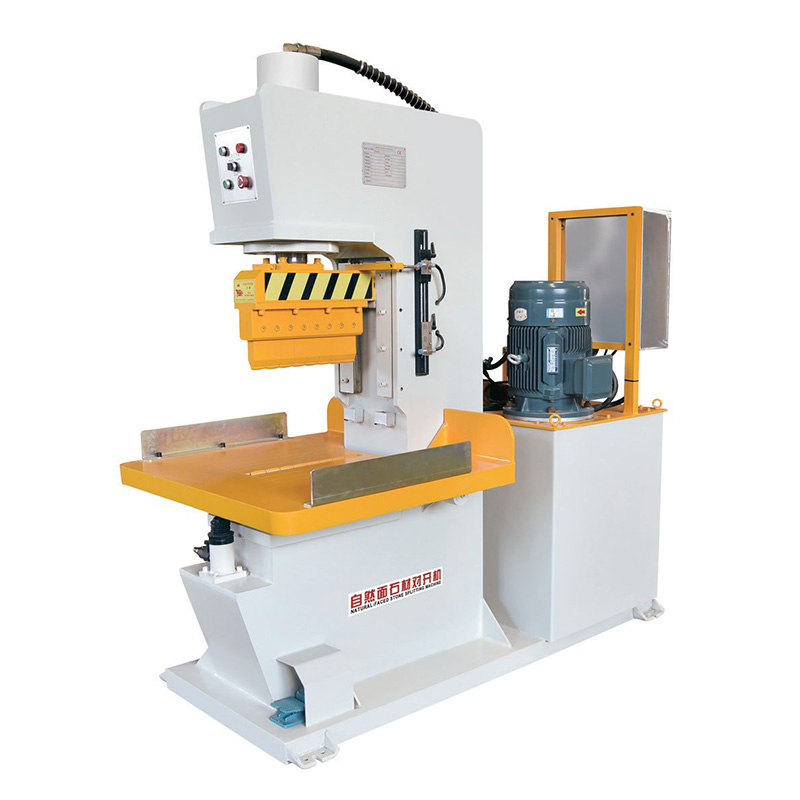







Stone Crusher Manufacturer | 4 T/H Jaw Crusher | Speedone
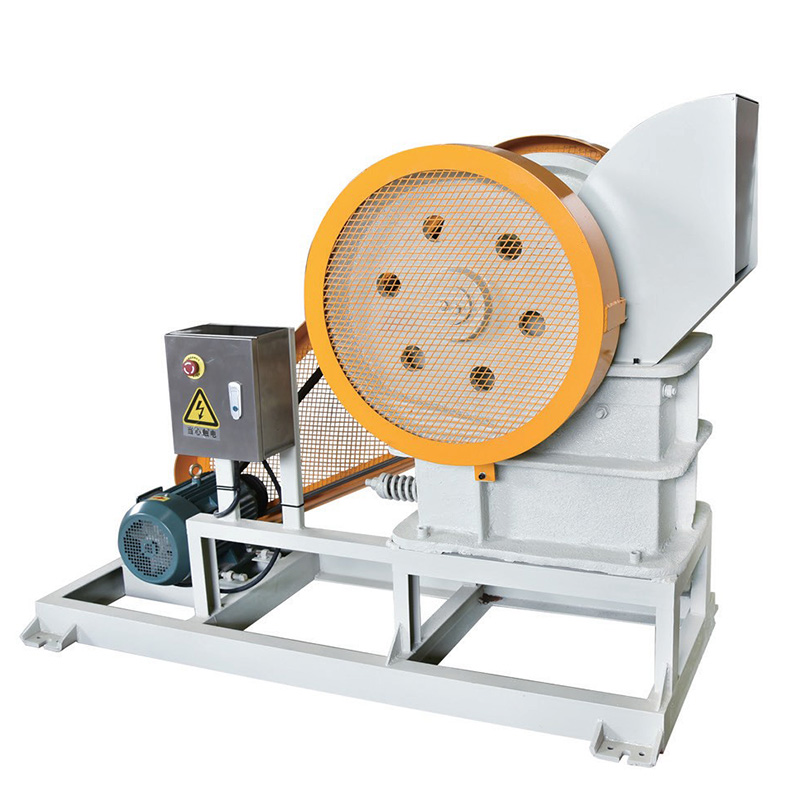
- الوزن : 1.1T
- Output/Hour : 4T/H
- Power : 7.5KW
- Feeding Size : 15x25cm
- Output Size : 1-5cm
وصف المنتج
4 T/H Stone Crusher for Granite, Limestone & Construction Stone
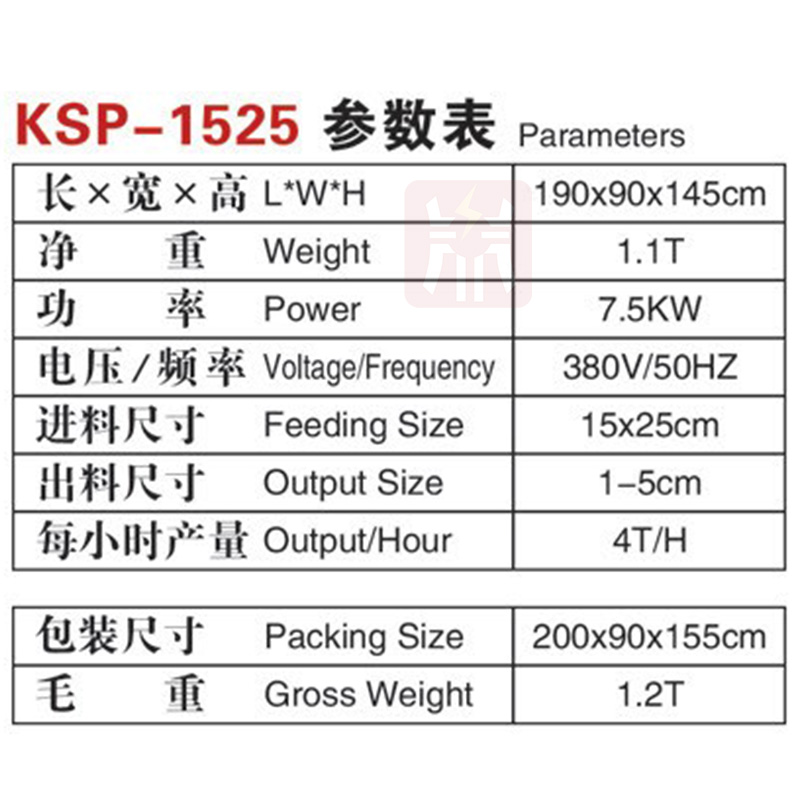
ذا سبيدون stone crusher KSP-1525 is a compact stationary crushing machine designed for stone factories, small aggregate operations and suitable stone-waste processing. The supplied specifications list 7.5 kW power, 380V/50Hz electricity, a 15×25 cm feeding size, 1–5 cm output and approximately 4 T/H capacity. Its compact footprint makes it a practical option for factories that need stone crushing without installing a large high-capacity crushing line.
What Is a Stone Crusher?
|
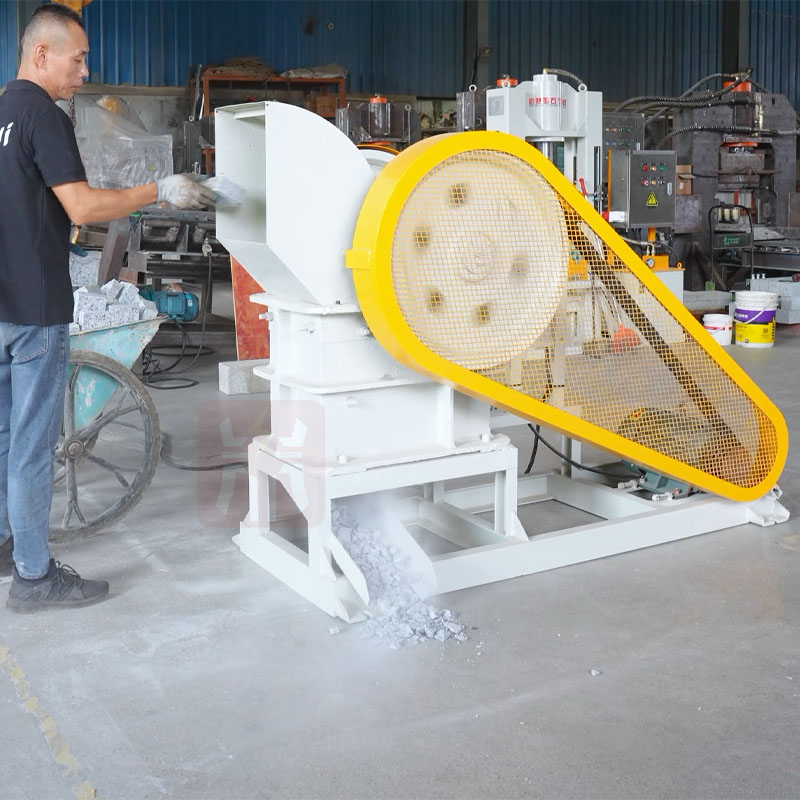 |
| Product display and product application demonstration | |
A stone crusher is industrial equipment used to reduce larger pieces of natural stone or rock into smaller particles.
The main purpose is simple: turn larger stone into smaller crushed material.
This is different from a stone splitter.
A splitter tries to preserve useful stone shapes such as cubes, wall stone or paving pieces. A crusher intentionally reduces the original stone into smaller aggregate-sized material.
Typical materials may include:
- جرانيت
- Limestone
- الرخام
- Sandstone
- Construction stone
- Suitable natural stone offcuts
- Selected quarry stone
The KSP-1525 is positioned for small and medium crushing requirements where a compact stationary crusher is more practical than a large quarry-style crushing plant.
Speedone KSP-1525 Stone Crusher Specifications
| المواصفات | KSP-1525 |
|---|---|
| Machine Type | Stone Crusher |
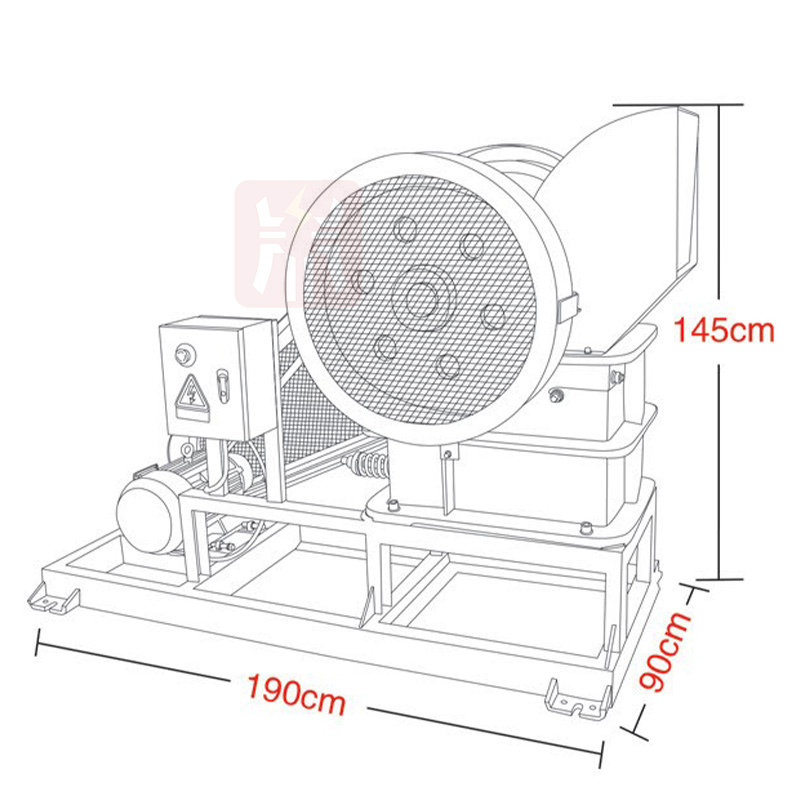
| Overall Size (L×W×H) | 190 × 90 × 145 cm |
| الوزن الصافي | 1.1 T |
| Power | 7.5 kW |
| Voltage / Frequency | 380V / 50Hz |
| Feeding Size | 15 × 25 cm |
| Listed Output Size | 1–5 cm |
| Output | Approx. 4 T/H |
| حجم التعبئة والتغليف | 200 × 90 × 155 cm |
| الوزن الإجمالي | 1.2 T |
The listed 4 T/H capacity is an approximate product specification. Actual output can vary according to stone hardness, feed size, moisture, required output size, feeding consistency and operating conditions.
Why Choose a Compact 4 T/H Stone Crusher?
Not every stone factory needs a large crushing plant.
A compact crusher can be more practical when the main purpose is to process stone offcuts or smaller quantities of raw material inside an existing factory.
The KSP-1525 may be suitable when buyers need:
- Approximately 4 T/H crushing capacity
- A smaller equipment footprint
- 7.5 kW motor power
- Stone offcut processing
- Aggregate-sized output
- A dedicated factory crushing station
- Lower-volume crushing
If the factory needs significantly higher throughput, buyers can compare Speedone’s 15 T/H stone crusher machine.
 |
 |
| Product size specification and information parameter table | |
How Does a Stone Crusher Work?
A typical crushing process is:
Stone Preparation → Feeding → Compression Crushing → Size Reduction → Discharge → Collection
1. Prepare the Stone
Check the incoming material and remove unsuitable foreign objects.
2. Feed the Crusher
Stone enters through the upper feeding area.
3. Apply Crushing Force
The crushing mechanism repeatedly applies mechanical compression.
4. Reduce the Stone Size
The material becomes progressively smaller as it moves through the crushing chamber.
5. Discharge the Material
Crushed stone exits through the lower discharge area.
6. Collect or Screen the Output
The finished material can be collected directly or sent to separate screening equipment where required.
Jaw-Type Crushing Principle
The visible KSP-1525 structure follows the general design commonly associated with stationary jaw-type crushing equipment.
This type of crushing relies on compression rather than sawing or grinding.
The main goal is not to preserve the original stone shape.
Instead, the machine is used to reduce the material into smaller pieces suitable for aggregate, recycling or further processing.
Stone Crusher for Granite
Granite is a hard natural stone widely used for countertops, monuments, paving and architectural applications.
Granite factories can generate irregular pieces that are no longer suitable for their original dimensional use.
Selected clean granite pieces may be crushed into smaller material.
Possible applications include:
- Granite aggregate
- Landscape gravel
- Road-base material
- Construction aggregate
- Secondary recycled stone
Because granite hardness varies, actual crushing capacity can differ from one granite type to another.
Stone Crusher for Limestone
Limestone is commonly processed for construction, road and landscape applications.
A compact crusher can reduce larger limestone pieces into smaller material for downstream use.
Possible applications include:
- Construction aggregate
- Road-base stone
- Landscape material
- Secondary building material
- General crushed stone
Material moisture, hardness and feed size can influence the final crushing result.
Stone Crusher for Marble
Marble factories frequently generate offcuts during slab cutting and fabrication.
Selected clean marble pieces may be crushed for secondary applications instead of being stored or discarded.
Possible uses may include:
- Decorative aggregate
- Landscape material
- Selected construction applications
- Further secondary processing
Before crushing marble waste, factories should check for contamination.
Materials containing resin, mesh backing, adhesives, metal or other foreign substances should be separated or evaluated first.
Stone Crusher for Construction Stone
Construction stone that no longer meets dimensional requirements may still have value as crushed material.
The KSP-1525 can provide a compact way to reduce suitable stone into smaller output for collection or further processing.
Potential applications may include:
- Aggregate
- Backfill
- Road foundation material
- Landscape stone
- Secondary construction material
Actual construction use should follow local engineering and project requirements.
Stone Crusher for Stone Factory Waste
Stone factories often need a practical way to reduce waste volume and recover usable material.
However, not every offcut should immediately be crushed.
Larger pieces may still have more value as wall stone, paving stone or decorative stone.
A useful decision process is:
Stone Offcut → Inspect → Can It Become a Finished Product? → Split / Form if Suitable → Crush Suitable Remaining Material
For example, suitable larger stone pieces can first be evaluated with a natural stone splitter for architectural stone processing before they are reduced into aggregate.
4 T/H Stone Crusher Capacity
The KSP-1525 lists an approximate capacity of 4 T/H.
This makes it particularly relevant to:
- Stone fabrication workshops
- Small stone recycling operations
- Factory waste-processing stations
- Small aggregate production
- Secondary material processing
Actual throughput can change depending on:
- Stone hardness
- Feed size
- Feed consistency
- الرطوبة
- Required discharge size
- Machine condition
15×25 cm Feeding Size
The supplied KSP-1525 specification lists a feeding size of 15×25 cm.
Incoming stone should remain within the approved feed range.
Oversized pieces should not simply be forced into the machine.
If necessary, stone should be pre-sized before crushing.
More consistent feeding can help improve:
- Material flow
- Crushing stability
- Feeding efficiency
- Machine protection
1–5 cm Crushed Stone Output
The KSP-1525 specification lists a 1–5 cm output size range.
This makes the machine suitable where buyers need smaller crushed material rather than larger dimensional stone pieces.
The actual downstream use depends on:
- Original stone type
- Final particle size
- Local construction requirements
- Project specifications
Buyers should provide the required output size when requesting a quotation.
7.5 kW Compact Stone Crusher
The KSP-1525 uses a listed 7.5 kW motor.
The supplied electrical configuration is:
380V / 50Hz
Before ordering, confirm:
- Factory voltage
- Frequency
- Available electrical capacity
- Local electrical requirements
- Installation location
Electrical configuration should always be confirmed before production and shipment.
Compact Machine Footprint
The KSP-1525 overall dimensions are approximately:
190 × 90 × 145 cm
This compact footprint can make the machine easier to integrate into an existing stone workshop than a large crushing line.
Installation space should still allow room for:
- Stone feeding
- Crushed-stone discharge
- Machine maintenance
- Electrical connections
- Safe operator access
Belt Drive and Flywheel System
The machine uses a belt-driven mechanical transmission system with a large protected flywheel.
These components transfer motor power to the crushing mechanism.
Routine inspection should include:
- Drive belts
- Belt tension
- Pulley alignment
- Flywheel condition
- Protective guards
All rotating parts should remain correctly guarded while the machine is operating.
KSP-1525 vs. 15 T/H Stone Crusher
The KSP-1525 and larger Speedone crusher are intended for different production volumes.
| Factor | KSP-1525 | KSP-2540 |
|---|---|---|
| Listed Capacity | Approx. 4 T/H | Approx. 15 T/H |
| Motor Power | 7.5 kW | 15 kW |
| Feed Size | 15 × 25 cm | 25 × 40 cm |
| Best Fit | Compact / lower-volume crushing | Higher-volume crushing |
The correct model should be selected according to actual stone volume rather than simply choosing the larger machine.
Stone Crusher vs. Stone Splitter
Crusher and splitter buyers normally have different production goals.
| الميزة | Stone Crusher | Stone Splitter |
|---|---|---|
| Main Purpose | Size reduction | Controlled fracture |
| Finished Product | Aggregate | Blocks, pavers or wall stone |
| Original Shape | Not preserved | Partly preserved |
| Natural-Face Product | Not primary | Strong application |
Crusher vs. Decorative Stone Processing Machines
A crusher is used when the goal is to reduce stone into smaller fragments.
If suitable stone pieces can still become higher-value finished products, other equipment may be more appropriate.
For decorative paving products, buyers can review Speedone’s paving stone stamping machine.
For suitable granite paving blanks, the granite stamping machine for pavers provides a different processing route.
For mould-based granite and marble forming, Speedone also supplies a stone pressing machine for granite and marble.
Factories producing decorative stone through hydraulic mould tooling can compare the hydraulic stone stamping machine.
When Should Stone Be Crushed?
Crushing is most relevant when suitable stone no longer has an economical dimensional-stone use and smaller aggregate is the required output.
A useful material-recovery process is:
Finished Product → Secondary Stone Product → Split / Form → Crush Suitable Remaining Material
This helps the factory evaluate whether a larger offcut still has potential value before it is reduced to aggregate.
Stone Crusher for Aggregate Production
Crushed natural stone can be used for different applications depending on the original material and local requirements.
Potential uses include:
- Construction aggregate
- Landscape gravel
- Road material
- Drainage aggregate
- Secondary processed material
The required crushed-stone specification should be determined before the machine is selected.
Standalone Stone Crusher vs. Complete Crushing Line
The KSP-1525 is positioned as a compact standalone crusher.
| Factor | Standalone KSP-1525 | Complete Crushing Line |
|---|---|---|
| Installation | Simpler | More complex |
| Footprint | Compact | Larger |
| Feeding | Separate handling | Can be integrated |
| Screening | Separate if required | Can be integrated |
Planning a Small Stone Crushing Workflow
A practical stone-factory workflow may include:
Stone Offcuts → Sorting → Remove Foreign Material → Pre-Sizing → Crusher Feeding → Crushing → Collection → Screening if Required
Total output can also be limited by:
- Slow sorting
- Oversized incoming stone
- Irregular feeding
- Discharge accumulation
- Insufficient collection capacity
- Downstream screening
How to Choose the Right Stone Crusher
1. Define the Stone
Specify granite, limestone, marble, sandstone or another material.
2. Define Maximum Feed Size
Provide the largest routine incoming stone size.
3. Define Required Output Size
Specify the target crushed-stone size.
4. Define Required Capacity
Estimate the tons per hour needed for normal production.
5. Define Material Hardness
Harder stone can affect crushing performance and wear.
6. Define the Final Application
Clarify whether the material will be used for aggregate, recycling, landscaping or construction.
7. Confirm Factory Power
Provide voltage and frequency before ordering.
8. Plan Stone Feeding
Determine how material will be safely introduced into the machine.
9. Plan Crushed-Stone Collection
Leave enough space for material discharge and storage.
10. Check Machine Footprint
Confirm installation and maintenance space.
11. Consider Wear Parts
Long-term operating cost should include wear-component replacement.
12. Evaluate Supplier Support
Technical documentation and spare-parts support are important for professional crushing equipment.
Information to Send Speedone for a Quotation
To help Speedone recommend the correct stone crusher, provide:
- Stone material
- Raw-stone photographs
- Typical feed size
- Maximum feed size
- Required output size
- Required tons per hour
- Daily operating hours
- Material moisture condition
- Required downstream use
- Factory voltage
- Factory frequency
- Available installation area
- Preferred feeding method
- Preferred material collection method
Send Speedone your stone type, incoming material photos, maximum feed size, required output size and tons-per-hour target. If you are comparing the 4 T/H KSP-1525 with a larger crusher, also include your daily operating hours and expected material volume.
Common Stone Crusher Problems
Output Is Lower Than Expected
Check stone hardness, feed size, feeding consistency, required output size and machine condition.
Material Blocks the Feed Opening
Oversized or irregular pieces may cause blockage. Stop and isolate the machine before checking the problem.
Drive Belts Wear Too Quickly
Inspect belt tension, alignment and pulley condition.
Machine Vibration Changes Suddenly
Stop the equipment and inspect it before continued operation.
Output Size Is Not Suitable
Confirm that the machine setup and stone material match the required crushed size.
Discharge Material Accumulates
Improve material collection so the discharge area remains clear.
Stone Crusher Maintenance
Routine inspection should include:
- Electric motor
- Drive belts
- Flywheel
- Safety guards
- Crushing chamber
- Crusher wear parts
- Bearings
- Fasteners
- Steel frame
- Electrical controls
- Feed opening
- Discharge area
Maintenance frequency should consider both operating hours and stone hardness.
Damaged or loose guards should be repaired before continued production.
Stone Crusher Safety
A stone crusher combines heavy stone, strong crushing force and rotating mechanical components.
- Only trained personnel should operate the machine.
- Keep hands away from the feed opening.
- Never enter the crushing chamber while power is connected.
- Keep all belt and flywheel guards installed.
- Do not feed oversized material.
- Use suitable handling equipment for heavy stone.
- Keep loose clothing away from rotating parts.
- Wear appropriate personal protective equipment.
- Control dust according to workplace requirements.
- Keep unauthorized personnel away from the crusher.
- Follow lockout procedures before maintenance.
- Replace damaged wear or drive components before continued use.
Who Uses Small Stone Crushers?
The KSP-1525 may be suitable for:
- Stone fabrication factories
- Granite processors
- Marble factories
- Building-stone processors
- Small aggregate producers
- Landscape stone suppliers
- Stone recycling operations
- Natural stone quarries with secondary processing
- Stone machinery distributors
لماذا تختار Speedone؟
سبيدوني supplies professional equipment for stone processing, handling and factory production.
When selecting a stone crusher, buyers should compare the complete crushing requirement rather than motor power alone.
A practical machine-selection process is:
Stone Material → Maximum Feed Size → Required Output Size → Required T/H → Power Supply → Feeding Method → Material Collection
Important purchasing factors include:
- Feed opening
- Crushing structure
- Output range
- Tons-per-hour requirement
- Motor power
- Machine footprint
- Belt-drive system
- Wear-part availability
- Maintenance access
- Electrical compatibility
- Technical documentation
- Supplier communication
The Speedone KSP-1525 stone crusher is positioned as a compact approximately 4 T/H crushing solution with 7.5 kW power, a listed 15×25 cm feeding size and 1–5 cm output. Compared with the larger Speedone 15 T/H crusher, this model is more suitable for buyers who prioritize compact installation, lower production volume and secondary stone or factory-waste processing.
الأسئلة الشائعة
What is a stone crusher?
A stone crusher uses mechanical crushing force to reduce larger natural stone or rock into smaller aggregate-sized material.
What is the Speedone KSP-1525 used for?
The KSP-1525 is designed for stone crushing with a listed production capacity of approximately 4 T/H.
What is the power of the KSP-1525?
The supplied specification lists 7.5 kW motor power.
What is the feeding size?
The supplied KSP-1525 specification lists a feeding size of 15×25 cm.
What is the output size?
The supplied product information lists a 1–5 cm output size range.
Can the stone crusher process granite?
Suitable granite can be crushed, although actual capacity depends on granite hardness, feed size and required output.
Can it crush limestone?
Suitable limestone can be processed when the incoming material remains within the approved feed range.
Can it crush marble?
Suitable clean marble pieces can be reduced into smaller material, subject to stone condition and downstream requirements.
What is the difference between the KSP-1525 and a larger stone crusher?
The KSP-1525 is positioned around approximately 4 T/H output and a compact 7.5 kW configuration, while larger crushers are better suited to higher-volume production.
Can it process stone factory waste?
Selected clean stone offcuts may be suitable after sorting and pre-sizing. Foreign material and contaminated waste should be removed before crushing.
Is 4 T/H guaranteed for every stone?
No. Actual capacity varies according to stone hardness, feed size, moisture, required output size and operating conditions.
What information should I provide for a quotation?
Provide the stone material, raw-material photos, typical and maximum feed size, required output size, required tons per hour, daily operating hours, factory power supply and installation area.