Erledigen Sie Ihre Arbeit effizient!





Compare Chinese and European stone machinery in this comprehensive stone equipment comparison. Learn how EU vs China machinery differs in quality, customization, pricing, innovation, and long-term return on investment.
Kurze Zusammenfassung:
Choosing between Chinese and European stone machinery is no longer simply about price. This stone equipment comparison examines manufacturing quality, technology, customization, delivery time, after-sales service, and total ownership costs to help buyers make informed purchasing decisions.
China vs Europe Stone Equipment: Which Is Better?
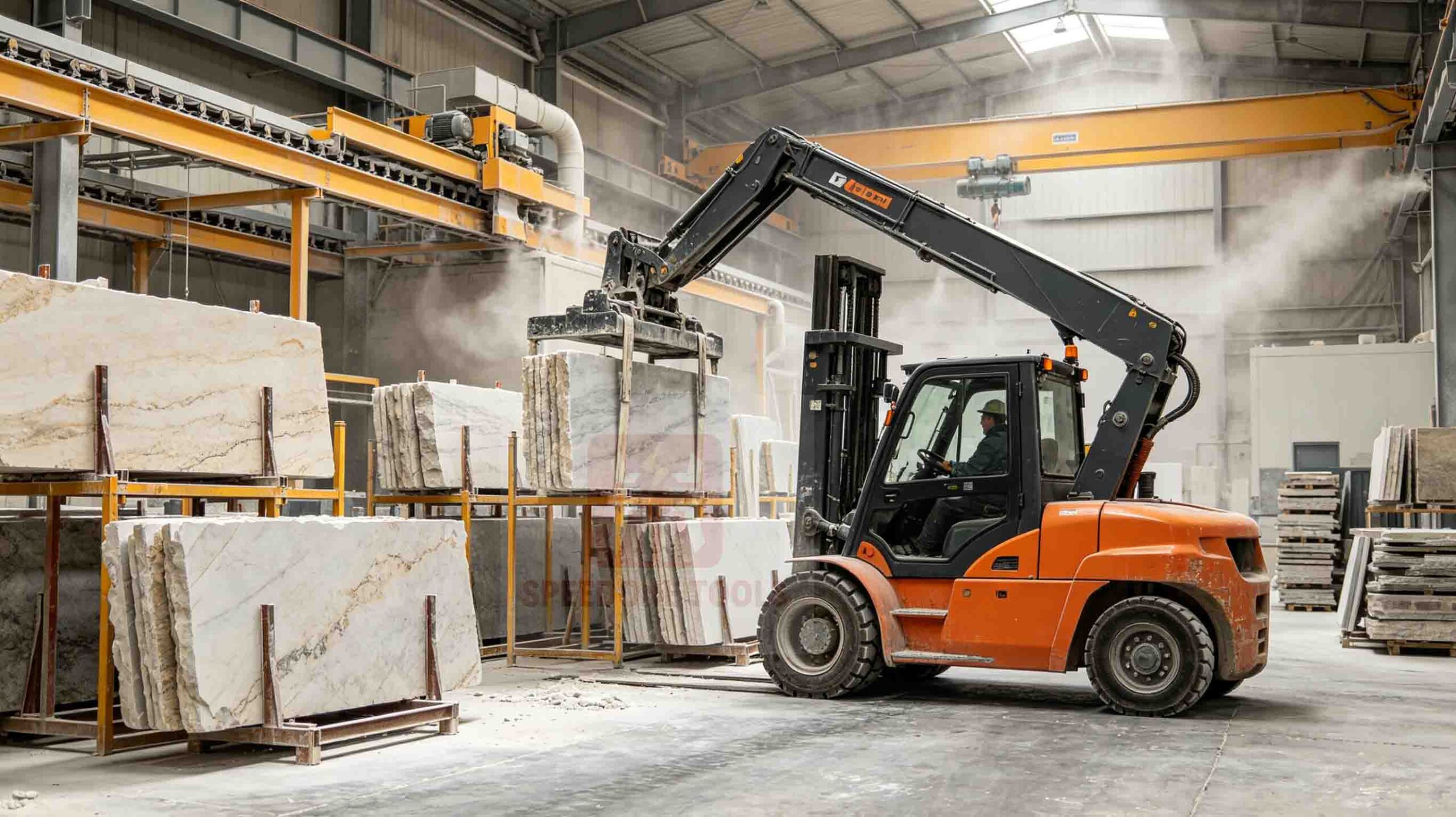
For decades, European manufacturers have been recognized for producing premium stone processing equipment, while Chinese manufacturers have become global leaders in cost-effective and highly customizable machinery. As international buyers evaluate new investments, one common question continues to arise: Which option delivers better value?
Diese stone equipment comparison explores the differences between Chinese and European manufacturers, helping distributors, fabricators, and factory owners determine which solution best fits their production requirements. Rather than focusing solely on purchase price, buyers should evaluate overall performance, customization capabilities, maintenance requirements, and long-term return on investment.
How the Global Stone Equipment Market Has Changed
Twenty years ago, European machinery dominated many high-end stone processing facilities. Today, however, China’s manufacturing industry has rapidly evolved. Modern production technologies, improved quality management systems, and expanded export experience have enabled many Chinese suppliers to compete directly with established European brands.
At the same time, buyers have become more focused on operational efficiency instead of simply purchasing the most expensive equipment available. Factors such as production flexibility, delivery speed, maintenance costs, and customization are now major purchasing considerations.
China vs Europe: Key Comparison Factors
| Comparison Item | China Machinery | European Machinery |
|---|---|---|
| Purchase Cost | Competitive | Higher investment |
| Personalisierung | Ausgezeichnet | Mäßig |
| Lead Time | Usually shorter | Longer |
| Engineering Support | Highly flexible | Standardized |
| Technology Level | Rapidly improving | Industry-leading |
| ROI | Very strong | Depends on production scale |
Manufacturing Quality: The Gap Is Narrowing
Many buyers still associate European machinery with superior quality. While Europe continues to lead in certain high-precision processing technologies, today’s leading Chinese manufacturers have significantly improved their manufacturing standards through advanced CNC machining, robotic welding, laser cutting, and ISO-certified production systems.
For products such as slab racks, transport carts, forklift attachments, lifting devices, and warehouse handling equipment, the quality gap between reputable Chinese and European manufacturers has become much smaller than it was a decade ago.
Customization: China’s Biggest Advantage
One of the strongest advantages of Chinese manufacturers is customization. Many factories are willing to modify dimensions, load capacities, wheel configurations, finishes, branding, and structural designs based on customer requirements.
This flexibility is particularly valuable for companies operating unique production layouts or specialized stone handling processes.
For example, customized
can be engineered to maximize warehouse space while improving worker safety.
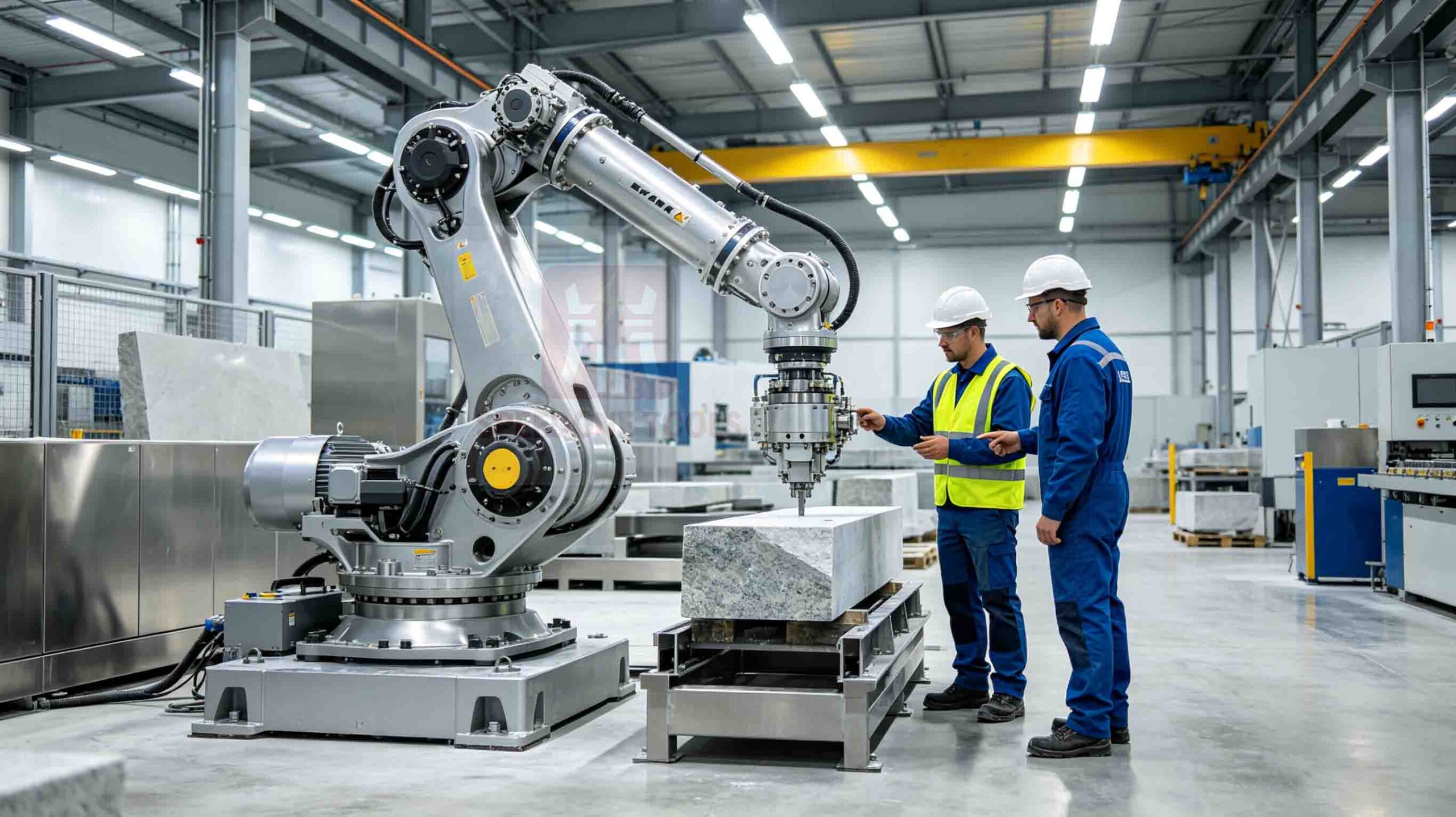
Engineering Innovation Continues to Improve
Chinese manufacturers are investing heavily in product development and engineering improvements. Instead of simply copying existing designs, many suppliers now introduce original innovations that address practical challenges faced by modern stone factories.
This can be seen in the evolution of
which now incorporate higher load capacities, modular configurations, and improved protective features for stone storage.
Forklift Attachments: A Practical Example
Forklift lifting equipment provides an excellent example of how Chinese manufacturers compete globally. These products require high structural strength, reliable welding quality, and practical engineering.
Many international buyers compare Chinese forklift attachments with European alternatives because they offer similar functionality at significantly lower acquisition costs.
Understanding the
major components of forklift lifting equipment
helps buyers evaluate product quality beyond appearance alone.
Total Cost of Ownership Matters More Than Purchase Price
The initial purchase price is only one part of the investment decision. Buyers should also consider maintenance costs, spare parts availability, equipment lifespan, operator training, and future upgrades.
A lower-priced machine that delivers reliable long-term performance may ultimately generate a higher return on investment than a more expensive alternative with limited customization options.
Compliance With Global Standards
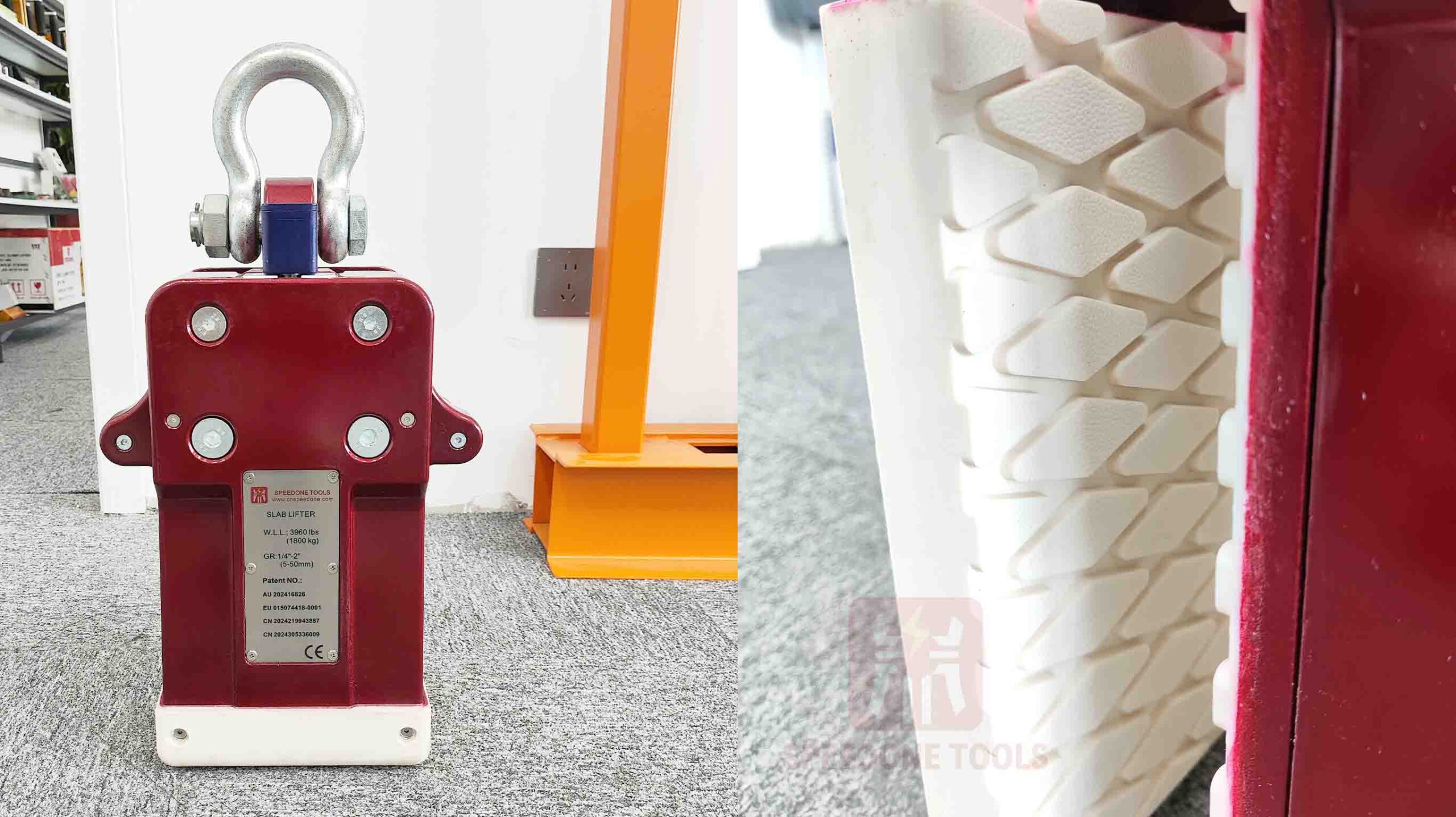
International buyers increasingly require machinery that complies with CE requirements and other regional safety standards. Many Chinese manufacturers now design equipment specifically for export markets and maintain comprehensive quality management systems to meet global compliance expectations.
Industry developments discussed in
global compliance and market trends
demonstrate how export-oriented manufacturers continue improving safety, documentation, and certification.
Delivery Time and Production Flexibility
Lead time is another important factor in any stone equipment comparison. European manufacturers often have longer production schedules due to high order volumes and standardized manufacturing processes. In contrast, many Chinese factories maintain flexible production lines capable of accommodating custom orders with shorter delivery cycles.
This flexibility is especially valuable for distributors and contractors working on time-sensitive projects where delayed equipment deliveries can impact installation schedules and project profitability.
Innovation Is No Longer Limited to Europe
European manufacturers continue to lead in advanced automation and precision CNC technology. However, Chinese suppliers are rapidly narrowing the innovation gap by investing heavily in research and development, automated production, and digital manufacturing.
Products such as forklift lifting attachments demonstrate this progress. Buyers seeking cost-effective lifting solutions often evaluate
the advantages and disadvantages of forklift booms
before making purchasing decisions.
For many factories that do not require expensive overhead crane systems, forklift boom attachments provide an efficient alternative.
Similarly,
can significantly reduce equipment investment while improving material handling flexibility.
Which Buyers Benefit Most from Chinese Equipment?
Chinese equipment is particularly well suited for:
- Stone fabricators expanding production capacity
- Distributors seeking OEM customization
- Growing factories with limited capital budgets
- Exporters requiring application-specific equipment
- Companies needing flexible engineering support
The ability to customize machinery for specific production environments often provides substantial operational advantages over standardized equipment.
When European Equipment May Be the Better Choice
European machinery remains an excellent option for businesses that require:
- Ultra-high precision processing equipment
- Fully automated production lines
- Long-established premium brands
- Specialized CNC machining centers
- Highly standardized manufacturing systems
For these applications, higher initial investment may be justified by specialized production requirements.
Making the Right Purchasing Decision
Rather than asking whether Chinese or European machinery is universally better, buyers should evaluate which supplier best matches their production goals.
- What materials will be processed?
- What level of customization is required?
- How important are delivery times?
- Is future expansion planned?
- What is the available investment budget?
- How important is local engineering support?
Answering these questions provides a much clearer purchasing strategy than focusing solely on equipment origin.
Final Thoughts
Expertenkommentar und Analyse:
Modern stone equipment comparison is no longer a simple debate between China and Europe. European manufacturers continue to excel in high-end automation, while leading Chinese manufacturers deliver exceptional value through customization, competitive pricing, rapid production, and continuous innovation. The best investment depends on operational requirements rather than country of origin alone.
FAQs
1. Is Chinese stone equipment reliable?
Yes. Many leading Chinese manufacturers produce reliable stone equipment using advanced manufacturing technologies and internationally recognized quality management systems.
2. Why is Chinese machinery usually less expensive?
Competitive manufacturing costs, efficient supply chains, and large-scale production allow Chinese manufacturers to offer lower prices while maintaining high product quality.
3. When should buyers choose European machinery?
European equipment is often preferred for ultra-high precision processing, advanced automation, and premium CNC production systems.
4. Does Chinese equipment support OEM customization?
Yes. One of the biggest advantages of Chinese manufacturers is their ability to provide customized machinery designed around specific customer requirements.
5. Which offers better value, China or Europe?
For many material handling and logistics applications, Chinese equipment delivers outstanding value through competitive pricing, flexible customization, and shorter delivery times. The best choice depends on the buyer’s production needs and investment goals.

Henry
Hallo, ich bin der Autor dieses Beitrags, und ich habe in diesem Bereich für mehr als 16 Jahre gewesen. Wenn Sie OEM & ODM-Service für Steinwerkzeuge benötigen, zögern Sie nicht, mir irgendwelche Fragen zu stellen.