בצע את העבודה שלך ביעילות!





שיש, גרניט, ו quartz stone slabs are popular building materials, extensively used in flooring, wall cladding, countertops, and various decorative projects. These materials are not only durable and visually appealing but also heavy and fragile, requiring special handling during transportation ו storage to ensure the slabs remain intact. This guide provides best practices and practical solutions for transporting and storing stone slabs safely and efficiently.
1. Slab Transportation Preparation: Essential Packaging and Handling
אריזה
Proper stone slab packaging is essential to prevent damage during transportation. Here are some commonly used methods for packaging marble, granite, and quartz slabs:
- Wooden Crates or Frames: Each slab is securely wrapped in a wooden crate או frame, which provides physical protection and prevents contact with external objects, reducing the risk of breakage.
- Bubble Wrap or Foam: Applying a layer of bubble wrap או foam padding over the slabs helps absorb external shocks and impacts, minimizing the chances of chips and scratches during transit.
- Baseboards and Support Frames: To maintain the stability of the slabs while in transit, baseboards או support frames are used to fix the slabs in place, preventing them from shifting or becoming unstable.

Labeling
Clear and visible product labels are essential for easy identification. Each slab should have a label with information such as the product type, dimensions, ו production date to facilitate proper handling during unloading.
2. Key Considerations During Slab Transportation
Marble, granite, and quartz slabs require special handling during transportation. Below are essential considerations to ensure safe delivery:
-
Choosing the Right Transportation Tools
Due to their heavy weight, flatbed trucks, forklifts, ו cranes are commonly used for slab transportation. Selecting the right transportation tool is essential to ensure a smooth and safe transit process. -
Proper Securing
ה securement of slabs during transportation is crucial to prevent shifting or tilting. Professional ropes, cradles, ו supports are often used to keep the slabs stationary. Special attention should be given to avoid excessive pressure or impact that can lead to cracks, especially in מארבל ו granite slabs. -
Weather Factors
Avoid transporting slabs during rainy או snowy weather. Moisture can affect the appearance of marble and granite, causing surface crystallization. Although quartz slabs are less affected by moisture, prolonged exposure to extreme weather conditions can still lead to surface damage.


3. Stone Slab Storage Considerations: Best Practices
Once slabs reach their destination, proper storage is just as important as transportation. A well-organized storage solution prevents environmental factors from causing damage to the slabs. Here are key tips for storing marble, granite, and quartz slabs:
Storage Environment Requirements
-
Dry and Ventilated Storage Areas: The storage environment should be kept dry ו well-ventilated to avoid moisture buildup, which can damage the slabs over time. Excessive humidity can cause mildew ו delamination in marble and granite.
-
Avoid Direct Sunlight Exposure: Long-term exposure to direct sunlight can cause discoloration ו deformation, especially in quartz slabs. Therefore, storage areas should be shaded and protected from direct sunlight.

Marble Granite Quartz stone slab storage rack
Proper Slab Stacking
-
Stacking Height: The height of slab stacks should generally not exceed 3 meters to avoid pressure cracking. High stacks increase the risk of damage from weight overload.
-
Spacing: Maintain proper spacing between slabs to prevent collisions. Using soft pads, wooden pallets, or supports to keep the slabs stable and safe is highly recommended.
-
Ground Contact: Slabs should never be placed directly on the floor. Using wooden boards או מדפים to keep slabs off the ground prevents moisture absorption and contamination.
Regular Inspections
Regular inspections of stored slabs ensure no damage such as cracks, deformations, or defects caused by improper stacking, handling, or environmental conditions.
4. Advanced Transportation and Storage Solutions for Slabs
To enhance the safety and efficiency of slab transportation and storage, many companies are adopting advanced solutions such as temperature and humidity control systems and smart tracking technologies:
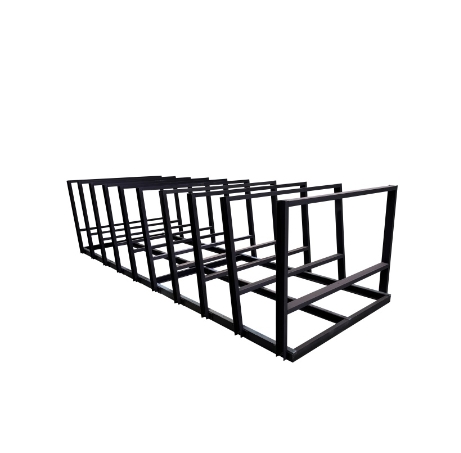
מדף קוורץ נשלף לאחסון וטיפול יעיל בתעשיית האבן
-
Temperature and Humidity Control Systems
Advanced storage facilities use temperature ו humidity monitoring systems to maintain ideal storage conditions for marble, granite, and quartz slabs. These systems ensure that the slabs remain in optimal conditions throughout their storage period. -
Smart Tracking Technology
RFID tags או barcodes allow for real-time tracking of each slab during transportation. This ensures accurate monitoring of each slab’s location and condition, reducing the risk of loss or damage.
5. Professional Slab Transportation Solutions: Maximizing Efficiency and Safety
In addition to traditional methods, modern logistics solutions are now being utilized to optimize the entire slab transportation process:
-
Real-time Monitoring
Real-time tracking of slabs ensures that they are not exposed to unfavorable conditions during transit. This enables quick action if delays or issues arise. -
Automated Handling
The use of automated cranes, lifting systems, ו robotic equipment reduces human error during the loading ו unloading processes, improving overall safety and efficiency. -
Integrated Logistics Management
An integrated logistics management system coordinates the entire transportation process, from order placement to final delivery. This system can also connect with inventory management platforms, optimizing routes and ensuring timely deliveries.
Conclusion: Efficient Slab Transportation and Storage
The transportation and storage of marble, granite, and quartz slabs is a multifaceted process, requiring careful planning and execution at each stage. By implementing effective packaging, selecting appropriate transportation tools, utilizing optimal storage solutions, and integrating modern logistics systems, businesses can significantly reduce the risk of slab damage, maintaining their quality and ensuring smooth future use.

הנרי
היי, אני מחבר הפוסט הזה, ואני עוסק בתחום זה כבר יותר מ-16 שנים. אם אתם זקוקים לשירות OEM&ODM עבור כלי אבן, אל תהססו לשאול אותי כל שאלה.