효율적으로 업무를 완료하세요!





Modern stone factories generate significant waste during production. Discover how professional stone waste management and stone recycling systems improve safety, efficiency, sustainability, and profitability.
Stone waste management has become a critical challenge for modern stone factories. Effective waste collection, transportation, and recycling systems help reduce disposal costs, improve workplace safety, and support sustainable manufacturing practices. This comprehensive guide explores waste handling strategies, recycling technologies, operational efficiency improvements, and the role of specialized equipment in creating sustainable and profitable stone processing operations.
Stone Waste Management Solutions for Modern Factories
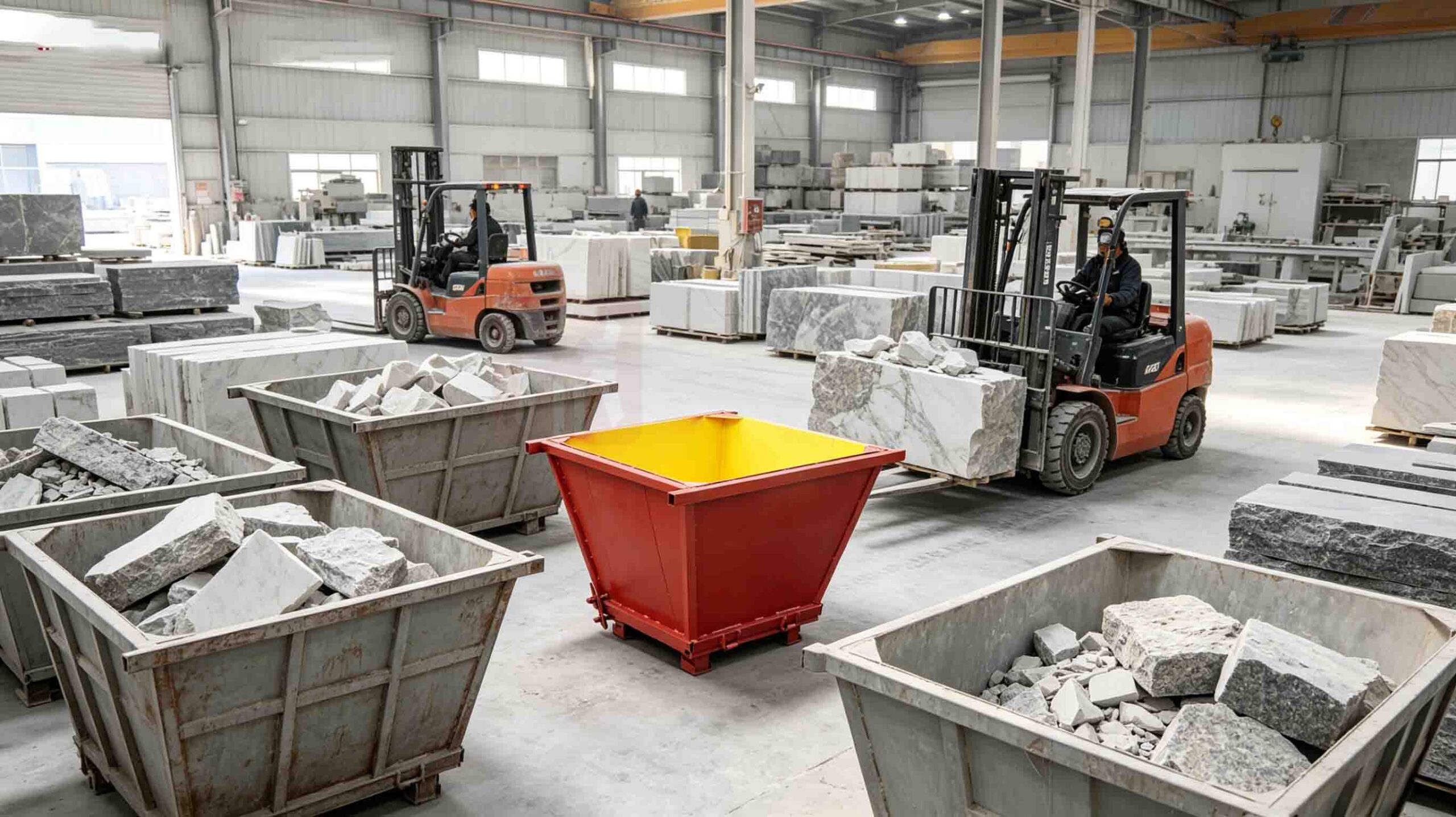
Gravel transportation
Stone processing facilities generate substantial amounts of waste throughout daily operations. Granite offcuts, marble remnants, engineered stone scraps, polishing dust, slurry, damaged slabs, and packaging materials can accumulate rapidly if not properly managed.
Historically, many factories treated waste management as a secondary concern. However, increasing environmental regulations, rising disposal fees, labor shortages, and growing sustainability expectations have transformed stone waste management into a strategic business priority.
Today, leading manufacturers recognize that an effective stone recycling system not only reduces environmental impact but also improves factory efficiency, worker safety, and long-term profitability.
Why Stone Waste Management Matters More Than Ever
Waste handling directly affects every aspect of factory operations. When waste materials accumulate in production zones, they occupy valuable floor space, create safety hazards, and disrupt workflow efficiency.
In modern stone fabrication facilities, efficient waste management supports:
- Improved workplace safety
- Reduced disposal expenses
- Higher operational efficiency
- Better environmental compliance
- Enhanced sustainability performance
- Improved factory organization
- Higher equipment productivity
Rather than viewing waste as an unavoidable cost, successful factories increasingly view waste management as a controllable process that contributes to operational excellence.
Common Types of Stone Factory Waste
| Waste Type | 출처 | Management Method |
|---|---|---|
| Stone Offcuts | Cutting Operations | Recycling or resale |
| Broken Slabs | Handling Damage | Material recovery |
| Stone Dust | Grinding & Polishing | Collection systems |
| Slurry Waste | Wet Processing | Filtration and recycling |
| Packaging Waste | Shipping Operations | Recycling programs |
The Hidden Costs of Poor Waste Management
Safety Risks
Loose stone debris, broken fragments, and accumulated dust increase slip hazards and workplace accidents. Poorly organized waste zones also increase the risk of forklift collisions and equipment damage.
Productivity Losses
Operators spend valuable time navigating around waste piles, moving unnecessary materials, and cleaning production areas. These inefficiencies reduce throughput and increase labor costs.
Higher Disposal Expenses
Without a structured recycling strategy, factories send valuable recoverable materials directly to landfill facilities, increasing transportation and disposal fees.
Regulatory Challenges
Environmental agencies worldwide are tightening regulations on industrial waste disposal, slurry management, and dust emissions. Non-compliance can result in fines and operational disruptions.
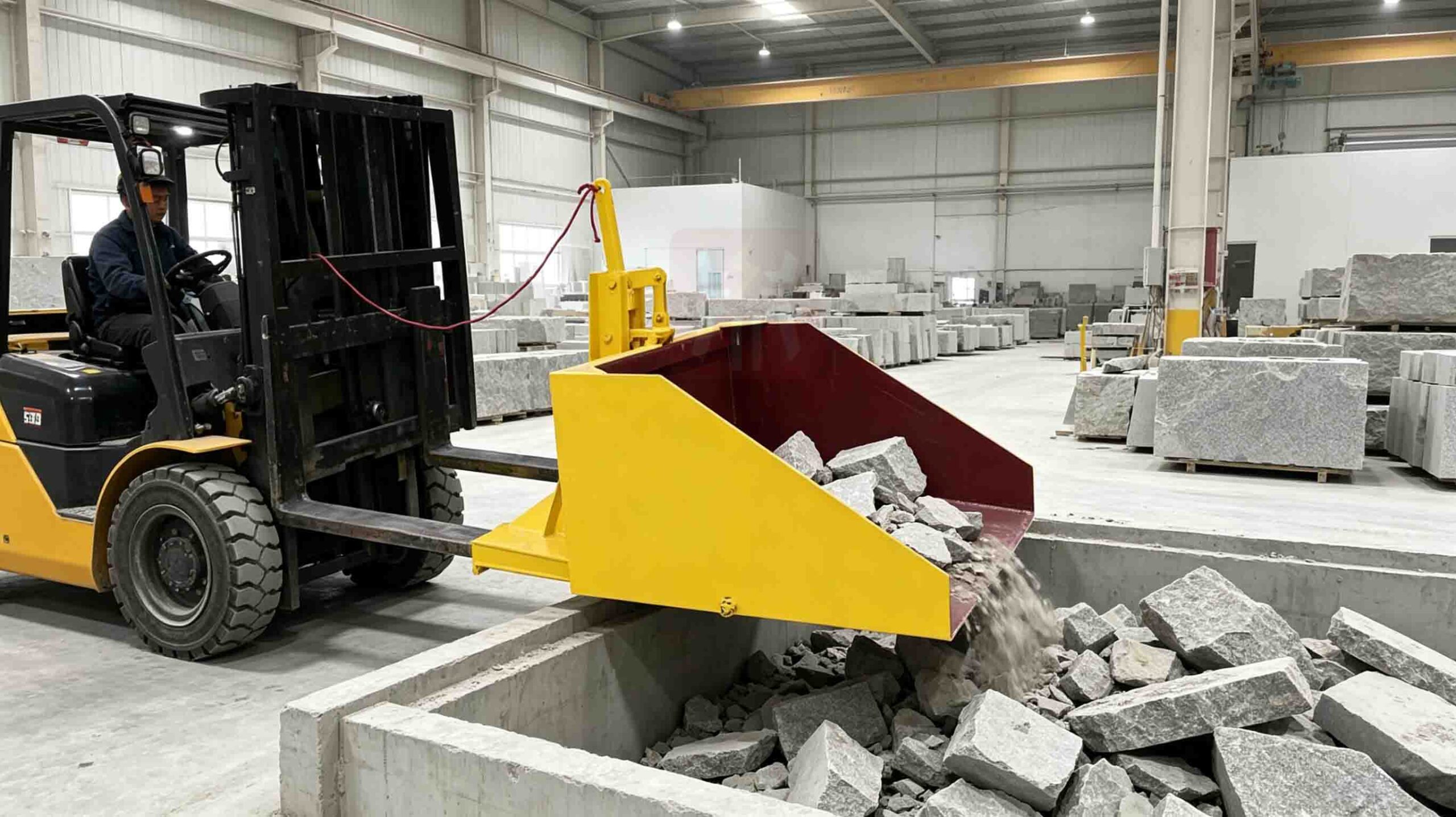
Product Application Demonstration
Building an Effective Stone Recycling System
A successful recycling system begins with source segregation. Waste streams should be separated immediately at the point of generation rather than mixed together.
- Dedicated waste collection zones
- Clearly labeled containers
- Regular removal schedules
- Employee training programs
- Recycling partnerships
- Performance monitoring systems
Factories that implement structured waste flow systems often achieve significantly higher recovery rates and lower waste handling costs.
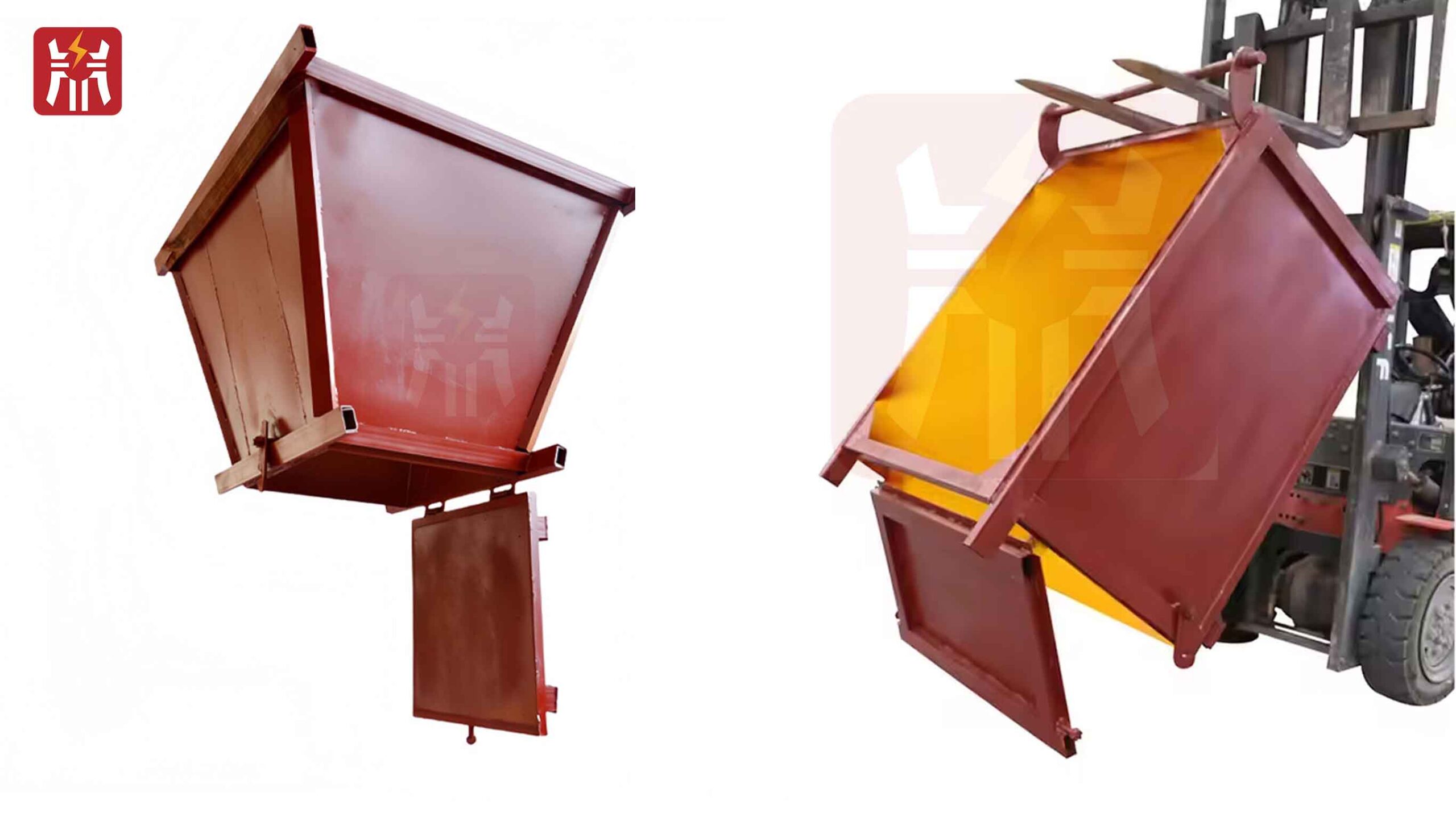
forklift dump box
Dumpster Bins: The Foundation of Organized Waste Collection
Industrial dumpster bins provide centralized collection points for production waste. They reduce clutter, improve housekeeping, and simplify material transportation throughout the facility.
By strategically placing dumpster bins near production zones, factories minimize unnecessary movement and improve workflow organization.
Forklift Buckets Improve Waste Transportation Efficiency
Once waste is collected, transportation becomes the next critical step. Forklift buckets allow operators to move heavy stone debris quickly and safely without relying on manual labor.
Modern forklift bucket attachments improve waste handling productivity while reducing worker fatigue and transportation time.
Waste Handling Equipment Comparison
| Equipment | Primary Function | 장점 | 베스트 애플리케이션 |
|---|---|---|---|
| Dumpster Bin | Waste Collection | Centralized organization | Production areas |
| 지게차 버킷 | Waste Transportation | Fast material movement | Large facilities |
| Recycling Container | Material Sorting | Improved recovery rates | Recycling programs |
How Smart Waste Management Improves Profitability
Contrary to popular belief, waste management is not simply a cost center. Efficient waste handling systems reduce labor hours, minimize downtime, and improve equipment utilization.
Additionally, recycling valuable stone remnants creates opportunities for resale, secondary product manufacturing, and raw material recovery.
Estimated Return on Investment
| Improvement Area | Potential Savings |
|---|---|
| Reduced Labor Hours | 15%–30% |
| Lower Disposal Costs | 10%–25% |
| Reduced Downtime | 10%–20% |
| Improved Material Recovery | 20%–40% |
Environmental Sustainability Benefits
Modern waste management systems contribute directly to environmental sustainability goals by reducing landfill dependency, lowering emissions, and increasing material recovery rates.
- Reduced landfill waste
- Lower transportation emissions
- Higher recycling rates
- Improved ESG performance
- Better regulatory compliance
Future Trends in Stone Waste Management
The future of waste management will increasingly involve automation, digital monitoring, AI-driven waste analysis, and circular economy strategies.
Factories that invest early in modern waste infrastructure will be better positioned to meet future environmental requirements while maintaining competitive operating costs.
How to Choose the Right Waste Management Equipment
- Evaluate waste volume generation
- Analyze facility layout
- Assess forklift compatibility
- Review recycling opportunities
- Calculate ROI potential
- Consider environmental requirements
- Plan for future production growth
최종 참고 사항 / 실용적인 팁
Stone waste management is no longer just an environmental responsibility—it is a strategic operational investment. Factories that implement structured collection systems, efficient transportation equipment, and comprehensive recycling programs consistently achieve lower operating costs, improved safety performance, higher productivity, and stronger sustainability outcomes. In an increasingly competitive manufacturing environment, modern waste management systems have become a critical component of long-term business success.
자주 묻는 질문
1. What is stone waste management?
Stone waste management refers to the collection, transportation, recycling, and disposal of waste generated during stone processing operations.
2. Why is stone waste management important?
It improves workplace safety, reduces disposal costs, increases efficiency, and supports environmental sustainability.
3. What is a stone recycling system?
A stone recycling system is a structured process that recovers and reuses stone waste materials instead of sending them to landfills.
4. How can factories transport stone waste efficiently?
Many factories use dumpster bins, forklift buckets, and specialized waste containers to improve waste transportation efficiency.
5. Can waste management improve profitability?
Yes. Organized waste handling reduces labor costs, minimizes downtime, and improves overall operational performance.
참조
- Natural Stone Institute (NSI). Best Practices for Stone Processing and Waste Reduction.
- Occupational Safety and Health Administration (OSHA). Material Handling and Industrial Waste Safety Guidelines.
- Environmental Protection Agency (EPA). Industrial Waste Management Planning and Compliance Framework.
- International Organization for Standardization (ISO 14001). Environmental Management Systems Requirements.
- Stone World Magazine. Trends in Stone Recycling and Sustainable Manufacturing.

Henry
안녕하세요, 저는 이 게시물의 작성자로 16년 이상 이 분야에 종사하고 있습니다. 석재 도구에 대한 OEM 및 ODM 서비스가 필요한 경우 언제든지 저에게 질문하십시오.