Get Your Work Done Efficiently !





Design a safe and efficient Slab Rack layout for your factory. Learn aisle widths, zoning, materials, CE-ready features, and real case tips from cnspeedone to boost storage density, durability, and workflow safety.
A Real Discussion Between Safety and Productivity
Lucas (Factory Manager): “We need to increase slab capacity, but our aisles already feel tight. The forklift drivers complain about turning space.”
Elena (Safety Consultant): “You’re not alone. Many factories push capacity before analyzing slab weight distribution and forklift radius. A smarter layout can actually increase storage and improve safety at the same time.”
Lucas: “So the answer isn’t just buying more racks?”
Elena: “Exactly. It’s designing your slab rack system—post spacing, aisle width, and access routes—with both safety and flow in mind.”
Lucas: “I like that. Efficiency built on safety.”
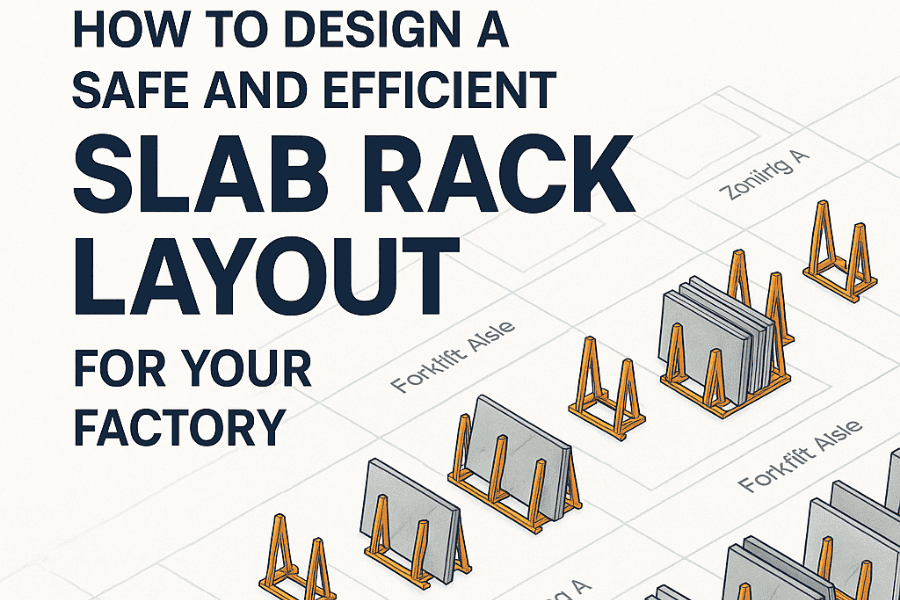
Slab Rack
Why Slab Rack Layout Design Matters
A factory’s slab rack layout isn’t just a “warehouse decision”—it defines how your entire production floor operates. Poor layout causes:
Higher breakage rates due to tight maneuvering.
Traffic conflicts between forklifts and workers.
Uneven load distribution leading to slab leaning or tipping.
Slower material handling cycles and wasted time.
A well-designed layout can:
Increase usable floor area by 25–40%.
Improve slab access speed by 30%.
Reduce accident risk by 50% (based on MHI Warehouse Safety Report, 2023).
Material and Craftsmanship — The Foundation of a Reliable Slab Rack
A slab rack’s design only performs as well as its material and manufacturing integrity. cnspeedone’s slab racks are built using a structural engineering approach—balancing strength, flexibility, and long-term corrosion resistance.
Materials That Define Longevity
-
Steel Grade: Q235 or Q345 structural carbon steel ensures stable load-bearing strength up to 10 tons per rack.
-
Surface Treatment:
-
Hot-Dip Galvanized for outdoor yards or export environments.
-
Powder-Coated Finish for indoor factories and showrooms.
-
-
Protective Components: EVA or rubber sleeves on posts prevent edge chipping and micro-vibration damage during slab movement.
Production Process That Ensures Consistency
-
Laser Cutting & Robotic Welding: Guarantees precise geometry and full-penetration welds.
-
QC Traceability System: Each frame includes serial codes linked to inspection records.
-
Anchoring & Forklift Channels: Engineered into the base for stability and easy mobility.
-
Load Tests & Deflection Checks: Verified against CE and ISO structural standards.
Key Principles for Designing a Safe Slab Rack Layout
1. Start with Flow Mapping
Understand how slabs move through your factory—from unloading → storage → cutting → finishing → packaging. Each zone requires different access widths and storage density.
-
Use U-shaped or linear flow depending on the facility size.
-
Keep receiving and dispatch zones separated to avoid cross-traffic.
2. Calculate Optimal Aisle Width
| Equipment Type | Recommended Aisle Width | Turning Radius |
|---|---|---|
| Manual pallet jack | 1.2 – 1.5 m | 1.8 m |
| Small forklift | 1.5 – 2.0 m | 2.4 m |
| Large forklift | 2.2 – 2.8 m | 3.0 m |
| Bridge crane | >3.0 m clearance | N/A |
3. Use Zoning by Material Type
Separate areas by material category or slab thickness:
-
Quartz/Granite → heavy-duty galvanized racks
-
Marble → powder-coated racks for surface care
-
Porcelain/Sintered Stone → adjustable post racks
4. Plan for Visibility and Line of Sight
Ensure operators have clear paths and mirror placement at intersections. Add color-coded rack bases (yellow/red zones) to improve awareness.
Expert Insights and Industry Trends
“Factories that adopt structured rack layouts see measurable gains in throughput and safety. The key is combining engineering logic with on-site training.”
— John Peterson, Stone Industry Consultant, 2024
“European buyers increasingly demand CE documentation not just for export racks, but for layout drawings that demonstrate compliance.”
— Sarah Lin, ArchDaily Logistics Insights, 2023
Industry Data
-
Global stone warehousing market to reach USD 2.5B by 2026, with 7.8% CAGR (Global Construction Review, 2024).
-
Facilities with organized slab zoning report 35% fewer material handling incidents (OSHA Industrial Safety Report, 2023).
-
CE-certified racks are 40% more likely to pass third-party safety audits (CEN Compliance Report, 2024).
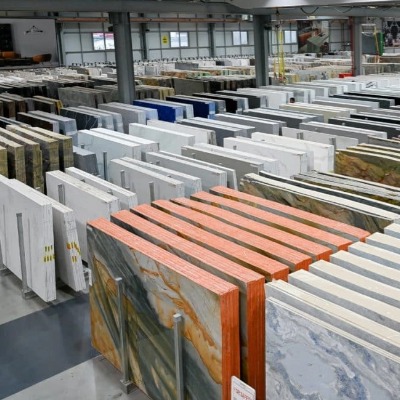
stone Slab Rack for Efficient Stone Industry Storage and Handling
Real-World Layout Examples (Case Studies)
Case 1 – Foshan, China
Challenge: Overcrowded aisles and random slab stacking.
Solution: Introduced zoned cnspeedone slab racks with forklift lanes.
Result: +32% storage density, -20% slab breakage, +18% picking efficiency.
Case 2 – Dubai, UAE
Challenge: Mixed materials with variable slab thickness.
Solution: Installed adjustable-post powder-coated racks.
Result: Safer handling, uniform visual presentation, increased client trust.
Case 3 – Turkey Export Hub
Challenge: Rust and weather-related wear on outdoor racks.
Solution: Switched to galvanized slab racks by cnspeedone.
Result: Maintenance intervals extended 2x, improved audit ratings.
Scientific Evidence and Data
Forklift Safety Study (NIOSH, 2023): Proper aisle spacing and load labeling reduce near-miss accidents by 42%.
Structural Engineering Research (CEN/ISO, 2024): Racks with base anchoring show 28% less deflection under full load.
Ergonomic Study (OSHA, 2023): Vertical slab storage lowers strain and back injuries by 31% compared to horizontal stacking.
User Feedback and Operational Experience
“After implementing the new rack layout, our forklift lanes became safer and faster—no bottlenecks anymore.” — Fabricator, Italy
“We used cnspeedone’s modular slab racks to separate materials by weight. That simple change reduced breakage and improved traceability.” — Warehouse Manager, Vietnam
“Galvanized racks stood up to salt-air corrosion for years with minimal repainting.” — Export Yard Supervisor, Brazil
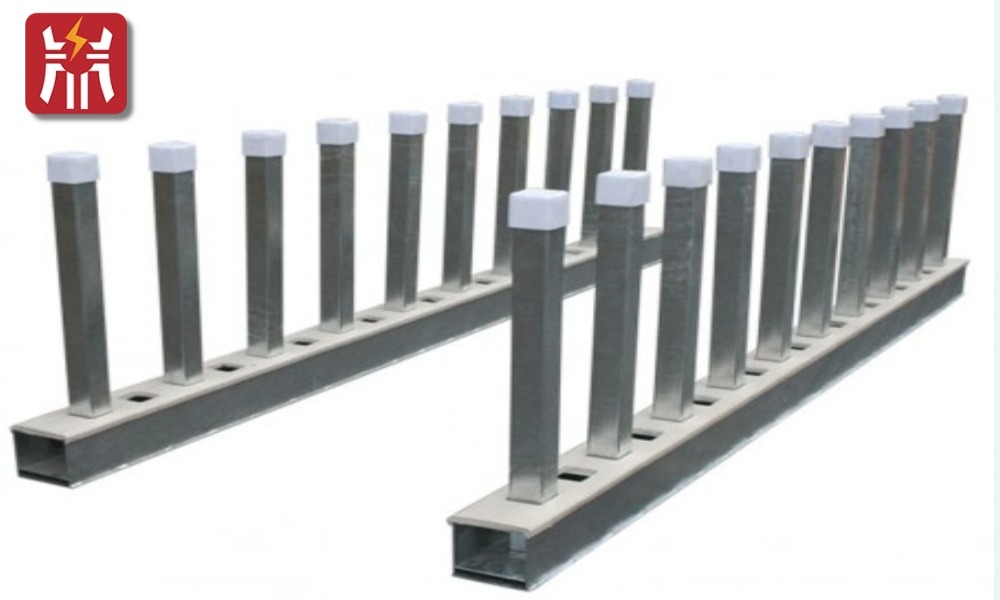
Slab Rack
FAQs
What is the best layout for small slab warehouses?
A U-shaped layout with narrow aisles and forklift access on both ends maximizes flow efficiency.
How do I calculate slab rack capacity?
Multiply average slab weight × number of slots per side × safety factor (1.3–1.5 for CE compliance).
What coating lasts longer—galvanized or powder-coated?
Galvanized for outdoor; powder-coated for clean indoor applications.
Should I anchor my slab racks?
Yes. Anchoring improves stability and prevents shifting on uneven floors.
Does cnspeedone provide layout design support?
Yes. cnspeedone offers free layout consultation for slab rack planning and installation.
References
-
Peterson, John. “Warehouse Layout and Stone Handling Efficiency.” Stone World Magazine, 2023.
-
Lin, Sarah. “Modern Stone Logistics: Layout Design.” ArchDaily, 2024.
-
NIOSH. “Forklift Safety in Industrial Yards.”
-
OSHA. “Warehouse Safety Guidelines.”
-
CEN/ISO. “Structural Testing of Material Racks.”
-
Material Handling Institute. “Warehouse Optimization Data Report.” 2023.
-
Global Construction Review. “Stone Handling Equipment Market Report 2024.”
-
Dezeen. “Showroom Display and Space Utilization.” 2023.
-
HSE UK. “Storage and Safety in Fabrication Sites.”
-
cnspeedone. “Slab Rack Systems and Factory Layout Solutions.” https://cnspeedone.com/
Logistics analyst Sarah Lin adds, “CE-oriented labeling, anchoring points, and pad protection translate engineering into daily safety.” Our takeaway is clear: use zoning by material, calculate aisle widths from your largest turn radius, and pair galvanized racks outdoors with powder-coated racks indoors.Add monthly inspections and clear SWL labels to make safety visible. When these elements work together, factories see faster picking, lower breakage, and better audit outcomes.

Henry
Hi, I’m the author of this post, and I have been in this field for more than 16 years. If you need OEM&ODM service for stone tools, feel free to ask me any questions.