Get Your Work Done Efficiently !





The Fabrication Table Revolution: Why Your Workshop’s Centerpiece is Costing You Money
Quick Summary
This article reveals how traditional workshop worktables serve as hidden bottlenecks and concealed cost sinks. By analyzing five major flaws of homemade or simple tables—instability, poor ergonomics, inadequate clamping/fixturing, inefficient material flow, and a lack of integration—the article demonstrates how they directly lead to precision loss, worker fatigue, and project delays. It then details how a professional Fabrication Table, such as SPEEDONE’s solution, functions as an integrated system. Features like adjustable height, modular surfaces (T-slots/dog holes), and seamless integration with equipment like A-Frame Carts and Self-Locking Trolleys revolutionize the workflow. A case study within the article shows that after upgrading, glue-up manpower was reduced by 50%, seam misalignment rejection rates dropped by over 85%, while significantly enhancing operational safety and comfort. The final argument establishes that investing in a professional Fabrication Table is not merely buying furniture; it is laying the foundation for the entire workshop’s precision, efficiency, and employee well-being.
Watch the video to see how a professional Fabrication Table revolutionizes workshop efficiency and precision. SPEEDONE offers a one-stop solution for stone handling equipment. Visit YouTube to watch now.
 |
 |
(Walk into any fabrication shop, and look at the heart of the operation.) Chances are, you’ll see a large, flat surface where slabs are marked, glued, polished, and assembled. For many, this is a homemade plywood table, an old saw table repurposed, or a basic metal frame. It’s “good enough.” But what if this central, defining piece of your workspace is the silent anchor dragging down your precision, efficiency, and ergonomics? The fabrication table—or workbench—is not merely a surface; it is the foundational platform upon which quality and speed are built. Settling for “good enough” here means compromising on every project that touches it.
Studies on workshop ergonomics show that improper working height and unstable surfaces can reduce worker productivity by up to 30% and increase fatigue-related errors significantly. A professional Fabrication Table, like those engineered by SPEEDONE, is designed to combat this. It transforms the chaotic, reactive space of a basic table into a controlled, efficient workstation. This article will expose the hidden costs of an inadequate work surface and detail how a purpose-built fabrication table with features like adjustable height and integrated positioning is a direct investment in your shop’s output and your team’s well-being.
 |
 |
The Five Faults of the “Good Enough” Worktable
A non-specialized table might hold a slab, but it fails in every critical function required for precision fabrication:
-
The Instability Problem: Homemade tables can flex, twist, or vibrate. This movement translates directly into imprecise seam fitting, poor glue-up alignment, and inconsistent polishing results. Stability is non-negotiable.
-
The Ergonomics Crisis: A fixed-height table forces workers of different statures to bend uncomfortably, leading to chronic back pain, fatigue, and reduced focus over long shifts. Adjustability isn’t a luxury; it’s a health requirement.
-
The Clamping & Fixturing Nightmare: Without integrated T-slots, dog holes, or clamping rails, securing odd-shaped pieces becomes a frustrating puzzle of clamps, blocks, and prayers. This wastes immense time and often fails under pressure.
-
The Material Handling Bottleneck: Getting a slab onto and off of a basic table is awkward and risky. A proper fabrication table is designed to work in concert with material handling equipment, featuring compatible heights and clearances.
-
The Lack of Integration: It exists in isolation. A modern workstation should be part of a system, allowing tools, measuring devices, and material supports to be attached and reconfigured for different tasks.
The SPEEDONE Solution: A Workstation Engineered for the Task
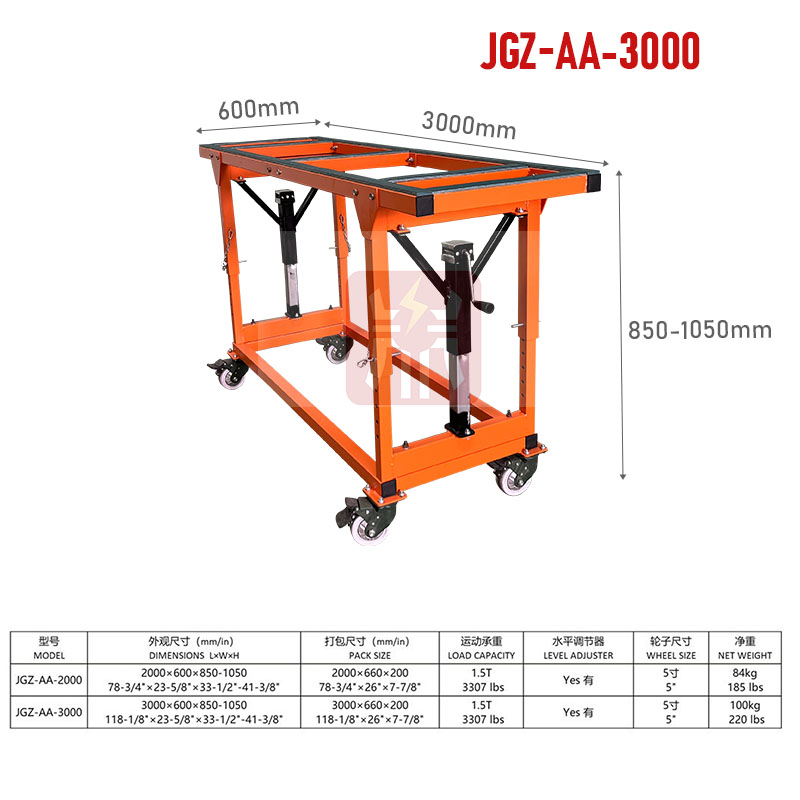
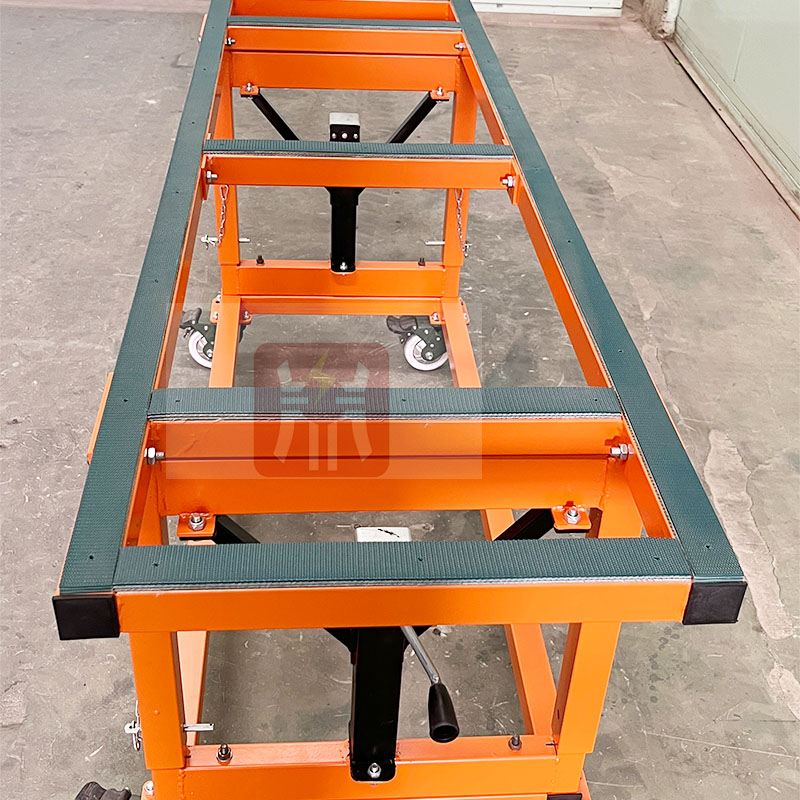
SPEEDONE’s approach, as seen in their catalog’s Countertop Fabrication Series, is to create a dedicated workstation. Take their Fabrication Table with Locating Posts (AA). This isn’t just a table; it’s a system. It features a massively stable frame, an adjustable-height mechanism (often hydraulic or mechanical), and a surface drilled with precision locating holes or equipped with T-slots. These integrated features allow for the rapid, repeatable setup of stops, fences, and clamps, turning a blank surface into a custom jig in minutes. This is the core of an efficient fabrication table.
The transformation was dramatic, as quantified in the data below:
| Key Metric | Before (Using Old Table) | After (Using SPEEDONE Table) | Improvement |
|---|---|---|---|
| Manpower Required | 4 Workers | 2 Workers | Reduced by 50% |
| Seam Rejection Rate | 15% | Below 2% | Reduced by >85% |
| Avg. Time for Complex Glue-Up | Baseline | Baseline | Reduced by 40% |
| Worker Fatigue Feedback | High (Physical & mental exhaustion) | Significantly Reduced (Adjustable height enabled comfortable posture) | Significantly Improved |
Building a Streamlined Process Around the Perfect Table
A professional fabrication table becomes the stable, intelligent hub of your workshop, connecting every other piece of equipment.
Stage 1: Effortless Material Intake
The process begins with moving a slab to the table. A robust A-Frame Metal Cart brings the slab vertically to the station. Because the fabrication table can often be lowered or has a compatible receiving edge, transferring the slab from cart to table is safer and more controlled, eliminating the dangerous “lift-and-drag” maneuver.
Stage 2: Secured, Precision Workholding
Once on the table, the slab needs to be immobilized for cutting templates, gluing seams, or polishing edges. This is where integrated features shine. Workers can use the table’s locating holes or slots to quickly set up adjustable stops. For moving and positioning the slab on the table itself, a Self-Locking Trolley can be used in tandem to nudge the piece into perfect alignment against the stops before locking it down. The table provides the framework; the trolley provides the micro-adjustment.
Stage 3: Seamless Repositioning & Finishing
For tasks like polishing all edges of a countertop, easy rotation is key. Pairing the fabrication table with a Universal Ball Transfer Table placed on top creates a magical combination. The heavy piece rests on the ball transfer surface, allowing a single worker to spin it effortlessly to access any side, while the main table underneath provides the rock-solid, height-adjustable support.
Stage 4: Organized Outflow to Next Stages
Finished or semi-finished pieces need to move on. A Foldable Stone Slab Trolley is perfect for collecting cut pieces or a finished countertop from the workstation. The fabrication table’s height can be adjusted to match the trolley bed, creating a gentle, ramp-free transfer that protects edges and reduces strain.
Case Study: From Chaotic Glue-Ups to Predictable Flow
A shop specializing in complex multi-seam countertops was struggling. Their glue-up process was infamous: four workers struggling to hold heavy pieces in alignment on a wobbly table, leading to high reject rates and overtime. They invested in a SPEEDONE adjustable Fabrication Table with a locating grid.
The transformation was dramatic:
-
Glue-up manpower was reduced from 4 to 2 workers. The table’s fixture system held everything in perfect alignment.
-
Seam rejection rate due to misalignment dropped from 15% to under 2%.
-
The average time for a complex glue-up decreased by 40%.
-
Workers reported dramatically less physical and mental fatigue at the end of the day. The adjustable height allowed them to work in a comfortable posture.
This proves that the right fabrication table doesn’t just hold things up—it holds your standards up and streamlines your most complex processes.
Frequently Asked Questions (FAQ)
Q1: I already have a solid steel table. Why do I need a specialized fabrication table?
A: Solid steel is heavy, but is it height-adjustable for ergonomics? Does it have a systematic way to mount clamps and fixtures anywhere on the surface? A purpose-built fabrication table offers integrated tooling solutions and ergonomic design that a plain table cannot, turning brute strength into intelligent functionality.
Q2: Are these tables only for large countertop shops?
A: Not at all. The principles of stability, ergonomics, and efficient workholding apply at any scale. Even a small shop doing a few countertops a week will benefit from reduced fatigue, fewer errors, and faster turnaround times. It’s about working smarter.
Q3: Can the surface be replaced if it gets damaged?
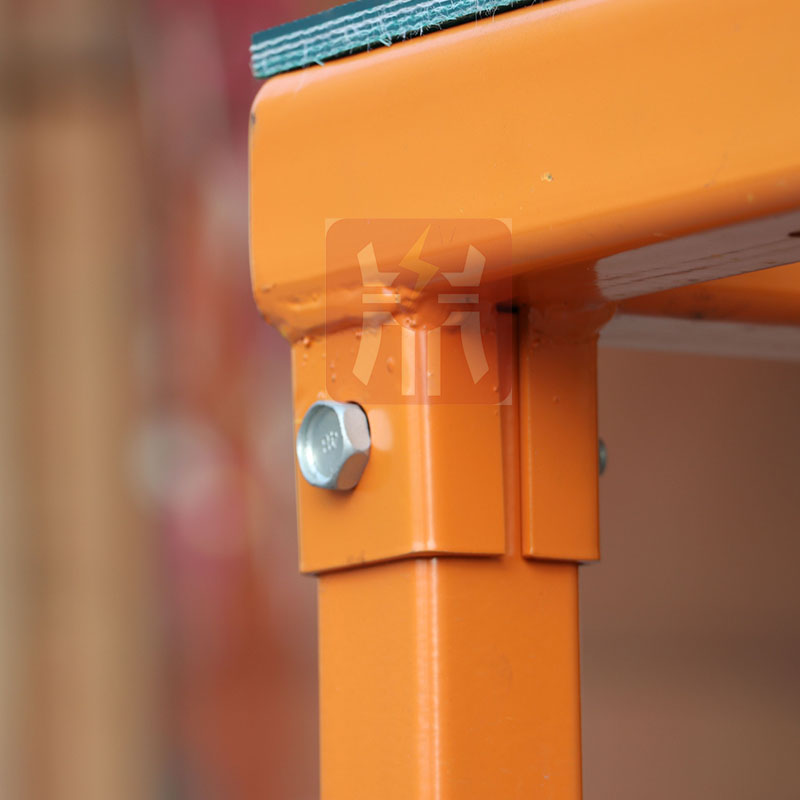
A: Yes, a key feature of professional fabrication tables is the replaceable work surface. Typically made from durable MDF or laminated panels, they are designed to be sacrificial. When worn or damaged, you simply unbolt and replace the top, protecting the long-term investment in the frame and adjustment mechanism.
Q4: How do I choose between a table with dog holes vs. T-slots?
A: Dog holes (grids of round holes) are excellent for using round locating pins and are simpler to keep clean. T-slots offer more flexibility for mounting a wider variety of commercial clamps and accessories. Your choice depends on your preferred workholding system. Some advanced tables offer both.
Q5: What’s the most important feature to look for?
A: Stability under load is the absolute baseline. Without it, all other features are irrelevant. Second is ergonomic adjustability. Third is an integrated workholding system (holes or slots). Ensure the table is rated for the maximum weight you intend to place on it.
Q6: How does the Fabrication Table integrate with my existing A-frame carts and trolleys?
A: It’s designed for seamless integration. The table height can be adjusted to match the bed height of our A-frame carts and self-locking trolleys, allowing smooth, ramp-free slab transfers that eliminate lifting and reduce edge damage.
Q7: Can the table’s work surface be customized for different tasks (e.g., polishing vs. glue-ups)?
A: Yes. The table features a modular surface with precision T-slots and dog holes. You can quickly attach custom fences, stops, or polishing jigs, making it adaptable for cutting, seaming, polishing, or assembly tasks.
Q8: What is the weight capacity, and how does it ensure stability during heavy operations?
A: SPEEDONE Fabrication Tables are built with heavy-duty steel frames and cross-bracing, typically rated for 1,500–2,000 kg. The rigid design prevents flex or vibration, even during intense polishing or precise seam gluing.
Q9: Does the adjustable height mechanism require power or manual effort?
A: Models are available in both hydraulic (easy-adjust) and manual crank versions. Both systems are engineered for smooth, stable operation, allowing you to set the perfect ergonomic height for any worker or task.
Q10: Where can I see this table in a real workshop setting?
A: Watch our detailed video case study on YouTube (link above), where we demonstrate the Fabrication Table’s setup, integration with SPEEDONE transport carts, and its impact on daily workflow efficiency and precision.
Conclusion: Don’t Build Your Business on a Weak Foundation
Your workshop’s primary work surface is the stage where your craftsmanship is realized. Using an unstable, non-ergonomic, and poorly equipped table is like asking a surgeon to operate on a picnic table. The limitations of the foundation become the limitations of the work.
Investing in a professional Fabrication Table is a declaration that you value precision, efficiency, and your team’s health. It is the command center of quality control. By choosing a system like SPEEDONE’s and integrating it with your full ecosystem of transport and handling carts, you create a workflow that is smooth, repeatable, and professional. Elevate your work from the surface up. Stop using a table, and start using a workstation engineered for success.

Henry
Hi, I’m the author of this post, and I have been in this field for more than 16 years. If you need OEM&ODM service for stone tools, feel free to ask me any questions.