





Choosing an Стеллаж для хранения A-Frame is not only a purchasing decision. It is a warehouse layout, safety, productivity and material protection decision. A rack that looks strong in a product photo may still fail your operation if it does not match your slab size, load weight, aisle width, forklift path, floor condition, crane access or picking frequency. The right rack should help workers store and remove material safely while protecting high-value slabs, glass sheets, stone panels or metal boards from chips, scratches, sliding and unnecessary handling.
In a stone fabrication shop, a warehouse may need to store granite slabs, marble slabs, quartz slabs, sintered stone panels, porcelain sheets and remnants from different projects. In a glass distributor, the same warehouse may need smooth support, edge protection and controlled lean angle. In a metal sheet workshop, rack design must consider bundle weight, sheet flexibility, sharp edges and corrosion protection. This is why the best warehouse buyers do not ask only, “How much is the rack?” They ask, “Does this rack fit our material, workflow and risk profile?”
Buyers comparing standard and heavy-duty options can begin with a professional Стеллаж для хранения A-Frame category to review rack styles, slab storage directions, capacity options, structural formats and application scenarios before matching the final model to a specific warehouse.
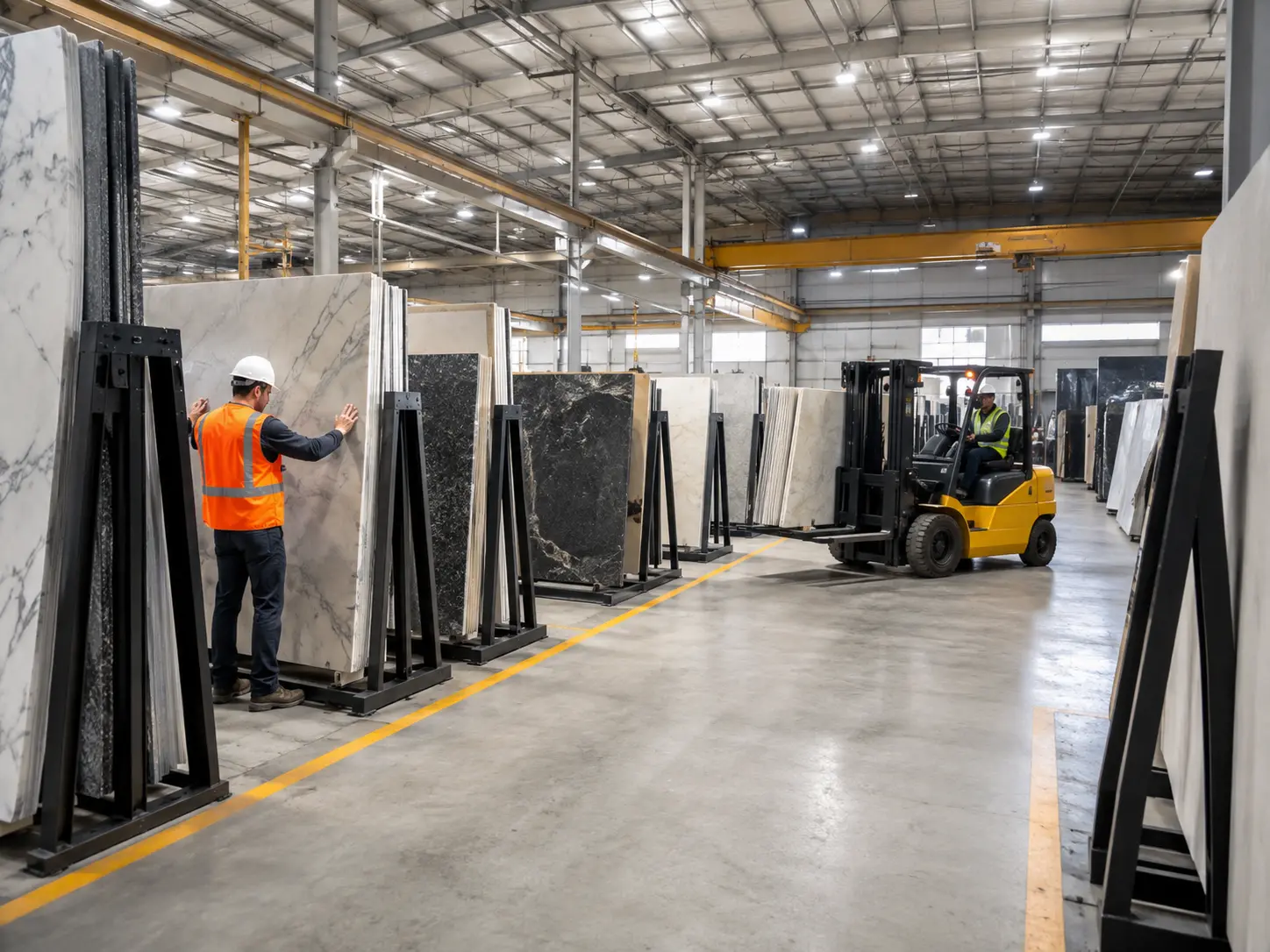
Стеллаж для хранения A-Frame
Что такое А-образный стеллаж для хранения?
Basic Structure and Working Principle
An A-Frame Storage Rack is an industrial rack designed to hold large flat materials at an angled or near-vertical position. The frame usually includes a steel base, inclined supports, vertical bracing, cross beams, contact strips, bottom rails and optional safety stops. Depending on the design, materials can be stored on one side or both sides of the frame. The A-shaped structure helps distribute the load toward the base and keeps slabs visible, separated and easier to access.
Common stored materials include marble slabs, granite slabs, quartz slabs, quartzite, sintered stone, porcelain panels, glass sheets, metal plates, cabinet boards, wood panels and other large-format sheet materials. A good rack should not only hold material; it should also support safe handling, better inventory visibility and smoother warehouse movement.
Why Warehouses Use A-Frame Racks for Slabs and Panels
Large sheets are difficult to store flat because they occupy too much floor area and become hard to pick. Leaning them against walls or temporary stands can create tipping risk, edge damage and poor workflow. A-frame racks solve this by creating organized, repeatable storage positions. Workers can group materials by color, size, thickness, project, batch or order number. Forklift operators can identify slabs faster, and production teams can reduce unnecessary material movement.
Step 1: Match the Rack to Your Material Type
Stone Slabs and Countertop Materials
Stone slabs are heavy, rigid and often high value. A polished marble slab, granite slab or quartz countertop slab can be damaged by edge impact, poor support or excessive movement. For stone warehouses, the buyer should check slab thickness, height, length, maximum number of stored pieces, average slab weight, finished surface protection and picking method.
Stone fabricators who need a deeper selection framework can review an A-Frame Storage Rack buying guide for stone fabricators to compare load capacity, base stability, slab protection, forklift access, shop layout and supplier checks before choosing a storage system.
Glass Sheets
Glass sheets need a rack with smooth contact surfaces, stable lean angle and careful edge support. Unlike stone, glass may fail suddenly if point pressure or impact is concentrated at the wrong area. A glass sheet A-frame rack should use non-marking padding, clean contact strips and enough base stability to prevent vibration or movement during picking.
Metal Sheets and Industrial Panels
Metal sheets may be thinner than stone slabs, but bundle weight can become very high. Rack design should consider sheet flexibility, sharp edges, corrosion risk, worker access and separation between materials. For metal sheet storage, surface treatment and steel strength matter because the rack may be exposed to abrasion, humidity or heavy daily use.
Step 2: Calculate Load Capacity Before Choosing the Rack
Estimate the Maximum Stored Weight
Load capacity should be based on the maximum expected stored weight, not the average day. Buyers should calculate the heaviest material combination the rack may hold during peak operation. A warehouse may store only a few slabs on most days, but during a project delivery it may temporarily hold full bundles, oversized slabs or mixed heavy materials.
| Тип материала | Common Thickness Range | Typical Weight Concern | Rack Selection Priority |
|---|---|---|---|
| Marble / granite slabs | 18mm, 20mm, 30mm or custom | High weight, edge fragility and finished surface protection | Heavy-duty frame, wide base, padding and clear load rating |
| Quartz / sintered stone | 12mm, 15mm, 20mm, 30mm | Large format, high material value and controlled support | Clean contact surface, stable angle and careful picking access |
| Glass sheets | 6mm to 19mm or more | Breakage, edge pressure and impact sensitivity | Smooth padding, stable lean angle and reduced vibration |
| Metal sheets | 1mm to 10mm or thicker | Bundle weight, sharp edges and corrosion exposure | Load capacity, surface treatment and safe separation |
| Ceramic / porcelain panels | 6mm, 9mm, 12mm, 20mm | Thin large panels and breakage risk | Even support, protective contact and careful handling path |
Use a Safety Margin, Not a Guess
A-frame rack load capacity should consider static load, uneven side loading, dynamic movement during slab placement, forklift contact risk, rack base stability and floor condition. The buyer should request a rated capacity, drawing, steel specification and structural explanation from the supplier. A high-capacity model, such as an 20T capacity A-Frame rack, may be suitable when the warehouse stores heavy stone slabs, export bundles or large-format panels that require stronger structural support.
Step 3: Match Rack Size to Warehouse Layout
Measure the Storage Zone First
Before buying, measure the available storage zone. The buyer should record the usable length, depth, ceiling height, column spacing, door width, loading bay access, forklift aisle width, crane path, emergency route clearance and distance from cutting machines or loading areas. A rack that fits the slab may still fail the warehouse if it blocks turning space or creates a blind corner for forklift operators.
Factory buyers who want to improve space utilization can review how an A-Frame Storage Rack improves factory floor space and stability by organizing large flat materials at a stable angle while supporting better visibility, safer access and more efficient picking.
Single-Sided vs Double-Sided A-Frame Rack
A single-sided rack is useful near walls, narrow storage zones and areas where only one picking face is needed. A double-sided rack works better in central aisles because both sides can store slabs and improve density. However, double-sided racks require more depth and safe access on both sides. Choosing the wrong direction can make the rack inconvenient even if the structure is strong.
| Тип стойки | Лучшее для | Преимущества | Ограничения |
|---|---|---|---|
| Single-sided A-frame rack | Wall-side storage and narrow zones | Saves aisle depth and organizes one picking face | Lower total storage density |
| Double-sided A-frame rack | Central warehouse aisles | Stores more slabs and improves access from both sides | Needs more floor depth and clear aisle planning |
| Mobile A-frame rack | Flexible production areas | Can move with workflow changes | Requires suitable floor quality and movement control |
| Heavy-duty fixed A-frame rack | Stone, glass and high-weight slab storage | Higher stability and better long-term storage confidence | Less flexible after installation |
| Custom A-frame rack | Special slab sizes or mixed material warehouses | Matches exact workflow and material requirements | Higher cost and longer lead time |
Step 4: Match the Rack to Your Handling Equipment
Forklift Handling
A forklift-friendly A-frame rack should match aisle width, turning radius, mast height, fork attachment, slab clamp or bundle handler operation and driver visibility. The rack should not force the forklift to approach at an unsafe angle. Warehouse managers should also check whether the forklift can remove the heaviest slab without hitting nearby racks, columns or workers.
Crane or Overhead Lifter Handling
Some stone and glass warehouses use overhead cranes, vacuum lifters or clamps. In that case, the rack must align with the lifting path, hook clearance, worker standing zone and slab removal direction. A rack placed too close to a wall or column can make crane access difficult even if floor space looks available on paper.
Manual Picking and Daily Turnover
High-turnover slabs should be stored near cutting tables, loading docks or production lines. Slow-moving stock can be stored deeper in the warehouse. The rack layout should reduce unnecessary handling because every extra movement increases labor time, surface damage risk and forklift traffic.
Step 5: Evaluate Rack Structure and Material Parameters
Steel Frame and Base Design
The structure of an A-frame rack should be evaluated by more than visual appearance. Buyers should check steel tube size, wall thickness, base width, cross bracing, upright angle, welding quality, bolt connections, support feet, anchor points, protective strips and overall anti-tip design. A rack used for heavy stone slabs needs stronger engineering logic than a light-duty display stand.
Supplier capability matters because rack quality depends on design, steel processing, welding, finishing and inspection. Buyers can review an A-Frame rack manufacturer background to understand production experience, product scope, export service and factory support before placing a bulk or custom order.
Обработка поверхности
Surface treatment affects rack life. Painted or powder-coated finishes may be suitable for indoor warehouses. Galvanized or corrosion-resistant finishes may be better for humid areas, outdoor yards or facilities with frequent water exposure. Buyers should match the finish to the environment rather than choosing only by color.
Protective Contact Materials
Protective contact materials can reduce edge chips, surface scratches and point pressure. Common options include rubber strips, wood strips, PVC sleeves, foam pads and replaceable edge guards. Finished slabs, glass sheets and polished panels should not contact bare steel directly unless the rack is designed with suitable protection.
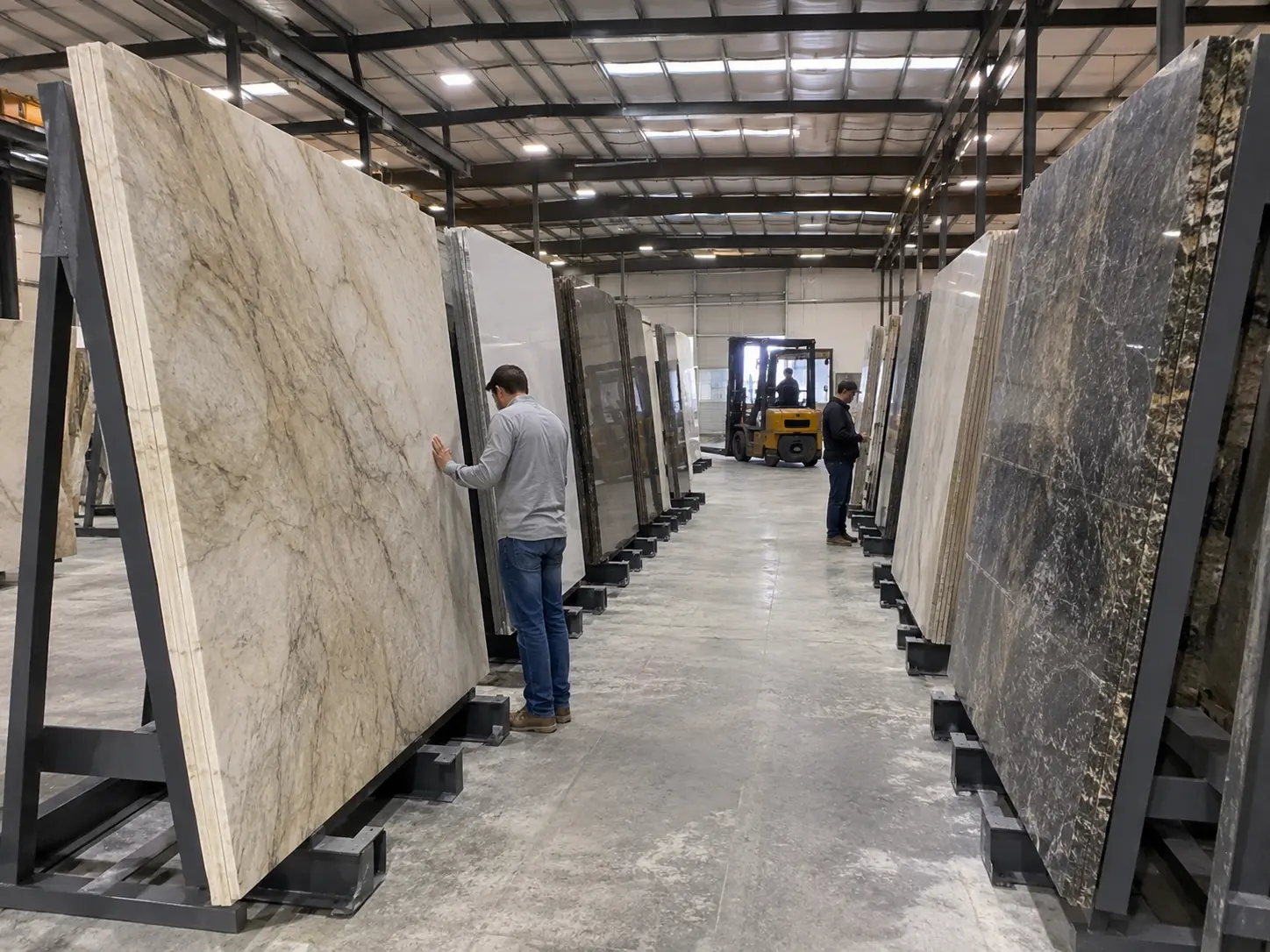
Поставщик стеллажей для хранения A-Frame
Step 6: Safety, Compliance and Risk Checks
Warehouse Safety Direction
A-frame rack safety should be treated as part of the warehouse management system. Materials should be stored so they do not create a hazard, slide, fall or collapse. Aisles should remain clear for workers and material handling equipment. Rack load ratings should not be exceeded. Damaged racks should be inspected before continued use, and workers should be trained on safe loading and unloading.
Engineering and Rack Design Direction
Industrial steel storage racks are commonly evaluated with structural design, testing and utilization standards in mind. A-frame racks can differ from conventional pallet racks, so the buyer should request supplier drawings, rated loads, material specifications, welding details, installation guidance and maintenance recommendations. For high-load applications, local engineering or safety review is recommended.
| Safety Check | What to Confirm | Why It Matters |
|---|---|---|
| Load rating | Maximum load per side and total rack capacity | Prevents overload and deformation |
| Rack stability | Base width, support angle, anchors and bracing | Reduces tipping and sliding risk |
| Floor condition | Flatness, concrete strength, cracks, slope and drainage | Affects rack stability under load |
| Aisle clearance | Forklift, crane and worker access | Reduces collision and handling hazards |
| Edge protection | Rubber, wood or PVC contact strips | Reduces slab chips and surface scratches |
| Material restraint | Stops, pins, chains or other securing method where needed | Helps prevent sliding or falling |
| Rack inspection | Welds, bolts, deformation, rust and protective parts | Finds damage before it becomes a serious risk |
| Worker training | Loading order, removal method, PPE and traffic route | Improves safe daily operation |
Step 7: Standard Rack or Custom A-Frame Storage Rack?
When a Standard Rack Is Enough
A standard A-frame rack may be enough when slab sizes are predictable, storage quantity is small or medium, material weight is moderate, the warehouse layout is simple and the handling method is basic. Standard models can reduce lead time and simplify purchasing when the buyer’s application fits the rack dimensions and rated capacity.
When a Custom Rack Is Better
A custom rack is better when the warehouse stores oversized slabs, heavy bundles, mixed materials, special glass panels, thin ceramic slabs, tall stone sheets or materials that need custom padding. It is also useful when forklift paths, crane rails, aisle width or machine layout are already fixed. A custom solution can match the warehouse instead of forcing the warehouse to adapt to the rack.
Cost Factors: What Affects A-Frame Rack Price?
The price of an A-frame rack depends on steel thickness, rack size, load rating, base design, coating, padding, mobility, customization, order quantity and shipping method. The cheapest rack is not always the lowest-cost solution because material damage, workflow delays and safety risks can create higher hidden costs over time.
| Cost Factor | Price Impact | Buyer Note |
|---|---|---|
| Steel thickness | Higher thickness increases cost | Needed for higher loads and long-term durability |
| Rack size | Larger length and depth increase cost | Must match actual slab dimensions |
| Грузоподъемность | Higher rating requires stronger structure | Do not under-specify for peak load |
| Surface treatment | Galvanizing or corrosion protection may cost more | Useful for humid or outdoor environments |
| Padding material | Rubber, wood or custom protection adds cost | Protects valuable finished material |
| Mobility features | Wheels, forklift pockets or special bases increase cost | Useful for flexible warehouses and process changes |
| Настройка | Custom drawings and production increase lead time | Best for special warehouse workflows |
| Order quantity | Bulk orders may reduce unit cost | Useful for warehouse expansion or multiple sites |
Real Warehouse Scenarios and Recommended Rack Choice
Stone Slab Warehouse
A stone slab warehouse should usually choose a heavy-duty A-frame rack with clear capacity, stable base, protective contact surfaces and safe forklift clearance. The rack should allow workers to sort slabs by material, thickness, batch and customer project.
Countertop Fabrication Shop
A countertop shop should place racks near cutting, polishing and loading areas without blocking material flow. The best rack is not always the largest one. It is the one that reduces unnecessary slab movement and supports faster order picking.
Glass Sheet Distributor
A glass distributor should prioritize padding, controlled lean angle, smooth contact surfaces and safe aisle clearance. The rack should reduce edge pressure and allow careful loading or unloading with the proper equipment.
Metal Sheet Workshop
A metal sheet workshop should consider bundle weight, sharp edges, sheet flexibility and corrosion exposure. A corrosion-resistant or heavy-duty sheet material storage rack may be better than a light-duty general rack.
Mixed Material Warehouse
A mixed material warehouse may need modular rack zones for stone, glass, metal and ceramic panels. Each material type may require different padding, spacing, load planning and handling method. A custom A-frame rack can reduce confusion and make the storage system easier to manage.
Common Buyer Mistakes When Choosing A-Frame Storage Racks
Choosing by Price Only
A low-price rack may use weaker steel, poor welding, thin coating, unclear load rating or limited protective features. If the rack bends, rusts, tips or damages slabs, the hidden cost can be much higher than the original saving.
Ignoring Warehouse Layout
Some buyers choose a rack before measuring the storage zone. This can lead to blocked aisles, poor forklift turning, unsafe picking routes and wasted floor space. Rack selection should follow the warehouse layout, not the other way around.
Underestimating Load Weight
A rack should be selected by maximum expected load. Underestimating slab weight can create overload, frame deformation, tipping risk and material damage. Buyers should estimate the heaviest realistic storage condition before confirming capacity.
No Floor Check
Even a strong rack needs a suitable floor. Uneven concrete, cracks, slope, weak slabs or poor drainage can affect stability. The floor should be reviewed before installation, especially for heavy stone, glass or metal storage.
No Material Protection
Bare steel contact may scratch polished slabs or chip glass edges. Buyers should specify protective strips or padding that match the stored material. Protection parts should also be replaceable because they wear over time.
If This Is Your Warehouse, Choose This Rack Direction
| If Your Warehouse Has | Choose This Rack Direction | Почему |
|---|---|---|
| Heavy stone slabs | Heavy-duty A-frame rack | Higher capacity, stronger base and better slab support |
| Narrow aisles | Single-sided or custom rack | Better space control and safer access |
| Large central storage zone | Double-sided A-frame rack | Improves storage density and two-side picking |
| Frequent material movement | Forklift-friendly rack | Supports faster and safer handling |
| Glass sheets | Padded glass A-frame rack | Reduces breakage and edge pressure |
| Mixed materials | Modular custom rack | Separates different sizes, weights and handling methods |
| Outdoor or humid zone | Galvanized or corrosion-resistant rack | Improves durability in harsh environments |
| Factory expansion | Wholesale rack order | Improves layout consistency and unit cost control |
Buyers preparing a new warehouse layout, stone fabrication line, glass storage zone or material handling upgrade can send slab size, maximum load, warehouse drawings, forklift details, floor conditions and preferred rack type through the custom A-Frame Storage Rack consultation page so the supplier can recommend a practical rack direction instead of only a standard model.
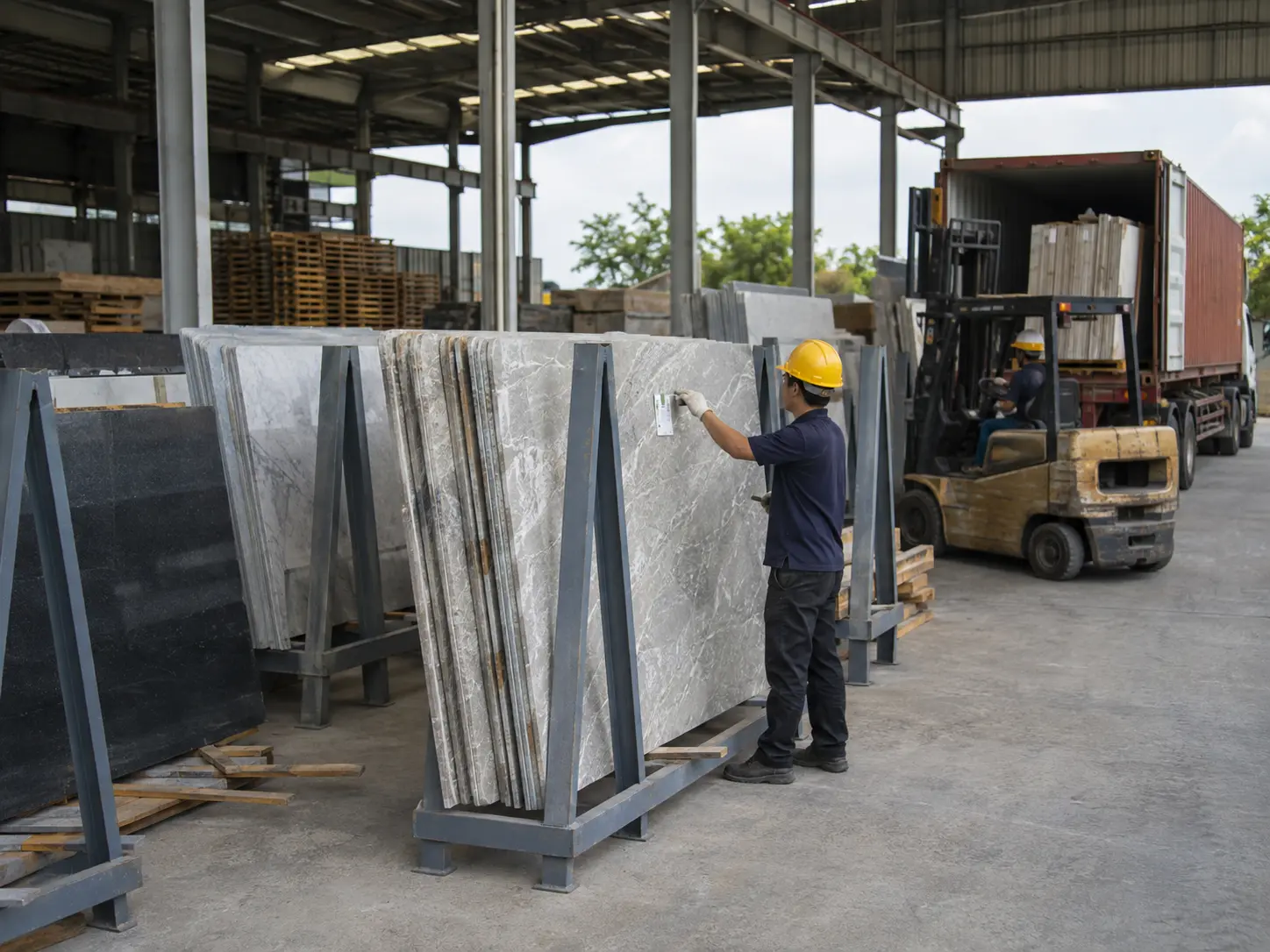
Оптовая продажа стеллажей для хранения A-Frame
Часто задаваемые вопросы
1. How do I choose the right A-Frame Storage Rack for my warehouse?
To choose the right A-Frame Storage Rack, start by measuring your maximum slab or panel size, material weight, aisle width, forklift route, ceiling height, floor condition and daily picking frequency. Then compare rack type, load capacity, base width, support angle, padding, surface treatment and supplier documentation. The best rack is not always the largest or cheapest model; it is the rack that fits your material, warehouse layout and handling method safely.
2. What load capacity should an A-Frame Storage Rack have?
The load capacity should be based on the maximum expected stored weight, not the average load. Buyers should calculate material density, slab size, thickness, number of pieces, uneven side loading, forklift impact risk and safety margin. Heavy stone slabs, glass sheets and metal bundles can place very different stress on a rack. For high-load applications, buyers should request rated capacity, drawings, steel specifications and supplier confirmation before ordering.
3. Is a single-sided or double-sided A-frame rack better?
A single-sided A-frame rack is better for wall-side storage, narrow aisles and warehouses where only one picking face is needed. A double-sided A-frame rack is better for central storage zones where both sides are accessible and higher storage density is needed. The decision depends on aisle clearance, forklift movement, storage volume, slab size and daily picking route. The rack should improve workflow rather than simply add more storage positions.
4. Can A-frame racks store stone slabs, glass sheets and metal panels?
Yes, A-frame racks can store stone slabs, glass sheets, metal panels, ceramic slabs and other large flat materials when the rack is designed for the correct load, support angle and material protection. Stone needs high load capacity and edge protection, glass needs smooth padding and stable lean angle, while metal sheets may need corrosion-resistant surfaces and safe bundle separation. One rack design may not fit every material without adjustment.
5. What should I ask an A-frame rack manufacturer before buying?
Before buying, ask the A-frame rack manufacturer for rack drawings, rated load capacity, steel thickness, base width, support angle, welding details, surface treatment, padding options, anchoring guidance, packing method, installation advice and quality control documents. You should also share your warehouse layout, forklift type, material size and maximum load so the supplier can recommend a rack that matches real operating conditions.
Ссылки
- “1910.176 Handling Materials — General” — Occupational Safety and Health Administration — OSHA Regulations
- “1926.250 General Requirements for Storage” — Occupational Safety and Health Administration — OSHA Construction Safety Regulations
- “ANSI MH16.1-2023 Design, Testing, and Utilization of Industrial Steel Storage Racks” — Material Handling Industry of America — ANSI Webstore
- “Industrial Steel Storage Rack Safety: ANSI MH16.1-2023” — American National Standards Institute — ANSI Blog
- “Warehouse Safety: Materials Handling and Storage” — Occupational Safety and Health Administration — OSHA Safety and Health Topics
- “Storage Equipment Safety and Inspection Guidance” — Rack Manufacturers Institute — Material Handling Industry
- “Forklift Safety and Pedestrian Traffic Guidance” — Occupational Safety and Health Administration — Powered Industrial Trucks Resource
- “Guide to Safe Storage and Handling of Stone Slabs” — Natural Stone Institute Technical Committee — Natural Stone Institute
How to Match an A-Frame Storage Rack to Your Warehouse
How should buyers choose? Start with the warehouse reality: material type, maximum slab size, total load, aisle width, forklift route, crane access, floor condition and daily picking frequency. Then choose the rack structure, capacity, base design, padding and surface treatment that match those conditions.
Why does rack matching matter? A mismatched rack can waste floor space, slow down workers, damage finished slabs, block forklift movement, create overload risk or increase long-term safety concerns. The right rack becomes part of the warehouse workflow, not just a piece of storage equipment.
What should buyers control? Buyers should control load capacity, rack dimensions, steel thickness, base width, support angle, bracing, floor anchoring, padding, aisle clearance, forklift access, inspection routine and worker training. These details decide whether the rack performs safely after daily use begins.
Option logic: If the warehouse stores heavy stone slabs, choose a heavy-duty A-frame rack. If it stores glass sheets, choose a padded rack with smooth contact surfaces. If the warehouse has narrow aisles, choose a single-sided or custom rack. If the warehouse has a central storage zone, choose a double-sided rack. If the warehouse stores mixed materials, choose a modular custom rack. If the rack will be used in humid or outdoor conditions, choose a corrosion-resistant finish.
Consideration for long-term value: Buyers should compare total cost of ownership, not only purchase price. Steel structure, coating, protection parts, rack inspection, warehouse flow, damage prevention and future expansion all affect real value. A slightly stronger rack may cost more at the beginning but reduce slab damage, workflow delays and replacement cost over time.
Before confirming an order, prepare warehouse drawings, slab dimensions, material type, maximum weight, forklift model, aisle width, floor condition and target storage quantity so the supplier can recommend the correct rack type and capacity.
