ทำงานของคุณให้เสร็จอย่างมีประสิทธิภาพ!





Master B2B procurement of A-frame storage racks. Mitigate risks with KD shipping logistics, robotic welding capacity, hot-dip galvanizing, and OSHA standards.
Quick Overview: Strategic A-Frame Procurement
The global material handling industry serves as the invisible backbone of modern architectural development. For warehouse facility managers, commercial stone fabricators, and large-scale glass distributors, the infrastructure utilized to store and transport raw materials is just as critical as the materials themselves. The rapid architectural shift toward massive, ultra-heavy quartz slabs and large-format architectural glass has rendered legacy storage systems entirely obsolete. Standard warehouse shelving simply cannot accommodate the immense weight or fragile nature of these modern materials.
Enter the industrial ชั้นวางของแบบเอเฟรม. Designed specifically to hold flat, heavy materials at a safe vertical angle, this equipment is an indispensable liability management tool. However, procuring these units directly from a high-capacity manufacturing hub requires navigating significant supply chain risks. For a comprehensive breakdown of the specific metrics required for safe procurement, reviewing a comprehensive buyers manual for A-frame storage rack in 2026 provides the baseline knowledge necessary to avoid costly purchasing errors.

ชั้นวางของแบบเอเฟรม
Common Misunderstandings in Material Handling Procurement
Before analyzing factory capabilities, B2B buyers must discard outdated industry assumptions. Relying on traditional procurement myths frequently leads to wasted capital and dangerous warehouse environments.
The “Heavier Steel Equals Higher Capacity” Myth
A pervasive misunderstanding is that simply utilizing thicker steel tubing automatically increases the Safe Working Load (SWL) of the rack. In reality, structural failure rarely occurs in the center of a steel beam. Failures occur at the joints. A rack made of exceptionally heavy steel but assembled with poor, shallow welds is far more dangerous than a rack made of standard Q235 steel assembled with deep, flawless robotic welds. Excessively heavy steel only serves to increase your shipping weight and product cost without guaranteeing actual structural safety.
The “One Coating Fits All” Fallacy
Another common error is assuming standard paint or basic powder coating is sufficient for all operational environments. Buyers often experience the painful reality of “rust bleed”—where a poorly coated rack oxidizes, and orange rust drips onto porous, highly expensive white marble slabs, permanently ruining the inventory. Selecting the surface treatment must be a calculated decision based entirely on environmental exposure, not just upfront cost.
Evaluating Factory Capabilities: Robotic Welding vs. Manual
The foundational integrity of any heavy-duty storage unit is dictated by the precision of its welded joints. When evaluating a prospective manufacturing partner, procurement officers must look beyond the blueprint.
The Physics of Load-Bearing Capacity and Safety Risks
Consider the extreme physics involved in stone storage. A standard bundle of natural granite slabs can easily exceed 12,000 pounds. When this mass rests against the inclined vertical supports of an ชั้นวางของแบบเอเฟรม, the load is transferred directly into the base joints. If a weld contains microscopic porosity (trapped gas bubbles) due to manual human error, the joint will succumb to metal fatigue and shear. A collapsing rack is not just an inventory loss; it is a catastrophic safety liability that can result in severe injuries and denied insurance claims.
Automated Precision vs. Manual Inconsistency
To eliminate the variable of human fatigue, buyers should prioritize sourcing from a technologically advanced industrial material handling equipment factory that integrates 6-axis robotic welding arms. Robotic welding guarantees absolute metallurgical consistency. The computer-controlled arms maintain the exact same travel speed, voltage, and wire feed rate for every single joint. Specifying robotic welded stone racks in your procurement contract is the most effective method for guaranteeing the structural uniformity of your infrastructure.
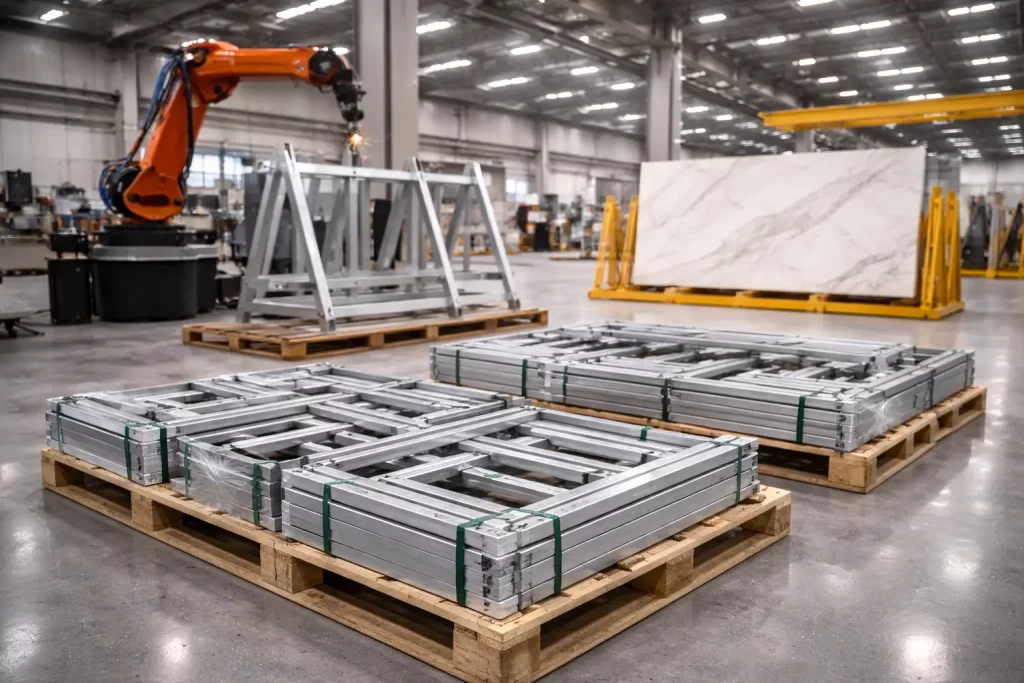
ชั้นวางของแบบ A-Frame ขายส่ง
Surface Treatment: Combating Rust and Inventory Damage
Industrial storage racks operate in some of the most corrosive environments within the manufacturing sector. Mitigating environmental degradation is critical for long-term ROI.
In the stone fabrication industry, processing slabs requires thousands of gallons of water. This creates a constantly wet environment saturated with abrasive stone slurry. Similarly, a heavy-duty A-frame granite transport system is frequently mounted on flatbed trucks, exposing the steel to torrential rain and road salt. Unprotected carbon steel will rapidly oxidize, compromising the structural thickness of the metal.
Hot-Dip Galvanizing vs. Electrostatic Powder Coating
Electrostatic Powder Coating involves spraying electrically charged polymer resins onto the steel frame, then curing it in an oven at 200°C. This creates a highly durable finish ideal for indoor warehouse storage and dry showrooms.
However, for extreme outdoor environments or constantly wet fabrication floors, B2B buyers must partner with a galvanized A-frame supplier China. The raw steel frame is submerged in molten zinc at 450°C, creating a cathodic protection system. Even if the rack is deeply gouged by a forklift, the surrounding zinc will sacrifice itself to prevent the underlying steel from rusting.
Quantitative Material Data
The following scientific data table outlines the performance metrics of various industrial coatings to aid your decision-making logic:
| การตกแต่งผิว | Process Application | Coating Thickness | Salt Spray Resistance (ASTM B117) | Environmental Suitability | Estimated Lifespan (Harsh Environment) |
| Standard Liquid Enamel | Spray application | 40 – 60 microns | 150 – 250 hours | Dry, indoor, low-impact | 1 – 3 years |
| Electrostatic Powder Coat | Thermal curing at 200°C | 80 – 120 microns | 500 – 800 hours | Indoor, moderate humidity | 5 – 10 years |
| Hot-Dip Galvanization | Molten zinc bath (450°C) | 85 – 150 microns | > 2,000 hours | Outdoor, extreme wet | 20+ years |
Customizing Dimensions for Super-Sized Jumbo Slabs
The architectural design industry is evolving, and standard racking systems designed a decade ago are fundamentally incapable of supporting modern inventory without introducing severe risks.
The Rise of Large Format Porcelain and Quartz
Engineered quartz and large-format porcelain manufacturers are now producing “Jumbo” slabs measuring up to 3200mm by 1600mm. Storing these massive sheets on legacy racks causes the top edges to overhang dangerously, leading to structural bowing and catastrophic snapping. Upgrading your facility with wholesale heavy-duty stone racks designed specifically for jumbo slabs is a mandatory operational upgrade.
Engineering Safe Base Widths and Vertical Angles
Procurement teams must source jumbo slab storage solutions with custom-engineered geometry. The resting angle of the vertical uprights must be meticulously calibrated between 5 to 8 degrees off the vertical center. If the angle is too steep, slabs risk tipping forward. If too shallow, the heavy slabs place immense lateral shear stress on the lower inventory, causing stress fractures.
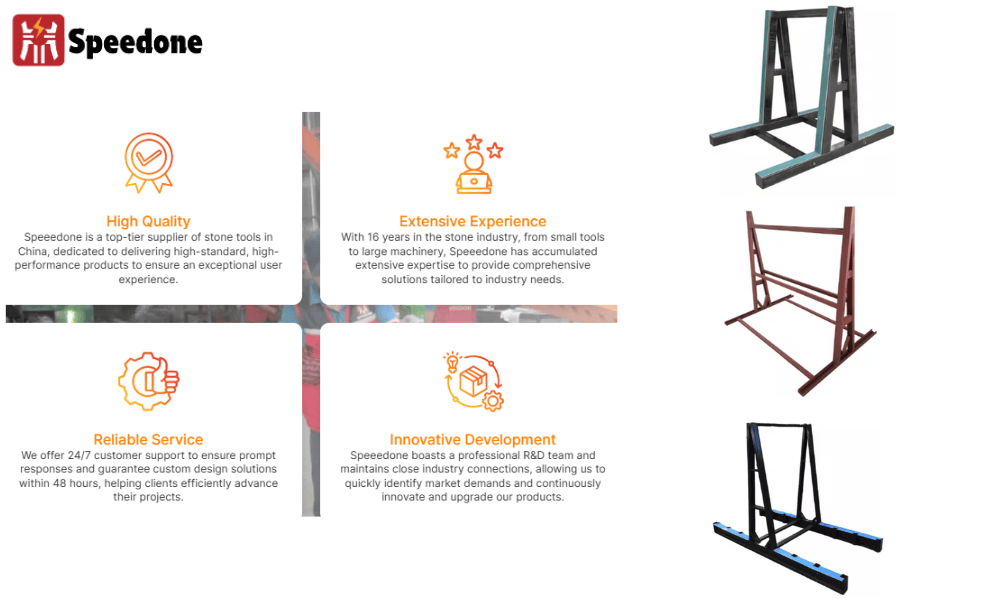
High-quality A-Frame Storage Rack
Packaging Logistics and The Hidden Costs of Import
The financial viability of direct sourcing hinges entirely on international shipping logistics. Ocean freight costs fluctuate wildly, and importing heavy steel structures can destroy profit margins if not managed intelligently.
The Logistics Crisis of Shipping Fully Welded Racks
A fully welded A-frame is essentially a massive triangle of empty space. When loading these into a standard 40-foot High Cube (40HQ) container, buyers are paying thousands of dollars to “ship air.” The container will “cube out” long before it reaches its maximum weight capacity, drastically increasing the landed cost per unit.
The Knock-Down (KD) Structural Advantage & Decision Logic
To solve this pain point, top-tier factories engineer modular systems. Sourcing knock-down steel A-frames wholesale is the ultimate strategy for maximizing container utilization. A Knock-Down (KD) design means the frame is manufactured in discrete components that are flat-packed.
This modular ingenuity is especially beneficial when ordering a complex wholesale custom A-frame stone slab transport A-frame cart with casters, where heavy-duty wheels and structural steel can be separated for optimal packing. Upon arrival, the racks are assembled utilizing high-tensile structural bolts. KD engineering allows suppliers to pack up to 300% more units into a single container, dramatically lowering the landed freight cost per unit.
OSHA Compliance, Risks, and Buyer Recommendations
Importing heavy industrial equipment requires strict adherence to regional safety regulations. Utilizing uncertified, poorly engineered storage racks is a legal liability.
Safe Working Load (SWL) Certifications and Insurance Risks
Procurement contracts must mandate rigorous stress testing to establish the Safe Working Load (SWL) of the products. This ensures the equipment qualifies as OSHA compliant slab storage. In the event of a workplace accident, insurance auditors will demand SWL certifications. If the racks are uncertified, the facility faces devastating financial penalties and denied claims.
Final Strategic Recommendations
When establishing your procurement strategy, adhere to this logical framework:
-
Capacity Validation: Demand robotic welding for all high-capacity frames.
-
Environmental Alignment: Specify hot-dip galvanization for outdoor/wet use, and powder coating for indoor warehouse display.
-
Logistical Optimization: Strictly procure KD (Knock-Down) modular designs to mitigate container freight costs.
-
Asset Protection: Ensure the design includes replaceable rubber or timber bases to prevent the raw steel from chipping the stone inventory.
For businesses looking to upgrade their facility safety, lower their import logistics costs, or discuss specific custom engineering blueprints, we highly encourage you to ติดต่อเรา directly. By partnering with a technologically transparent manufacturer, you can guarantee both the safety of your workforce and the integrity of your most valuable raw materials.
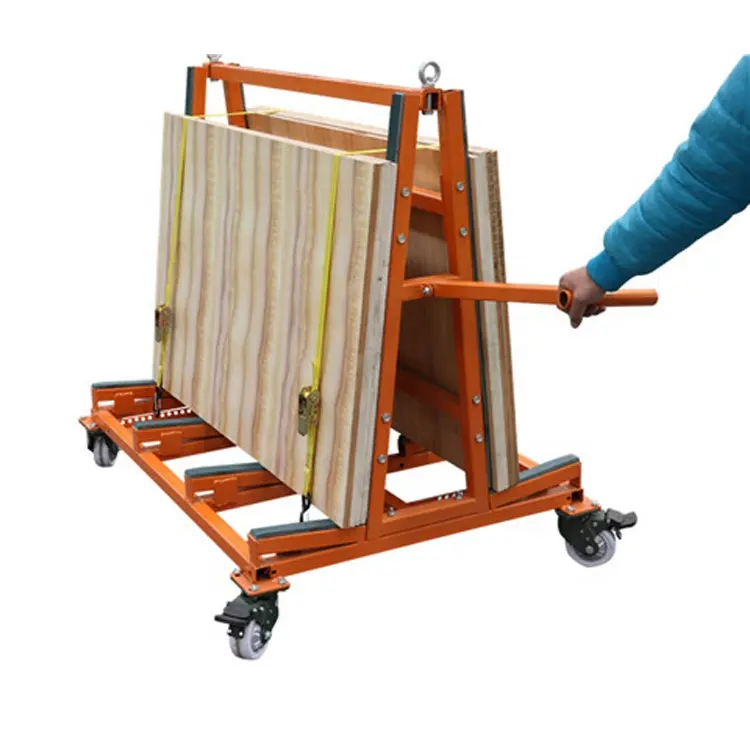
ชั้นวางของแบบ A-Frame
FAQ
1. What is the difference between a welded A-frame and a Knock-Down (KD) A-frame?
โครง A แบบเชื่อมเต็มรูปแบบผลิตเป็นชิ้นส่วนเหล็กแข็งทึบชิ้นเดียวที่ไม่สามารถเปลี่ยนแปลงได้ ซึ่งพร้อมใช้งานทันที แต่กินพื้นที่มากในการขนส่ง ส่งผลให้ค่าขนส่งสูง โครง A แบบถอดประกอบได้ (KD) ออกแบบให้เป็นชิ้นส่วนโมดูลาร์ที่สามารถบรรจุในลักษณะแบนเพื่อการขนส่ง เมื่อส่งถึงแล้ว โครงจะถูกประกอบขึ้นที่หน้างานโดยใช้สลักเกลียวโครงสร้างที่มีความต้านทานแรงดึงสูง โครงแบบ KD มีความสามารถในการรับน้ำหนักเท่ากับโครงแบบเชื่อม แต่ช่วยให้ผู้ซื้อสามารถบรรจุชิ้นส่วนได้มากกว่าแบบเชื่อมถึงสามเท่าในตู้คอนเทนเนอร์มาตรฐาน
2. Why is robotic welding preferred for heavy-duty storage racks?
การเชื่อมด้วยหุ่นยนต์เป็นที่นิยมเนื่องจากช่วยขจัดปัจจัยความเมื่อยล้าของมนุษย์ในการผลิตจำนวนมาก แขนเชื่อมหุ่นยนต์ 6 แกนที่ควบคุมด้วยคอมพิวเตอร์จะรักษาความเร็วในการเคลื่อนที่ แรงดันไฟฟ้า และอัตราการป้อนลวดให้เท่ากันอย่างแม่นยำในทุกข้อต่อของทุกชั้นวาง สิ่งนี้รับประกันการเชื่อมที่มีความลึกสม่ำเสมอ รวมถึงขจัดรูพรุนขนาดเล็ก ทำให้มั่นใจได้ว่าทุกชั้นวางในคำสั่งซื้อจำนวนมากจะมีความสมบูรณ์ทางโครงสร้างและกำลังรับน้ำหนักที่เท่ากันภายใต้แรงกดดันสูงสุด
3. Should I choose powder coating or hot-dip galvanization for my racks?
ตัวเลือกขึ้นอยู่กับสภาพแวดล้อมในการดำเนินงานของคุณโดยสิ้นเชิง หากชั้นวางจะถูกใช้งานกลางแจ้ง (โดนฝนและเกลือถนนบนรถขนส่ง) หรือในพื้นที่ผลิตหินที่เปียกชื้นและเสี่ยงต่อการสัมผัสกับสารละลายขัดถู การชุบกัลวาไนซ์แบบจุ่มร้อนถือเป็นข้อกำหนดโดยสมบูรณ์ บ่อสังกะสีหลอมเหลวจะให้การป้องกันสนิมแบบแคโทดิกขั้นสุดยอด ช่วยป้องกันไม่ให้สนิมไหลซึมลงสู่สินค้าคงคลังของคุณ หากชั้นวางใช้สำหรับเก็บรักษาในอาคารแห้งเท่านั้น การเคลือบผงไฟฟ้าสถิตจะมอบความทนทานสูง พร้อมทั้งมีรูปลักษณ์ที่ดูมืออาชีพในราคาที่ประหยัดกว่า
4. What is the ideal resting angle for a stone storage A-frame?
มุมพักผ่อนที่เหมาะสมสำหรับเสาแนวตั้งในโครงสร้างรูปตัว A แบบอุตสาหกรรมถูกออกแบบให้อยู่ระหว่าง 5 ถึง 8 องศาจากจุดศูนย์กลางแนวดิ่งโดยสมบูรณ์ หากมุมชันเกินไป แผ่นหินจะวางตัวในแนวตั้งมากเกินไป และเสี่ยงต่อการล้มไปข้างหน้าขณะใช้รถยกหยิบจัด แต่หากมุมเอียงน้อยเกินไป แผ่นหินหนักจะเอนกลับมาด้านหลังอย่างรุนแรง ทำให้เกิดแรงเฉือนด้านข้างมหาศาลต่อชิ้นหินที่อยู่ด้านหลังของกองซ้อน ซึ่งอาจนำไปสู่การแตกหักเนื่องจากความเครียดในสินค้าคงคลังได้
5. How do I ensure my imported storage racks meet OSHA safety standards?
เพื่อให้แน่ใจว่าสอดคล้องกับมาตรฐานความปลอดภัยของ OSHA และมาตรฐานความปลอดภัยของคลังสินค้าระหว่างประเทศ คุณต้องขอให้ผู้ผลิตจัดเตรียมใบรับรองโหลดการทำงานที่ปลอดภัย (SWL) โรงงานที่น่าเชื่อถือจะทำการทดสอบแรงกดดันทางกายภาพกับชั้นวางต้นแบบ โดยบรรจุของหนักเกินกว่าความสามารถที่ระบุไว้ เพื่อยืนยันอัตราการโก่งตัวของเหล็กและจุดที่โครงสร้างจะพังทลายลง นอกจากนี้ ตรวจสอบให้แน่ใจว่าชั้นวางมีฟีเจอร์ความปลอดภัยในตัว เช่น ห่วงสายรัดสำหรับยึดของ, หมุดล็อกเพื่อความปลอดภัย, และฐานไม้หรือยางป้องกัน
References:
-
“Structural Analysis of High-Yield Carbon Steel in Material Handling.” Journal of Industrial Engineering.
-
“Robotic Welding Precision and Porosity Reduction in Mass Manufacturing.” International Institute of Welding Technologies.
-
“Cathodic Protection: The Chemistry of Hot-Dip Galvanization in Corrosive Environments.” Corrosion Science Quarterly.
-
“OSHA Standard 1910.176: Handling Materials – General Guidelines.” Occupational Safety and Health Administration.
-
“Load Distribution and Center of Gravity Engineering in A-Frame Structures.” Structural Engineering Journal.
-
“Optimizing Maritime Logistics: CBM Reduction via Modular KD Architecture.” Global Supply Chain Review.
-
“Electrostatic Powder Coating Thickness and Salt Spray Resistance.” Materials Performance Analytics.
-
“Safe Working Load (SWL) Calculation Methodologies for Heavy-Duty Racking.” American Society of Mechanical Engineers (ASME).
Strategic Procurement Logic (Why & What): Sourcing industrial material handling equipment direct from China is fundamentally driven by the need to secure high-capacity infrastructure while minimizing logistical overhead. B2B buyers can eliminate critical supply chain pain points by explicitly mandating robotic welding for joint consistency, specifying hot-dip galvanization to prevent rust in wet-fabrication environments, and dictating custom 5-8 degree geometric resting angles to safely support the modern era of oversized jumbo slabs.
Key Sourcing Options & Operational Considerations
- Fully Welded vs. Knock-Down (KD) Designs (Option)
Logistical Impact: Procurement teams must rigorously evaluate maritime shipping costs. Fully welded A-frames cause shipping containers to “cube out” rapidly, drastically increasing the landed freight cost. KD (Knock-Down) designs utilize high-tensile structural bolts, allowing racks to be flat-packed. This modular engineering optimizes container volume by up to 300%, making it the economically superior choice for bulk international import. - Galvanization vs. Powder Coating (Consideration)
Risk Mitigation: Racks utilized for outdoor glass transport or wet stone fabrication must be hot-dip galvanized to provide cathodic protection against severe rust, preventing oxidized water from ruining porous stone inventory. Conversely, racks operating strictly in dry, indoor warehouse environments should utilize electrostatic powder coating for a durable, cost-effective, and highly professional aesthetic finish.

เฮนรี
สวัสดีครับ/ค่ะ ผม/ฉันคือผู้เขียนโพสต์นี้ และผม/ฉันมีประสบการณ์ในวงการนี้มากกว่า 16 ปี หากคุณต้องการบริการ OEM&ODM สำหรับเครื่องมือหิน โปรดอย่าลังเลที่จะสอบถามข้อมูลเพิ่มเติม