

Fixed Tilting Lifting Beam for Forklift and Crane Precision Material Handling | Speedone
 |
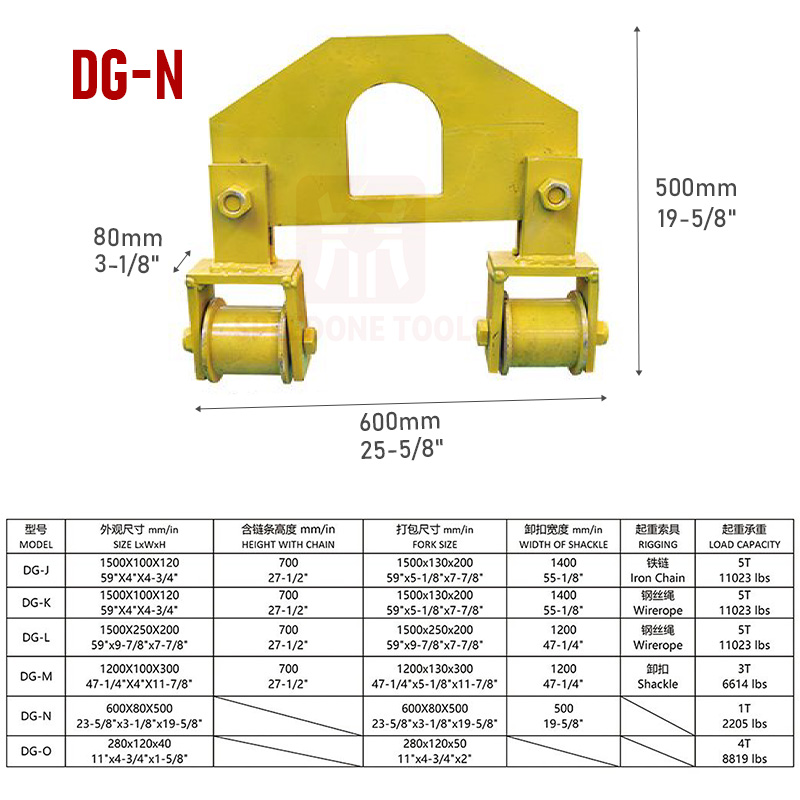 |
| Product size specification | |
Who This Fixed Tilting Lifting Beam Is For
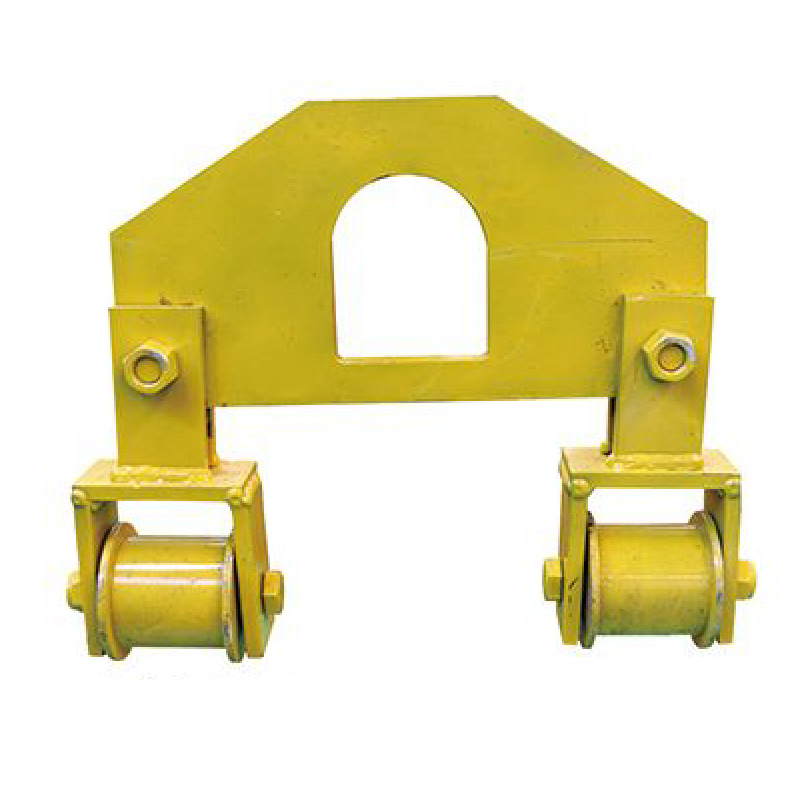
This Fixed Tilting Lifting Beam is designed for industrial users who need stable tilting performance and more accurate material positioning during lifting operations.
It is widely used by:
- Steel processing and fabrication plants
- Stone slab and marble factories
- Warehouses handling large flat materials
- Construction and infrastructure projects
- Factories requiring controlled slab alignment
If your operation requires stable tilting, controlled positioning, and improved alignment accuracy, this tilting lifting beam is a practical and efficient solution.
The Speedone lifting beam combines reinforced structural steel with a fixed tilting structure to improve lifting stability and reduce unnecessary movement during operation.
For many overseas buyers, positioning accuracy is just as important as lifting strength. In real factory environments, operators often need to move slabs or steel plates into exact positions for cutting, installation, storage, or processing. Standard lifting systems may lift the material successfully, but they often require repeated manual adjustment afterward.
A fixed tilting lifting beam helps reduce these extra handling steps. It improves positioning efficiency and makes operations safer and easier for workers.
What Makes a Fixed Tilting Lifting Beam More Stable
The biggest advantage of a Fixed Tilting Lifting Beam is its controlled tilting angle.
Unlike standard flat lifting systems, this design allows the material to remain at a stable fixed angle during lifting and positioning.
- Improves slab positioning efficiency
- Provides controlled material tilting
- Enhances lifting balance and stability
- Reduces manual repositioning effort
- Improves operational safety
This makes it especially useful for industries where precise alignment is required.
In many factories, workers spend extra time manually adjusting slabs after lifting. This slows production and increases the risk of accidents or material damage.
A fixed tilting design helps keep the load stable and properly positioned from the beginning of the lifting process.
For businesses handling heavy steel plates, stone slabs, or large flat materials every day, this can significantly improve workflow efficiency.
Engineering Strength: Built for Controlled Heavy-Duty Lifting
The fixed tilting lifting beam is manufactured using high-strength structural steel to ensure long-term durability under industrial working conditions.
Its reinforced tilting structure distributes load force evenly, helping reduce stress concentration during lifting operations.
Precision welding and optimized structural geometry improve resistance to deformation and fatigue during continuous use.
Each lifting beam undergoes strict load testing before shipment to ensure reliable industrial performance and safety compliance.
From an engineering perspective, fixed tilting systems must balance two important factors:
- Structural stability during lifting
- Accurate and controlled tilting performance
The Speedone design focuses on maintaining this balance. The reinforced frame keeps the beam stable while the fixed-angle structure improves positioning consistency.
This is especially important when handling large slabs or steel plates that require accurate placement.
Fixed Tilting Beam vs Standard Flat Lifting Beam
| Feature | Fixed Tilting Beam | Standard Flat Beam |
|---|---|---|
| Positioning Accuracy | High | Standard |
| Load Stability | Excellent | Moderate |
| Manual Adjustment Required | Less | More |
| Installation Efficiency | Higher | Standard |
| Suitability for Alignment Work | Excellent | Limited |
For operations that require accurate slab positioning, fixed tilting systems provide a clear advantage.
Real-World Applications
This fixed tilting lifting beam is widely used across industrial sectors:
- Steel plate and slab positioning
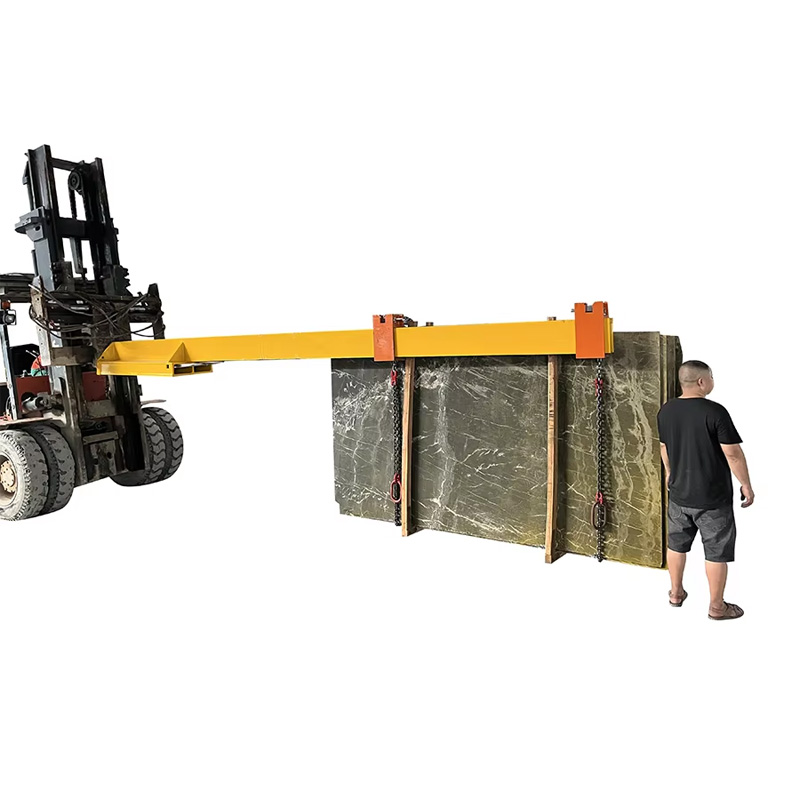
- Stone slab tilting and installation
- Warehouse slab handling operations
- Manufacturing material alignment
- Construction material lifting and positioning
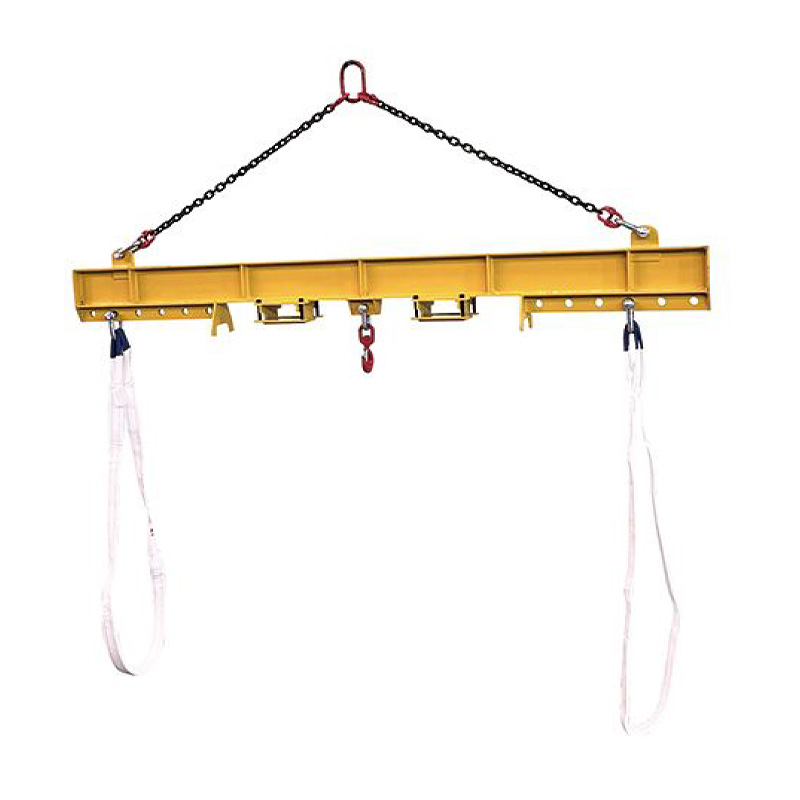
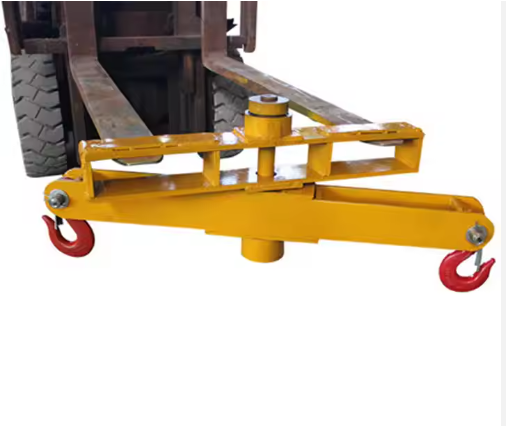
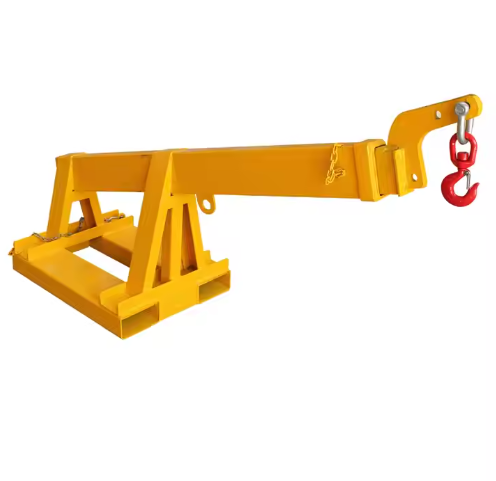
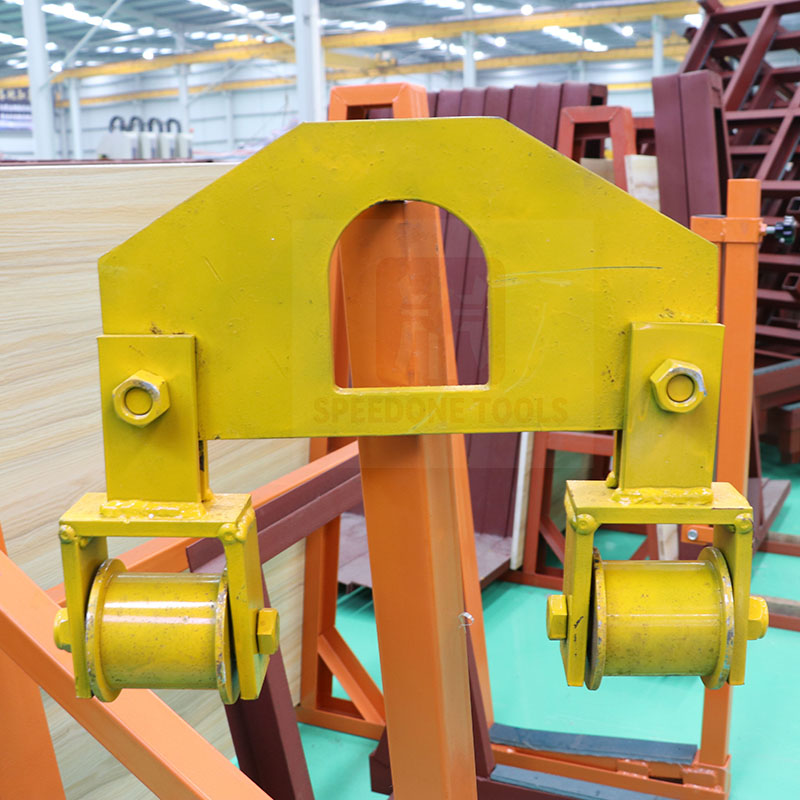
Its compatibility with forklifts and overhead cranes provides flexibility across different lifting systems.
In steel fabrication plants, it helps operators align large plates more accurately before welding or processing.
In stone factories, it improves handling efficiency during slab installation and transport.
In warehouses, it reduces handling difficulty for oversized flat materials.
In construction projects, it improves positioning control during installation work.
 |
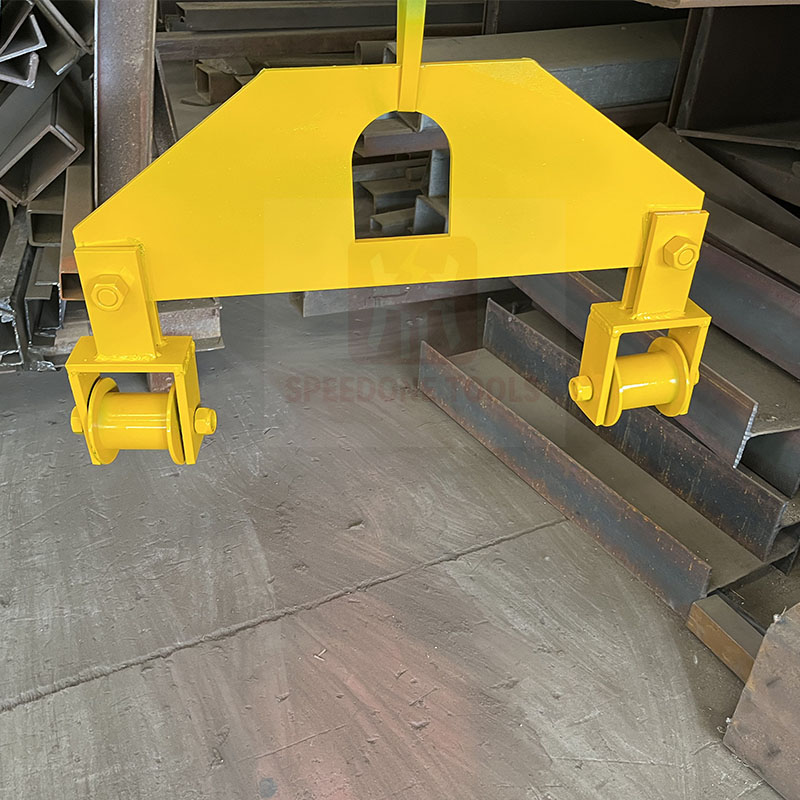 |
| Product scenario diagram | |
Why Positioning Accuracy Matters in Industrial Operations
Many lifting operations involve more than simply moving materials from one place to another.
In real production environments, slabs and plates often need to be aligned carefully for processing, installation, or storage.
Without proper positioning control, operators may need to:
- Reposition the material multiple times
- Use additional workers for alignment
- Spend more time during installation
- Increase the risk of workplace accidents
- Create unnecessary handling damage
A Fixed Tilting Lifting Beam helps reduce these problems by improving positioning precision during the lifting process itself.
This not only improves efficiency but also helps reduce labor costs and operational risks over time.
Related Slab Lifting Equipment
For high-capacity slab handling, the
5T slab lifting system with beam
offers reliable heavy-duty performance.
For enhanced lifting stability, the
stable slab lifting equipment
ensures safer material handling.
For lighter slab applications, the
2T slab lifter solution
provides efficient lifting capability.
Additional Lifting Solutions
The
stabilizer slab lifting equipment
improves load control and positioning accuracy.
The
adjustable lifting beam system
provides flexible slab lifting configurations.
The
hot-selling slab lifting equipment
is widely used in industrial material handling operations.
Why Fixed Tilting Systems Improve Positioning Accuracy
Traditional flat lifting systems often require repeated manual adjustment after the load is lifted.
This slows down production and increases handling difficulty.
A Fixed Tilting Lifting Beam improves efficiency by maintaining a stable tilting angle throughout the operation.
- Reduces repositioning time
- Improves installation efficiency
- Provides better alignment control
- Enhances workplace safety
- Reduces unnecessary manual handling
This is why fixed tilting systems are widely used in industrial applications requiring precise material positioning.
Common Buyer Mistakes
Many buyers focus only on lifting capacity and overlook positioning requirements.
Some common mistakes include:
- Choosing standard flat beams for alignment work
- Ignoring positioning efficiency
- Overlooking operational safety during installation
- Not considering manual handling costs
- Selecting equipment without evaluating workflow requirements
Professional buyers usually evaluate the entire lifting process instead of only focusing on load weight.
The right lifting system should improve both lifting performance and positioning efficiency.
How to Choose the Right Fixed Tilting Lifting Beam
When selecting a Fixed Tilting Lifting Beam, buyers should consider:
- Load size and weight
- Required tilting angle
- Forklift or crane compatibility
- Positioning accuracy requirements
- Daily operating frequency
- Factory layout and workspace conditions
Choosing the correct lifting configuration helps improve safety, reduce handling time, and increase long-term operational efficiency.
For factories handling slabs and steel plates every day, a fixed tilting system can significantly improve workflow consistency.
References
- ASME BTH-1 Below-the-Hook Lifting Devices – ASME Standard
- ASME B30.20 Below-the-Hook Lifting Devices Safety – ASME Committee
- ISO 12100 Safety of Machinery – International Organization for Standardization
- EN 13155 Non-Fixed Load Lifting Attachments – European Standard
- OSHA Overhead and Gantry Crane Regulations – U.S. Department of Labor
- LOLER 1998 Lifting Operations Regulations – UK Health and Safety Executive
- PUWER Work Equipment Regulations – UK Health and Safety Executive
- Rigging Handbook – Industrial Training International
Frequently Asked Questions
1. What is a fixed tilting lifting beam used for?
It is used for controlled tilting and positioning of slabs and steel plates.
2. Why choose a fixed tilting lifting beam?
It improves positioning accuracy and lifting stability during handling operations.
3. Can it be used with forklifts and cranes?
Yes, it supports both forklift and overhead crane operations.
4. Is it suitable for industrial use?
Yes, it is designed for heavy-duty industrial environments.
5. Can it be customized?
Yes, specifications and configurations can be customized based on application requirements.