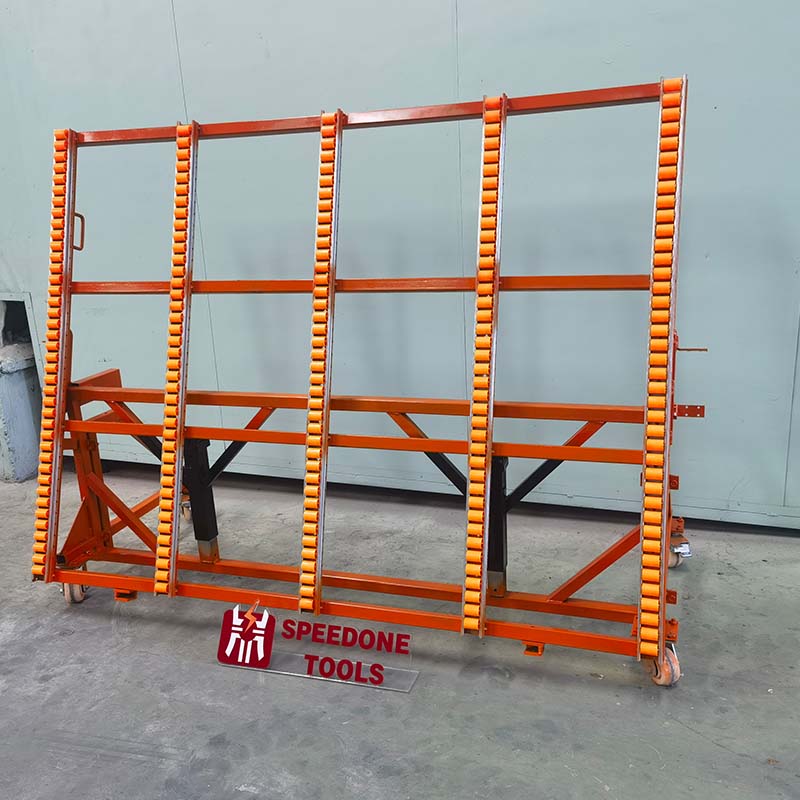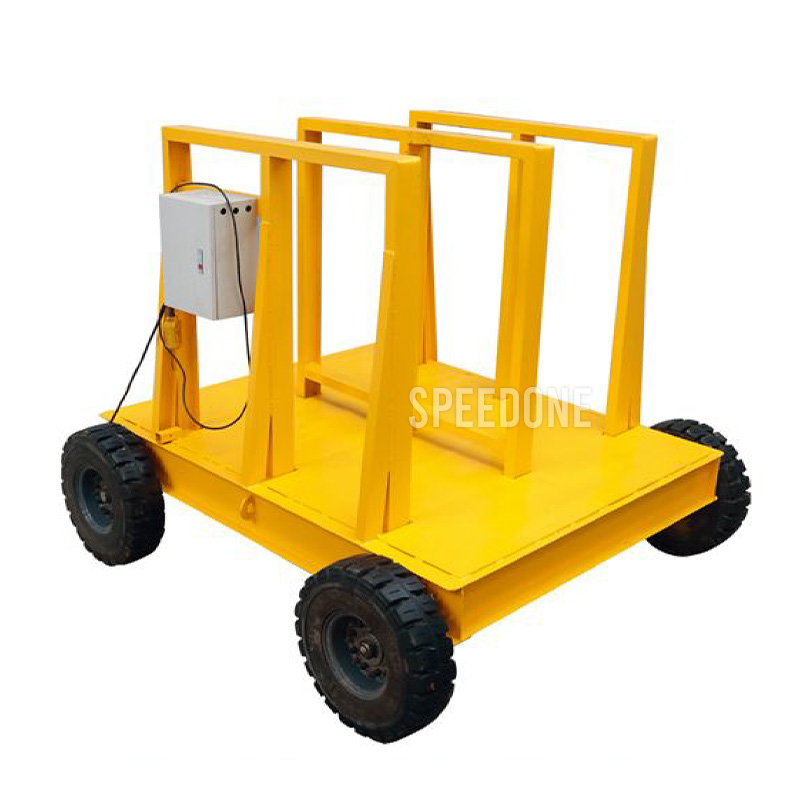


Heavy Duty Slab Cart for Granite & Stone Transport | Speedone
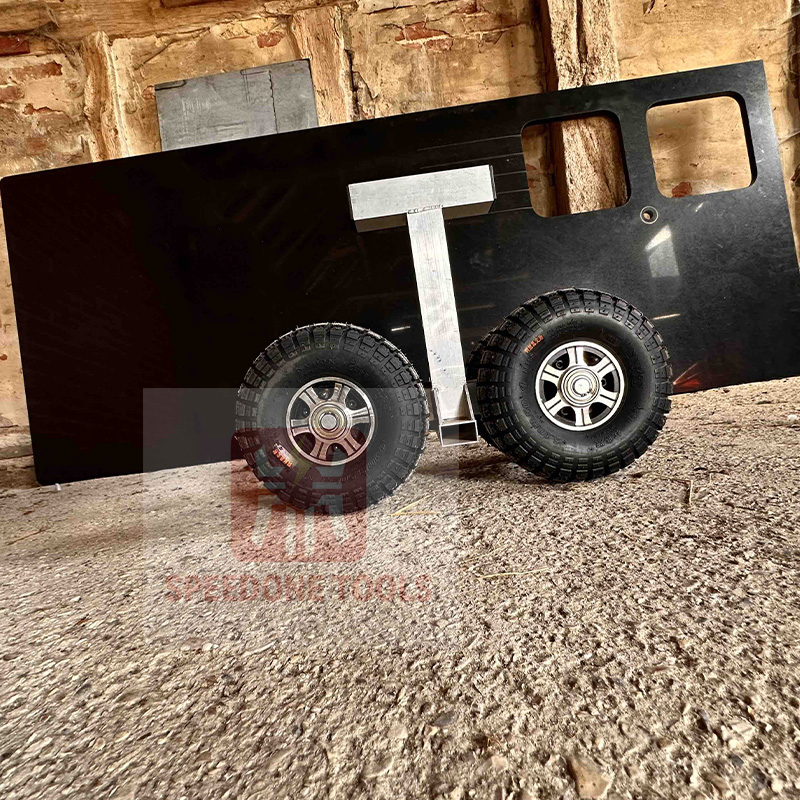
Slab Cart for Granite & Stone Handling | Heavy Duty Transport Cart – Speedone
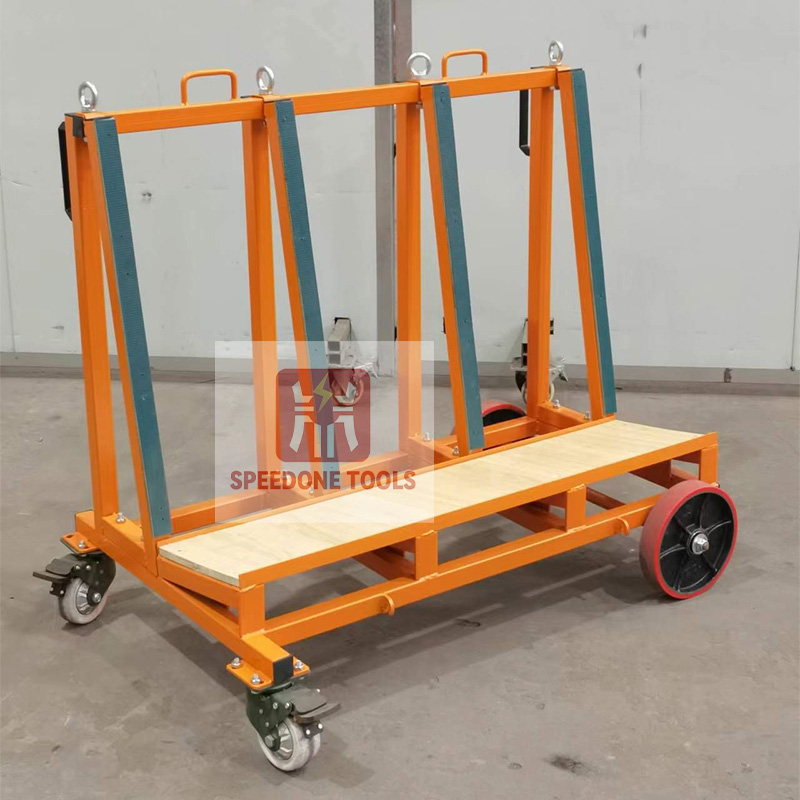
- Model : LHJZXTC-E
- Load-bearing : 200kg
- Net weight : 11kg
- Overall dimensions : 620*320*360mm
Product Description
Heavy Duty Slab Cart for Granite and Stone Transport Solutions | Speedone
Who This Slab Cart Is For
|
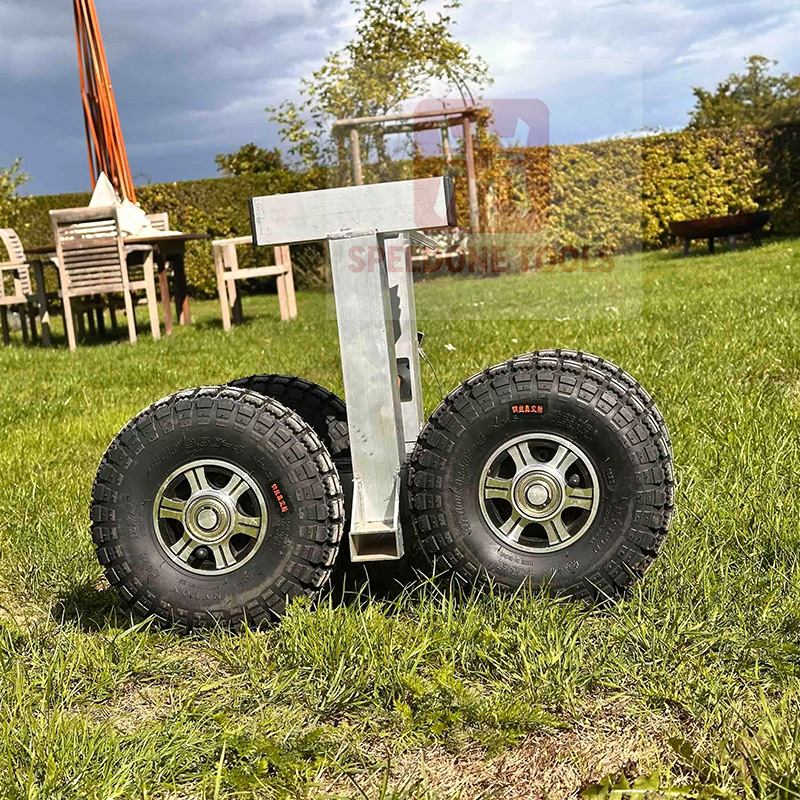 |
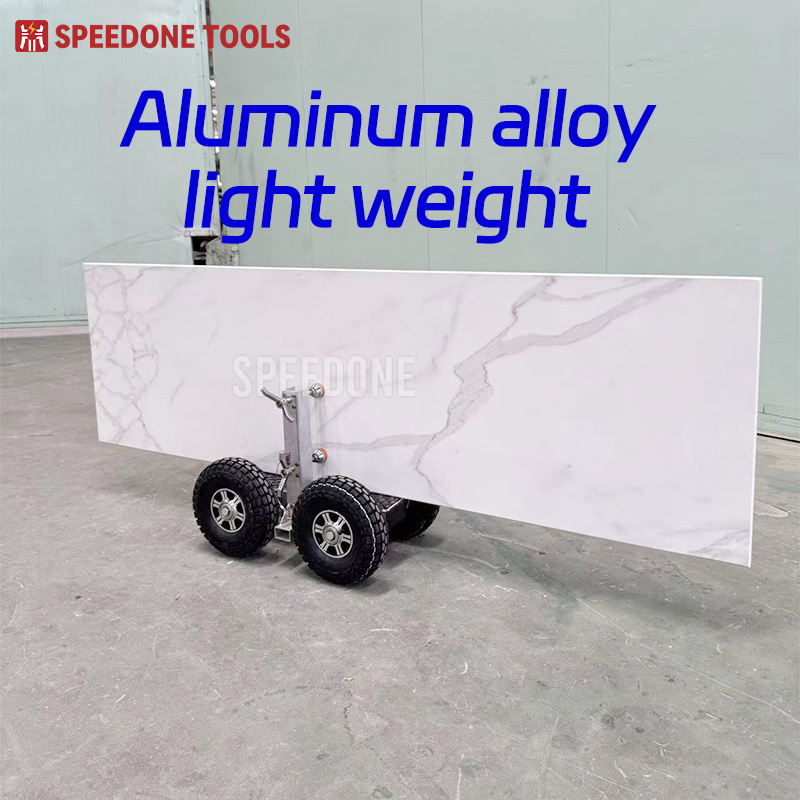
| Product scenario diagram | |
This Slab Cart is designed for stone industry professionals who require safe and reliable slab transportation equipment for daily industrial operations. It is widely used by:
- Granite and marble factories
- Quartz slab processing plants
- Stone slab warehouses
- Construction material suppliers
- Industrial logistics and transport operations
If your operation requires safe slab movement, reduced transport damage, and improved handling efficiency, this slab cart is an ideal solution.
The Speedone slab cart is engineered for industrial-grade durability and efficient slab transport performance, helping businesses improve operational safety and material handling productivity.
As a factory-direct manufacturer, Speedone focuses on structural reliability, stable load distribution, and long-term industrial use.
Why Stone Factories Need Professional Slab Transport Equipment
Transporting granite, marble, and quartz slabs is one of the most challenging tasks in the stone industry. These materials are heavy, fragile, expensive, and difficult to control during movement. Traditional manual handling methods often create unnecessary risks, including slab tipping, edge damage, worker injury, and operational delays.
A professional heavy-duty slab cart helps businesses solve these problems by providing stable slab support, smoother movement, and safer transport control. For factories handling large quantities of slabs every day, using the right slab transport equipment directly improves efficiency and reduces long-term operating costs.
Many overseas buyers now prioritize material handling safety when selecting stone processing equipment. In modern factories, efficient transport systems are no longer optional. They are part of a complete productivity and workplace safety strategy.
The Speedone slab cart is designed specifically for these industrial challenges. Its reinforced structure helps operators move heavy slabs with greater stability while reducing pressure on workers and minimizing accidental damage.
What Makes a Slab Cart Essential for Stone Handling
A Slab Cart provides a practical and efficient way to move heavy stone slabs within factories, warehouses, and construction environments. Traditional manual handling methods increase the risk of slab tipping, material damage, and workplace accidents.
- Improves slab transport efficiency
- Reduces slab damage risks
- Enhances workplace safety
- Supports heavy-duty industrial applications
- Improves warehouse material flow
This makes slab carts essential equipment for modern stone handling operations.
Unlike basic transport trolleys, industrial slab carts are specifically designed to support oversized vertical loads. The structure helps distribute slab weight evenly while maintaining transport stability during movement.
For granite and marble factories, even small improvements in slab handling can significantly reduce material loss. A single damaged slab may result in thousands of dollars in wasted inventory, delayed delivery schedules, and customer complaints.
Using a reliable slab cart helps businesses maintain smoother production flow while improving worker confidence and operational consistency.
 |
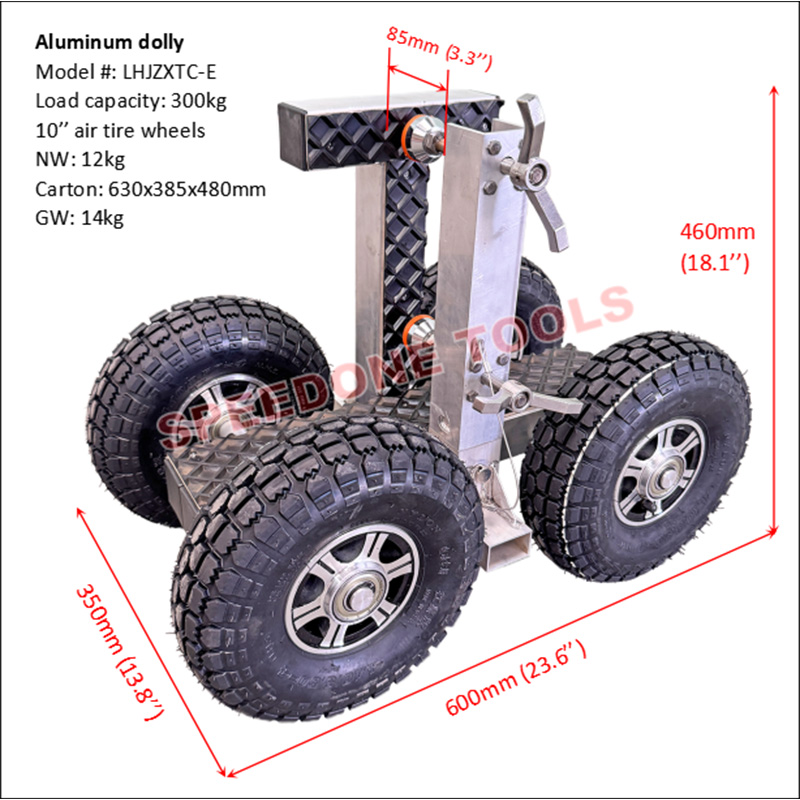 |
| Product size specification | |
Engineering Strength: Built for Heavy-Duty Industrial Use
The slab cart is manufactured using reinforced structural steel for high load capacity and long-term durability.
Its balanced support structure improves slab stability during movement while reducing stress concentration on transport wheels and frame components.
Heavy-duty wheel assemblies improve mobility and handling control in factory and warehouse environments.
Precision welding and industrial-grade manufacturing processes ensure reliable performance under continuous heavy-duty use.
The frame structure is designed to resist deformation under constant loading conditions. This is especially important in facilities where slab carts operate continuously throughout the day.
Industrial stone environments can be extremely demanding. Slab transport equipment is exposed to dust, vibration, heavy impacts, uneven flooring, and constant movement. Low-quality carts often fail because of weak welding points, poor wheel materials, or unstable support structures.
Speedone focuses on structural reinforcement and production consistency to improve long-term operational reliability. Reinforced wheel brackets, stable load positioning, and optimized frame geometry all contribute to smoother slab transport.
In addition, stable slab positioning reduces sudden slab movement during transportation, helping operators maintain better control in narrow factory aisles or warehouse storage areas.
Technical Comparison Table
| Feature | Standard Slab Cart | Heavy Duty Speedone Slab Cart |
|---|---|---|
| Frame Material | Basic steel structure | Reinforced heavy-duty structural steel |
| Load Stability | Moderate | High stability for oversized slabs |
| Wheel Performance | Standard industrial wheels | Heavy-duty reinforced wheel system |
| Industrial Durability | Suitable for light use | Designed for continuous industrial operation |
| Slab Protection | Basic support | Improved load balance and reduced slab movement |
| Maintenance Requirements | Moderate to high | Lower long-term maintenance demand |
Real-World Applications
This slab cart is widely used across industrial stone handling environments:
- Granite slab transport
- Marble and quartz slab movement
- Stone warehouse logistics
- Construction material handling
- Industrial slab storage operations
Its heavy-duty structure and stable transport system help reduce operational downtime while improving material handling safety.
In granite factories, slab carts are commonly used to transport finished slabs from cutting lines to polishing areas. In warehouse environments, they help workers organize inventory more efficiently while reducing manual handling pressure.
Construction material suppliers also use slab carts during loading and unloading operations because stable slab movement reduces transport accidents and product damage.
For companies exporting stone materials internationally, minimizing slab damage during internal transport is critical. Damaged slabs can lead to rejected shipments, customer claims, and increased operating costs.
Why Stable Slab Movement Matters
Many factories focus only on load capacity when purchasing transport equipment. However, slab stability is equally important.
Heavy slabs naturally create movement pressure during transport. If the cart structure does not provide proper balance and support, slabs may tilt, vibrate, or shift unexpectedly. This creates safety risks and increases the possibility of edge chipping or surface cracking.
A properly designed slab cart helps maintain controlled slab positioning throughout the transport process.
- Reduces slab vibration during movement
- Improves operator control
- Protects polished stone surfaces
- Reduces workplace accidents
- Supports smoother factory workflow
Stable transport systems are becoming increasingly important as stone slabs become larger and thinner. Modern quartz and porcelain slabs often require greater transport precision compared with traditional materials.
Related Stone Transport Solutions
To improve slab handling safety, the
slab transport A-frame guide
explains how to choose the right slab transport structure.
For reducing costly stone transport damage, the
granite transport vehicle solution
provides practical handling recommendations.
Before purchasing slab transport equipment, the
slab transport A-frame buying guide
offers useful industry insights.
Additional Stone Logistics Equipment
The
stone logistics system article
explains modern trends in slab transport and warehouse operations.
The
A-frame storage rack guide
shows how proper slab storage reduces damage risks.
The
granite transport system overview
introduces essential equipment used in industrial slab logistics operations.
Common Buyer Mistakes When Choosing a Slab Cart
Many buyers focus only on price when selecting slab transport equipment. However, low-cost slab carts often create higher long-term operational costs because of poor durability and unstable performance.
Common purchasing mistakes include:
- Choosing carts with insufficient load capacity
- Ignoring wheel quality and mobility performance
- Selecting weak frame structures
- Overlooking long-term maintenance costs
- Buying equipment without industrial testing
These mistakes can result in equipment failure, production delays, slab damage, and increased workplace safety risks.
Professional buyers now pay closer attention to structural quality, production standards, and real industrial performance instead of focusing only on initial purchase cost.
Industry Trends in Stone Material Handling
The global stone industry is changing rapidly. Larger slab sizes, automated production lines, and higher transportation efficiency requirements are increasing demand for professional slab handling equipment.
Several important trends are shaping the market:
- Growing use of oversized quartz and porcelain slabs
- Increased focus on worker safety standards
- Higher demand for warehouse automation
- Rising labor costs driving efficiency improvements
- Greater emphasis on reducing material damage
As factories modernize operations, reliable slab transport systems are becoming a critical part of industrial productivity planning.
Buyers increasingly prefer heavy-duty transport systems that combine durability, operational safety, and long-term value.
Why Slab Carts Improve Industrial Efficiency
Traditional slab handling methods often require excessive labor and create unnecessary transport risks. A Slab Cart improves operational efficiency by simplifying slab movement and reducing manual handling pressure.
- Improves workflow efficiency
- Reduces worker fatigue
- Enhances transport stability
- Protects expensive stone materials
This makes slab carts a practical investment for factories, warehouses, and industrial material handling businesses.
Efficient slab movement also helps businesses reduce production bottlenecks. Faster and safer internal logistics improve overall workflow consistency across cutting, polishing, storage, and packaging operations.
For growing factories, investing in durable transport systems often delivers long-term operational savings through lower maintenance costs, improved safety, and reduced material waste.
Frequently Asked Questions
What is a slab cart used for?
It is used for transporting granite, marble, quartz, and stone slabs safely and efficiently.
Why choose a heavy-duty slab cart?
It improves transport stability, workplace safety, and operational efficiency.
Is it suitable for industrial applications?
Yes, it is designed for heavy-duty stone handling environments.
Can it be used in warehouses and factories?
Yes, it is widely used in industrial slab logistics operations.
Can it be customized?
Yes, size, load capacity, and wheel configurations can be customized.
References
- Safe Material Handling Practices for Stone Transportation — John Matthews — Industrial Logistics Association — Manufacturing Today
- Warehouse Transport Equipment and Efficiency Improvement — Michael Turner — Global Material Handling Institute — Industrial Equipment Journal
- Heavy-Duty Steel Structures in Industrial Transport Systems — David Reynolds — Engineering Materials Research Center — Industrial Engineering Review
- Industrial Stone Logistics and Slab Protection Standards — Sarah Collins — International Stone Processing Association — Stone Industry Magazine
- Improving Workplace Safety in Material Handling Operations — Robert Jenkins — Occupational Safety Research Group — Safety Engineering Journal
- Load Distribution Principles in Heavy Transport Equipment — Anthony Miller — Mechanical Systems Institute — Engineering World
- Modern Trends in Stone Warehouse Automation — Emily Rogers — Global Warehouse Solutions — Logistics Industry Review
- Industrial Cart Design and Durability Standards — Kevin Brooks — Material Transport Engineering Association — Equipment Manufacturing Journal