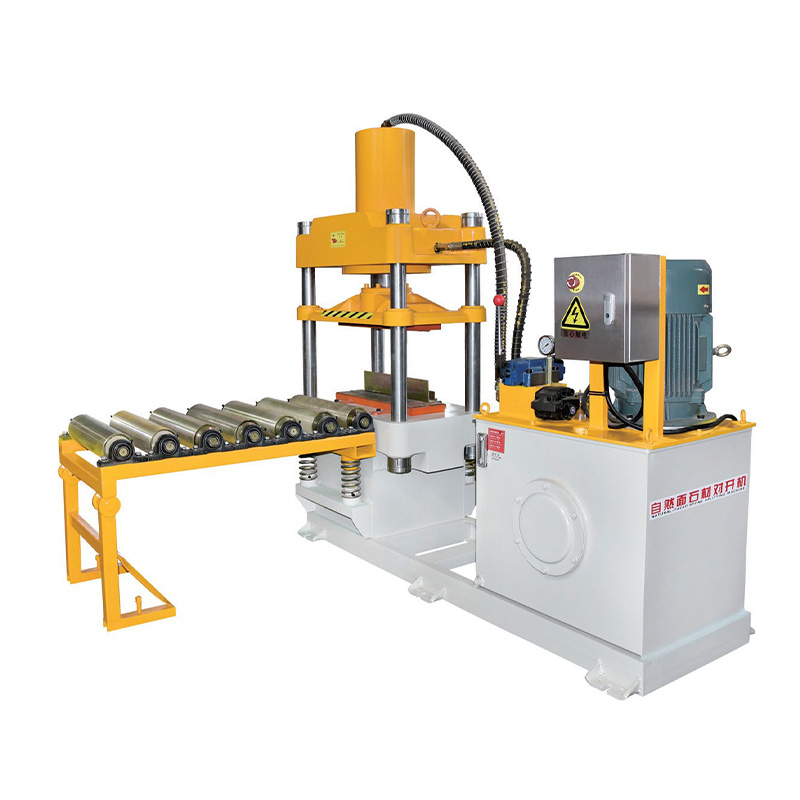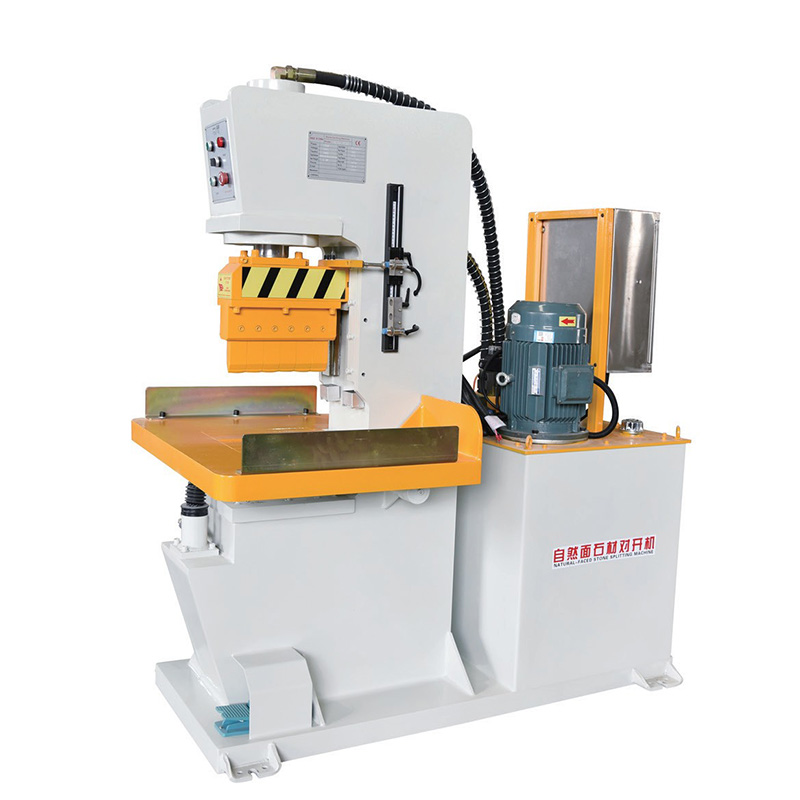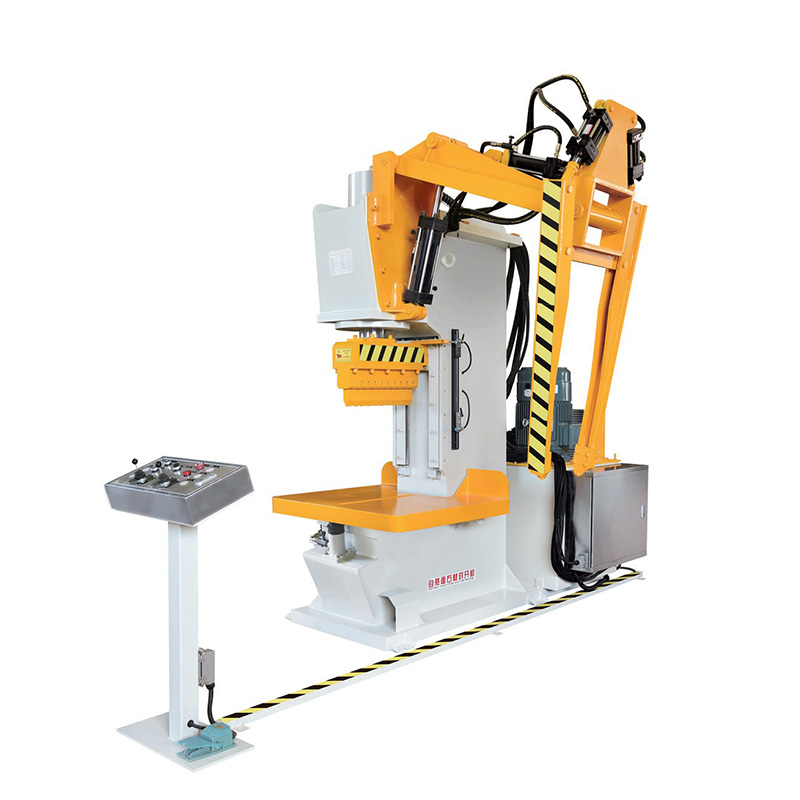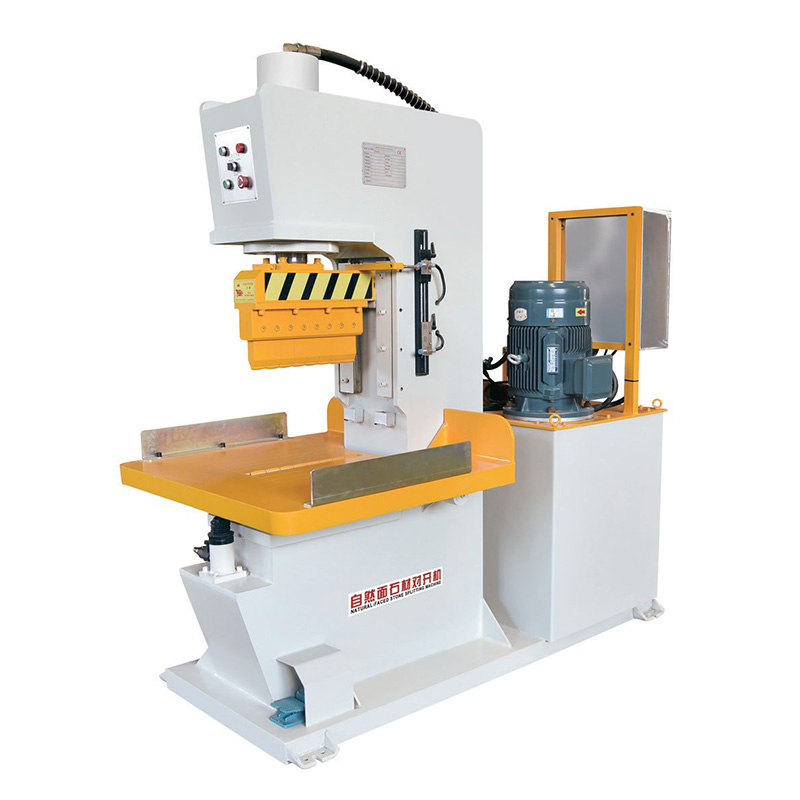







Jaw Stone Crusher Manufacturer | Compact 2 T/H Crusher | Speedone
- Вес : 0.45 T
- Power : 4 KW
- Voltage/Frequency : 380V/50HZ
- Feeding Size : 12x18cm
- Output Size : 2-3cm
Описание товара
2 T/H Jaw Stone Crusher for Granite, Limestone & Rock
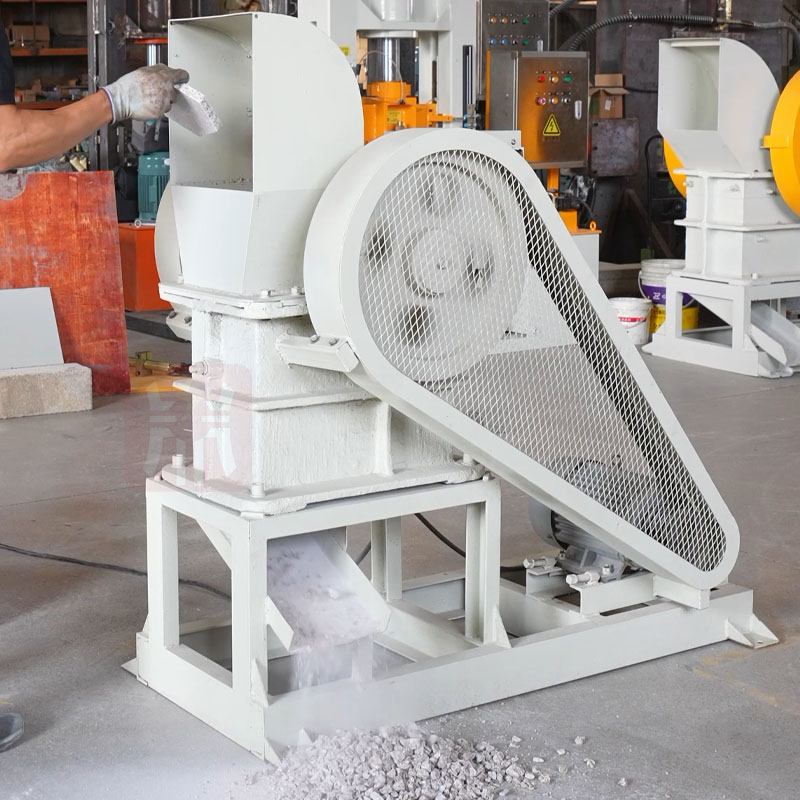
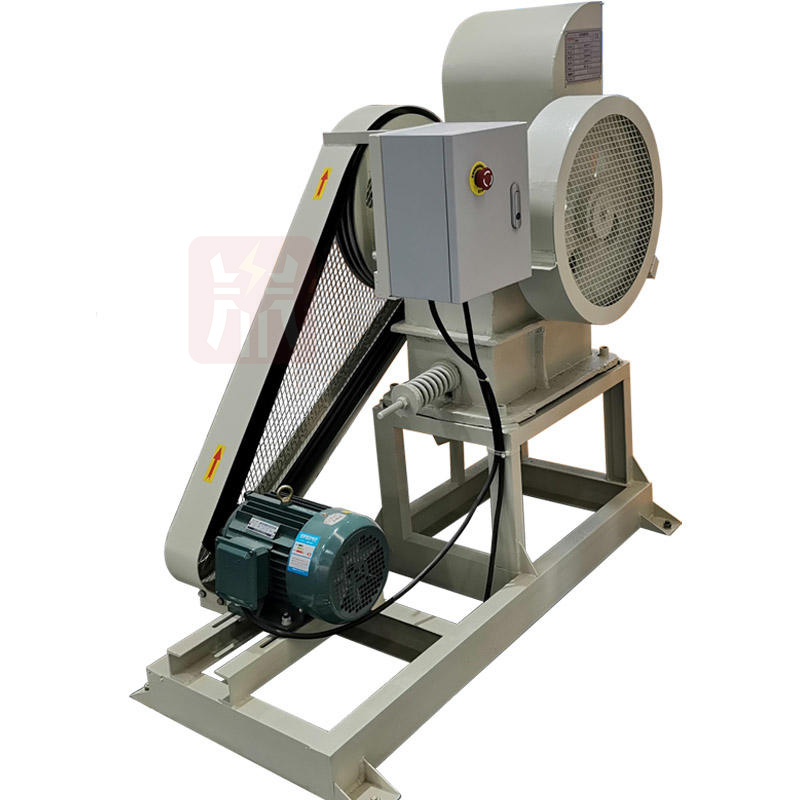
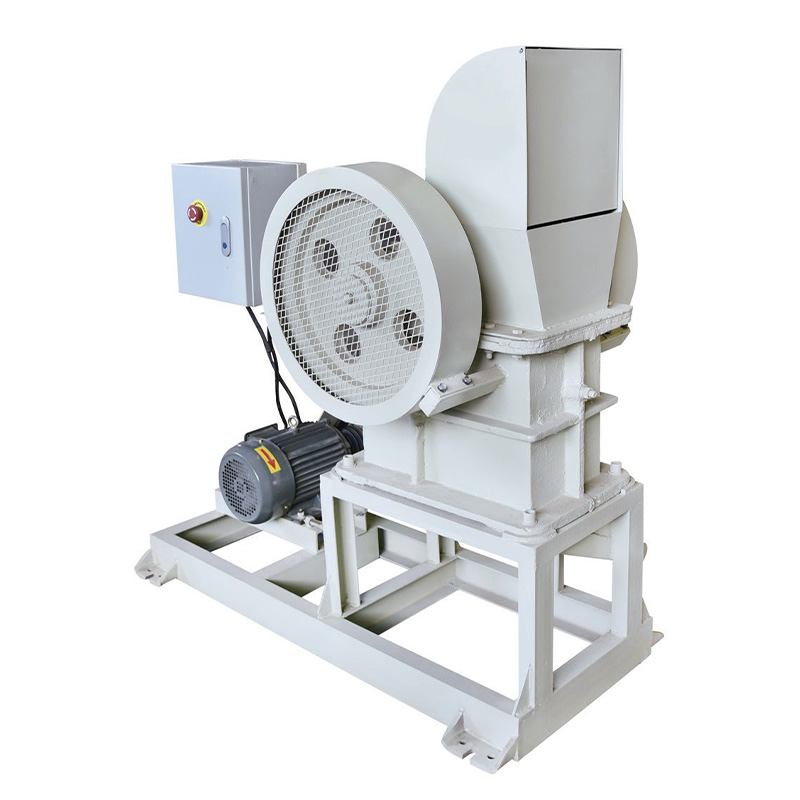
Спидон jaw stone crusher KSP-1218 is a compact stationary crushing machine designed for small stone factories, secondary crushing stations and suitable stone-waste processing. According to the supplied specifications, the machine uses 4 kW power, 380V/50Hz electricity, a 12×18 cm feeding size and a listed 2–3 cm output size, with an approximate production capacity of 2 T/H. Its compact size makes it especially suitable for buyers who need lower-volume crushing without installing a larger crushing system.
What Is a Jaw Stone Crusher?
 |
|
| Product display and product application demonstration | |
A jaw stone crusher is industrial equipment used to reduce larger pieces of natural stone or rock into smaller material through mechanical compression.
Its main purpose is size reduction.
This is different from a stone splitter. A splitter tries to preserve useful stone shapes such as wall stone, paving pieces or cubes, while a jaw crusher intentionally breaks the material into smaller aggregate-sized pieces.
Typical materials may include:
- Гранит
- Limestone
- Мрамор
- Sandstone
- Natural rock
- Construction stone
- Selected clean stone offcuts
The Speedone KSP-1218 is particularly suitable for factories and workshops that do not need a large quarry-style crusher but still require a dedicated machine for small-volume stone crushing.
Speedone KSP-1218 Jaw Stone Crusher Specifications
| Технические характеристики | KSP-1218 |
|---|---|
| Machine Type | Jaw Stone Crusher |
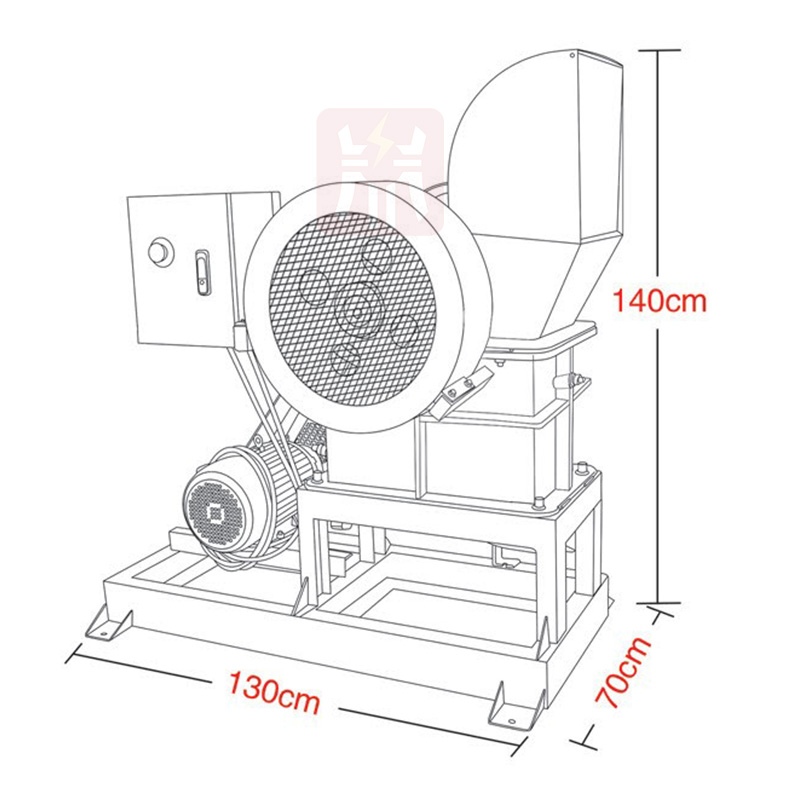
| Overall Size (L×W×H) | 130 × 70 × 140 cm |
| Вес нетто | 0.45 T |
| Power | 4 kW |
| Voltage / Frequency | 380V / 50Hz |
| Feeding Size | 12 × 18 cm |
| Listed Output Size | 2–3 cm |
| Output | Approx. 2 T/H |
| Размер упаковки | 140 × 80 × 150 cm |
| Вес брутто | 0.55 T |
The listed 2 T/H capacity is an approximate product specification. Actual output can vary according to stone hardness, feed size, moisture, feeding consistency, machine condition and required discharge size.
Why Choose a Compact 2 T/H Jaw Stone Crusher?
Large crushing plants are not always practical for stone fabrication factories.
If crushing is only a secondary process, a smaller machine can be easier to install and operate.
The KSP-1218 is especially relevant when buyers need:
- Approx. 2 T/H crushing capacity
- Compact machine dimensions
- 4 kW motor power
- 12×18 cm feeding size
- 2–3 cm crushed-stone output
- Small-volume stone recycling
- An independent crushing station
This makes the machine suitable for workshops where crushing is useful but is not the main production process.
 |
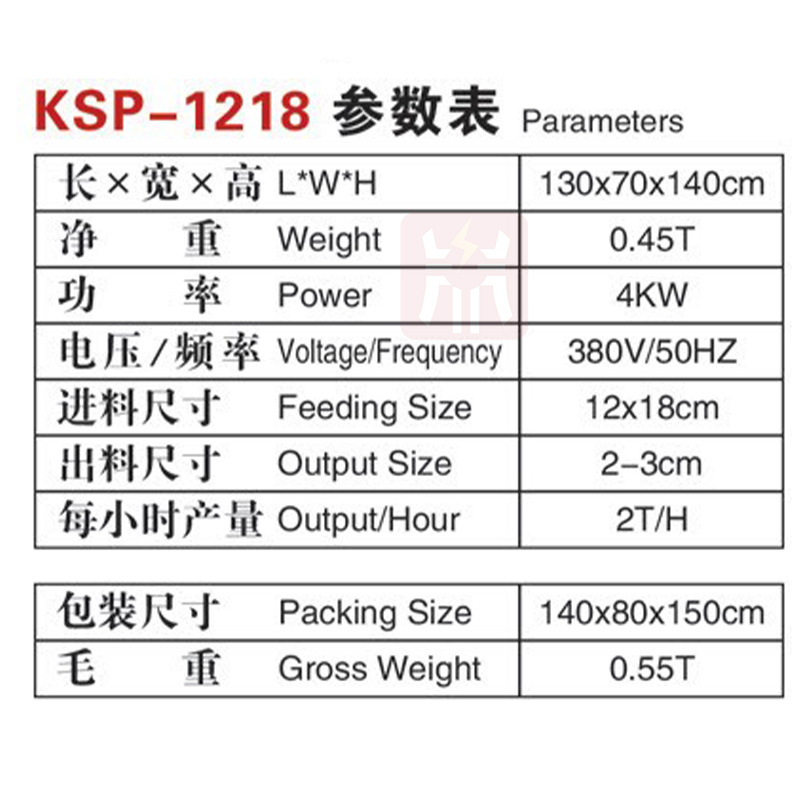 |
| Product size display and information parameter table | |
How Does a Jaw Stone Crusher Work?
A typical crushing process is:
Stone Preparation → Feeding → Compression → Progressive Fracture → Size Reduction → Discharge
1. Prepare the Stone
Check the incoming material and remove foreign objects before feeding.
2. Feed the Crusher
Stone enters through the upper feeding opening.
3. Apply Compression
The crushing mechanism repeatedly applies mechanical force to the material.
4. Reduce the Stone Size
Larger pieces progressively break into smaller particles as they move through the crushing area.
5. Discharge the Material
Once the stone reaches a suitable size, it exits through the lower discharge section.
Jaw Crushing vs. Stone Cutting
A jaw crusher and a stone saw are used for completely different purposes.
| Характеристика | Jaw Stone Crusher | Stone Saw |
|---|---|---|
| Process | Compression crushing | Cutting |
| Main Goal | Reduce stone size | Create dimensional stone |
| Finished Material | Aggregate / crushed stone | Slabs, strips or blocks |
Jaw Stone Crusher for Granite
Granite is a hard natural stone widely used for countertops, monuments, paving and architectural products.
Granite processing can also generate irregular pieces that are no longer suitable for their original use.
Selected clean granite offcuts may be reduced into:
- Granite aggregate
- Landscape gravel
- Construction stone
- Road-base material
- Secondary recycled stone
Because granite hardness varies, actual KSP-1218 output should be evaluated according to the real material rather than assuming the same capacity for every granite.
Jaw Stone Crusher for Limestone
Limestone is widely used in construction and landscape applications.
A compact jaw crusher can reduce suitable limestone pieces into smaller material for secondary use.
Possible applications include:
- Limestone aggregate
- Road-base material
- Landscape stone
- Construction material
- Secondary crushed products
Material density, moisture and incoming size can influence crushing performance.
Jaw Stone Crusher for Marble
Marble factories often produce offcuts during slab cutting and countertop fabrication.
Selected clean marble pieces may be crushed for secondary applications.
Potential uses include:
- Decorative aggregate
- Landscape gravel
- Selected construction material
- Further secondary processing
Marble containing resin, backing mesh, adhesives, metal or other foreign material should be sorted before crushing.
Jaw Stone Crusher for Rock
“Rock crusher” is a broad equipment category.
The KSP-1218 is better suited to relatively small-volume factory or workshop crushing rather than large quarry production.
Before choosing the machine, buyers should provide:
- Rock type
- Maximum feed size
- Required output size
- Required tons per hour
Jaw Stone Crusher for Stone Factory Waste
One of the strongest applications for a compact crusher is processing selected stone-factory offcuts.
A typical process is:
Stone Offcuts → Sorting → Remove Foreign Material → Pre-Sizing → Jaw Crushing → Collection
However, larger offcuts should not automatically be crushed.
Some pieces may still be suitable for wall stone or natural split products.
Factories can first evaluate usable material with Speedone’s natural stone splitter for architectural and wall stone before crushing the remaining suitable material.
2 T/H Jaw Stone Crusher Capacity
The KSP-1218 lists an approximate capacity of 2 T/H.
This makes it particularly suitable for:
- Small stone fabrication factories
- Stone-waste recycling areas
- Low-volume aggregate production
- Secondary factory processing
- Workshops with limited crushing demand
Actual capacity can change according to:
- Stone hardness
- Incoming size
- Feeding consistency
- Material moisture
- Required output size
12×18 cm Feeding Size
The supplied KSP-1218 specification lists a feeding size of 12×18 cm.
Incoming stone larger than the approved range should be pre-sized before feeding.
More consistent incoming material can help improve:
- Material flow
- Crushing stability
- Machine loading
- Production consistency
2–3 cm Crushed Stone Output
The supplied product information lists a discharge size of approximately 2–3 cm.
This is suitable for buyers who need aggregate-sized output rather than dimensional stone products.
Final suitability for construction, landscape or road applications should be confirmed according to local project requirements.
4 kW Compact Jaw Crusher
The KSP-1218 specification lists a 4 kW motor.
The supplied electrical configuration is:
380V / 50Hz
Before ordering, buyers should confirm:
- Factory voltage
- Frequency
- Available electrical capacity
- Local electrical requirements
- Installation conditions
Compact Machine Footprint
The KSP-1218 has an overall size of approximately:
130 × 70 × 140 cm
This compact size makes it easier to integrate into smaller workshops than Speedone’s higher-capacity crushers.
Installation planning should still allow enough space for:
- Stone feeding
- Crushed-material discharge
- Operator access
- Техническое обслуживание
- Electrical connection
Belt Drive and Flywheel Structure
The machine uses a belt-driven transmission system and protected rotating flywheel.
These components transfer power from the motor to the crushing mechanism.
Routine inspection should include:
- Belt condition
- Belt tension
- Pulley alignment
- Flywheel condition
- Protective guards
Rotating parts should remain properly guarded whenever the crusher is operating.
KSP-1218 vs. 4 T/H Stone Crusher
The KSP-1218 and KSP-1525 are designed for different crushing volumes.
| Factor | KSP-1218 | KSP-1525 |
|---|---|---|
| Listed Capacity | Approx. 2 T/H | Approx. 4 T/H |
| Power | 4 kW | 7.5 kW |
| Feed Size | 12 × 18 cm | 15 × 25 cm |
| Best Fit | Compact low-volume crushing | Higher factory crushing demand |
Factories requiring more output can compare Speedone’s 4 T/H stone crusher.
KSP-1218 vs. 15 T/H Jaw Stone Crusher
The difference is even clearer when compared with Speedone’s larger 15 T/H crusher.
The KSP-1218 focuses on:
- Compact installation
- Lower crushing volume
- Smaller feed size
- Lower motor power
- Small-factory integration
For substantially higher crushing demand, buyers can review Speedone’s 15 T/H jaw stone crusher machine.
Standalone Jaw Crusher vs. Complete Crushing Line
The KSP-1218 is a standalone crushing unit.
A complete crushing line adds conveyors and screening equipment around the crusher.
| Factor | Standalone Jaw Crusher | Complete Crushing Line |
|---|---|---|
| Crusher | Included | Included |
| Conveyors | Separate if required | Integrated |
| Screening | Separate if required | Can be integrated |
| Installation Area | Smaller | Larger |
Buyers who need crushing, conveying and screening in one workflow can review Speedone’s small stone crusher machine crushing line.
Jaw Crusher vs. Decorative Stone Processing
A jaw crusher is used when the goal is to reduce stone into smaller fragments.
If the incoming stone can still become a higher-value dimensional product, crushing may not be the first choice.
For mould-based granite and marble products, buyers can review Speedone’s stone pressing machine for granite and marble.
For decorative hydraulic forming, Speedone also provides a hydraulic stone stamping machine.
When Should a Stone Factory Use a Jaw Crusher?
A crusher is most useful when the stone no longer has enough value or suitable geometry for a higher-value dimensional product.
A practical material-use sequence is:
Finished Stone Product → Secondary Stone Product → Split / Press / Stamp if Suitable → Crush Suitable Remaining Material
This helps factories avoid crushing larger pieces that may still be useful as wall stone, paving stone or decorative products.
Jaw Stone Crusher for Small Aggregate Production
The KSP-1218 can be useful where aggregate demand is relatively limited.
Possible applications include:
- Landscape aggregate
- Construction stone
- Road-base material
- Secondary processed stone
- Small-volume recycled stone
The final crushed material should still be evaluated according to the requirements of the downstream application.
Planning a Compact Crushing Station
A simple workshop workflow may include:
Stone Collection → Sorting → Pre-Sizing → Jaw Crusher → Material Collection → Screening if Required
Before installation, consider:
- Raw-material storage
- Crusher position
- Operator access
- Material discharge
- Aggregate collection
- Dust control
- Electrical supply
- Maintenance space
How to Choose the Right Jaw Stone Crusher
1. Define the Stone Material
Specify granite, limestone, marble, sandstone or another material.
2. Define Maximum Feed Size
Provide the largest routine incoming stone size.
3. Define Required Output Size
Specify the required crushed-stone particle size.
4. Define Required Capacity
Estimate realistic tons per hour.
5. Consider Stone Hardness
Harder stone can affect capacity and wear.
6. Define the Final Application
Clarify whether the output will be used for aggregate, recycling, construction or landscaping.
7. Confirm Factory Power
Provide voltage and frequency.
8. Check Available Space
Make sure the machine fits the intended production area with enough working clearance.
9. Plan Stone Feeding
Determine how stone will be safely moved into the crusher.
10. Plan Material Collection
Leave enough space for crushed-stone discharge and storage.
11. Consider Wear Parts
Crusher wear parts should be included in long-term operating-cost planning.
12. Evaluate Supplier Support
Technical documentation, spare parts and application support are important for professional stone machinery.
Information to Send Speedone for a Quotation
To help Speedone evaluate the correct jaw stone crusher, provide:
- Stone material
- Raw-material photographs
- Typical feed size
- Maximum feed size
- Required output size
- Required tons per hour
- Daily operating hours
- Material moisture condition
- Intended use of crushed stone
- Factory voltage
- Factory frequency
- Available installation area
- Preferred feeding method
- Preferred material collection method
Common Jaw Stone Crusher Problems
Capacity Is Lower Than Expected
Check material hardness, incoming size, feeding consistency and required output size.
Stone Blocks the Feed Opening
Oversized or irregular material may cause blockage. Stop and isolate the machine before checking the problem.
Drive Belts Wear Too Quickly
Inspect belt tension, alignment and pulley condition.
Machine Vibration Changes Suddenly
Stop the crusher and inspect it before continued operation.
Output Size Is Not Suitable
Confirm that the stone and machine configuration are suitable for the required discharge size.
Material Builds Up at the Discharge
Improve collection and make sure downstream material does not restrict the crusher outlet.
Jaw Stone Crusher Maintenance
Routine inspection should include:
- Electric motor
- Drive belts
- Flywheel
- Safety guards
- Crushing area
- Crusher wear components
- Bearings
- Fasteners
- Main steel frame
- Electrical controls
- Feed opening
- Discharge area
Maintenance frequency should reflect operating hours, material hardness and actual working conditions.
Damaged guards, drive components or wear parts should be repaired or replaced before continued operation.
Jaw Stone Crusher Safety
A jaw crusher combines heavy stone, strong crushing force and rotating mechanical components.
- Only trained personnel should operate the crusher.
- Keep hands away from the feed opening.
- Never reach into the crushing area while power is connected.
- Keep belt and flywheel guards installed.
- Do not feed material larger than the approved range.
- Use suitable handling equipment for heavy stone.
- Keep loose clothing away from rotating parts.
- Wear appropriate personal protective equipment.
- Control dust according to workplace requirements.
- Keep unauthorized personnel away from the machine.
- Follow lockout procedures before maintenance.
- Replace damaged drive or wear components before continued operation.
Who Uses Compact Jaw Stone Crushers?
The Speedone KSP-1218 may be suitable for:
- Small stone fabrication factories
- Granite processors
- Marble workshops
- Building-stone factories
- Small aggregate producers
- Landscape stone suppliers
- Stone recycling operations
- Secondary quarry processing
- Stone machinery distributors
Почему стоит выбрать Speedone?
Speedone supplies professional equipment for stone processing, handling and factory production.
When choosing a jaw stone crusher, buyers should compare the complete crushing requirement rather than selecting equipment only by motor power.
A practical selection process is:
Stone Material → Maximum Feed Size → Required Output Size → Required T/H → Factory Space → Power Supply → Feeding & Collection
Important purchasing factors include:
- Feed opening
- Crushing capacity
- Output size
- Motor power
- Machine footprint
- Belt-drive system
- Flywheel protection
- Wear-part availability
- Maintenance access
- Electrical compatibility
- Technical documentation
- Supplier communication
The Speedone KSP-1218 jaw stone crusher is positioned as a compact approximately 2 T/H crushing solution with 4 kW power, a listed 12×18 cm feeding size and 2–3 cm output. Compared with Speedone’s 4 T/H and 15 T/H crushers, this model is better suited to buyers who prioritize compact installation, lower production volume and small-scale stone or factory-waste processing.
Часто задаваемые вопросы
What is a jaw stone crusher?
A jaw stone crusher uses mechanical compression to reduce larger natural stone or rock into smaller aggregate-sized material.
What is the Speedone KSP-1218 used for?
The KSP-1218 is designed for compact stone crushing with a listed production capacity of approximately 2 T/H.
What is the power of the KSP-1218?
The supplied specification lists 4 kW motor power.
What is the feeding size?
The supplied KSP-1218 specification lists a feeding size of 12×18 cm.
What output size does it produce?
The supplied product information lists a 2–3 cm output size.
Can the jaw stone crusher process granite?
Suitable granite can be crushed, although actual capacity depends on granite hardness, incoming size and required output.
Can it crush limestone?
Suitable limestone can be processed when the incoming stone remains within the approved feed range.
Can it crush marble?
Suitable clean marble pieces can be reduced into smaller material, subject to stone condition and downstream requirements.
What is the difference between the KSP-1218 and KSP-1525?
The KSP-1218 is positioned around approximately 2 T/H and 4 kW, while the KSP-1525 is designed for approximately 4 T/H and higher factory crushing demand.
Can it process stone factory waste?
Selected clean stone offcuts may be suitable after sorting and pre-sizing. Foreign or contaminated material should be removed before crushing.
Is the listed 2 T/H output guaranteed for every stone?
No. Actual output can vary according to stone hardness, feed size, feeding consistency, moisture and required discharge size.
What information should I provide for a quotation?
Provide the stone type, raw-material photos, typical and maximum feed dimensions, required output size, tons-per-hour target, operating hours, factory power supply and available installation area.