

Heavy Duty Wire Rope Slab Lifting Beam for Forklift and Crane Applications | Speedone
 |
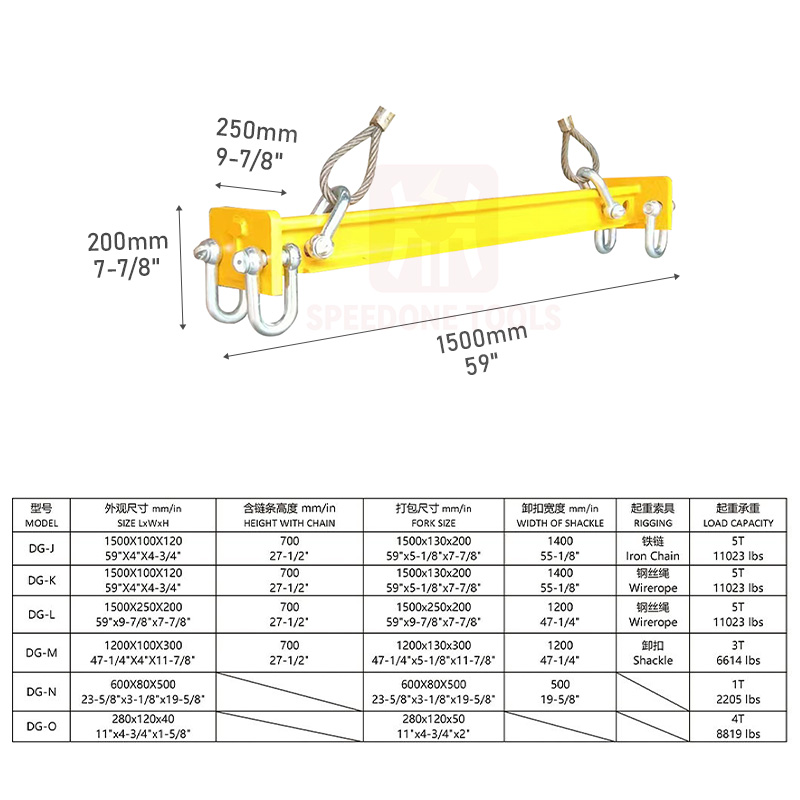 |
| Product size specification | |
Who This Wire Rope Slab Lifting Beam Is For
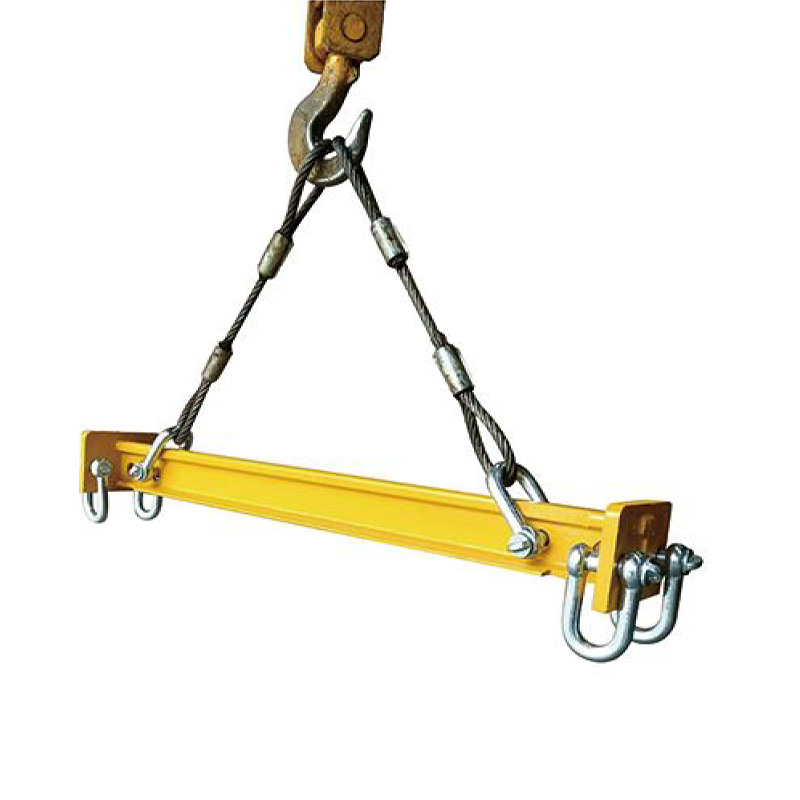
This wire rope slab lifting beam is developed for industrial users who require smooth lifting performance and reliable slab handling in daily operations.
It is widely used by:
- Steel processing and fabrication plants
- Stone slab and marble manufacturers
- Warehouse and logistics operations
- Construction and infrastructure projects
- Factories handling finished surface materials
If your operation requires stable lifting, reduced vibration, and better load flexibility, this wire rope lifting beam is an excellent solution.
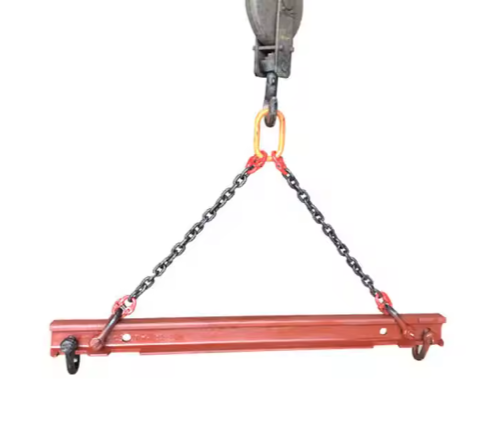
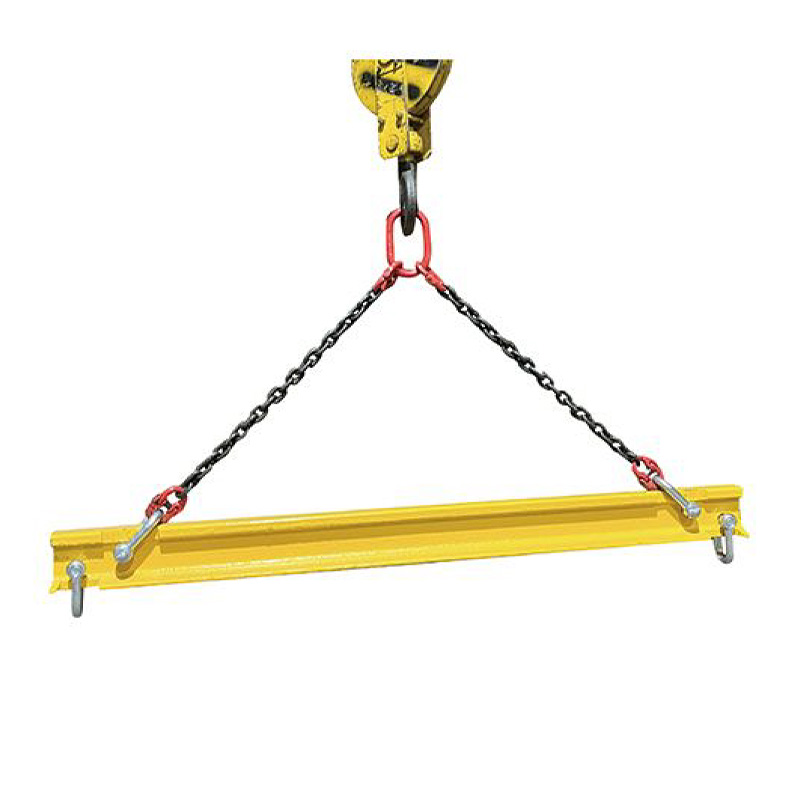
The Speedone lifting beam combines reinforced steel construction with industrial-grade wire rope rigging. This design helps operators handle heavy slabs more smoothly while protecting the material surface.
For many overseas buyers, lifting equipment is not only about capacity. In real production environments, smooth handling is just as important as strength. Scratches, edge cracks, and unstable lifting can create expensive losses, especially when handling polished stone slabs, coated steel plates, or finished materials.
That is why many factories prefer wire rope lifting systems for applications where surface protection and lifting precision matter.
What Makes a Wire Rope Slab Lifting Beam More Flexible
The biggest advantage of a wire rope slab lifting beam is flexibility.
Compared with rigid lifting systems, wire ropes allow slight natural movement during lifting. This helps reduce sudden impact and improves load balance.
- Better shock absorption during lifting
- Reduced vibration and surface impact
- Improved adaptability to irregular loads
- More stable lifting for delicate materials
- Reduced stress concentration on slab edges
In real working conditions, not all slabs or steel plates are perfectly balanced. Some loads may have uneven weight distribution or different thicknesses. A flexible wire rope system adapts more naturally to these conditions.
This makes lifting smoother and easier to control.
For operators, smoother lifting means better safety and less difficulty during positioning. For business owners, it means lower material damage rates and more stable production efficiency.
Engineering Strength: Built for Industrial Stability
The wire rope slab lifting beam is manufactured using reinforced structural steel to ensure durability under heavy-duty industrial conditions.
The wire rope rigging system distributes lifting force evenly across the load surface. This improves stability and minimizes sudden movement during transport.
Precision welding and reinforced stress points help maintain structural integrity even under continuous use.
Each lifting beam undergoes strict load testing before shipment to ensure reliable performance and compliance with industrial safety standards.
From an engineering perspective, this design combines two important advantages:
- Structural strength from the steel beam
- Flexible movement from the wire rope system
This combination allows the lifting beam to support heavy loads while still providing smoother handling.
For industries handling fragile or high-value materials, this balance between strength and flexibility is extremely important.
Wire Rope vs Chain Lifting Beam: Key Differences
| Feature | Wire Rope Beam | Chain Beam |
|---|---|---|
| Flexibility | High | Lower |
| Shock Absorption | Excellent | Limited |
| Surface Protection | Better | Moderate |
| Handling Precision | Higher | Standard |
| Suitability for Delicate Materials | Excellent | Moderate |
Both systems have advantages, but they are designed for different working environments.
If your operation focuses on smooth handling and material protection, wire rope lifting beams are usually the better option.
If your environment is extremely rough and requires maximum impact resistance, chain systems may be preferred.
Real-World Applications
This wire rope slab lifting beam is widely used across industrial sectors:
- Steel plate and slab lifting
- Stone slab and marble transport
- Finished metal sheet handling
- Warehouse logistics operations
- Construction material lifting
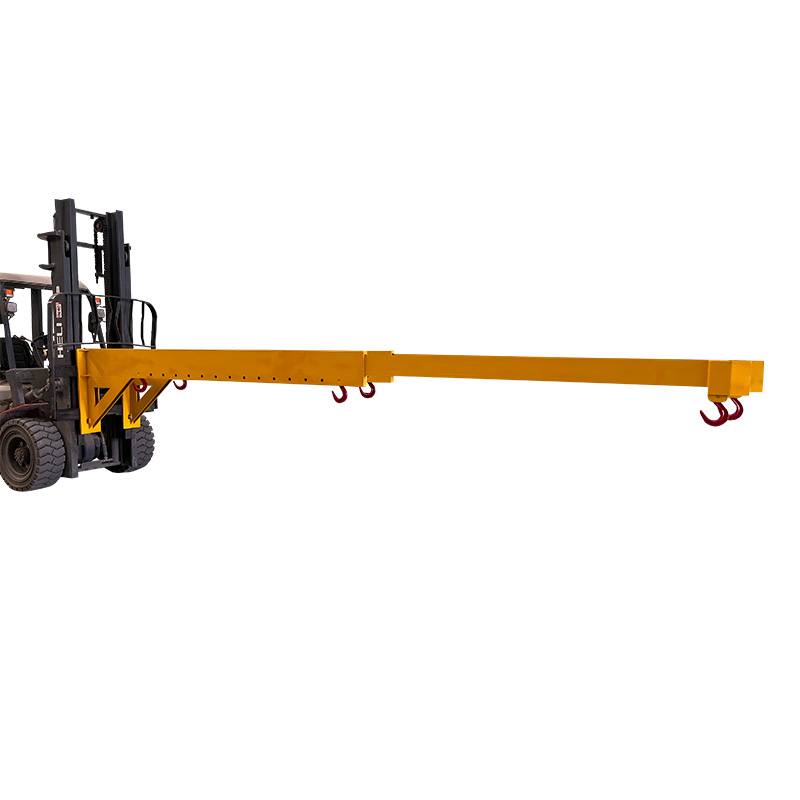
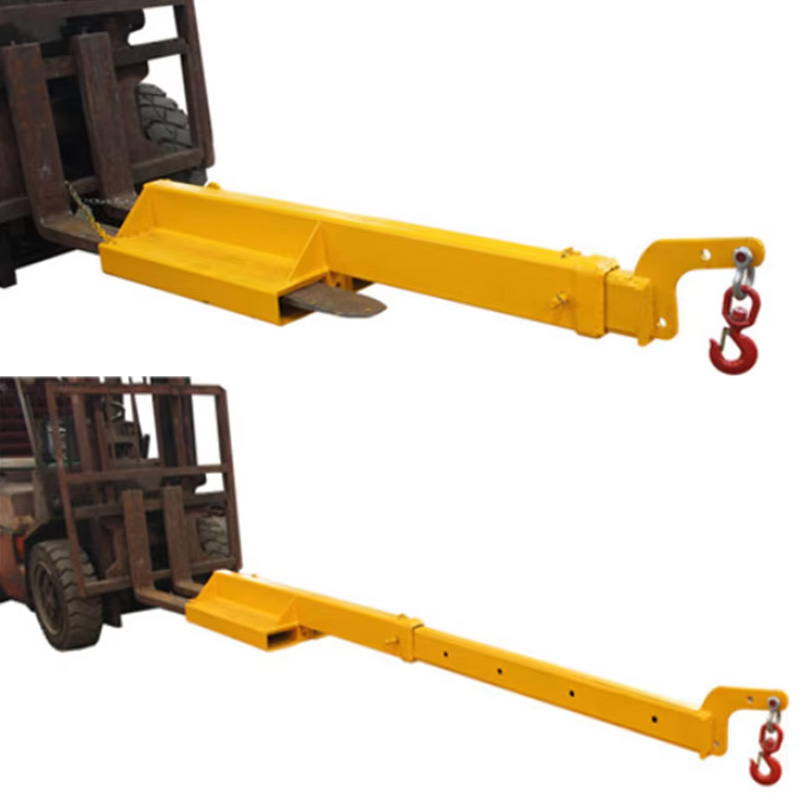
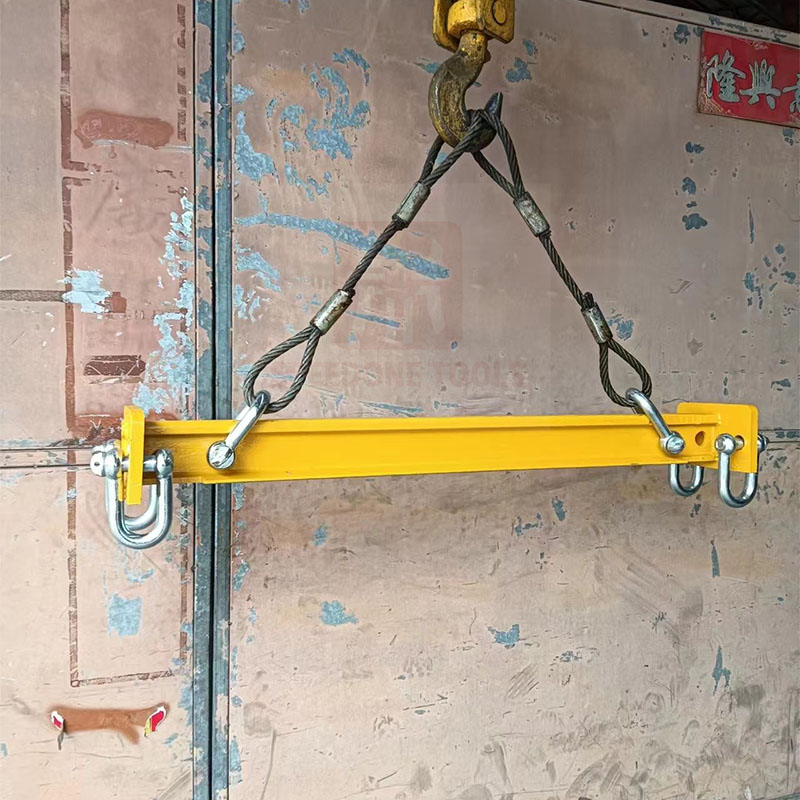
Its compatibility with forklifts and overhead cranes allows flexible use in different industrial environments.
In steel factories, it helps reduce scratches and deformation when moving large plates.
In stone processing plants, it improves handling safety for marble and granite slabs.
In warehouses, it supports smooth movement of oversized materials without damaging the surface.
In construction projects, it provides better control during lifting and positioning.
 |
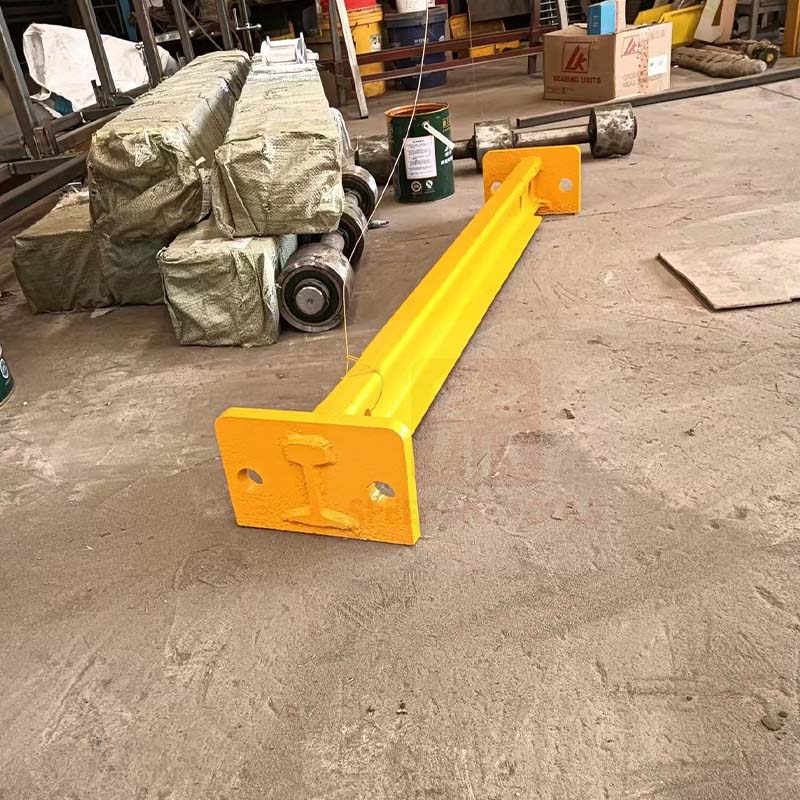 |
| Product dimensions diagram | |
Why Smooth Lifting Matters in Industrial Operations
Many buyers focus only on lifting capacity, but smooth lifting performance is also critical.
A lifting system that causes sudden movement can damage expensive materials and increase safety risks.
Smooth lifting provides several practical benefits:
- Lower material damage risk
- Better operator control
- Improved workplace safety
- Reduced stress on lifting equipment
- More stable load positioning
For factories handling finished or delicate products, these advantages can significantly reduce long-term operating costs.
Even a small reduction in damage rate can create major savings over time.
Related Slab Lifting Equipment
For high-capacity slab handling, the
5T slab lifting system with beam
provides strong lifting capability.
For improved lifting stability, the
stable slab lifting equipment
ensures safe operation.
For lighter lifting applications, the
2T slab lifter solution
offers efficient material handling.
Additional Lifting Solutions
The
stabilizer slab lifting equipment
improves load control and positioning.
The
adjustable lifting beam system
provides flexible slab lifting configurations.
The
hot-selling slab lifting equipment
is widely used for industrial slab handling.
Why Wire Rope Systems Reduce Material Damage
Traditional rigid lifting systems may transfer excessive stress directly to the slab surface.
This increases the risk of scratches, cracks, and edge damage.
A wire rope slab lifting beam helps reduce these risks through smoother force distribution and flexible support.
- Less impact during lifting and lowering
- Reduced edge cracking risk
- Better protection for polished surfaces
- Improved handling of irregular slab sizes
This is why many factories prefer wire rope systems for delicate or finished materials.
For export businesses, reducing material damage is especially important. Damaged slabs or scratched steel plates may fail customer inspections and create additional replacement costs.
Using the right lifting equipment helps improve product quality consistency.
Common Buyer Mistakes
Many lifting problems happen because buyers focus only on price or load capacity.
Some common mistakes include:
- Choosing rigid systems for delicate materials
- Ignoring vibration and surface protection
- Selecting equipment based only on lifting weight
- Not considering actual working conditions
- Overlooking long-term maintenance requirements
Professional buyers usually evaluate total operating performance instead of only initial purchase cost.
Choosing the correct lifting beam can improve efficiency, reduce product damage, and lower maintenance problems over time.
How to Choose the Right Wire Rope Slab Lifting Beam
When selecting a wire rope slab lifting beam, buyers should consider several important factors:
- Required load capacity
- Material type and surface condition
- Working environment
- Forklift or crane compatibility
- Beam length and lifting width
- Daily usage frequency
For operations handling finished materials every day, investing in a high-quality lifting beam usually provides better long-term value.
It improves workflow stability, reduces damage risk, and supports safer handling.
References
- ASME BTH-1 Below-the-Hook Lifting Devices – ASME Standard
- ASME B30.20 Below-the-Hook Lifting Devices Safety – ASME Committee
- ISO 12100 Safety of Machinery – International Organization for Standardization
- EN 13155 Non-Fixed Load Lifting Attachments – European Standard
- OSHA Overhead and Gantry Crane Regulations – U.S. Department of Labor
- LOLER 1998 Lifting Operations Regulations – UK Health and Safety Executive
- PUWER Work Equipment Regulations – UK Health and Safety Executive
- Rigging Handbook – Industrial Training International
Frequently Asked Questions
1. What is a wire rope slab lifting beam used for?
It is used for smooth and stable lifting of slabs, steel plates, and stone materials.
2. Why choose a wire rope lifting system?
Wire ropes provide flexibility, reduced vibration, and better load adaptability during lifting.
3. Can it be used with forklifts and cranes?
Yes, it supports both forklift and overhead crane lifting systems.
4. Is it suitable for delicate materials?
Yes, it reduces surface stress and minimizes damage risk during lifting.
5. Can it be customized?
Yes, specifications and configurations can be adjusted based on lifting requirements.