





30-Point Slab Transport A-Frame Buying Checklist for Stone Buyers

slab transport a-frame buying checklist
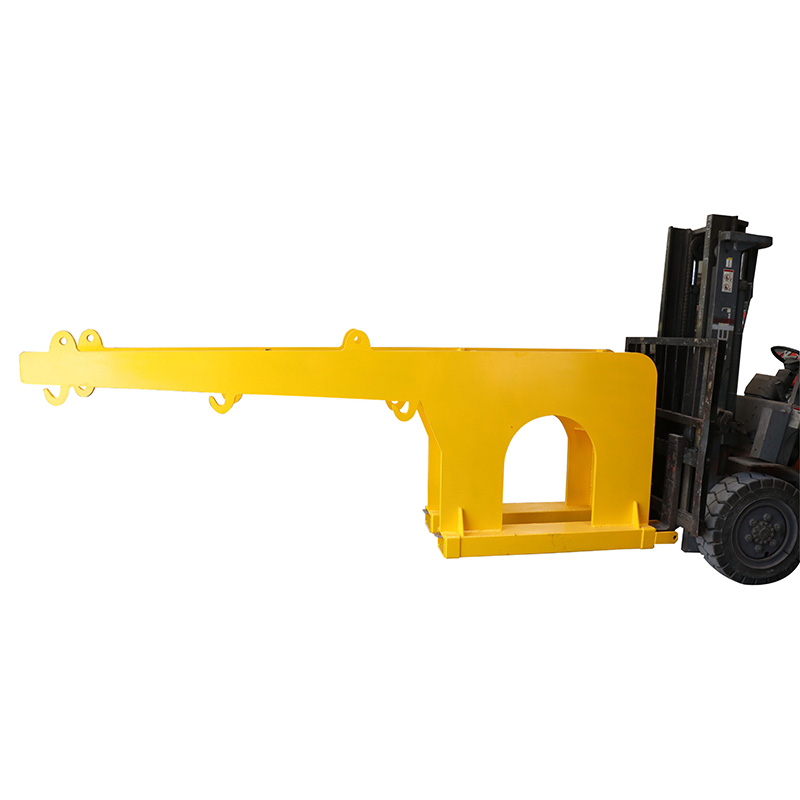
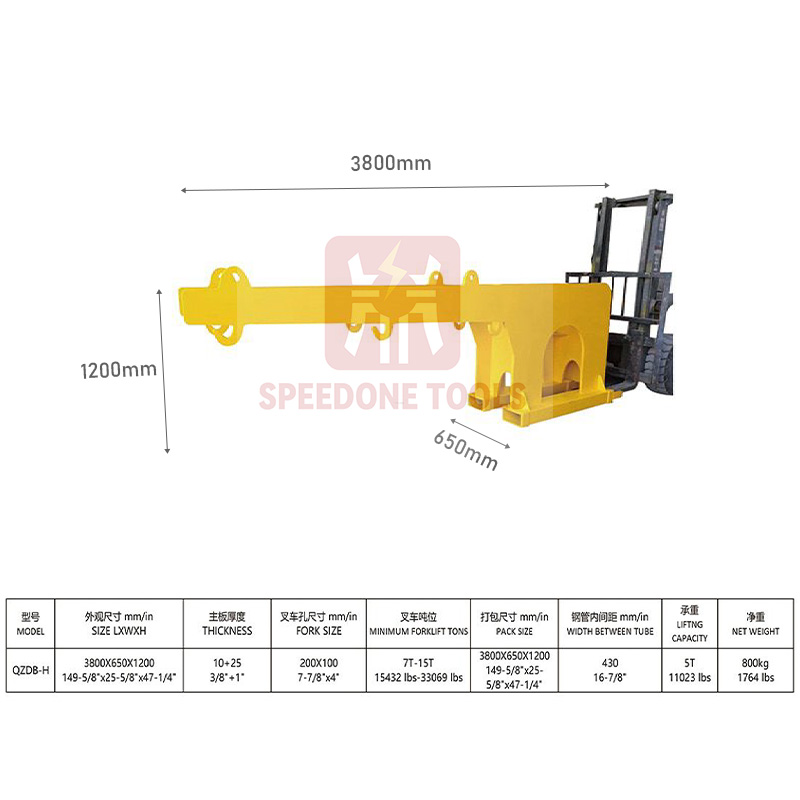
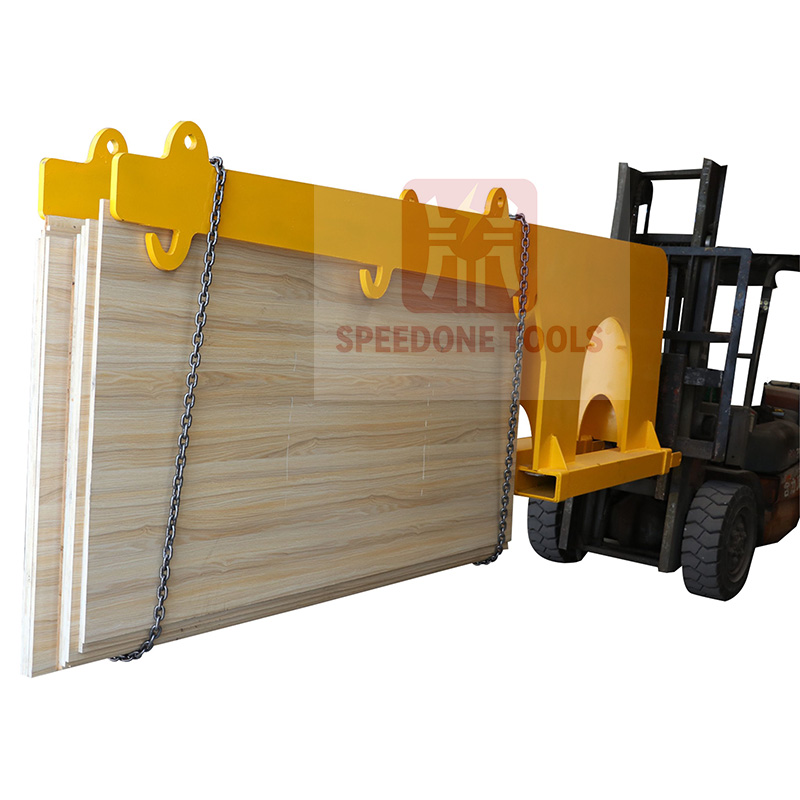
- Model : QZDB-H
- Load-bearing : 5T
- Overall dimensions : 3800*650*1200mm
- Net weight : 800kg
- Packaging dimensions : 3800*650*1200mm
Product Description
30-Point Slab Transport A-Frame Buying Checklist for Stone Buyers
A Slab Transport A-Frame is not simply a steel frame with wheels. For granite, marble, quartz, quartzite, porcelain, and other large panels, the complete transport system must match the real slab weight, dimensions, movement method, restraint requirements, floor conditions, and handling workflow.
A low-priced frame may look similar to a better-engineered model in a quotation photo, but important differences are often found in load ratings, weld quality, wheel capacity, fork access, slab-contact protection, locking components, structural geometry, inspection documentation, and packing design.
This guide is therefore structured as a procurement checklist rather than another general product-selection article. Use the questions below when comparing suppliers, reviewing technical drawings, or preparing an RFQ.
What Is a Slab Transport A-Frame?
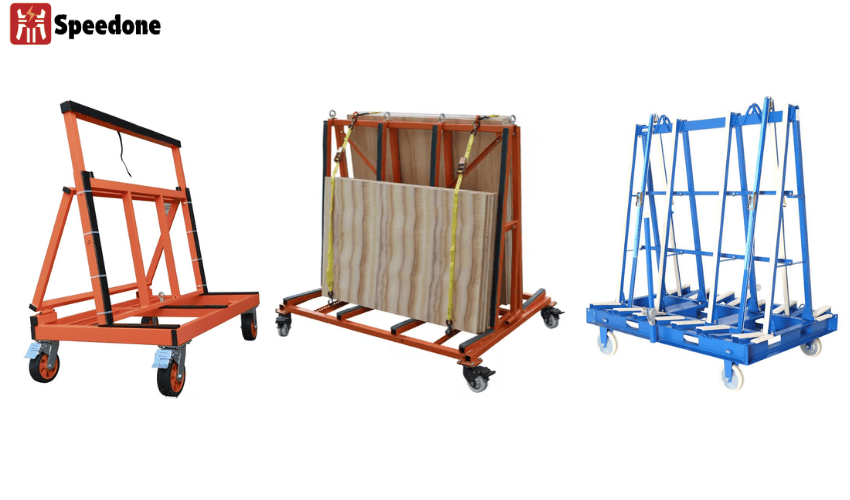
A slab transport A-frame is a material-handling structure designed to support large flat materials in an inclined or near-vertical position during movement, staging, or transport.
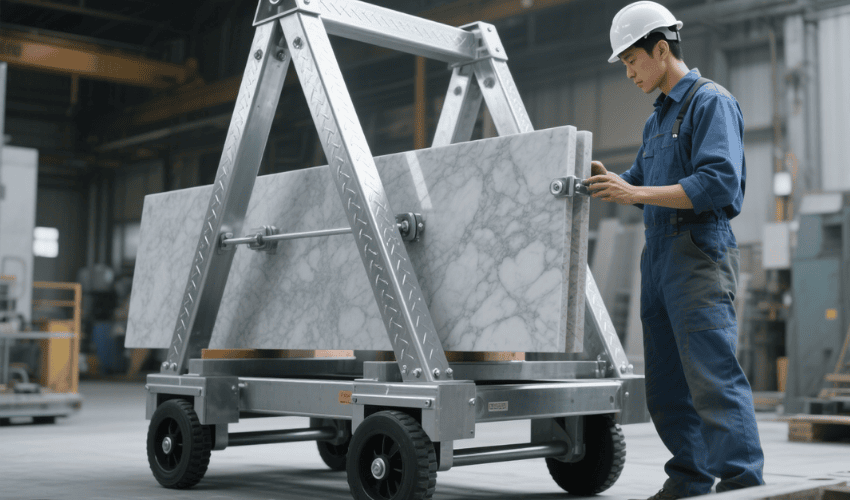
Depending on the configuration, movement may be provided by:
- integrated caster wheels,
- forklift pockets,
- a removable wheel system,
- truck or trailer transport,
- or a combination of several methods.
The correct configuration depends on the application. A frame intended primarily for factory-floor movement may require different wheels and brakes from one intended for forklift relocation or truck transport.
For a broader overview of available configurations, buyers can review the Speedone Slab Transport A-Frame range and the Slab Transport A-Frame Solution.
Six Things to Confirm Before Comparing Prices
| Priority | What to Confirm | Why It Matters |
|---|---|---|
| 1. Capacity | Actual static and/or dynamic rating | The real slab load must remain within the rated configuration. |
| 2. Slab Size | Maximum slab height, length, thickness and bundle width | Dimensional fit and weight capacity are separate requirements. |
| 3. Restraint | Bars, rods, straps, stops or other restraint methods | Slabs must remain controlled during the intended movement or transport. |
| 4. Mobility | Wheels, brakes, fork pockets and floor suitability | Mobility requirements change between factory, warehouse and truck applications. |
| 5. Protection | Rubber or other contact protection | Polished slabs should not contact unprotected steel surfaces where damage could occur. |
| 6. Documentation | Drawing, rating, test information, instructions and inspection records | A professional buying decision needs more than a product photograph. |
How Much Load Capacity Does Your A-Frame Need?
Capacity selection should begin with the actual weight of the slabs that will be loaded onto the frame.
Number of slabs × average verified slab weight
= estimated total slab load
If different slabs have different weights, calculate the combined weight of all materials intended to be loaded at the same time.
For example:
This number should then be compared with the rated configuration supplied by the manufacturer. Do not select an A-frame only from slab dimensions because large thin panels and smaller thick granite slabs can have very different weights.
Static vs Dynamic Load Capacity
One of the most useful questions in an A-frame quotation is whether the stated capacity is a static rating, a dynamic rating, or another defined load condition.
| Rating | Practical Meaning |
|---|---|
| Static Load Rating | The specified loading condition while the equipment is stationary. |
| Dynamic Load Rating | The specified load condition associated with movement under the manufacturer’s defined operating conditions. |
The two figures should not automatically be assumed to be identical. Movement can introduce additional forces through acceleration, braking, turning, uneven flooring and wheel impact.
Speedone Product Example: Why Load Definitions Matter
A real Speedone product example shows why buyers should ask for both static and dynamic data instead of requesting only “maximum capacity.”
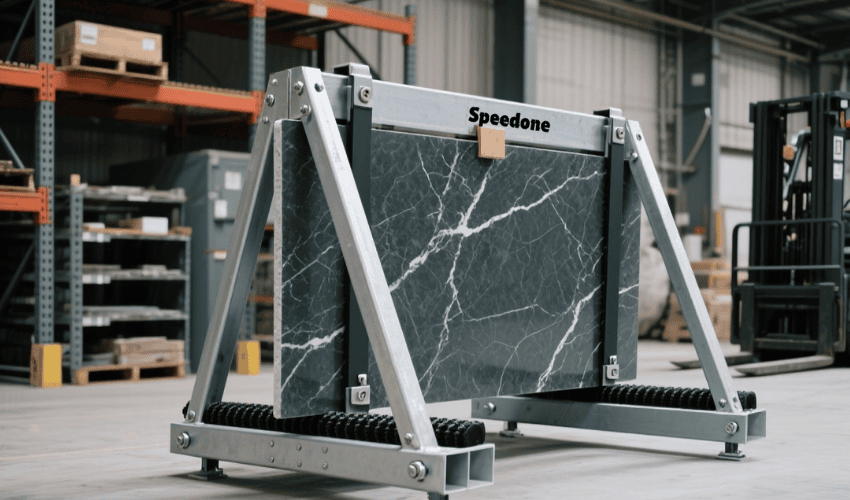
The Speedone Granite Transport A-Frame Rack is available in CPYS-1200-G and CPYS-1500-G configurations with separate published static and dynamic ratings.
| Specification | CPYS-1200-G | CPYS-1500-G |
|---|---|---|
| Dimensions | 1200 × 900 × 1050 mm | 1500 × 1100 × 1450 mm |
| Static Load Rating | 1.8T | 2T |
| Dynamic Load Rating | 1.6T | 1.6T |
| Wheel Size | 5″ | 5″ |
| Maximum Listed Slab Height | 850 mm | 1200 mm |
| Net Weight | 55 kg | 84 kg |
This illustrates an important procurement principle: frame dimensions, static capacity and dynamic capacity should be treated as separate specifications.
What Slab Information Should You Give the Supplier?
“We transport large granite slabs” is not enough information for a reliable quotation.
A better RFQ includes:
- maximum slab length,
- maximum slab height,
- slab thickness range,
- maximum individual slab weight,
- maximum total bundle weight,
- number of slabs carried together,
- single-sided or double-sided loading requirement,
- material type,
- indoor or outdoor use,
- and required movement method.
Wheeled vs Forklift vs Truck Transport A-Frame
| Configuration | Best Fit | Key Questions |
|---|---|---|
| Wheeled A-Frame | Frequent factory-floor or warehouse movement | Wheel rating, floor type, brake design, turning clearance |
| Forklift-Compatible A-Frame | Relocation using forklift forks | Fork pocket dimensions, access direction, loaded center of gravity |
| Truck Transport A-Frame | Road transport and delivery applications | Vehicle interface, restraints, tie-down arrangement, dimensions and destination requirements |
| Modular / Detachable A-Frame | Export packing or flexible layout requirements | Assembly method, locking components, packed dimensions |
Speedone’s Slab Transport A-Frame Solution includes configurations using detachable structures, removable wheels, forklift access, locking rods and protective contact strips. The exact configuration should still be matched to the buyer’s workflow.
The 30-Point Slab Transport A-Frame Buying Checklist
1. Supplier and Manufacturing – Questions 1–5
- Can the supplier provide an exact technical drawing for the quoted model?
- Can dimensions be adapted to the slab sizes you actually handle?
- Can the supplier provide production or inspection photos for your order?
- Can the supplier provide relevant factory or quality-management documentation where requested?
- Can the supplier show similar completed A-frame configurations or field applications?
2. Structure, Materials and Welding – Questions 6–10
- What steel or structural material is used for the quoted model?
- What are the key section dimensions or material thicknesses?
- Which connections are welded, bolted or detachable?
- What surface treatment is used: paint, powder coating, galvanizing or another finish?
- What are the published static and dynamic load ratings and their defined conditions?
3. Wheels, Brakes and Forklift Interface – Questions 11–15
- What is the rated capacity of the complete wheel system?
- What wheel material and diameter are used?
- What type of floor is the wheel system intended for?
- What brake or locking mechanism is provided?
- If forklift movement is required, what are the fork-pocket dimensions and access directions?
4. Restraints and Slab Protection – Questions 16–20
- How are slabs restrained against sliding or tipping?
- Are locking rods, stops, tie-down points, straps or other restraint components included?
- Which surfaces contact the stone?
- Are rubber or other protective materials installed at contact points?
- Can worn protective parts be replaced?
5. Inspection and Documentation – Questions 21–25
- Is the rated capacity documented for the exact configuration?
- Is load-test or inspection information available where required?
- Are operating and assembly instructions supplied?
- Are rated-capacity and warning labels provided where appropriate?
- What inspection and maintenance items does the manufacturer recommend?
6. Packaging, Export and Commercial Terms – Questions 26–30
- Is the A-frame shipped assembled, partially assembled or flat-packed?
- What are the actual packed dimensions and gross weight?
- Are wheels, rods, pads, fasteners and other accessories included in the shipment?
- What customization changes affect price or lead time?
- What warranty, spare-parts and after-sales documentation is included?
What Should a Buyer Check on the Physical A-Frame?
A quotation should eventually be converted into a physical inspection checklist.
Important areas include:
- base frame,
- A-shaped uprights,
- load-bearing welds,
- locking rods or restraint components,
- wheel mounts,
- caster condition,
- brakes,
- forklift pockets,
- rubber contact strips,
- fasteners,
- surface coating,
- and signs of overload, cracking or deformation.
OSHA’s stone-slab handling guidance specifically highlights the importance of properly designed supports, restraining devices, structural inspection and keeping workers away from the potential fall area of slabs.
Does OSHA Certify Slab Transport A-Frames?
No. OSHA does not approve, certify or endorse commercial products simply because they are used in a U.S. workplace.
This means buyers should avoid vague supplier claims such as:
A better procurement approach is to request the actual rated capacity, technical drawing, test or inspection information, operating instructions and any conformity documentation applicable to the product configuration and destination market.
For U.S. workplace safety context, refer to the OSHA guidance on transporting, unloading, storing and handling stone slabs. OSHA also explains that it does not endorse commercial products.
How Should Slabs Be Secured on an A-Frame?
The exact restraint method depends on the frame design and transport application, but slabs should not be assumed to remain secure simply because they are leaning against the A-frame.
Possible restraint components can include:
- locking rods,
- mechanical stops,
- approved tie-downs,
- straps,
- support rails,
- and other manufacturer-designed retaining components.
The chosen system should match the load, frame geometry and intended movement method.
Pre-Use Inspection Checklist
Inspection frequency should be based on manufacturer instructions, use frequency, load conditions and workplace procedures rather than an arbitrary “once per month” rule.
Before use, inspect:
- the frame for bending or deformation,
- load-bearing welds for visible cracking,
- bolts and detachable joints,
- wheels and axles,
- brake or locking functions,
- fork pockets,
- restraint components,
- rubber or protective surfaces,
- capacity labels,
- and signs that the equipment has been overloaded or damaged.
Defective equipment should not simply remain in use because it can still roll or stand upright.
Slab Transport A-Frame vs Slab Transport Cart
| Factor | Slab Transport A-Frame | Slab Transport Cart |
|---|---|---|
| Primary Purpose | Support slabs during transport, staging or vehicle-related movement | Frequent internal movement between work areas |
| Capacity | Model-specific | Model-specific |
| Mobility | Wheels, forklift or transport-specific configuration | Typically optimized for frequent floor movement |
| Restraint System | Often a major selection factor | Depends on cart design |
| Best Selection Basis | Transport method + load + restraint requirements | Factory route + maneuverability + workflow |
Slab Transport A-Frame vs A-Frame Storage Rack
Transport and storage A-frames can look similar, but their intended workflow may be different.
| Factor | Transport A-Frame | Storage A-Frame |
|---|---|---|
| Main Goal | Move or stage material | Hold material in a defined storage position |
| Mobility Features | Often important | May be secondary or unnecessary |
| Dynamic Rating | May be important where the frame moves loaded | Static load condition may be more central |
For more information about the storage side of the workflow, see the role of A-Frame Storage Racks in warehouse operations.
What Factors Affect A-Frame Pricing?
Price differences should be evaluated by specification rather than assuming one coating, wheel or construction method is universally more expensive.
| Cost Driver | What Can Change the Quote |
|---|---|
| Frame Structure | Dimensions, steel sections, reinforcement and fabrication complexity |
| Surface Treatment | Paint, powder coating, galvanizing, pretreatment and project specification |
| Mobility System | Wheel material, diameter, rated load, brakes and quick-release features |
| Restraints | Locking rods, stops, straps or other retaining components |
| Customization | Dimensions, color, branding, fork access and project-specific features |
| Packaging | Assembled vs detachable structure, packed dimensions and shipment quantity |
100-Point A-Frame Supplier Evaluation Scorecard
When several quotations look similar, a weighted supplier score can make the comparison more objective.
| Evaluation Area | Weight |
|---|---|
| Load rating and supporting documentation | 20 |
| Structural design and material specification | 15 |
| Restraint system | 15 |
| Wheel / forklift interface | 10 |
| Weld and fabrication quality | 10 |
| Slab-contact protection | 10 |
| Inspection / test evidence | 10 |
| Packaging and export planning | 5 |
| Customization capability | 3 |
| Documentation and after-sales support | 2 |
| Total | 100 |
Common Slab Transport A-Frame Buying Mistakes
Choosing Only by Maximum Capacity
A high nominal capacity does not automatically mean the frame matches the actual slab size, wheels, movement route or restraint requirements.
Confusing Static and Dynamic Capacity
If the rack will move while loaded, ask how the manufacturer defines the load rating for that operating condition.
Ignoring Slab Restraints
The A-shape alone should not be treated as a complete slab-securing system.
Buying Wheels Without Considering the Floor
A wheel system suited to smooth indoor concrete may not be appropriate for thresholds, joints, ramps or rough exterior surfaces.
Using Unsupported Compliance Claims
Ask for the actual standard, test method, document or conformity requirement instead of relying on phrases such as “OSHA certified.”
Failing to Compare Packed Size
A detachable or modular frame can have very different shipping characteristics from a fully assembled unit.
Using a Storage Rack as a Transport Rack Without Verification
Storage and dynamic movement create different operating requirements. Confirm the intended use with the manufacturer.
Frequently Asked Questions
What load capacity should I choose for a Slab Transport A-Frame?
Start with the maximum combined weight of the slabs intended to be loaded at one time. Compare that weight with the manufacturer’s rated configuration and confirm whether the relevant rating is static, dynamic or another defined condition.
What is the difference between static and dynamic load capacity?
Static capacity describes a specified stationary load condition, while dynamic capacity relates to a defined moving condition. The manufacturer should explain how each rating applies to the exact model.
Should I choose wheels or forklift pockets?
Choose according to your workflow. Wheels are useful for frequent floor movement, while forklift pockets can be useful for relocation by forklift. Some systems include both.
How should stone slabs be secured on an A-frame?
Use the restraint system designed for the frame and application, which may include locking rods, mechanical stops, straps, tie-downs or other retaining components.
What slab dimensions should I provide to the supplier?
Provide maximum slab length, height, thickness, individual slab weight, maximum bundle weight, number of slabs and whether the frame will be loaded on one or both sides.
Does OSHA certify Slab Transport A-Frames?
No. OSHA does not certify or endorse commercial products. U.S. buyers should instead review applicable workplace requirements, manufacturer documentation, rated capacity and inspection or test information.
What should I inspect before using an A-frame?
Inspect structural members, welds, wheels, brakes, fasteners, restraints, forklift interfaces, slab-contact protection and signs of damage, deformation or overload.
Can the same A-frame be used for granite, marble and quartz?
Possibly, but suitability depends on the dimensions, weight, surface condition and restraint requirements of the actual material rather than material name alone.
Can a Slab Transport A-Frame be used on a truck?
Some configurations are designed for truck transport, but suitability depends on the frame design, vehicle interface, restraints, tie-down arrangement, load and applicable transport requirements. A generic A-frame should not automatically be assumed suitable for road transport.
What documents should I request before ordering?
Request the current technical drawing, rated-capacity information, material specification, relevant inspection or test documentation, assembly or operating instructions, packing information and any conformity documentation required for the destination market.
References and Related Speedone Resources
- Speedone Slab Transport A-Frame Solution – product structure, removable wheel, forklift access, locking rod and slab-contact features.
- Speedone Granite Transport A-Frame Racks – real static and dynamic capacity examples.
- Speedone Slab Granite Transport A-Frame with Wheel – existing related product page.
- Slab Transport A-Frame Product Category – additional configurations.
- A-Frame Storage Rack Guide – comparison reference for storage-focused applications.
- OSHA Stone Slab Handling Safety Bulletin – guidance covering slab transport, storage, restraints, inspection and fall-shadow hazards.
The strongest Slab Transport A-Frame quotation is not necessarily the one showing the highest tonnage or thickest-looking steel. Professional procurement starts by defining the real application and then checking whether the technical data supports that application.
Three specifications deserve particular attention: actual loaded weight, dynamic versus static rating, and slab restraint. A frame may physically support a slab while stationary but still require different considerations when moved, turned, braked, loaded onto a vehicle or exposed to uneven floor conditions.
Buyers should also separate regulatory claims from product evidence. OSHA does not issue an “OSHA certification” for a commercial A-frame. More useful evidence includes a documented rated capacity, technical drawings, inspection records, test information, operating instructions and a restraint system appropriate to the intended workflow.
Buyer takeaway: compare A-frame suppliers on documented engineering facts and application fit—not on generic claims such as “heavy duty,” “export grade” or “OSHA certified.”