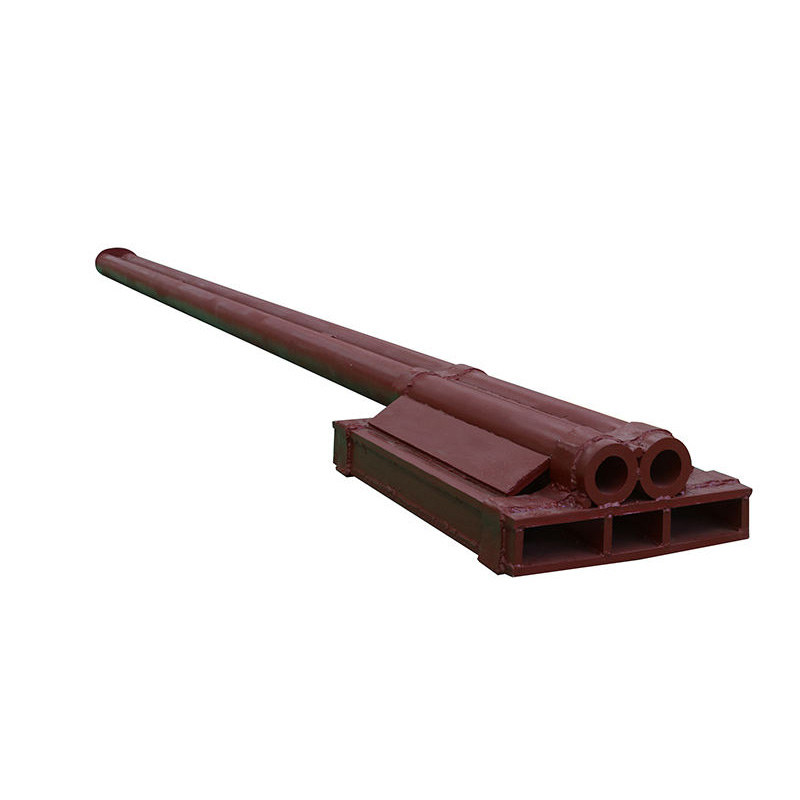


Adjustable Tilting Lifting Beam for Forklift and Crane Flexible Handling | Speedone
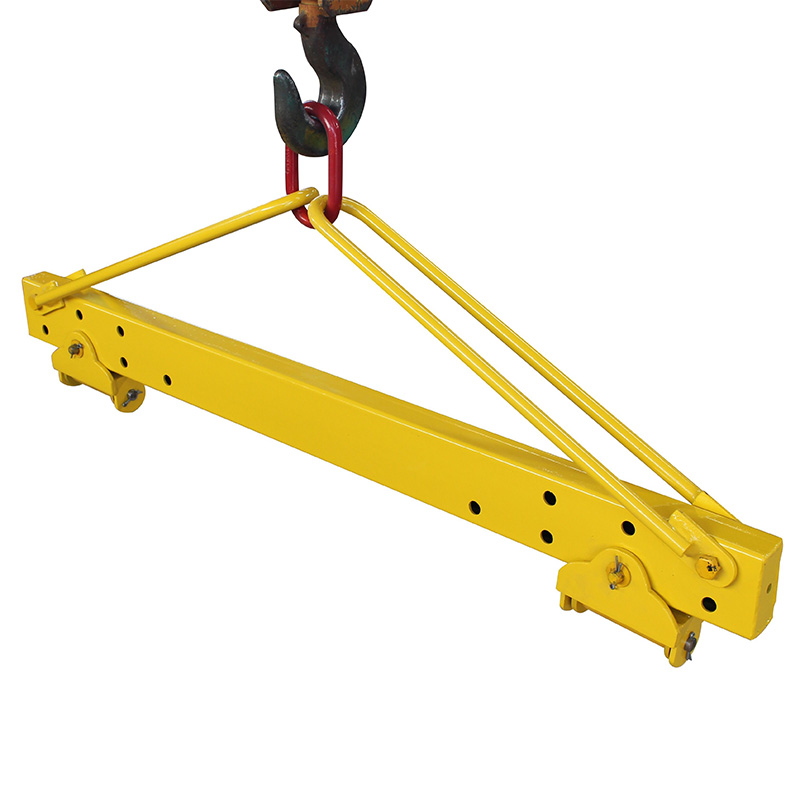 |
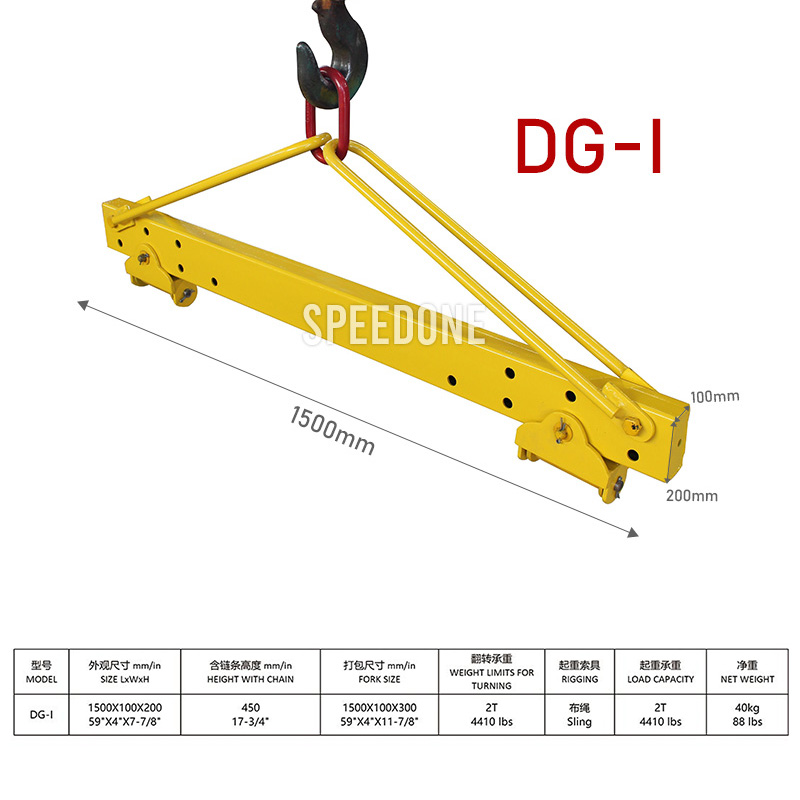 |
| Product size specification | |
| MODEL | SIZE (mm/in) L×W×H | HEIGHT WITH CHAIN (mm/in) | PACK SIZE (mm/in) | WEIGHT LIMITS FOR TURNING | RIGGING | LOAD CAPACITY | NET WEIGHT |
|---|---|---|---|---|---|---|---|
| DG-I | 1500X100X200 59″X4″X7-7/8″ |
450 17-3/4″ |
1500X100X300 59″X4″X11-7/8″ |
2T 4410 lbs |
Sling | 2T 4410 lbs |
40kg 88 lbs |
Who This Adjustable Tilting Lifting Beam Is For
This adjustable tilting lifting beam is designed for industrial users who need to handle materials at different angles and sizes. It is widely used by:
- Stone processing plants handling slabs at various angles
- Steel factories lifting plates with positioning requirements
- Warehouses managing mixed-size materials
- Construction companies handling irregular loads
- Manufacturers requiring flexible lifting solutions
If your operation requires angle adjustment, flexible positioning, and multi-size compatibility, this tilting lifting beam provides an efficient solution.
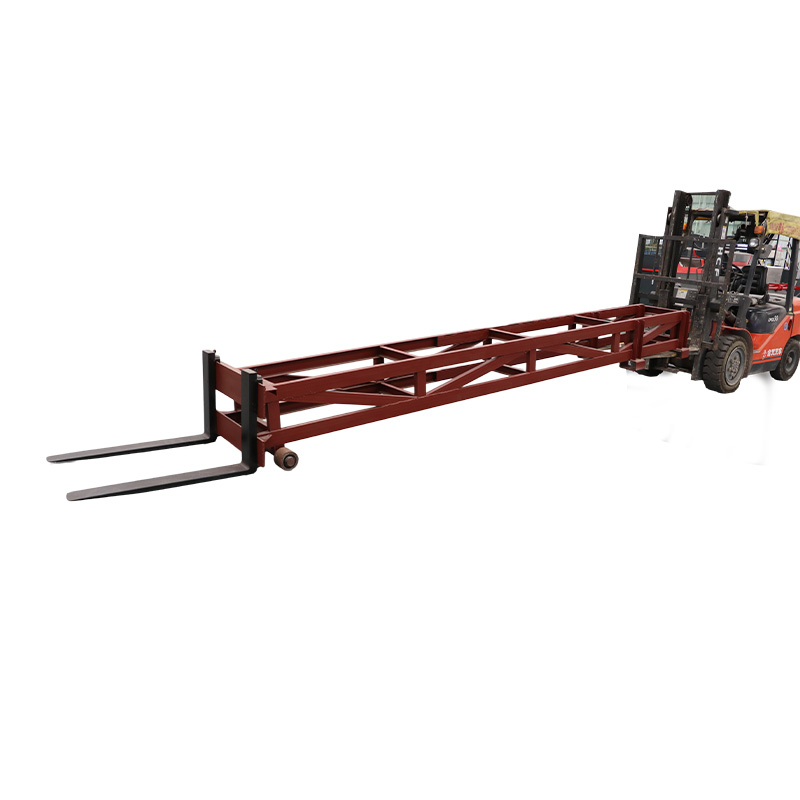
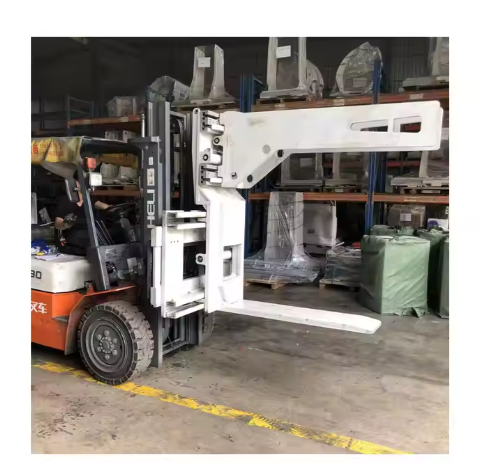
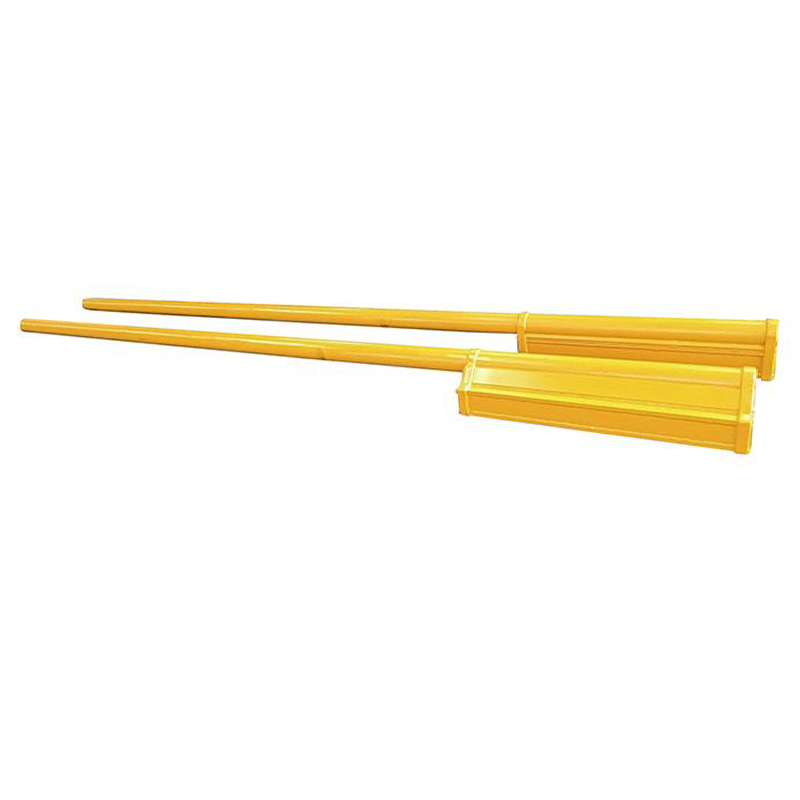
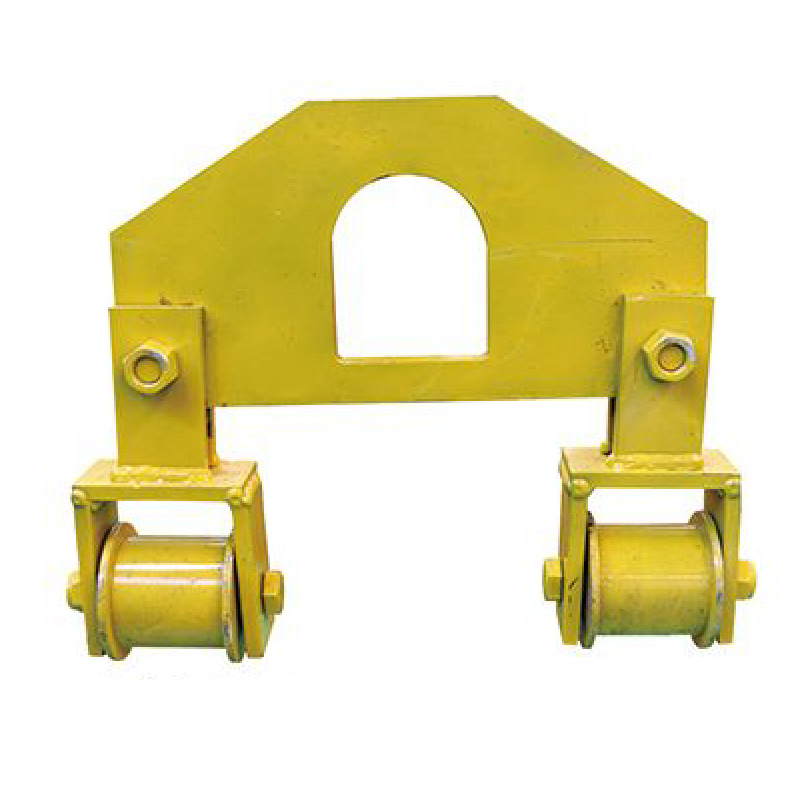
The Speedone lifting beam is engineered with adjustable and tilting capabilities, allowing operators to control both lifting height and angle, improving handling precision.
As a factory-direct manufacturer, Speedone ensures robust construction, precise adjustment mechanisms, and reliable performance in industrial environments.
For global B2B buyers, lifting equipment is not only about moving materials. It directly affects production efficiency, installation accuracy, labor cost, and safety risk. In industries such as stone processing, steel fabrication, and construction, materials are often large, heavy, and require precise positioning. Traditional lifting methods may complete the lifting task, but they often require additional manual adjustment, increasing time and risk.
An adjustable tilting lifting beam addresses this challenge by combining lifting and positioning into one system. This reduces handling steps, improves workflow efficiency, and minimizes operator intervention.
What Makes an Adjustable Tilting Lifting Beam Unique
The combination of adjustability and tilting functionality makes this lifting beam highly versatile compared to standard fixed beams.
- Adjustable length for different material sizes
- Tilting function for angle positioning
- Improved control during loading and unloading
- Reduced manual handling and repositioning
- Higher efficiency in complex operations
This makes it ideal for industries where materials need to be positioned precisely rather than simply lifted.
In real-world applications, materials are rarely uniform. Steel plates vary in size, stone slabs differ in thickness, and construction components often require specific positioning angles. Fixed lifting beams are limited because they cannot adapt to these variations. Operators must manually reposition loads, increasing handling time and safety risks.
An adjustable tilting lifting beam eliminates these inefficiencies by allowing quick adjustments and controlled tilting. This not only improves precision but also reduces reliance on manual labor.
 |
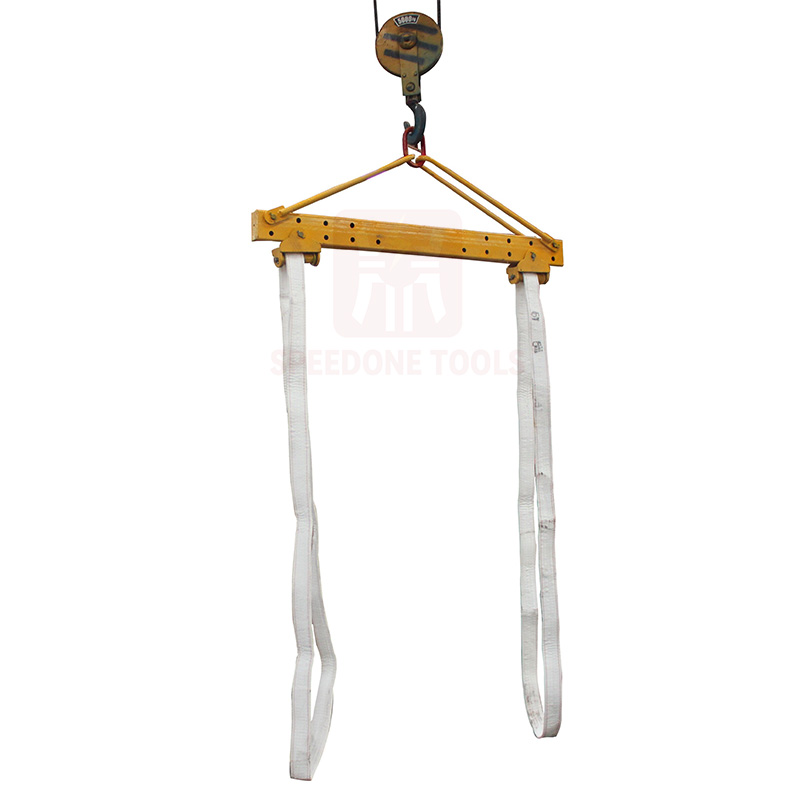 |
| Product application scenario diagram | |
Engineering Strength: Designed for Flexibility and Stability
The adjustable tilting lifting beam is constructed using high-strength structural steel to ensure durability and load-bearing performance. Its adjustable mechanism is designed for smooth operation without compromising structural stability.
The tilting system allows controlled angle adjustment, enabling safe handling of materials that require precise positioning. This reduces the risk of damage and improves workflow efficiency.
Reinforced stress points and precision welding ensure long-term durability even under heavy-duty use.
Each unit is tested for load capacity and adjustment performance before delivery, ensuring reliable operation in industrial conditions.
From an engineering perspective, combining adjustability and tilting requires careful structural design. The beam must remain stable while allowing movement. This means load distribution, pivot points, and locking mechanisms must be precisely engineered to prevent instability.
Adjustable Tilting Beam vs Fixed Lifting Beam
| Feature | Adjustable Tilting Beam | Fixed Beam |
|---|---|---|
| Flexibility | High | Low |
| Positioning Accuracy | Precise | Limited |
| Handling Efficiency | High | Moderate |
| Labor Requirement | Reduced | Higher |
For complex lifting tasks, adjustable tilting beams provide significantly better operational efficiency.
Real-World Applications
This adjustable tilting lifting beam is widely used across industries:
- Stone slab tilting and positioning
- Steel plate handling with angle adjustment
- Warehouse material alignment operations
- Construction material installation
- Manufacturing and assembly processes
Its compatibility with forklifts and cranes makes it a flexible solution for complex lifting environments.
In stone processing plants, slabs must often be rotated or positioned at specific angles for cutting or installation. In steel fabrication, plates may need alignment before welding or machining. In construction, materials must be accurately positioned during installation. In all these cases, adjustable tilting beams improve efficiency and reduce manual handling.
Related Stone and Slab Lifting Equipment
For heavy-duty lifting, the
5T steel slab lifter with lifting beam
provides strong lifting performance.
For stable operations, the
stable slab lifting equipment
ensures safety during handling.
For lighter applications, the
2T slab lifter solution
offers efficient lifting.
More Flexible Lifting Solutions
The
stabilizer slab lifting equipment
improves control during lifting.
For adjustable systems, the
adjustable lifting beam for stone slabs
provides flexible configurations.
The
hot-selling slab lifting equipment
is widely used in industrial applications.
Why Fixed Lifting Beams Limit Efficiency
Traditional fixed lifting beams lack flexibility, which can lead to inefficiencies in complex lifting tasks. Common limitations include:
- Inability to adjust for different load sizes
- No angle control for positioning
- Increased manual handling and repositioning
- Lower efficiency in dynamic work environments
The adjustable tilting lifting beam solves these problems by offering flexibility and precision in one solution.
In fast-paced industrial environments, efficiency directly affects productivity and cost. A lifting system that requires multiple steps slows down operations. Adjustable beams reduce these steps and improve workflow consistency.
Buyer Mistakes and Decision Tips
- Choosing based on price instead of functionality
- Ignoring the need for angle adjustment
- Overlooking compatibility with equipment
- Not verifying testing and safety standards
Professional buyers focus on long-term efficiency, safety, and adaptability.
References
- ASME BTH-1 Standard – ASME
- ASME B30.20 Safety – ASME
- ISO 12100 Machinery Safety – ISO
- EN 13155 Lifting Attachments – CEN
- OSHA Crane Rules – US Labor
- LOLER Regulations – UK HSE
- PUWER Standards – UK HSE
- Rigging Handbook – ITI
Frequently Asked Questions
1. What is an adjustable tilting lifting beam used for?
It is used to lift and position materials at different angles and sizes.
2. What is the advantage of tilting functionality?
It allows precise positioning and reduces manual adjustment.
3. Can it be used with forklifts and cranes?
Yes, it supports dual-use operations.
4. Is it suitable for industrial use?
Yes, it is designed for heavy-duty environments.
5. Can it be customized?
Yes, specifications can be adjusted based on requirements.