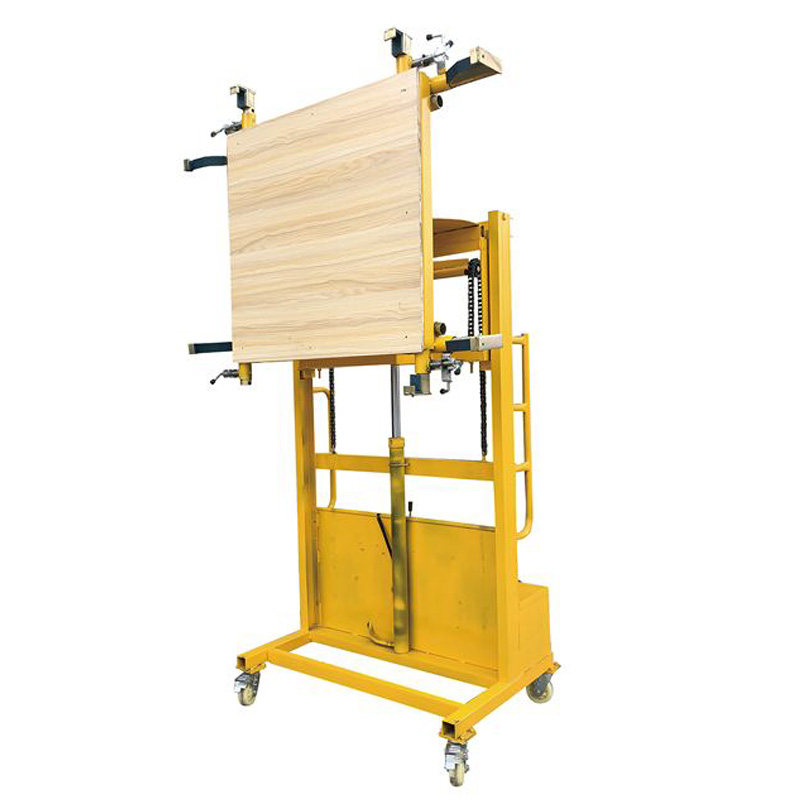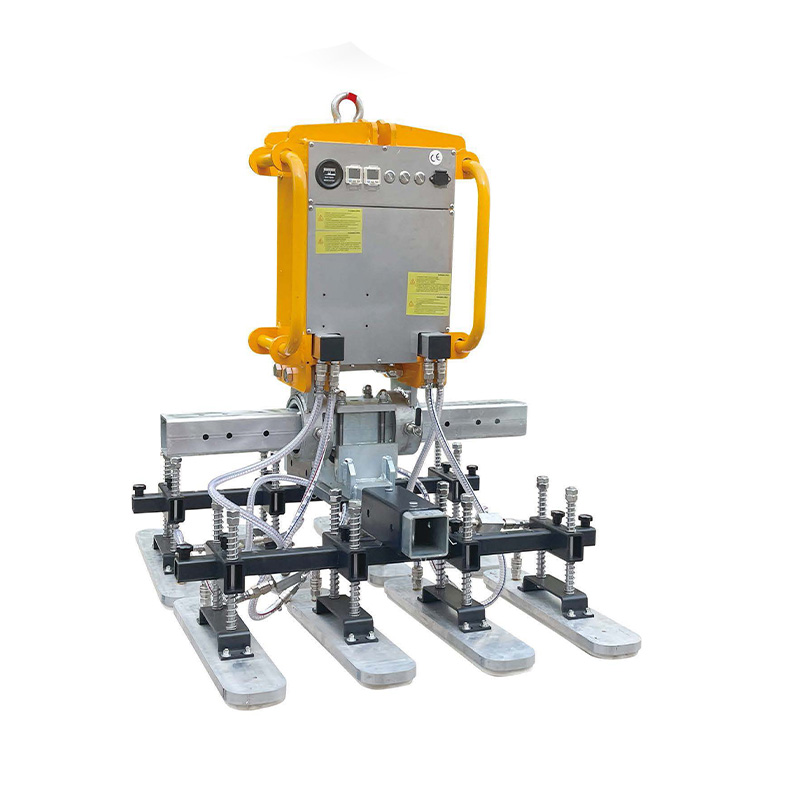


Heavy Duty Granite Seam Puller for Countertops
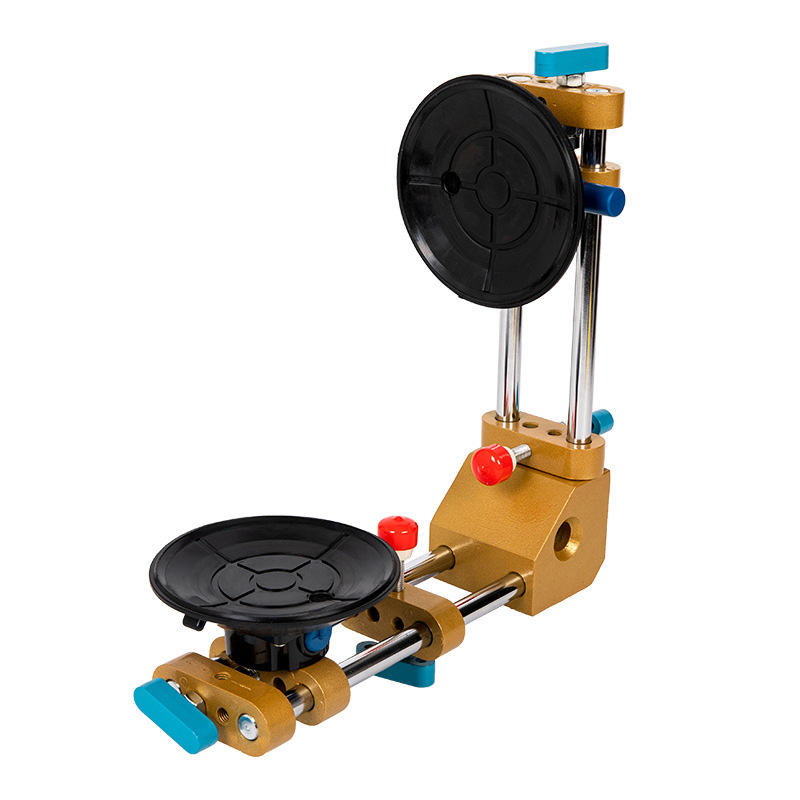
granite seam puller
- Model : RS-005
Product Description
Professional Granite Seam Puller for Countertop Seam Alignment
What Is a Granite Seam Puller?
|
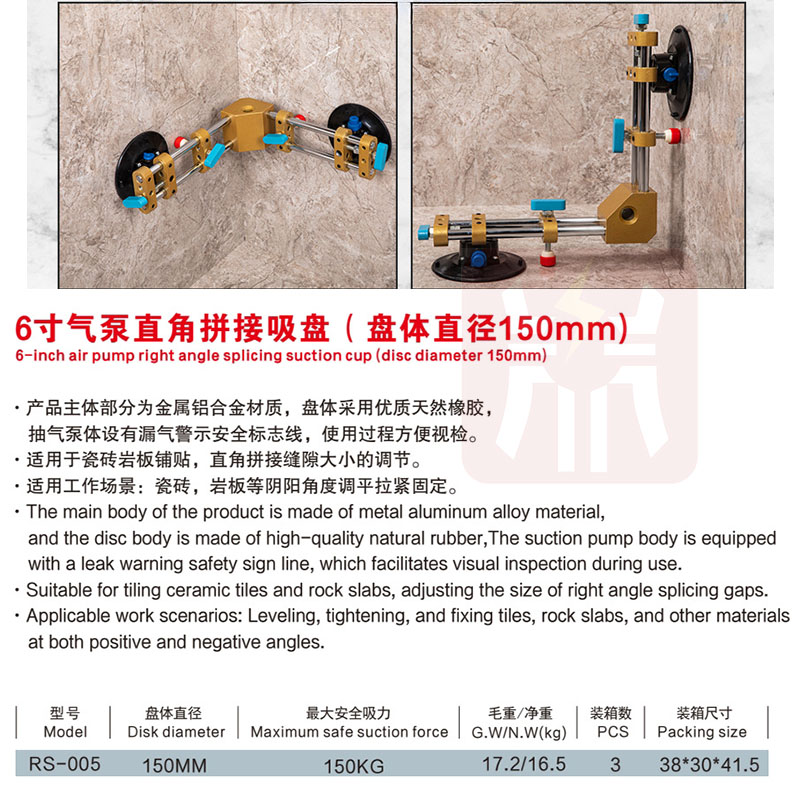 |
| Product parameters | |
A granite seam puller is a specialized tool used to join and align two pieces of granite countertop during fabrication. After the stone has been cut and polished, the two sections must be positioned carefully before adhesive is applied.
Because granite is heavy and rigid, moving countertop sections by hand can be difficult. A seam puller provides controlled force to bring the two pieces closer together and helps the fabricator make small positioning adjustments.
It is commonly used for:
- Granite kitchen countertops
- Granite kitchen islands
- Bathroom vanity tops
- Large countertop seams
- Commercial stone countertops
- Professional stone fabrication workshops
The main goal is simple: bring the stone pieces together, align the seam, and keep them in position during bonding.
Why Use a Granite Seam Puller?
When two granite pieces need to be joined, even a small gap or height difference can affect the final appearance. Manual adjustment can also be tiring when the countertop sections are large and heavy.
A dedicated seam puller makes this part of the fabrication process easier to control.
Controlled Pulling Force
A seam puller allows the fabricator to bring two countertop sections together gradually instead of relying only on manual pushing and pulling.
Better Seam Alignment
Controlled adjustment helps reduce gaps and unwanted movement between the two stone pieces, making it easier to achieve a clean-looking seam.
Less Manual Effort
Large granite sections can be difficult to reposition by hand. A suitable seam tool reduces the physical effort needed during final adjustment.
More Consistent Fabrication
Using the same controlled process on different projects can help fabricators achieve more repeatable seam results.
Faster Workflow
A seam puller can become part of a complete fabrication process that includes dry fitting, seam preparation, adhesive application, alignment, curing, and final finishing.
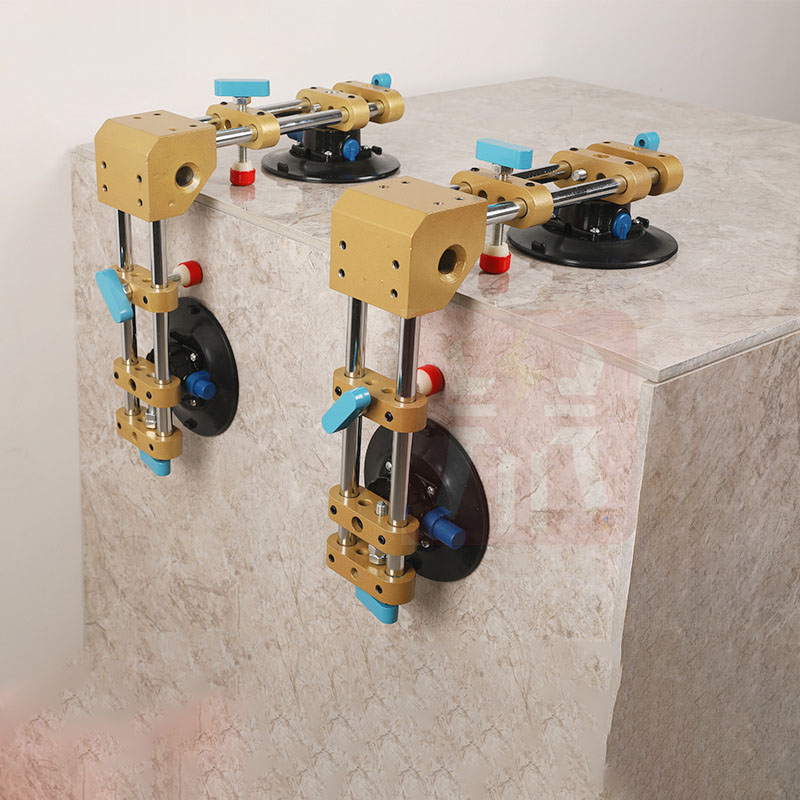 |
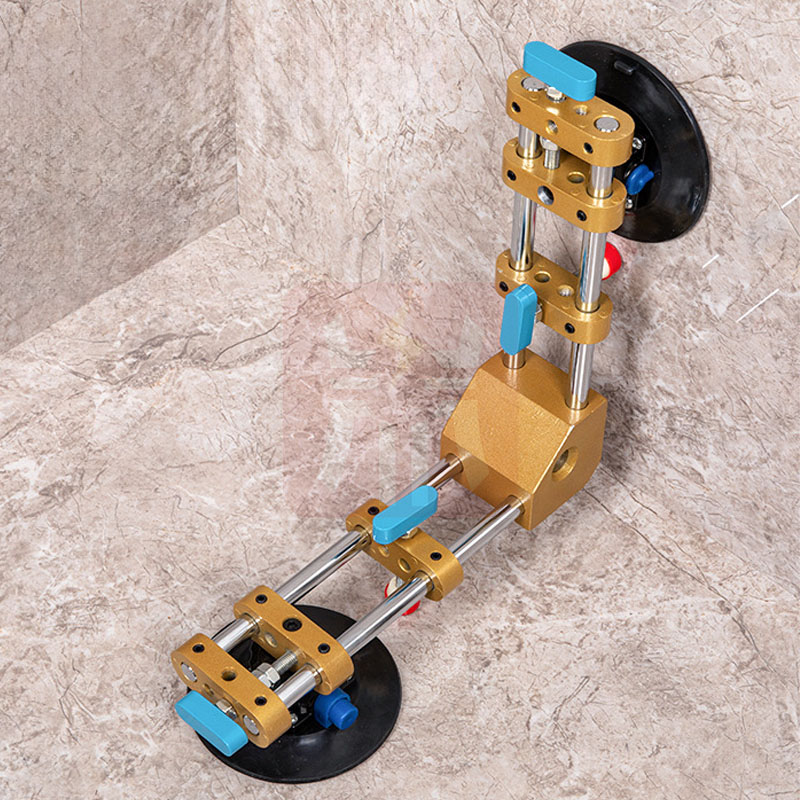 |
| Product application scenario presentation | |
How Does a Granite Seam Puller Work?
The exact design depends on the model. However, most professional seam pulling systems are designed to grip both sides of a countertop seam and apply controlled force to bring the pieces together.
A typical working process includes:
- Position both granite countertop sections.
- Clean and inspect the seam edges.
- Dry fit the two pieces.
- Attach the seam puller to suitable areas.
- Check that the gripping points are secure.
- Apply controlled pulling force.
- Adjust the pieces until the seam is properly positioned.
- Apply the appropriate stone adhesive.
- Keep the countertop sections stable while the adhesive cures.
- Remove the tool and complete the final seam finishing.
The tool should always be used within its rated capacity and according to the manufacturer’s instructions.
Granite Seam Puller vs. Granite Seam Setter
Granite seam puller and granite seam setter are closely related terms, but they can describe different functions depending on the tool design.
A seam puller mainly focuses on bringing two countertop pieces together. A seam setter generally focuses more on alignment and leveling.
Some professional systems can perform both functions, allowing fabricators to pull, align, and adjust the stone in one setup.
| Feature | Granite Seam Puller | Granite Seam Setter |
|---|---|---|
| Main purpose | Pulls countertop pieces together | Aligns and levels countertop pieces |
| Seam closing | Primary function | Secondary function |
| Height adjustment | Depends on design | Common feature |
| Granite fabrication | Suitable | Suitable |
| Vacuum gripping | Depends on model | Available on some designs |
Using Vacuum Suction for Granite Seam Alignment
Vacuum suction can be useful when a stable gripping point is needed on a suitable smooth stone surface. It allows fabricators to hold and position a slab without relying entirely on manual force.
For porcelain, glass, and suitable stone handling applications, Speedone offers the Professional Electric Tile Suction Cup with Automatic Vacuum Control.
It is important to understand that a suction cup is not automatically a seam puller. Vacuum equipment is mainly used for gripping and positioning, while a dedicated seam puller is designed to provide the controlled force needed to bring two countertop sections together.
Vacuum performance can be affected by several factors, including:
- Dust on the surface
- Moisture
- Oil or other contamination
- Stone texture
- Surface flatness
- Condition of the suction cup
Always make sure the stone surface is clean and suitable for the selected vacuum equipment before use.
Electric Suction Equipment for Stone Positioning
Before the final seam adjustment, large granite or stone sections may need to be moved into the correct position. Electric vacuum equipment can make this part of the job easier.
Speedone’s Professional Electric Suction Cup for Glass, Stone and Porcelain Slab Handling is designed for handling suitable glass, stone, marble, quartz, and porcelain panels.
This type of equipment is useful for the positioning stage, while a dedicated granite seam puller can then be used for the final seam adjustment.
Separating these two tasks helps create a clearer and more efficient fabrication workflow:
Handle the slab → Position the slab → Dry fit → Pull the seam → Align → Bond → Finish
Fixed Suction Cups for Stone Fabrication
Fixed suction cups can also be useful when a stable gripping point is required on a compatible smooth stone surface.
Speedone’s Heavy Duty Fixed Suction Cup for Glass and Stone is designed for suitable glass and stone handling applications.
Before using a fixed suction cup, fabricators should confirm that the surface, load, and direction of force are suitable for the equipment.
Important checks include:
- Surface condition
- Vacuum seal
- Rated load capacity
- Direction of applied force
- Material compatibility
- Condition of the suction cup
Granite Seam Puller Accessories
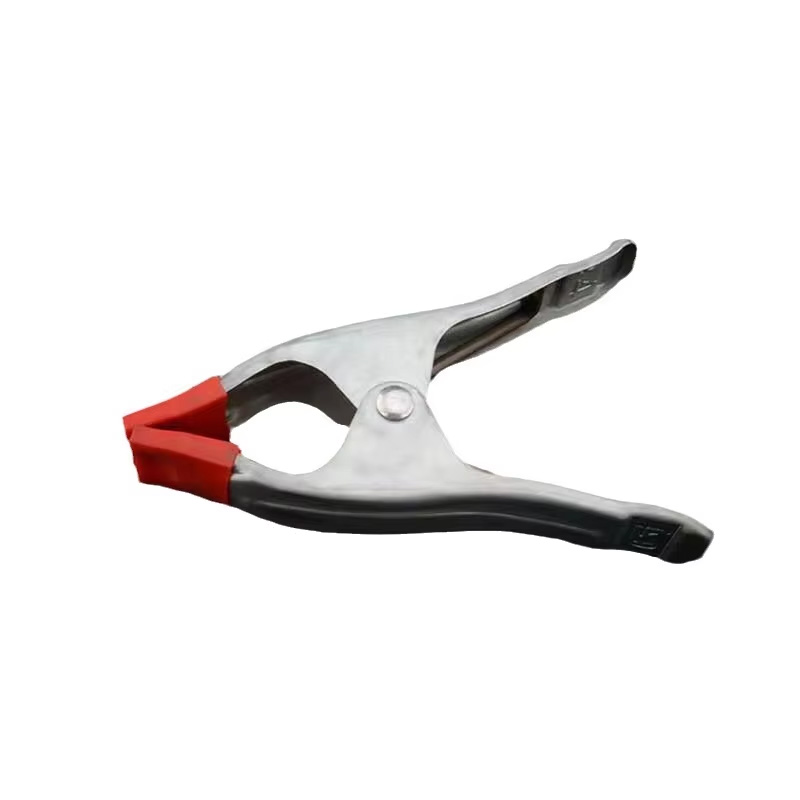
A professional seam-pulling setup may require additional components depending on the design. These can include suction cups, connecting bars, clamps, adjustment parts, and other mounting hardware.
For compatible suction cup systems, Speedone also offers the Aluminum Bar for Grabo Suction Cup.
When choosing accessories, always check:
- Connection type
- Dimensions
- Material strength
- Load capacity
- Suction cup compatibility
- Required adjustment range
Using compatible components can make the setup easier to install and more stable during operation.
Applications of a Granite Seam Puller
Granite Kitchen Countertops
Large kitchen countertops are often made from multiple pieces. A seam puller helps bring the sections together before bonding and finishing.
Kitchen Islands
Large island tops may require two or more stone sections. Controlled seam pulling can help with the final positioning of these pieces.
Bathroom Vanity Tops
Granite vanity tops can also require precise seam alignment when multiple pieces are joined.
Commercial Countertops
Commercial projects may contain many countertop seams. A repeatable seam alignment process can help fabrication teams work more efficiently.
Stone Fabrication Workshops
Professional fabrication shops can use seam pulling equipment as part of their standard countertop installation and bonding workflow.
Heavy-Duty Stone Handling Before Seam Pulling
A seam puller is designed for final seam adjustment. It should not be used as a replacement for equipment designed to lift and move heavy stone slabs.
Large granite sections should first be moved into position using appropriate handling equipment.
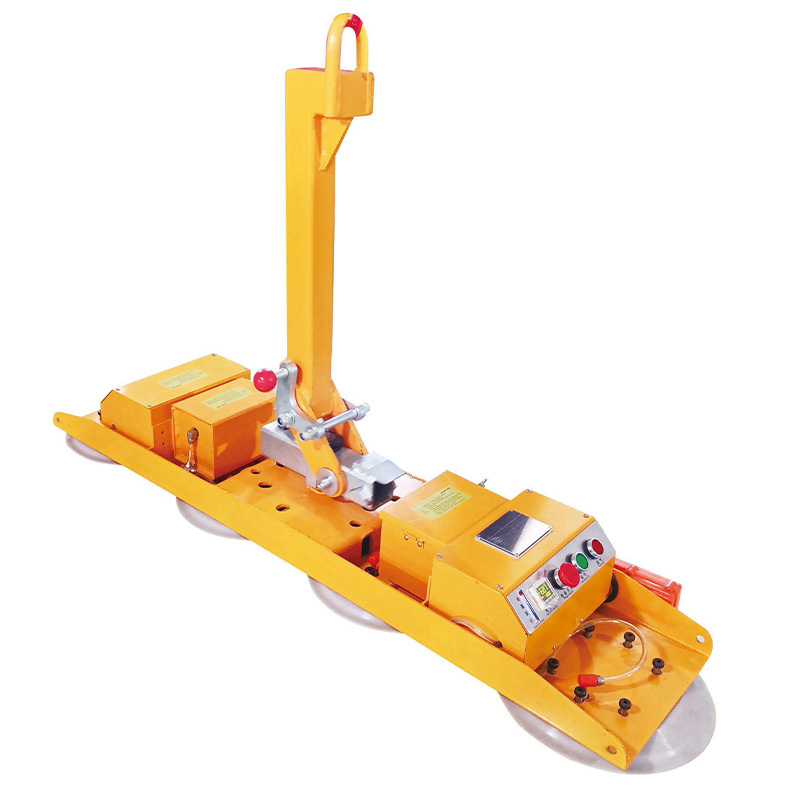
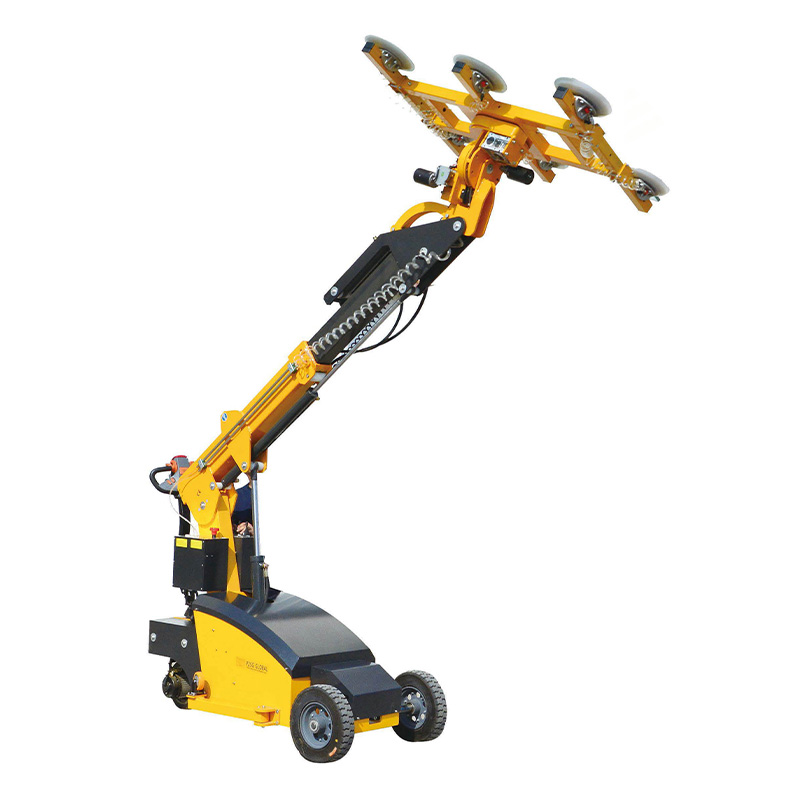
For suitable stone, glass, and porcelain handling applications, Speedone offers the Heavy Duty Suction Lifter for Glass, Stone and Porcelain Slabs.
A practical workflow can therefore be organized as:
Lift → Position → Dry Fit → Pull → Align → Bond → Finish
Using the right tool for each stage helps reduce unnecessary manual handling and keeps the fabrication process organized.
How to Choose the Right Granite Seam Puller
Different countertop projects require different levels of pulling force, gripping methods, and adjustment range. Consider the following points before selecting a tool.
1. Check Granite Thickness
Make sure the gripping system is suitable for the countertop thicknesses commonly used in your workshop.
2. Consider Countertop Size
Larger and heavier countertop sections may require a more stable and stronger pulling system.
3. Check the Pulling Range
The adjustment range should be suitable for the types of seams your team normally produces.
4. Choose the Right Gripping Method
Depending on the design, a seam puller may use vacuum suction, mechanical clamps, or a combination of both.
5. Check Surface Compatibility
Polished granite may work well with suitable vacuum equipment, while textured or uneven surfaces may require a different gripping solution.
6. Confirm Working Capacity
The selected tool must be appropriate for the size and weight of the stone sections being adjusted.
7. Look for Fine Adjustment
Fine adjustment is valuable when a clean and visually consistent seam is required.
Step-by-Step Granite Seam Pulling Process
Step 1: Inspect the Stone
Check both countertop sections for cracks, damage, dust, moisture, or other surface problems.
Step 2: Prepare the Seam
Make sure the seam edges are properly cut, finished, and cleaned before positioning the pieces.
Step 3: Dry Fit the Countertop
Bring the two pieces together without adhesive first. This allows the fabricator to identify alignment problems early.
Step 4: Attach the Seam Puller
Install the seam puller on suitable areas of both countertop sections according to the tool manufacturer’s instructions.
Step 5: Check the Grip
If vacuum cups are used, make sure the cups have a proper seal and remain stable before applying force.
Step 6: Pull Gradually
Apply controlled force and bring the two pieces together slowly. Avoid sudden or excessive pulling.
Step 7: Check the Seam
Inspect the seam from different angles and correct any visible gap, offset, or height difference.
Step 8: Apply Adhesive
Apply the appropriate stone adhesive according to the project requirements and adhesive manufacturer’s instructions.
Step 9: Maintain Alignment
Keep the countertop sections stable while the adhesive cures so the desired seam position is maintained.
Step 10: Remove the Tool and Finish
After the seam has stabilized, remove the equipment and complete the final polishing and finishing process.
Common Granite Seam Pulling Mistakes
Using Too Much Force
Pulling too aggressively can place unnecessary stress on the stone, seam, or gripping equipment. Controlled adjustment is a better approach.
Using Dirty Suction Surfaces
Dust, moisture, and debris can reduce vacuum performance. Clean contact surfaces before attaching suction equipment.
Skipping the Dry Fit
Dry fitting helps identify alignment problems before adhesive is applied and makes final adjustment easier.
Choosing the Wrong Gripping Tool
Not every suction cup or clamp is suitable for every stone surface. Always confirm material compatibility and working capacity.
Ignoring Slab Support
Large granite sections should remain properly supported during handling, positioning, and seam preparation.
Moving the Countertop During Curing
Unnecessary movement can affect the alignment achieved during seam preparation. Keep the joined pieces stable until the adhesive has sufficiently cured.
Complete Stone Handling Solutions from Speedone
A successful countertop fabrication workflow often requires more than one tool. Speedone provides equipment for stone lifting, vacuum gripping, slab positioning, and material handling.
For controlled handling of porcelain slabs and suitable stone or glass panels, the Professional Electric Tile Suction Cup with Automatic Vacuum Control provides an electric vacuum solution.
For larger stone, glass, marble, quartz, and porcelain panels, the Professional Electric Suction Cup for Glass, Stone and Porcelain Slab Handling supports daily material positioning work.
For compatible glass and stone surfaces, the Heavy Duty Fixed Suction Cup for Glass and Stone provides a stable gripping option.
For larger slab handling tasks, the Heavy Duty Suction Lifter for Glass, Stone and Porcelain Slabs can be used for suitable lifting and positioning applications.
These products can complement a dedicated seam puller by making the earlier slab handling and positioning stages easier to manage.
Why Choose Speedone?
Speedone develops professional material-handling equipment for the stone, glass, porcelain, tile, and countertop industries.
Our product range covers vacuum gripping, slab lifting, panel positioning, and other tools used in professional fabrication and installation environments.
- Professional stone-handling equipment
- Heavy-duty suction solutions
- Products for granite, marble, quartz, porcelain, and glass
- Electric vacuum technology
- Multiple gripping configurations
- OEM and ODM support
- Application-focused product development
For stone fabrication shops, combining suitable lifting equipment with precision seam tools can create a more organized workflow from slab positioning to final countertop bonding.
Frequently Asked Questions
What is a granite seam puller?
A granite seam puller is a specialized countertop fabrication tool designed to bring two granite pieces together and help maintain accurate seam positioning during bonding.
Is a granite seam puller the same as a seam setter?
Not always. A seam puller mainly focuses on bringing two pieces together, while a seam setter usually focuses on alignment and leveling. Some professional tools can perform both functions.
Can a granite seam puller use vacuum suction?
Some seam-pulling systems use vacuum suction to grip suitable stone surfaces. The vacuum equipment must be compatible with the material and working conditions.
Can a granite seam puller be used on quartz?
A suitable seam-pulling tool may be used on quartz, but compatibility should be confirmed based on the tool design, gripping method, surface condition, and working capacity.
What is the difference between a seam puller and a suction lifter?
A seam puller is mainly used to bring adjacent countertop pieces together and adjust the seam. A suction lifter is mainly designed to lift, move, and position stone slabs.
How can I improve granite seam alignment?
Prepare accurate seam edges, clean the working surfaces, dry fit the pieces, use a suitable seam puller or setter, and keep the countertop stable while the adhesive cures.
Related Products
Slab storage rack used on truck