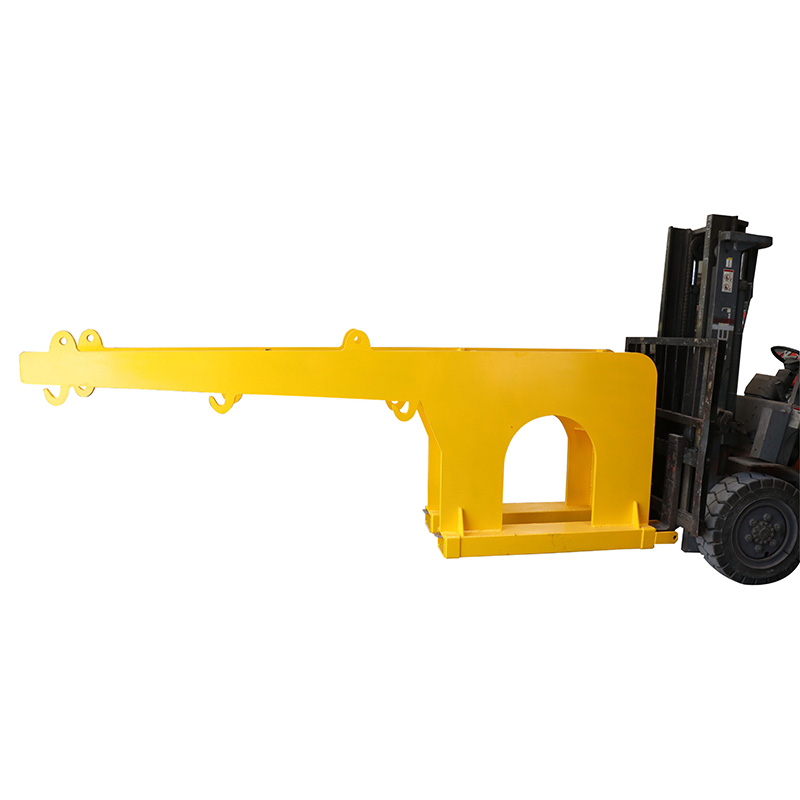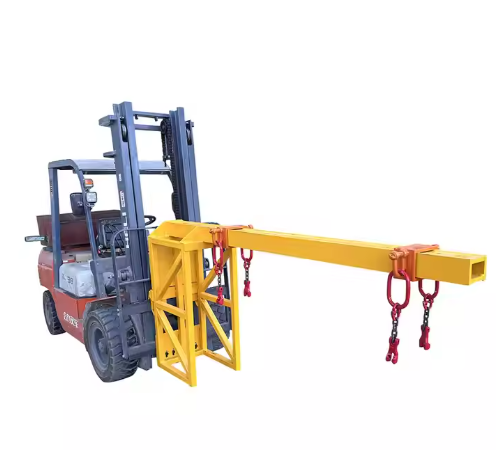


Lifting Beam 3.2m for Steel Plate Handling | Forklift & Crane Use – Speedone
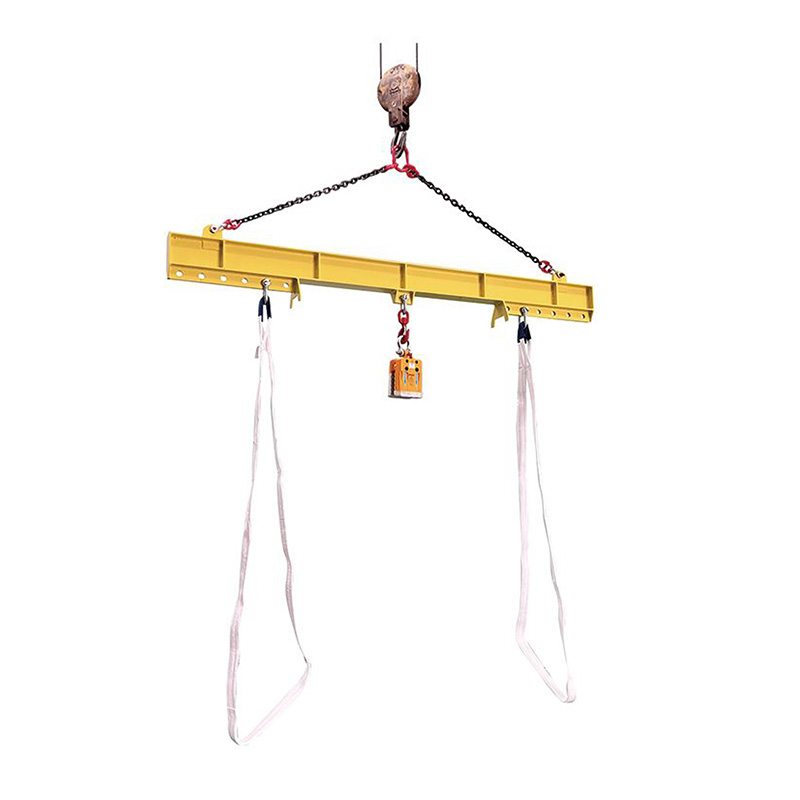
Lifting Beam 3.2m for Forklift & Crane | Steel Plate Lifting Solution – Speedone
- Model : DG-C
- Load-bearing : 6T
- Overall dimensions : 3200*230*460mm
- Net weight : 165kg
Product Description
Steel Plate Lifting Beam 3.2m for Forklift and Crane Heavy Duty Use: A Practical Buyer Guide
|
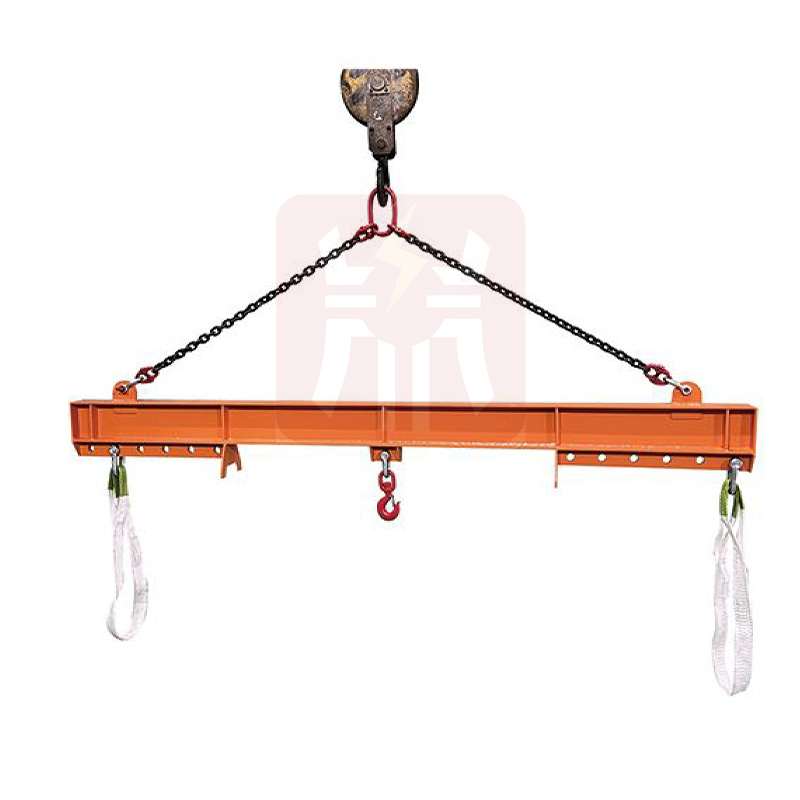 |
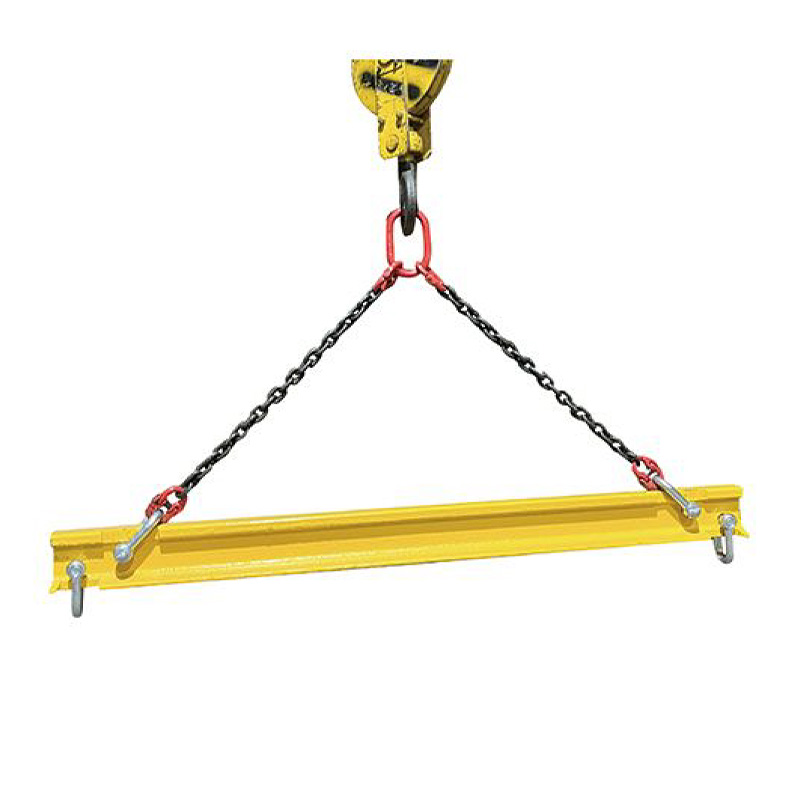
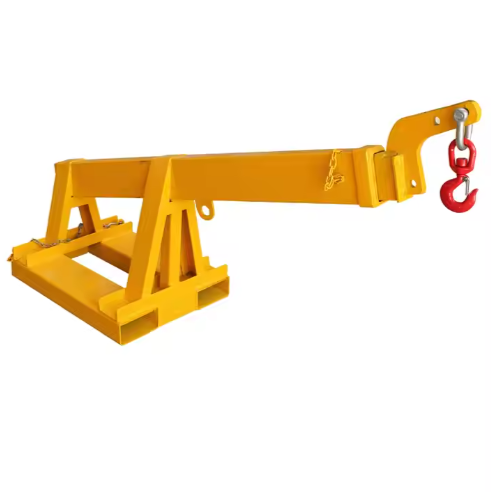
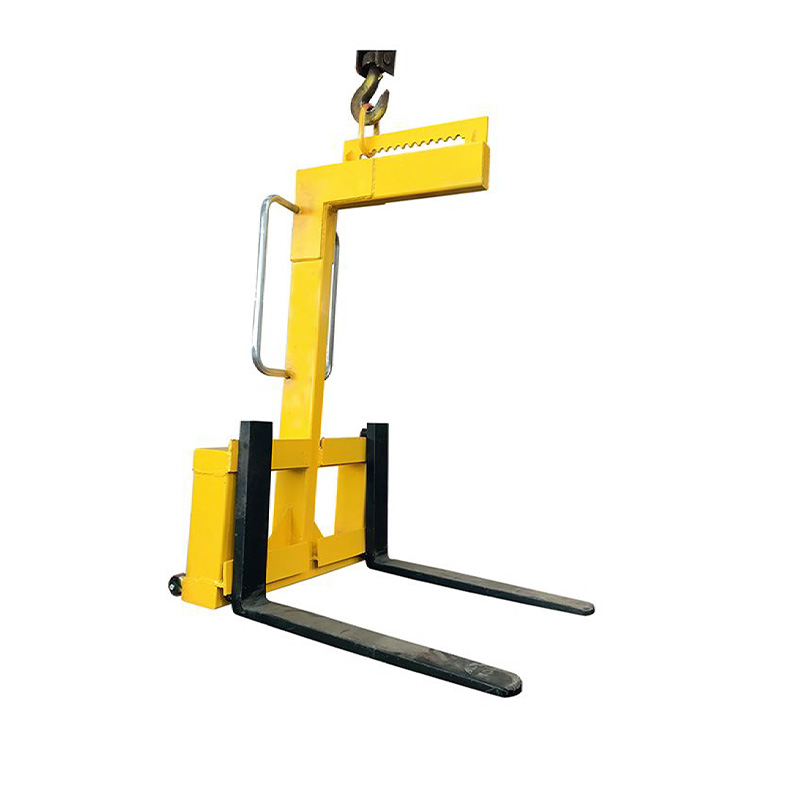
| Product application scenario diagram | |
When buyers search for a steel plate lifting beam, they are usually not just looking for a product. They are trying to solve a costly operational problem: how to move wide, flat, heavy materials safely without damaging the load, stressing the equipment, or slowing down production.
That is why the 3.2m lifting beam for forklift and crane use has become an attractive option for steel plants, fabrication workshops, warehouses, and construction material handlers. It offers a fixed, stable lifting structure for plates, slabs, sheets, and other flat cargo that can shift or flex during lifting if the rigging setup is wrong.
For overseas buyers, the decision is rarely about the beam alone. It is about stability, load balance, maintenance, compliance, and total cost of ownership. A low-cost beam that looks simple can still become expensive if it bends, creates unsafe lifting angles, or fails to match the operating environment.
This guide explains how the beam works, why fixed designs are often preferred, how to compare options, what mistakes to avoid, and how to evaluate a supplier before you place an order.
| MODEL | SIZE (mm/in) L×W×H | HEIGHT WITH CHAIN (mm/in) | PACK SIZE (mm/in) | THE DIAMETER OF CHAIN (mm) | ADJUST LENGTH (mm/in) | MAX LIFT LIMIT | NET WEIGHT |
|---|---|---|---|---|---|---|---|
| DG-C | 3200X230X460 126″×9-1/8″×18-1/8″ |
1000 39-3/8″ |
3200X230X460 126″×9-1/8″×18-1/8″ |
12 | 1600-3200 63″to126″ |
6T 13228 lbs |
165kg 364 lbs |
What a Steel Plate Lifting Beam Does
A steel plate lifting beam is designed to spread and stabilize a load during lifting. Instead of concentrating force at one point, the beam helps distribute the load across a wider span. That matters when the material is long, flat, or sensitive to bending.
Steel plates are especially difficult to handle because they can flex, tilt, or twist if the lifting points are too close together or if the rigging angle is wrong. A lifting beam helps keep the load level and improves control during transport.
In simple terms, the beam acts as a structural bridge between the lifting device and the load. The more suitable the span, lifting point layout, and beam rigidity, the more stable the lift becomes.
A 3.2m span is particularly useful when the buyer needs to handle wide steel plates, slabs, large sheets, or other flat products that require a wider load spread than compact lifting tools can provide.
Why 3.2m matters in real operations
The 3.2m length is not just a marketing number. It affects how the load is balanced. A wider span can reduce the risk of edge overload and help maintain a more level lift for broader materials.
That said, span alone does not define performance. Buyers still need to check:
- the working load limit
- the lifting point arrangement
- the beam’s self-weight
- compatibility with forklift and crane systems
- the actual size and thickness of the material being lifted
A beam can be long and still be unsuitable if the load path is poorly designed or if the rated capacity is too low for the application.
Why a Fixed 3.2m Beam Is Often More Stable
A fixed steel plate lifting beam usually offers better rigidity than adjustable or telescopic alternatives. The reason is straightforward: fewer moving parts generally means fewer weak points.
Fixed designs are often preferred in operations that repeat the same lifting cycle every day. If the material size is consistent, a fixed beam can deliver better repeatability and a lower maintenance burden.
Main advantages of a fixed beam
- Higher structural stiffness
- Better long-term dimensional consistency
- Lower mechanical complexity
- Fewer parts to inspect or replace
- Reduced chance of accidental adjustment or looseness
For a buyer managing regular plate handling, this can translate into faster operations and fewer surprises on the floor.
Where fixed designs are especially useful
Fixed beams are often a better fit when:
- the plate dimensions are known in advance
- the facility handles one main product family
- safety and repeatability matter more than flexibility
- maintenance resources are limited
- the buyer wants lower lifecycle risk
If a plant lifts many different sizes every week, an adjustable system may be more convenient. But if the process is repetitive, the fixed beam usually wins on stability and simplicity.
 |
 |
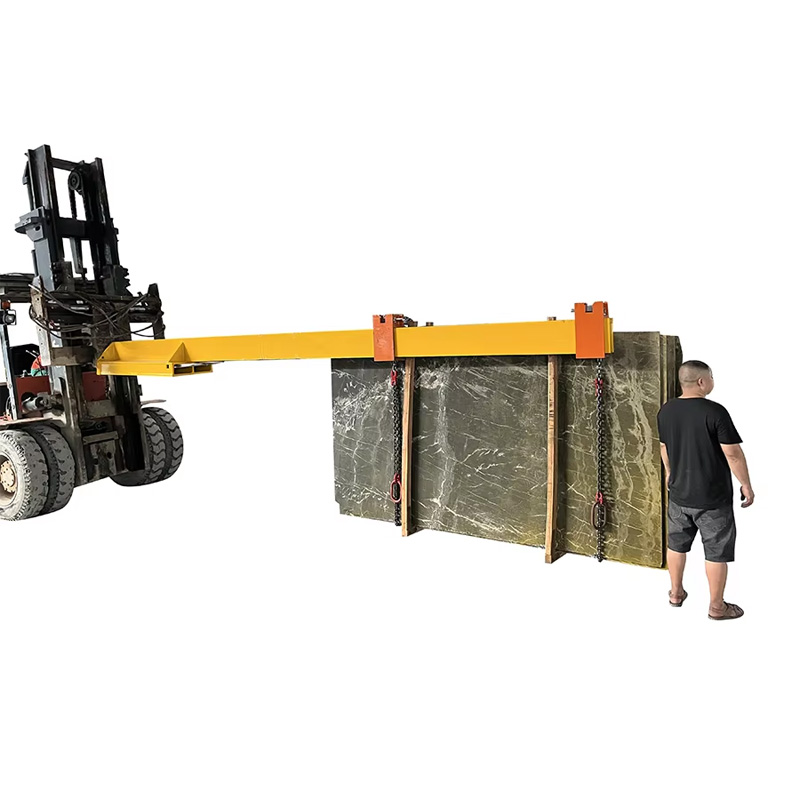
| Product real photo | |
Engineering Factors That Decide Performance
A lifting beam is not just a steel bar with hooks. Its actual performance depends on several engineering decisions that affect load behavior and service life.
1. Steel grade and section design
High-strength structural steel is commonly used because it balances strength, weldability, and durability. The beam’s cross-section is important because it determines resistance to bending. A well-designed section helps the beam carry load without excessive deflection.
Steel is favored in lifting equipment because of its predictable mechanical behavior and high modulus of elasticity, which helps control deformation under load. In practical terms, that means the beam can stay straighter and more stable during lifting when properly engineered.
2. Weld quality
Welding is one of the most critical quality factors. Poor welds can become hidden failure points. In a heavy-duty lifting application, weld continuity, penetration, and workmanship matter as much as the base steel itself.
A buyer should always ask whether the manufacturer uses controlled welding procedures and whether key joints are inspected before shipment.
3. Load path and bending control
When a beam lifts a wide flat plate, the load creates bending forces along the beam body. If the load is uneven or the span is too long for the section strength, the beam may deflect more than expected.
That is why engineering choices such as flange thickness, stiffeners, gussets, and lifting lug placement matter. The beam should distribute force cleanly from the lifting point to the load points.
4. Fork pockets and crane connection points
A dual-use beam must be designed for both forklift handling and crane lifting. That means the interface points need to be clear, secure, and rated for the intended use.
For forklift use, buyers should verify:
- fork pocket dimensions
- retention or locking features
- the beam’s own center of gravity
- whether the forklift can safely handle the reduced remaining capacity after attachment
For crane use, buyers should verify:
- top lifting point design
- shackle compatibility
- sling angle implications
- whether the beam is intended for vertical or spreader-style lifting
Forklift vs Crane Use: What Changes in Practice
A beam that works well with a crane may still be awkward with a forklift if the dimensions or balance are wrong. The same is true in reverse.
Forklift use
Forklift handling is efficient when materials must be moved inside a factory or warehouse without switching equipment. But forklift use introduces its own risks. The attachment shifts the center of gravity and can reduce the forklift’s effective capacity.
Buyers often overlook this. A forklift may be rated for a certain load at a certain load center, but once a long lifting beam is added, the usable capacity can drop sharply. That is why the forklift capacity chart must be checked again after the attachment is installed.
Crane use
Crane use is usually better for vertical movement, precise placement, and operations where the beam must clear obstacles. The crane sees the beam as a below-the-hook attachment, so the entire rigging system should be reviewed together, not in isolated parts.
The beam must be matched to:
- the crane’s hook size and geometry
- sling configuration
- required headroom
- the load’s center of gravity
- the lifting points on the plate or load
Dual-use equipment
A dual-use forklift and crane lifting beam gives buyers flexibility, but only if the product is genuinely designed for both conditions. Do not assume that “dual use” automatically means the beam will perform equally well in every scenario.
The right question is not “Can it be used both ways?” The better question is “Can it do both safely, with proper documentation and rated performance?”
Fixed vs Adjustable vs Telescopic Lifting Beams
For many buyers, the real decision is between a fixed beam, an adjustable beam, and a telescopic beam. Each has a different value proposition.
Fixed beam
Best for repetitive operations, maximum rigidity, and lower maintenance. It is usually the most stable and simplest option when the load size is consistent.
Adjustable beam
Best when the material sizes vary. It gives more flexibility, but moving parts and adjustment systems add complexity, inspection needs, and possible wear points.
Telescopic beam
Best when versatility is important and the user wants one beam to cover a wider range of lifting widths. It can be useful, but it is usually more expensive and mechanically more complex.
Comparison Table: Choosing the Right Lifting Beam Type
| Beam Type | Best For | Main Strength | Main Trade-Off | Buyer Note |
|---|---|---|---|---|
| Fixed 3.2m lifting beam | Repetitive plate handling | Highest rigidity and simplicity | Less flexible for changing load sizes | Often the best choice for stable, repeatable operations |
| Adjustable lifting beam | Mixed load widths | Adaptability | More moving parts and more maintenance | Good when product dimensions vary often |
| Telescopic lifting beam | Multi-purpose use | Wide adjustment range | Higher complexity and cost | Check locking mechanism and inspection requirements carefully |
For most steel plate applications, the fixed beam is the most decision-friendly option when the load range is predictable.
Real-World Applications for Steel Plate Handling
A steel plate lifting beam is useful anywhere heavy flat materials need stable movement. The actual benefits become clear in day-to-day operations.
Steel mills and plate warehouses
These environments deal with repeated handling of heavy, wide product. A fixed beam supports consistent movement, which is important for both throughput and safety.
Metal processing and fabrication shops
Fabrication shops often need to move raw sheets, cut plates, and semi-finished assemblies. A beam helps keep materials level during transport between storage and cutting stations.
Construction and stone/slab handling
Although the name suggests steel, the same beam concept may also be used for large flat stone or slab materials if the beam is rated and configured appropriately. The key issue is always the load type, weight, and attachment method.
Export logistics and heavy cargo movement
In export and warehouse logistics, a stable beam can improve container loading, dock handling, and transfer between lifting systems. This is especially useful where downtime or damage creates costly delays.
Buyer Mistakes That Cause Downtime or Safety Problems
Many lifting failures are not caused by a weak product alone. They are caused by choosing the wrong product for the job or failing to check critical details.
Mistake 1: Confusing beam length with capacity
A 3.2m beam is not automatically a 3.2-ton beam, and it is not automatically safe for all plate widths. Span and working load limit are different things. Buyers should never assume they are the same.
Mistake 2: Ignoring forklift derating
The forklift may not keep its original rated capacity once the beam is installed. This is one of the most common procurement errors and one of the most dangerous.
Mistake 3: Overlooking load geometry
Flat materials may seem simple, but the actual load can shift based on thickness, center of gravity, lifting point spacing, and surface conditions. Poor geometry can create twisting, tilting, or local overload.
Mistake 4: Buying only on price
Low-cost beams may use thinner steel, weaker welds, or poor inspection standards. The first sign of trouble is often excessive deflection, but the hidden cost is usually downtime, rework, or a safety incident.
Mistake 5: Not asking for proof testing
A reputable supplier should be able to provide evidence of inspection, testing, or traceability. Without that, the buyer is relying on appearance instead of verified performance.
Safety, Inspection, and Compliance Considerations
Lifting equipment is not just a mechanical purchase. It is also a compliance issue.
Different countries apply different rules, but the common expectation is the same: lifting attachments must be fit for purpose, correctly rated, inspected, and used by trained personnel.
What buyers should check
- Working load limit clearly marked
- Manufacturer identification
- Proof test or load test documentation
- Material and weld traceability, where applicable
- Inspection schedule and usage instructions
- Safe operating limits for both forklift and crane configurations
Standards and regulations matter
Buyers in international markets often ask about compliance with standards such as ASME, ISO, EN, OSHA-related requirements, or local lifting regulations. The exact documents depend on the country and industry, but the broader principle is constant: the attachment must be designed, documented, and used in a controlled way.
For procurement teams, this is not just paperwork. It is risk management. A compliant product is easier to approve internally, easier to insure, and easier to defend during audits.
Why inspection discipline matters
Even a well-built beam can become unsafe if it is misused, overloaded, or damaged in service. Regular inspection helps identify:
- deformation
- cracked welds
- worn hook points
- damaged fork pockets
- rust or corrosion in critical zones
- signs of overloading
A beam that is inspected regularly is more likely to deliver long service life and predictable performance.
Market Trends in Industrial Lifting Attachments
The market for lifting attachments has shifted in a few clear directions.
1. More demand for custom-fit equipment
Buyers increasingly want lifting equipment that matches their exact workflow instead of forcing the workflow to match generic equipment. That is one reason fixed beams with custom dimensions remain popular.
2. More focus on documentation
International buyers increasingly expect drawings, proof tests, and inspection records before they approve a supplier. This trend is especially strong in industrial procurement, where risk reviews are more formal than before.
3. Lower tolerance for maintenance-heavy designs
Operations want equipment that works repeatedly with minimal adjustment. For that reason, simple fixed designs often appeal to buyers who value uptime and easy internal training.
4. More attention to total cost of ownership
The cheapest attachment is not always the most economical. Buyers now look at maintenance, replacement risk, downtime, compliance burden, and operator training. That makes a durable heavy-duty lifting beam manufacturer more attractive than a supplier that only competes on initial price.
How to Evaluate a Supplier Before You Buy
The quality of the supplier matters as much as the design itself. A serious manufacturer should be able to answer technical questions clearly and provide evidence, not just sales language.
Questions to ask
- What is the working load limit?
- Is the beam designed for forklift use, crane use, or both?
- What are the fork pocket dimensions?
- What is the beam’s own weight?
- What load testing has been completed?
- What inspection or traceability documents are available?
- Can the beam be customized for our plate size and lifting style?
Documents to request
- Product drawing
- Specification sheet
- Material information
- Welding or fabrication details
- Proof load test report
- Packing and shipping details
- User instructions or operating notes
Signs of a reliable supplier
A capable supplier usually communicates clearly about:
- application limits
- safety margin
- maintenance expectations
- customization options
- lead time
- after-sales support
If the supplier cannot explain how the beam performs in real use, that is a warning sign.
What Buyers Should Prioritize
For most buyers comparing a fixed steel plate lifting beam with more flexible alternatives, the best decision usually comes down to this:
If the work is repetitive and the load size is consistent, choose the most rigid and easiest-to-maintain option. If the workload changes often, accept the extra complexity of an adjustable or telescopic design only when that flexibility is truly needed.
In other words, do not buy flexibility just because it sounds useful. Buy it only when your process needs it.
Final Buying Recommendation
A steel plate lifting beam is a practical solution when large flat materials must be moved safely and efficiently. The 3.2m fixed design is especially strong as a buyer choice when stability, repeatability, and low maintenance matter more than adjustment range.
For overseas buyers, the most important decision points are not cosmetic. They are structural and operational:
- Is the span right for the load?
- Is the beam rated for the actual working condition?
- Is it suitable for forklift and crane use?
- Does the supplier provide proof testing and technical documentation?
- Will the design reduce risk instead of creating it?
When those questions are answered well, the beam becomes more than a lifting attachment. It becomes a reliable part of the production system.
Part 4. Scientific / Technical / Comparison Table
Technical comparison: fixed vs adjustable vs telescopic
| Performance Factor | Fixed Beam | Adjustable Beam | Telescopic Beam |
|---|---|---|---|
| Structural rigidity | High | Medium | Medium to low, depending on design |
| Ease of inspection | Easy | Moderate | More complex |
| Maintenance demand | Low | Medium | Higher |
| Best load consistency | Excellent | Good | Good |
| Flexibility for different plate sizes | Low | High | Very high |
| Purchase cost | Usually lower | Mid-range | Usually highest |
| Buyer risk if misused | Lower | Moderate | Moderate to higher |
Practical buyer checklist
| Buyer Question | Why It Matters |
|---|---|
| What is the rated capacity? | Confirms the beam is suitable for the load |
| What is the beam length? | Affects stability and load distribution |
| Does it work with forklifts and cranes? | Prevents compatibility problems |
| What documents are available? | Supports internal approval and audit readiness |
| What inspection schedule is recommended? | Protects long-term safety and service life |
Part 5. FAQ
1. What is a lifting beam used for?
A lifting beam is used to lift and transport large flat or wide materials in a more stable way. It helps distribute the load, reduce tilting, and improve control during forklift or crane handling.
2. Why choose a fixed 3.2m lifting beam?
A fixed 3.2m lifting beam is often chosen because it provides strong structural rigidity, fewer moving parts, and better repeatability for regular lifting tasks. It is a practical option when the load size is consistent.
3. Can a steel plate lifting beam be used with both forklifts and cranes?
Yes, many models are designed for dual use, but the beam must be engineered and rated for both conditions. Buyers should always confirm the connection method, capacity, and operating instructions before use.
4. What should buyers check before purchasing a lifting beam?
Buyers should check the working load limit, beam length, forklift compatibility, crane connection points, proof test documentation, and inspection requirements. These factors matter more than price alone.
5. What is the biggest mistake buyers make when choosing a lifting beam?
The biggest mistake is assuming that beam length automatically means capacity or that a lower-priced product is equally safe. The beam must match the actual load geometry, operating method, and compliance needs.
Part 8. References
- ASME BTH-1: Design of Below-the-Hook Lifting Devices
Author: ASME
Institution / Source: ASME
Publication / Platform: Standard - ASME B30.20: Below-the-Hook Lifting Devices
Author: ASME
Institution / Source: ASME
Publication / Platform: Standard - 29 CFR 1910.179 — Overhead and Gantry Cranes
Author: Occupational Safety and Health Administration
Institution / Source: U.S. Department of Labor
Publication / Platform: Regulation - 29 CFR 1910.184 — Slings
Author: Occupational Safety and Health Administration
Institution / Source: U.S. Department of Labor
Publication / Platform: Regulation - ISO 12100: Safety of machinery — General principles for design — Risk assessment and risk reduction
Author: International Organization for Standardization
Institution / Source: ISO
Publication / Platform: Standard - EN 13155: Cranes — Safety — Non-fixed load lifting attachments
Author: European Committee for Standardization
Institution / Source: CEN
Publication / Platform: Standard - Lifting Operations and Lifting Equipment Regulations 1998 (LOLER)
Author: UK Health and Safety Executive
Institution / Source: HSE
Publication / Platform: Regulation - Provision and Use of Work Equipment Regulations 1998 (PUWER)
Author: UK Health and Safety Executive
Institution / Source: HSE
Publication / Platform: Regulation
Related Products