





Stone Seam Setter Tool for Granite & Quartz
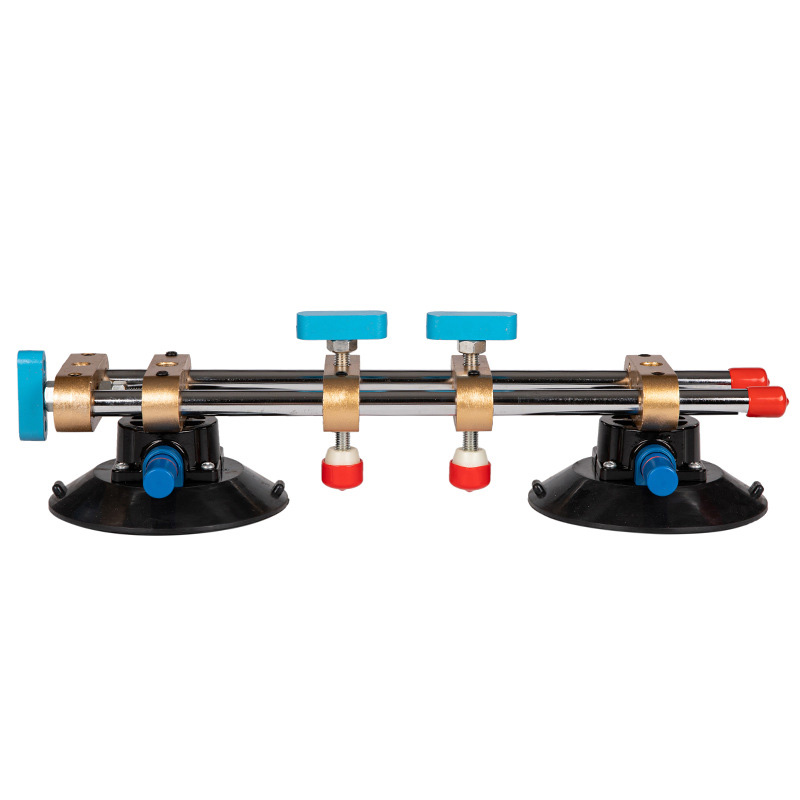
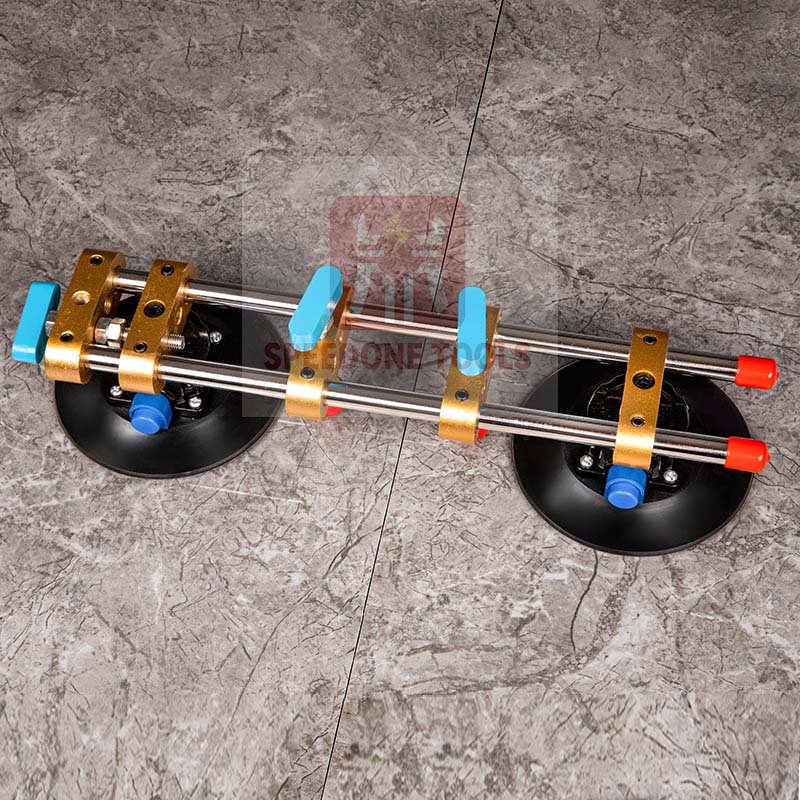
stone seam setter tool
- Model : RS-009
Product Description
Professional Stone Seam Setter Tool for Granite & Quartz Countertops
What Is a Stone Seam Setter Tool?
|
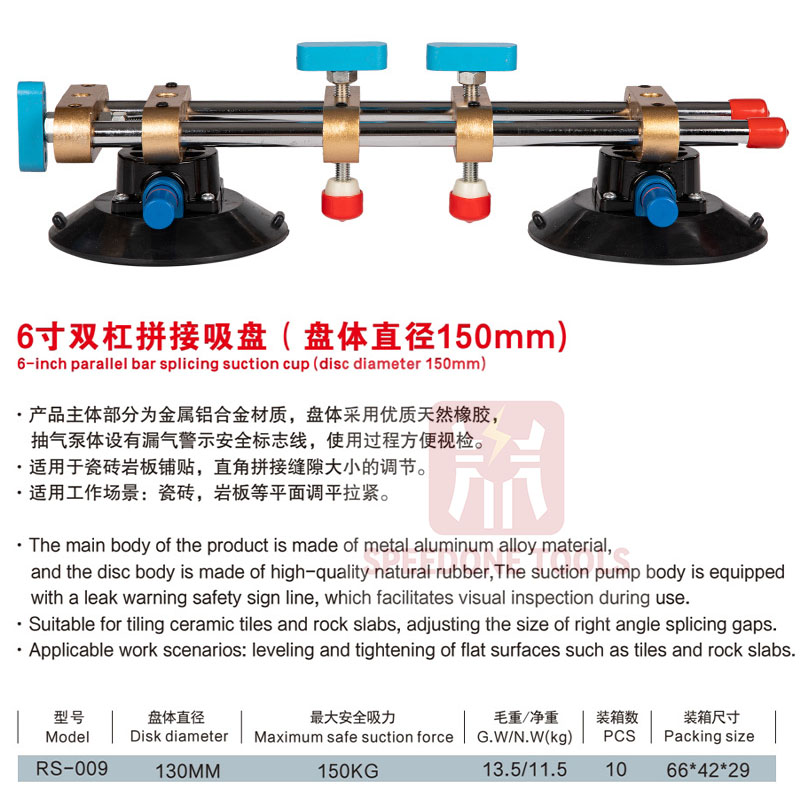 |
| Product parameter information | |
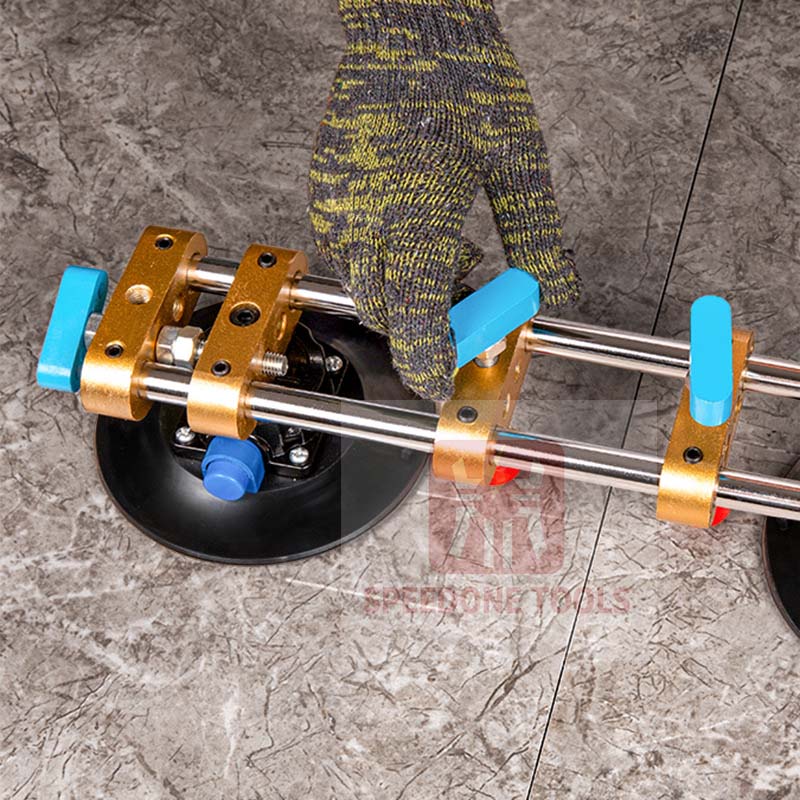
A stone seam setter tool is a professional countertop installation tool used to control the position of two separate stone sections while they are being joined.
Large countertops are often made from several pieces because of slab size, kitchen layout, transportation limits, or restricted access to the installation site.
After these sections are placed on the cabinets, they still need to be carefully aligned. Granite and quartz are heavy, so even a small adjustment can be difficult to make by hand.
A seam setter provides controlled movement instead of relying only on manual pushing, pulling, or repeated lifting.
Typical applications include:
- Granite countertops
- Quartz worktops
- Marble vanity tops
- Stone kitchen islands
- Commercial counters
- Bar tops
- Reception countertops
- Multi-section stone installations
Why Use a Stone Seam Setter Tool?
A good countertop seam depends on more than accurate cutting. The two stone sections also need to be positioned correctly during installation.
Common problems include visible gaps, uneven surface height, horizontal misalignment, and movement while the adhesive is curing.
Controlled Seam Closing
The tool helps bring the two countertop sections together gradually, giving installers better control over the joint.
Better Horizontal Alignment
Small left-to-right adjustments help keep the fabricated edges properly matched.
Surface Leveling
Depending on the design, some seam setters also allow vertical adjustment to reduce height differences between the two stone sections.
Less Manual Effort
Heavy granite and quartz pieces are difficult to reposition once they are resting on cabinetry. A dedicated seam setter reduces unnecessary manual movement.
Stable Position During Bonding
Once the correct alignment is reached, suitable seam-setting equipment can help maintain the joint position while the adhesive cures.
 |
 |
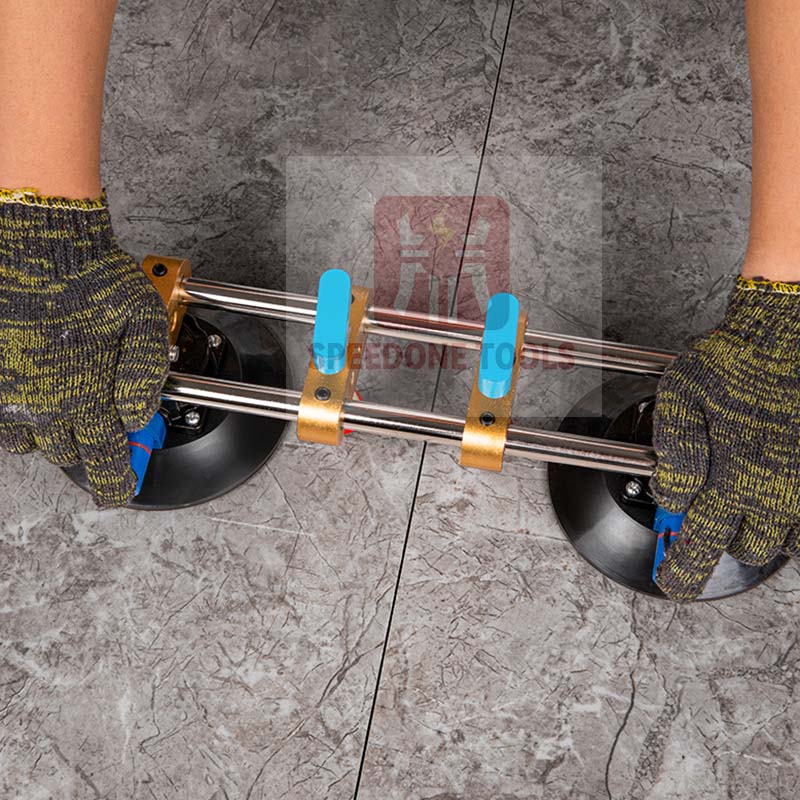
| Product application scenario presentation | |
How Does a Stone Seam Setter Tool Work?
The exact mechanism depends on the model, but many professional systems use gripping points positioned on both sides of the seam.
A connecting structure and adjustment mechanism then allow controlled force to be transferred between the two countertop pieces.
On smooth stone surfaces, vacuum suction cups are commonly used because they create temporary gripping points without drilling into or permanently modifying the countertop.
A typical workflow is:
Dry Fit → Grip → Pull → Align → Level → Bond → Hold → Finish
The tool should always be used on compatible materials and within its specified working capacity.
Stone Seam Setter Tool for Granite Countertops
Granite is one of the most common materials for seam-setting equipment because it is heavy and rigid.
Once a granite countertop section has been placed on the cabinets, even a few millimeters of adjustment can require considerable effort.
A granite stone seam setter tool places the adjustment point close to the joint, making it easier to perform small and controlled corrections.
Common granite applications include:
- L-shaped kitchen counters
- Large granite islands
- Long countertop runs
- Granite bar tops
- Commercial stone counters
- Multi-piece countertop projects
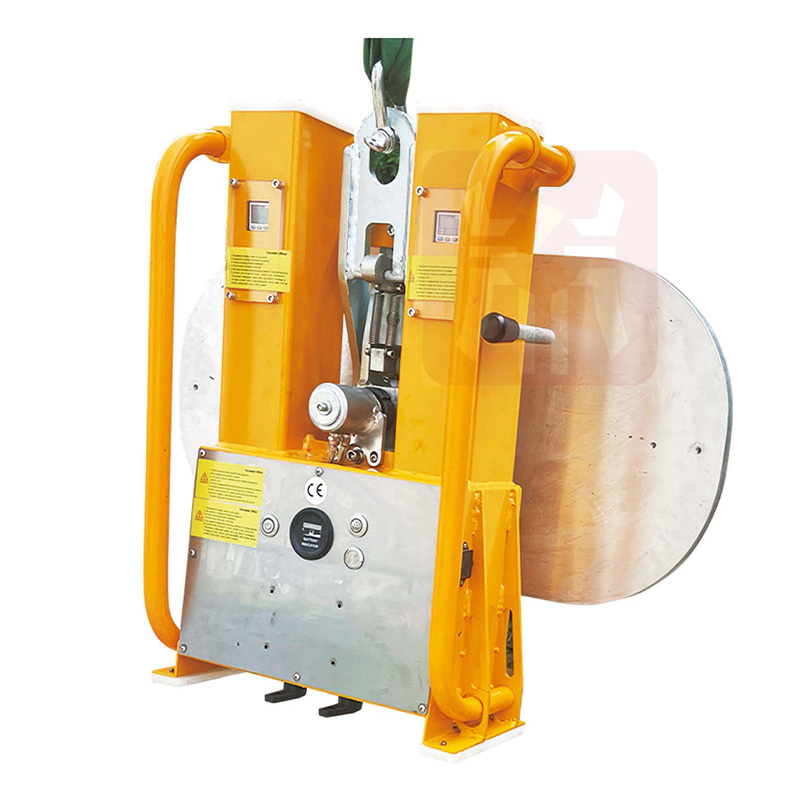
Before precision seam work begins, larger sections may first need to be moved close to their final position. For compatible materials, Speedone’s Professional Electric Tile Suction Cup with Automatic Vacuum Control provides a practical handling solution for porcelain, glass, and suitable stone surfaces.
Stone Seam Setter Tool for Quartz Countertops
Quartz countertops also require accurate seam control, especially on long worktops and large kitchen islands where several sections may be needed.
Before applying adhesive, installers should check:
- Fabricated seam edges
- Cabinet support
- Initial countertop position
- Surface height
- Vacuum gripping areas
- Adhesive working space
Once the countertop sections are properly supported and close to their final position, fine seam adjustment can begin.
For suitable slab positioning before seam work, Speedone’s Professional Electric Suction Cup for Glass, Stone and Porcelain Slab Handling can support the material-handling stage.
Stone Seam Setter Tool vs. Manual Alignment
| Factor | Manual Alignment | Stone Seam Setter Tool |
|---|---|---|
| Seam closing | Manual pushing or pulling | Controlled adjustment |
| Fine positioning | Highly operator dependent | More precise control |
| Heavy stone sections | Higher physical effort | Reduced manual movement |
| Surface leveling | Harder to control | Available on suitable designs |
| Holding during curing | Difficult to maintain manually | More stable on suitable systems |
Vacuum Gripping for Stone Seam Setting
Vacuum technology is commonly used on smooth stone surfaces because it creates temporary attachment points without drilling or permanently fastening into the finished countertop.
For a vacuum-based seam setter, suction performance is important. The contact area should be clean, smooth enough for the suction pad, and suitable for vacuum gripping.
For applications that require a stable individual gripping point, Speedone’s Heavy Duty Fixed Suction Cup for Glass and Stone provides another option for compatible materials.
Before applying adjustment force, check:
- Surface cleanliness
- Stone texture
- Vacuum seal condition
- Suction pad wear
- Material compatibility
- Direction of force
Dust, water, oil, polishing residue, rough texture, or damaged suction pads can reduce vacuum performance.
Main Components of a Stone Seam Setter Tool
Suction Cups
The suction cups create temporary attachment points between the equipment and the stone surface.
Connecting Structure
A rigid connecting structure transfers adjustment force from one side of the seam to the other.
Horizontal Pulling Mechanism
This mechanism helps reduce the gap between the countertop sections gradually and with better control.
Leveling Adjustment
Some models provide vertical adjustment to help create a more even transition across the seam.
Release Mechanism
The gripping system should allow controlled release after the bonding process reaches the correct stage.
Stone Seam Setter Tool Accessories
A professional seam-setting setup may include suction cups, connecting bars, handles, adjustment screws, seals, and mounting hardware.
For compatible suction systems, Speedone’s Aluminum Bar for Grabo Suction Cup provides another accessory option.
Before combining components, check:
- Connection dimensions
- Mechanical compatibility
- Working capacity
- Force direction
- Suction cup compatibility
- Intended application
Stone Seam Setter Tool vs. Stone Suction Lifter
A stone seam setter and a suction lifter may both use vacuum technology, but they are designed for different jobs.
| Feature | Stone Seam Setter Tool | Stone Suction Lifter |
|---|---|---|
| Main purpose | Seam alignment | Material lifting |
| Joint closing | Primary function | Not the primary function |
| Fine adjustment | High | Limited |
| Slab transport | Not intended | Main application |
| Holding during bonding | Suitable on applicable designs | Not the primary purpose |
For heavy stone, glass, and porcelain slabs that need to be moved before seam adjustment, Speedone’s Heavy Duty Suction Lifter for Glass, Stone and Porcelain Slabs can support suitable lifting and positioning tasks.
A practical workflow is:
Lift → Transport → Position → Dry Fit → Grip → Align → Level → Bond → Finish
Compatible Materials
The exact material compatibility depends on the gripping system and surface condition, but suitable seam setters may be used on:
- Polished granite
- Quartz
- Engineered stone
- Marble
- Porcelain slabs
- Sintered stone
- Other compatible smooth stone surfaces
Rough, porous, heavily textured, damaged, wet, or contaminated surfaces may not be suitable for vacuum gripping.
How to Use a Stone Seam Setter Tool
Inspect the Stone Sections
Check both pieces for chips, cracks, contamination, or fabrication problems before starting the installation.
Check the Countertop Support
The stone sections should already be properly supported before fine seam adjustment begins.
Dry Fit the Joint
Bring the sections together without adhesive first and check whether the fabricated edges meet correctly.
Clean the Gripping Areas
Remove dust, water, oil, polishing residue, and other contaminants from the suction areas.
Position the Seam Setter
Place the gripping points on opposite sides of the joint according to the tool design.
Check the Attachment
Confirm that the suction cups or other gripping components are secure before applying adjustment force.
Close the Seam Gradually
Use small adjustments while continuously checking the joint.
Level the Surface
Where the tool provides height adjustment, make gradual corrections until the desired surface transition is achieved.
Apply the Adhesive
Use an adhesive suitable for the stone material and follow the adhesive manufacturer’s instructions.
Maintain the Position
Keep the countertop sections stable during the required bonding period.
Release and Finish
Carefully remove the equipment after the appropriate curing stage and complete the final seam cleaning and finishing.
How to Choose the Right Stone Seam Setter Tool
Stone Compatibility
Make sure the tool is suitable for the granite, quartz, marble, porcelain, or engineered stone materials your team normally installs.
Vacuum Performance
For suction-based systems, reliable gripping is essential for controlled adjustment.
Horizontal Adjustment
The pulling mechanism should allow gradual and predictable seam closing.
Vertical Leveling
If a flush seam is important, check whether the tool provides suitable height adjustment.
Adjustment Range
The available movement should match the typical seam corrections required in your projects.
Construction Quality
Professional equipment should be durable enough for repeated transportation, setup, and job-site use.
Ease of Operation
Controls should remain easy to access when working near backsplashes, walls, sinks, or other restricted areas.
Replacement Parts
Easy access to suction pads, seals, connectors, and other wear parts can reduce long-term downtime.
Stone Seam Setter Tool vs. Seam Puller vs. Seam Clamp
Different suppliers may use different names for similar tools. Buyers should focus on the actual functions rather than the name alone.
| Tool | Main Function | Typical Application |
|---|---|---|
| Stone Seam Setter Tool | Closing, alignment and leveling | Stone countertop installation |
| Stone Seam Puller | Pulling adjacent pieces together | Joint closing |
| Seam Clamp | Holding pieces in position | Bonding and assembly |
| Leveling Tool | Correcting surface height | Flush stone joints |
Common Stone Seam Installation Problems
The Seam Will Not Close
Check the fabricated edges, initial positioning, countertop support, and nearby obstructions before applying more force.
One Stone Section Is Higher
The problem may come from cabinet level, support height, stone thickness, or incorrect positioning rather than the seam itself.
The Vacuum Cup Loses Grip
Stop adjustment immediately and inspect the surface, suction pad, seal, and vacuum condition before continuing.
The Joint Moves During Curing
Keep the setting system in position for the bonding period required by the adhesive manufacturer.
Too Much Force Is Required
Do not use excessive force to correct poor slab positioning or fabrication errors. Identify the cause first.
Who Uses Stone Seam Setter Tools?
- Granite fabricators
- Quartz countertop installers
- Stone fabrication workshops
- Kitchen countertop contractors
- Commercial fit-out teams
- Stone installers
- Countertop equipment distributors
- Professional tool suppliers
Why Choose Speedone?
Speedone develops professional equipment for stone, glass, porcelain, tile, and countertop handling applications.
Our product range supports different stages of professional stone handling, from initial gripping and slab positioning to precision countertop installation.
- Professional stone-handling solutions
- Equipment for granite, quartz, marble, porcelain, and glass
- Vacuum-based gripping technology
- Electric suction solutions
- Heavy-duty slab-handling equipment
- Compatible suction accessories
- OEM and ODM support
- Solutions for fabricators, installers, and distributors
The most efficient countertop workflow uses the right tool for each stage: heavy slabs are lifted and positioned with suitable handling equipment, while fine joints are adjusted with a purpose-built seam setter.
Frequently Asked Questions
What is a stone seam setter tool?
A stone seam setter tool is a professional countertop installation device designed to help pull together, align, and, depending on its design, level adjacent stone sections during seam installation.
Can a stone seam setter tool be used for granite?
Yes. Suitable tools can be used for granite countertops when the gripping system, working capacity, surface condition, and adjustment mechanism match the application.
Can I use a stone seam setter tool on quartz?
Yes. Quartz is a common application for professional seam-setting tools, especially where controlled joint closing and surface alignment are required.
Does a stone seam setter tool use vacuum suction cups?
Many designs use suction cups to create temporary gripping points on smooth stone surfaces. Other models may use different gripping or clamping systems.
What is the difference between a stone seam setter tool and a seam puller?
A seam puller mainly brings two sections together, while a seam setter may also provide additional positioning and leveling functions.
Can a stone seam setter tool lift stone slabs?
A seam setter should not be used as a slab lifter unless the manufacturer specifically approves it for lifting. Heavy slabs should be moved with equipment designed for that purpose.
What should I consider when buying a stone seam setter tool?
Consider stone compatibility, gripping method, suction performance, horizontal adjustment, leveling capability, adjustment range, construction quality, ease of operation, and replacement part availability.
Related Products

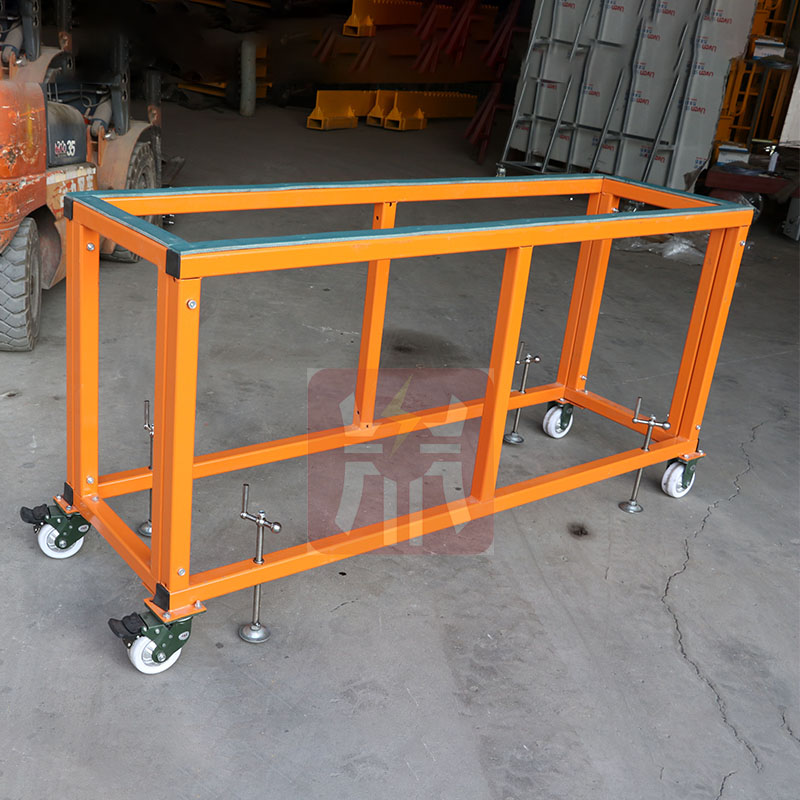
Durable steel workbench for stone processing
