





2FLT-C 2m³ Drop-Bottom Steel Waste Hopper for Industrial Waste Handling
The Speedone 2FLT-C 2 cubic meter drop bottom hopper is designed for high-volume collection and discharge of stone waste, workshop debris and compatible industrial materials.
Unlike a forward-tipping forklift hopper, the published 2FLT-C specification identifies a drop-bottom opening system and crane handling. This distinction is important for equipment selection, site planning and safe discharge.
The 2m³ figure describes the hopper’s internal volume. It does not mean that the container has a 2-ton rated payload. The allowable material weight should be confirmed separately according to the current technical specification, lifting arrangement and material density.
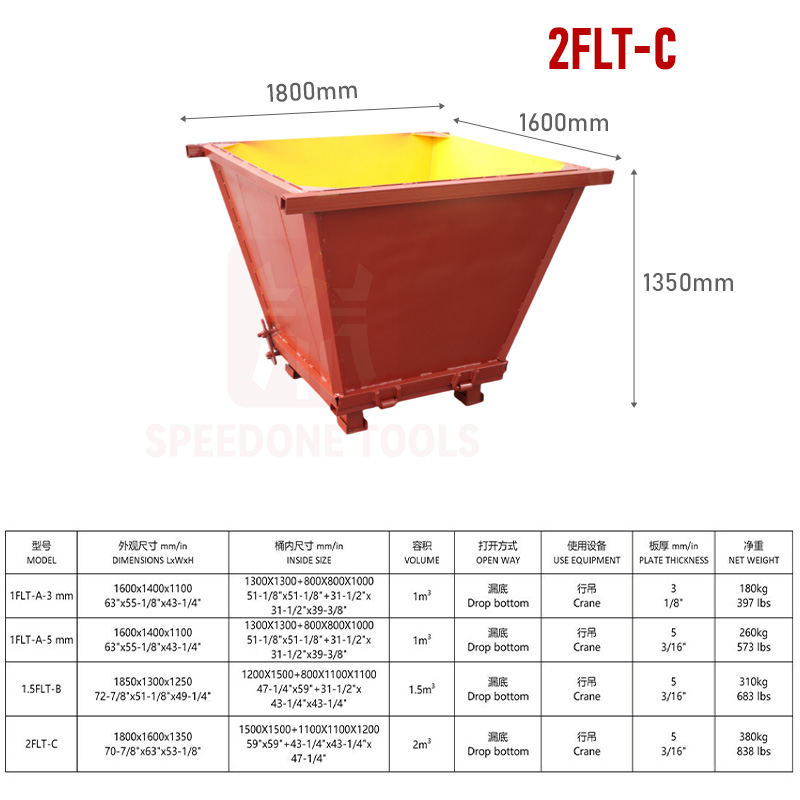 |
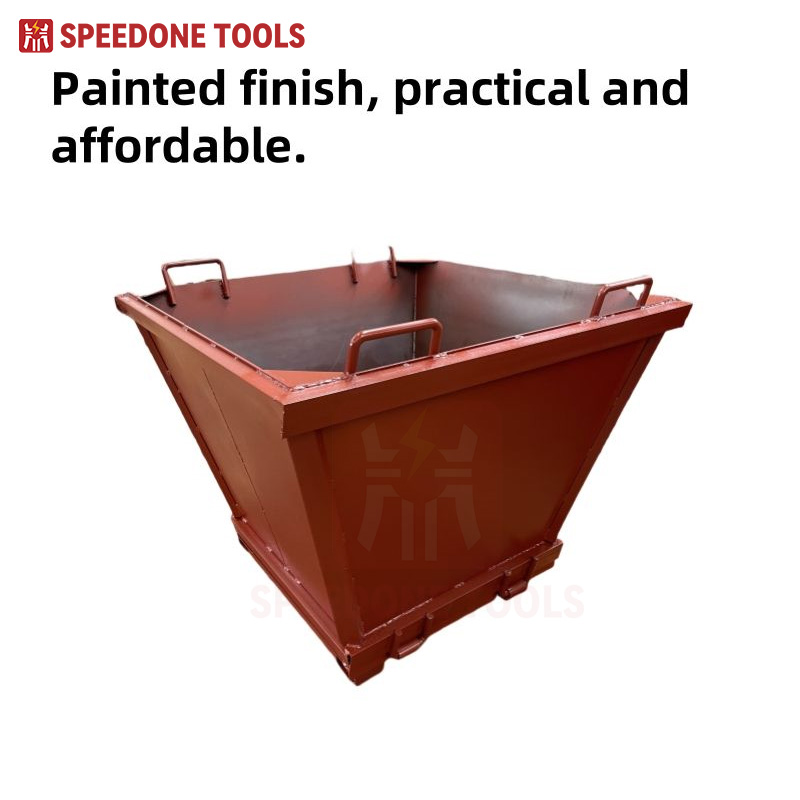 |
| 2FLT-C product and Speedone drop-bottom hopper series reference | |
2FLT-C Technical Specifications
| Specification | Published Data |
|---|---|
| Brand | Speedone |
| Model | 2FLT-C |
| Product Type | Drop-Bottom Steel Waste Hopper / Dumpster |
| Published Volume | 2 m³ |
| Overall Dimensions | 1800 × 1600 × 1350 mm 70-7/8″ × 63″ × 53-1/8″ |
| Published Inside Size | 1500 × 1500 + 1100 × 1100 × 1200 mm 59″ × 59″ + 43-1/4″ × 43-1/4″ × 47-1/4″ |
| Opening Method | Drop Bottom |
| Published Handling Equipment | Crane |
| Published Plate Thickness | 5/16″ |
| Net Weight | 380 kg / 838 lbs |
| Material | Steel |
| Rated Payload | Confirm current technical specification |
| Bottom-Gate Release Method | Confirm current operating drawing / instruction |
What Is a 2 Cubic Meter Drop-Bottom Hopper?
A 2m³ drop-bottom hopper is a bulk waste container that stores material inside a steel body and discharges the contents through an opening at the bottom of the container.
For the Speedone 2FLT-C, the published specification identifies:
- a 2m³ internal volume,
- a drop-bottom opening method,
- crane handling,
- a 5/16″ published plate thickness,
- and a 380 kg net weight.
This makes the product fundamentally different from a forward-tipping forklift hopper.
2m³ Volume Does Not Mean 2-Ton Payload
The 2 cubic meter specification describes how much internal volume is available inside the hopper.
The actual material weight depends heavily on bulk density.
For example, different waste streams can occupy the same 2m³ volume while producing very different total weights:
- packaging waste may be relatively light,
- wood or mixed workshop waste may be heavier,
- metal scrap can be significantly denser,
- and granite or marble fragments can produce very high loads before the hopper is completely full.
How Does the Drop-Bottom Discharge System Work?
The 2FLT-C uses a published drop-bottom opening configuration.
In a drop-bottom design, material is discharged downward rather than by tipping the complete hopper forward.
The supplied specification does not identify the exact latch, release, hinge or reset mechanism. These components should therefore be confirmed from the current product drawing or operating instructions.
Important technical details to verify include:
- bottom-gate arrangement,
- release mechanism,
- gate locking method,
- reset / closing procedure,
- lifting-point arrangement,
- and required discharge clearance.
Crane Handling — Not Published as Forklift Dumping
The current 2FLT-C technical table identifies Crane as the handling equipment.
For this reason, the product should not be described as a forklift tipping hopper unless a separate approved forklift configuration exists.
A professional buyer should confirm:
- upper lifting-point location,
- required hook or shackle interface,
- number of lifting points,
- required lifting accessories,
- allowable lifting angle,
- and the required crane capacity.
If a forklift-based waste solution is required instead, Speedone also offers a
forklift fork stone waste container trolley.
Heavy-Duty Steel Construction
The 2FLT-C specification publishes a 5/16″ steel plate thickness and a net weight of 380 kg.
These values provide stronger technical purchasing information than generic terms such as “extra strong” or “maximum durability.”
For industrial waste applications, buyers should also confirm:
- steel grade,
- bottom-panel thickness,
- side-wall thickness,
- reinforcement-member dimensions,
- lifting-lug construction,
- weld specification,
- and surface treatment.
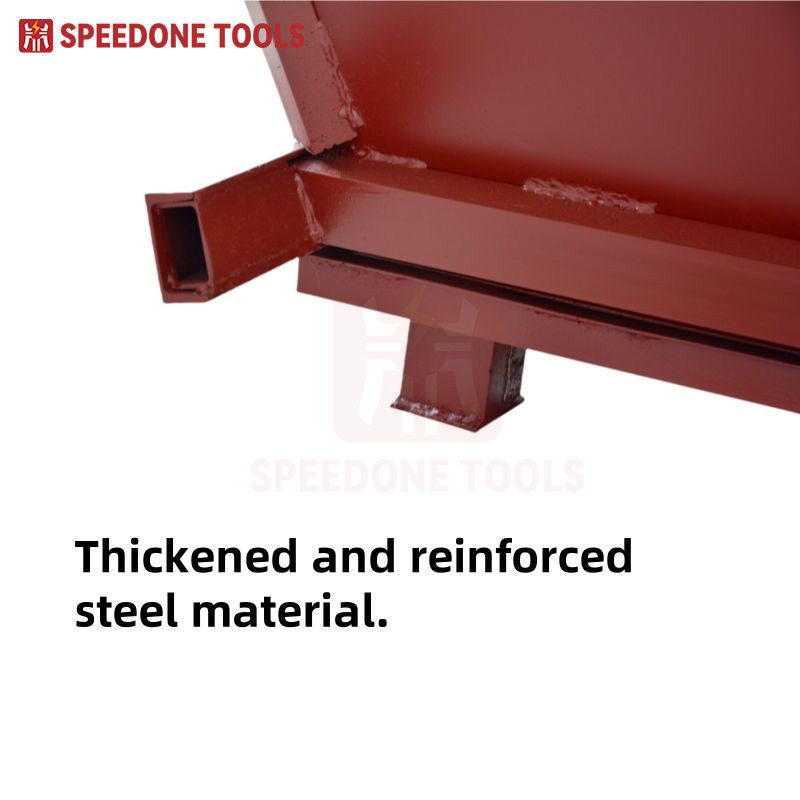 |
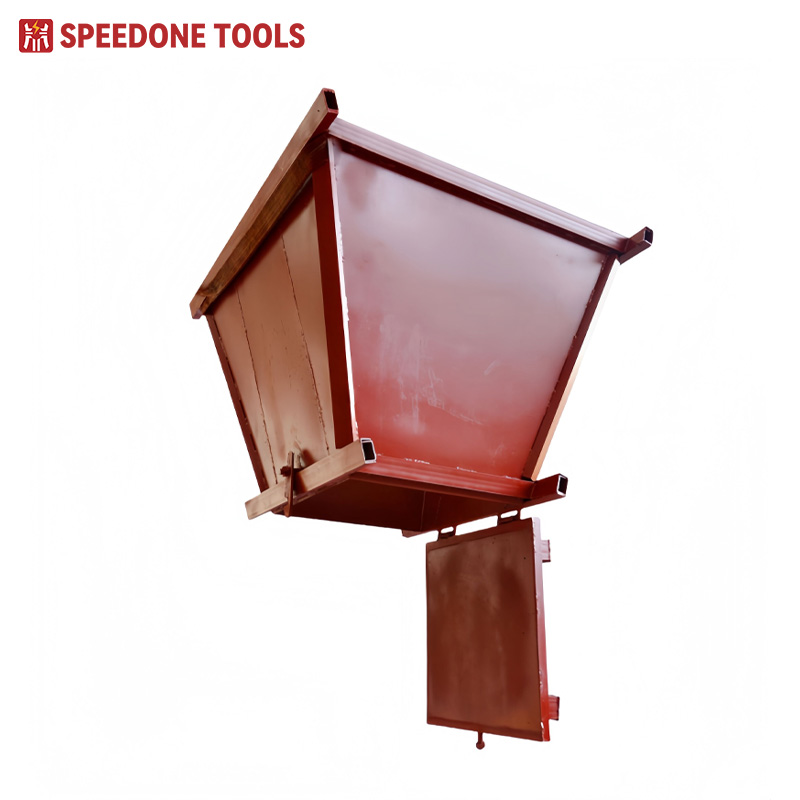 |
| Steel hopper structural detail and Speedone hopper series reference | |
Speedone Drop-Bottom Hopper Series
The published product table includes several different capacities and constructions. Keeping these specifications together helps buyers select the correct volume without treating multiple products as duplicates.
| Model | Volume | Opening | Handling | Plate Thickness | Net Weight |
|---|---|---|---|---|---|
| 1FLT-A-3 mm | 1 m³ | Drop Bottom | Crane | 3/16″ | 180 kg |
| 1FLT-A-5 mm | 1 m³ | Drop Bottom | Crane | 5/16″ | 260 kg |
| 1.5FLT-B | 1.5 m³ | Drop Bottom | Crane | 5/16″ | 310 kg |
| 2FLT-C | 2 m³ | Drop Bottom | Crane | 5/16″ | 380 kg |
1m³ vs 1.5m³ vs 2m³ Waste Hopper
The main difference between these models is their published internal volume and physical size.
In general:
- 1m³ models provide a smaller collection volume for lower-volume waste streams.
- 1.5m³ models provide an intermediate capacity.
- 2m³ 2FLT-C provides the largest published volume in this table and is intended for operations requiring greater waste-container volume.
The larger volume does not automatically mean a higher allowable payload. The correct model should be selected according to both volume requirements and verified load limits.
Drop-Bottom Hopper vs Forward-Tipping Hopper
| Factor | 2FLT-C Drop-Bottom Hopper | Forward-Tipping Hopper |
|---|---|---|
| Discharge Direction | Downward through bottom opening | Container tips forward |
| Published 2FLT-C Handling Equipment | Crane | Model-specific |
| Key Selection Question | Is bottom discharge suitable for the receiving area? | Is sufficient tipping clearance available? |
For another bottom-discharge configuration, buyers can compare the
heavy duty drop bottom dumpster bin.
Suitable Waste Materials
Subject to the verified rated payload and safe lifting configuration, the 2FLT-C may be considered for collection of:
- granite offcuts and scraps,
- marble waste,
- quartz remnants,
- broken stone pieces,
- construction debris,
- metal fabrication waste,
- and compatible industrial recyclable materials.
Dense stone and metal waste may reach the allowable load weight before the hopper reaches its full 2m³ volume.
Stone Processing Factory Applications
The 2m³ hopper can be useful in high-output facilities where waste is generated continuously, including:
- granite processing factories,
- marble fabrication shops,
- quartz slab workshops,
- construction material facilities,
- metal fabrication plants,
- and industrial recycling operations.
For more general waste-containment requirements, Speedone also offers a
customized stone waste container dumpster
and a
collapsible workshop waste container.
For larger fixed storage requirements, buyers can also review the
customized steel stone waste storage container.
For integrated waste-management projects, Speedone also provides an
OEM steel waste treatment container system.
Pre-Use Inspection Checklist
- Confirm the product model is 2FLT-C.
- Confirm the planned material weight is within the verified rated payload.
- Inspect the steel body for deformation or impact damage.
- Inspect welds and structural reinforcement areas.
- Inspect crane lifting points for damage or deformation.
- Inspect the bottom gate and hinge areas.
- Confirm the bottom gate is fully closed and locked before lifting.
- Inspect the release mechanism and retaining components.
- Check hooks, shackles, chains or other lifting accessories.
- Confirm all lifting accessories are rated for the complete suspended load.
- Check for evidence of previous overloading.
- Confirm the discharge area is clear before releasing the bottom gate.
- Keep personnel clear of the suspended hopper and discharge zone.
- Remove damaged equipment from service until properly evaluated.
Common Buyer Mistakes
Assuming 2m³ Means 2 Tons
The 2m³ figure describes volume, not allowable payload weight.
Calling 2FLT-C a Forklift Dumping Hopper
The supplied technical specification identifies the handling equipment as Crane, not forklift.
Confusing Drop-Bottom and Tipping Designs
The 2FLT-C opens from the bottom according to the published specification rather than relying on forward tipping.
Ignoring Material Density
Heavy stone or metal waste can reach the allowable load limit before the full internal volume is used.
Ignoring Hopper Self-Weight
The 2FLT-C itself weighs 380 kg. This self-weight must be included when evaluating the complete crane and rigging load.
Assuming the Gate Release Mechanism
The supplied data confirms a drop-bottom opening but does not define the exact release and reset mechanism. Confirm the current operating drawing before use.
Using Another Model’s Specifications
The Speedone range includes 1m³, 1.5m³ and 2m³ hoppers. Dimensions, weight and plate specifications should be matched to the exact model.
What Information Should Buyers Provide Before Ordering?
| Information | What to Provide |
|---|---|
| Waste Material | Granite / marble / quartz / metal / construction waste / other |
| Maximum Piece Size | Length × width × thickness |
| Expected Material Weight | Approximate kg per full container |
| Required Volume | 1m³ / 1.5m³ / 2m³ |
| Crane Capacity | Rated capacity and operating conditions |
| Lifting Interface | Hook / shackle / chain / other |
| Discharge Area | Receiving bin / truck / waste pit / other |
| Customization | Color / finish / structural requirements |
Frequently Asked Questions
What is the volume of the Speedone 2FLT-C?
The published internal volume is 2 cubic meters.
Does 2m³ mean the hopper can carry 2 tons?
No. The 2m³ specification describes internal volume. The allowable payload weight must be confirmed separately.
What are the dimensions of the 2FLT-C?
The published overall dimensions are 1800 × 1600 × 1350 mm.
How much does the 2FLT-C weigh?
The published net weight is 380 kg / 838 lbs.
What is the plate thickness?
The published plate thickness for the 2FLT-C is 5/16″.
How does the 2FLT-C discharge waste?
The published opening method is drop bottom, meaning material is discharged through the bottom of the container. The exact gate release and reset mechanism should be confirmed from the current operating instructions.
Is the 2FLT-C a forklift dumping hopper?
The supplied technical specification identifies the crane as the handling equipment. Forklift dumping should not be assumed unless a separate approved configuration is available.
Can the hopper handle granite and marble waste?
The hopper can be considered for compatible stone waste, but the actual load weight must remain within the verified rated payload because dense stone debris may reach the allowable load before the 2m³ volume is completely filled.
What is the difference between the 1m³, 1.5m³ and 2m³ models?
The published models differ in internal volume, dimensions, plate specification and net weight. The 2FLT-C is the 2m³ model and has a published net weight of 380 kg.
What should be inspected before lifting?
Inspect the container structure, welds, crane lifting points, bottom gate, locking mechanism and all lifting accessories, and verify the total suspended load remains within the rated lifting-system capacity.
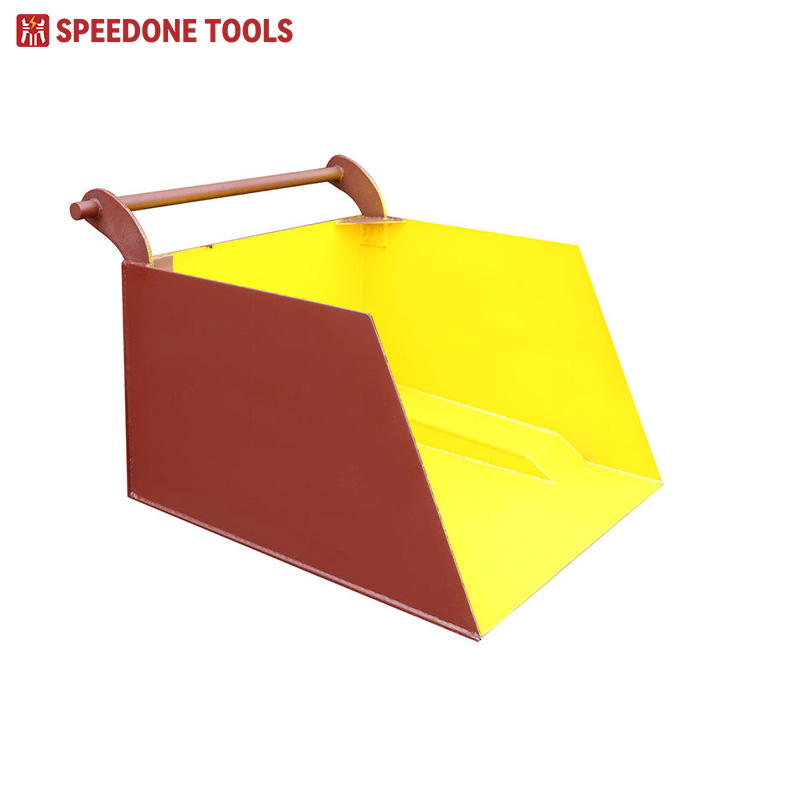
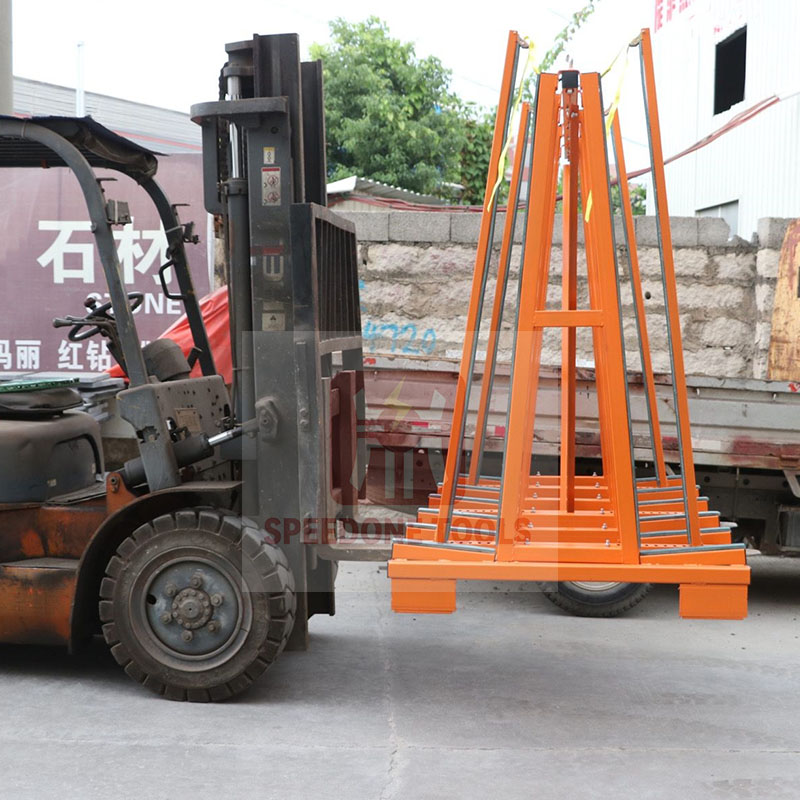
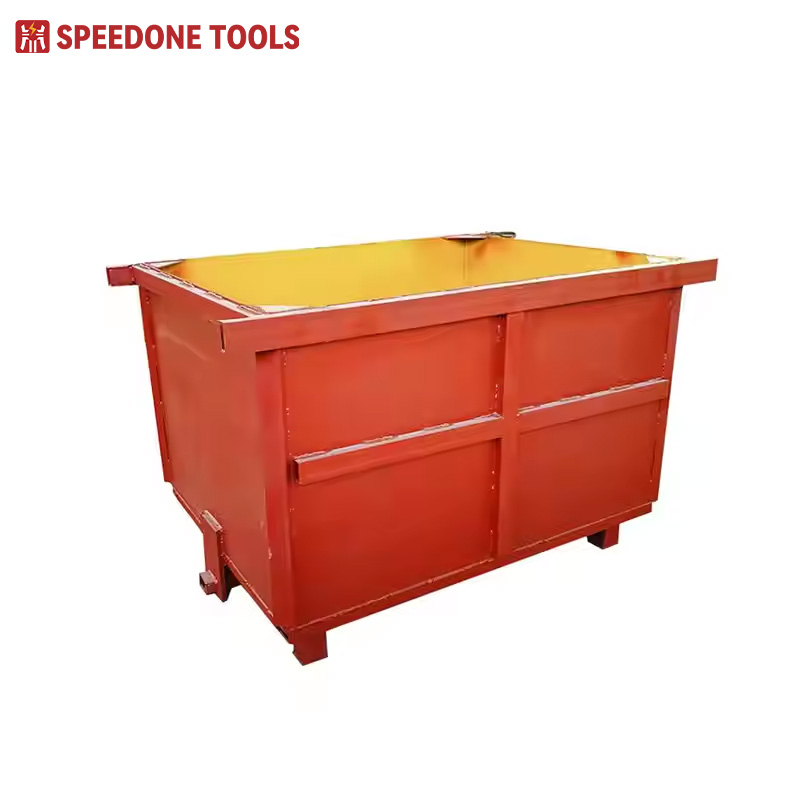
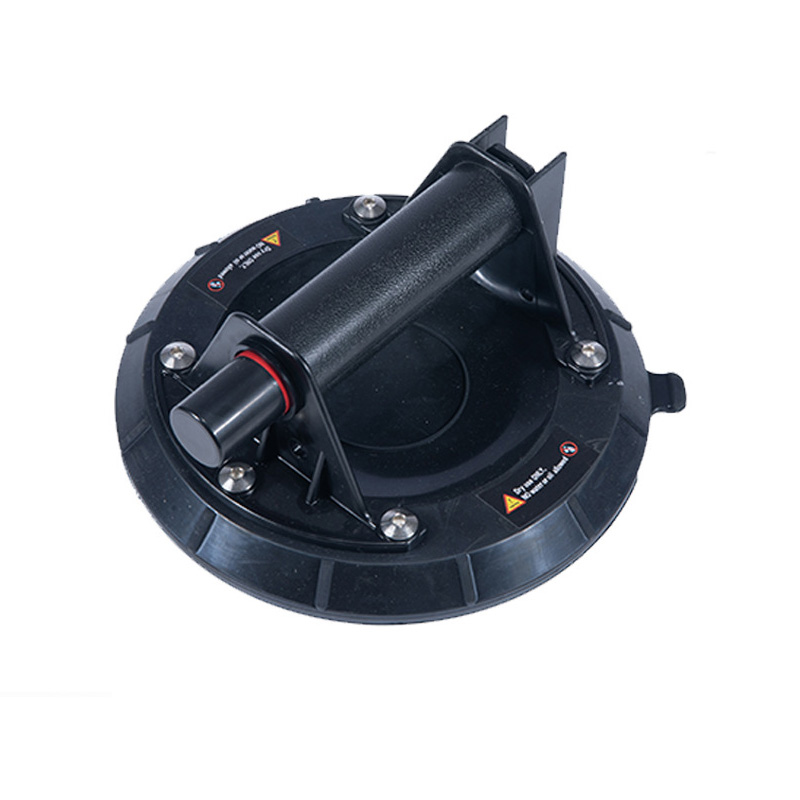
The strongest SEO and AI facts on this page are now clear: model 2FLT-C, 2m³ published volume, 1800 × 1600 × 1350 mm overall dimensions, drop-bottom discharge, crane handling, 5/16″ plate thickness and 380 kg net weight.
The biggest issue in the previous content was product-entity conflict. The technical table described a crane-handled drop-bottom container, while the body repeatedly described a forklift-compatible tipping hopper. Removing that contradiction substantially improves AI trust and technical clarity.
The largest remaining information gaps are the rated payload, exact bottom-gate release mechanism, lifting-point dimensions, approved rigging arrangement and steel grade. These engineering details would provide more SEO and AI value than adding additional generic marketing text.
Buyer takeaway: choose the 2FLT-C according to required waste volume, material density, verified rated payload, crane capacity, lifting arrangement and bottom-discharge requirements.