





Heavy-Duty Forklift Loading Ramp for Warehouse and Container Operations
 |
 |
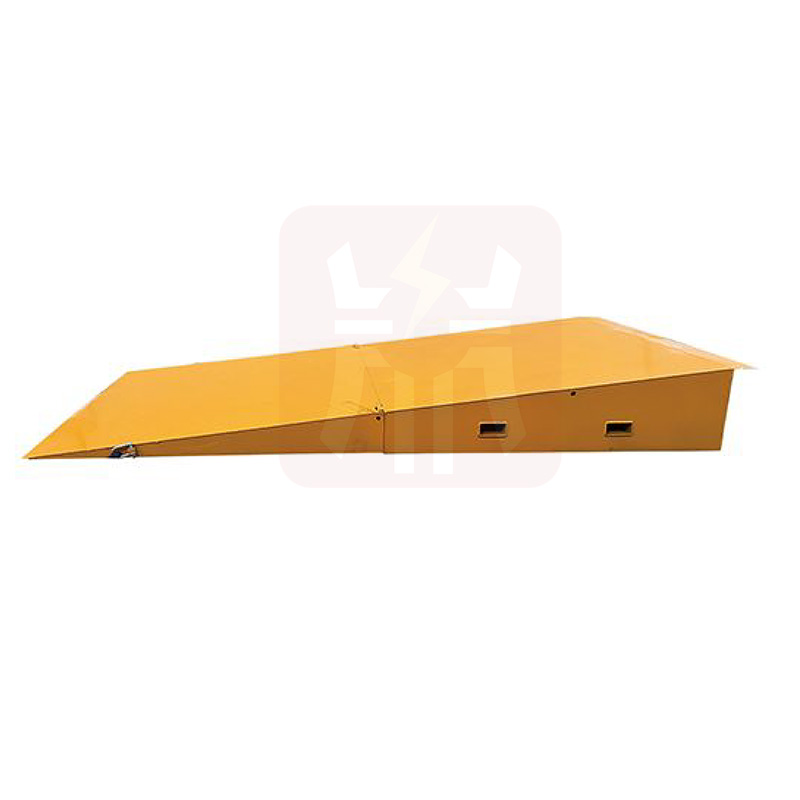
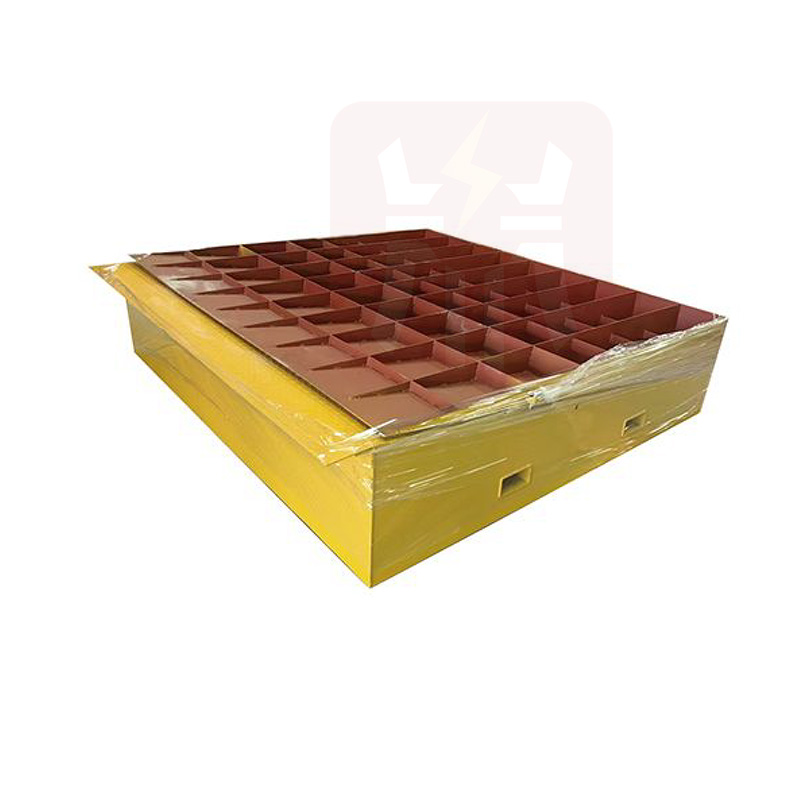
| Speedone CCDCB-AB Forklift Loading Ramp | |
Loading and unloading often becomes difficult when the forklift operating surface and the truck, container, platform, or loading area are at different heights. Without a suitable transition, operators may need additional equipment, repeated cargo repositioning, or a permanent loading structure.
The Speedone Forklift Loading Ramp is designed to create a controlled access path for industrial forklifts moving cargo between loading areas. It is particularly suitable for warehouses, logistics centers, manufacturing facilities, freight operations, industrial yards, and container handling environments where flexible forklift access is required.
CCDCB-AB Key Specifications
| Specification | CCDCB-AB |
|---|---|
| Product Type | Forklift Loading Ramp |
| Model | CCDCB-AB |
| Rated Load | 10T |
| Overall Dimensions | 4000 × 2000 × 500 mm |
| Main Material | Heavy-duty steel structure |
| Typical Applications | Warehouse loading, container operations, freight terminals, factories, logistics yards |
| Customization | Ramp dimensions, capacity and configuration can be discussed according to project requirements |
Note: Final load rating, configuration and operating requirements should be confirmed against the production specification and application before use.
What Is a Forklift Loading Ramp?
A forklift loading ramp is a structural access system that allows a forklift to travel between two surfaces with different elevations. Typical applications include ground-to-platform access, warehouse loading zones, truck loading areas, container handling locations, freight terminals, and temporary industrial loading points.
The ramp does not lift the forklift itself. Instead, it provides an inclined driving surface that allows the forklift to move between levels while carrying a suitable load.
For this reason, ramp selection depends on more than platform size alone. Buyers need to evaluate forklift weight, cargo weight, required loading height, wheelbase, ground clearance, driving width, ramp gradient, surface condition, and available approach space.
Who This Forklift Loading Ramp Is For
The CCDCB-AB is designed for industrial users that regularly need forklift access during cargo loading and unloading, including:
- Warehouse and logistics distribution centers
- Shipping and freight operations
- Manufacturing and production facilities
- Industrial cargo storage yards
- Container loading and unloading operations
- Construction material handling facilities
- Factories with temporary loading points
- Distribution and dispatch centers
The main benefit is not simply faster loading. A correctly selected ramp creates a defined forklift travel route between working levels and can reduce the need for repeated cargo transfer between different pieces of handling equipment.
What Does the 10T Capacity Mean for Buyers?
The CCDCB-AB is specified with a rated load of 10T. When evaluating whether a ramp is suitable, buyers should not consider cargo weight alone because the ramp supports the forklift while the forklift is carrying the load.
A practical starting point is to calculate the total operating weight:
Forklift operating weight
+ operator and accessories where applicable
+ maximum cargo weight
= combined operating weight
For example:
Cargo weight: 2,000 kg
Combined weight = 4,500 + 2,000
= 6,500 kg
This example is provided only to explain the selection method. Final suitability should be confirmed according to the rated ramp specification, load distribution, forklift configuration, ramp installation, workplace requirements, and applicable engineering or safety factors.
How Does a Forklift Loading Ramp Work?
The ramp creates an inclined transition between two working levels. A typical loading process includes:
| Step | Operation | Key Check |
|---|---|---|
| 1 | Position the ramp | Confirm level, alignment and support condition |
| 2 | Secure the loading system | Follow the specified fixing or positioning method |
| 3 | Inspect the travel surface | Check for contamination, damage or obstruction |
| 4 | Confirm combined load | Forklift + cargo must remain within applicable limits |
| 5 | Approach the ramp | Keep the forklift aligned with the driving surface |
| 6 | Cross at controlled speed | Avoid sudden turning, braking or acceleration |
| 7 | Complete loading or unloading | Maintain a clear forklift route |
Engineering Features for Heavy-Duty Loading
Heavy-Duty Steel Structure
The ramp uses a steel structural system designed to support industrial forklift traffic. Structural design is particularly important because a loading ramp experiences repeated wheel loads as the forklift enters, crosses, exits, and returns during daily logistics operations.
Reinforced Load-Bearing Structure
Structural reinforcement helps distribute the working load through the ramp rather than concentrating it in a limited area. Buyers should confirm the rated capacity and product configuration rather than judging strength only by plate thickness or visual appearance.
Anti-Slip Driving Surface
Traction is important because forklift tires need consistent contact while travelling on an inclined surface. The ramp surface is designed to improve tire grip compared with a smooth steel surface.
However, an anti-slip surface alone cannot guarantee safe operation. Ramp condition, contamination, forklift tires, operating speed, loading condition, weather, positioning, and operator procedures also affect traction.
Industrial Welding and Structural Inspection
Weld quality and the condition of load-bearing components are important for equipment exposed to repeated forklift traffic. Buyers should include structural inspection as part of routine ramp maintenance.
Why Loading Height Matters
A forklift loading ramp is useful only when its geometry matches the actual height difference between the two operating surfaces. Before ordering, buyers should measure:
- Ground level
- Container or platform floor height
- Dock height
- Forklift wheelbase
- Forklift ground clearance
- Approach and departure clearance
A ramp that is too short for a large height difference may create a steeper approach than the forklift can comfortably negotiate. A ramp that does not match the actual loading point may also create clearance or transition problems.
For customized applications, provide Speedone with the actual loading height together with the forklift dimensions and operating weight before finalizing the ramp configuration.
Can My Forklift Use the CCDCB-AB Ramp?
To determine suitability, compare the real forklift application with the ramp specification.
| Buyer Check | Why It Matters |
|---|---|
| Forklift operating weight | Forms part of the total load on the ramp |
| Maximum cargo weight | Must be added to the forklift operating weight |
| Overall forklift width | Must be compatible with the usable driving area |
| Wheelbase | Influences ramp transition and clearance |
| Ground clearance | Important at ramp entry and exit transitions |
| Loading height | Determines whether the ramp geometry fits the loading point |
| Floor condition | Affects ramp support and forklift traction |
Real-World Forklift Loading Ramp Applications
Warehouse Loading and Unloading
The ramp can create forklift access between warehouse operating areas and raised loading points, helping reduce repeated cargo transfer during dispatch and receiving operations.
Shipping Container Operations
Container loading frequently requires a controlled transition between the yard and the container floor. A suitable forklift loading ramp allows cargo to be transferred by forklift where the operating geometry and load remain compatible with the ramp.
Freight and Logistics Terminals
Freight terminals can use loading ramps where cargo must move between temporary loading areas, vehicles, containers, and warehouse zones.
Manufacturing Facilities
Factories may use forklift ramps to connect storage and production logistics areas or create a temporary loading path where a permanent dock is unavailable.
Industrial Storage Yards
Outdoor logistics yards and industrial storage areas can benefit from loading equipment that can be configured around changing freight operations.
 |
 |
| Heavy-duty forklift loading ramp application | |
Forklift Loading Ramp vs Fixed Loading Platform
| Factor | Forklift Loading Ramp | Fixed Loading Platform |
|---|---|---|
| Installation Flexibility | Higher | Fixed to a defined location |
| Permanent Civil Work | Can be lower depending on configuration | May require more infrastructure |
| Container Operations | Suitable when ramp geometry matches operation | Depends on dock configuration |
| Relocation | Depends on ramp design and site equipment | Normally difficult |
| Best Application | Flexible or retrofit loading areas | Permanent high-volume dock operations |
Forklift Loading Ramp vs Dock Leveler
A forklift loading ramp and a dock leveler solve related but different problems.
| Equipment | Main Purpose | Typical Installation |
|---|---|---|
| Forklift Loading Ramp | Create an inclined forklift access route | Warehouse, yard, platform or container loading area |
| Dock Leveler | Bridge a smaller height or gap between a dock and vehicle | Permanent loading dock |
If the facility already has a permanent loading dock, a dock-leveling solution may be appropriate. Where forklift access must be created from ground level or in a more flexible loading location, a ramp may provide a more suitable operating layout.
Why Forklift Loading Ramps Can Improve Warehouse Productivity
The main workflow benefit comes from reducing unnecessary transfer steps.
Without direct forklift access, cargo may need to be:
- unloaded to an intermediate area,
- transferred onto different equipment,
- repositioned,
- and then moved again to its final destination.
A correctly configured loading ramp can allow the forklift to move more directly between the loading point and the warehouse or yard.
Without direct ramp access:
Truck → manual/intermediate transfer → forklift → warehouse
With suitable forklift ramp access:
Truck/container → forklift → warehouse
The actual productivity improvement depends on cargo volume, forklift travel distance, loading frequency, labor requirements, warehouse layout, and current operating method.
Forklift Loading Ramp Safety Checklist
- Confirm the ramp is correctly positioned before use.
- Confirm the ramp is supported or secured according to its intended configuration.
- Verify the combined forklift and cargo load.
- Do not exceed the applicable rated capacity.
- Inspect the driving surface for oil, mud, water, debris, or damage.
- Check the ramp structure and welds for visible damage.
- Confirm forklift width and clearance.
- Confirm adequate ground clearance at ramp transitions.
- Keep the forklift aligned with the ramp while travelling.
- Avoid sudden steering, braking, or acceleration on the ramp.
- Keep unnecessary personnel away from the operating area.
- Follow the forklift manufacturer’s and workplace operating procedures.
Common Buyer Mistakes
Checking Cargo Weight but Not Forklift Weight
The forklift itself can weigh several tons. Ramp capacity evaluation should therefore consider the combined working load rather than cargo alone.
Ignoring Loading Height
Ramp geometry must match the actual elevation difference. An unsuitable loading height can create excessive slope or clearance problems.
Using Overall Width as Driving Width
The overall product width and the effective forklift driving width may not be identical. Buyers should confirm the usable travel area before ordering.
Ignoring Forklift Ground Clearance
Low-clearance forklifts may experience transition problems at the beginning or end of an incline if the ramp geometry is not compatible.
Choosing Only by Price
Ramp selection should also consider structural design, rated capacity, surface traction, weld quality, loading frequency, dimensions, customization, and expected service conditions.
How to Choose the Right Forklift Loading Ramp
Before requesting a quotation, provide the following application information:
| Information | Example |
|---|---|
| Forklift model | Manufacturer / model |
| Forklift operating weight | kg |
| Maximum cargo weight | kg |
| Forklift overall width | mm |
| Loading height | mm |
| Application | Container / warehouse / truck / platform |
| Operating frequency | Trips per day |
| Indoor or outdoor use | Working environment |
This information allows the ramp to be evaluated against the actual loading operation rather than selected only from a nominal capacity figure.
Related Industrial Material Handling Solutions
For stable pallet lifting operations, the
self balancing crane pallet lifter
improves load handling when pallets need to be lifted by compatible crane systems.
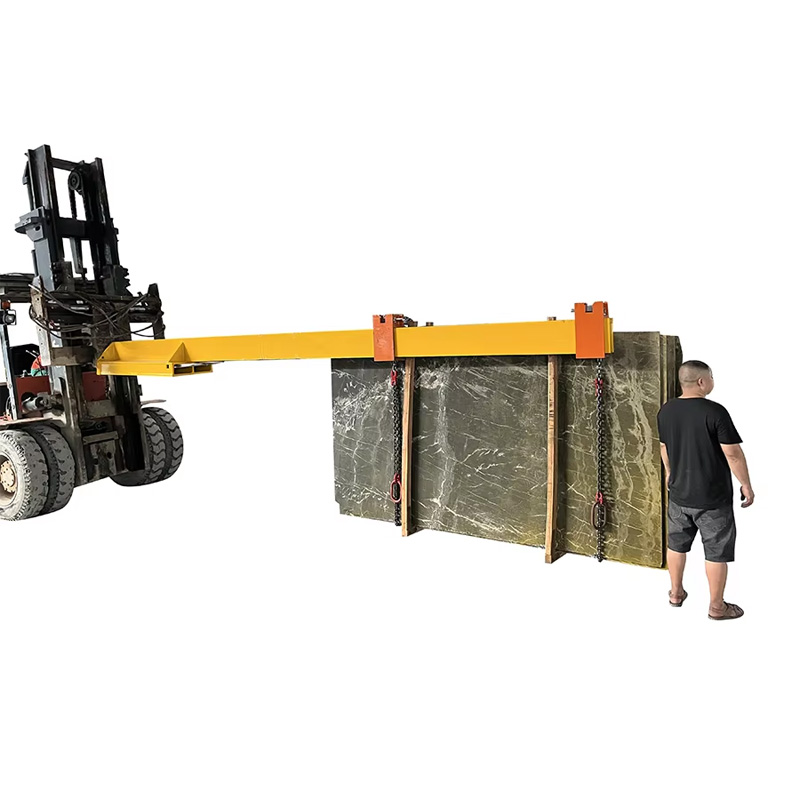
For handling oversized cargo, the
forklift fork extensions
provide additional fork reach and load support for suitable long-load applications.
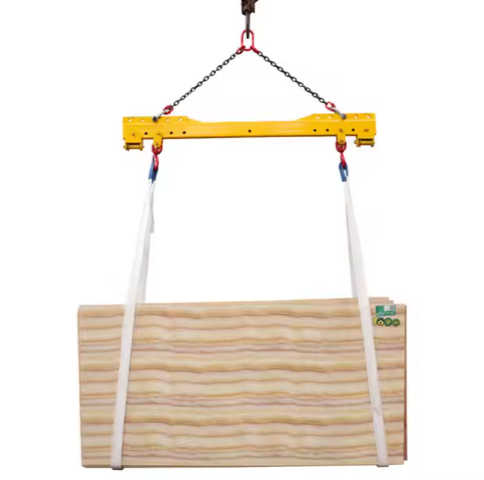
For wide slab applications, the
wide forklift lifting beam
supports balanced handling of wide materials.
Additional Industrial Lifting Equipment
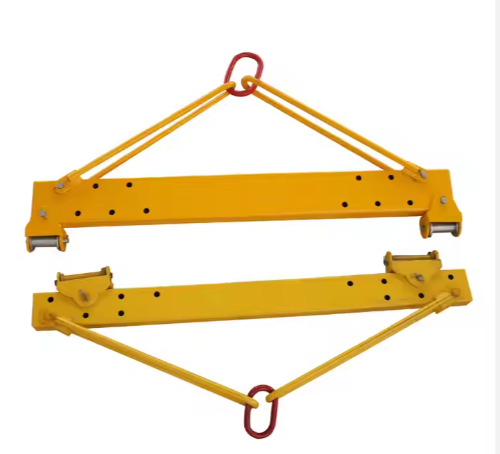
The
balance lifting beam
is designed to improve load distribution during compatible lifting applications.
The
fixed tilting lifting beam
supports controlled material positioning for suitable forklift or crane operations.
The
low headroom slab lifting beam
is designed for lifting operations where overhead working space is limited.
Why Choose Speedone?
Forklift loading ramps should be selected around real loading conditions rather than a generic size or capacity. Speedone can evaluate the required working load, forklift dimensions, loading height, operating environment, and project requirements when discussing a suitable loading solution.
For project-specific applications, dimensions, load capacity, structure, surface treatment, and other configurations can be discussed before production.
References and Safety Considerations
- ASME B56.1 – Safety requirements relating to powered industrial trucks.
- OSHA Powered Industrial Truck Requirements – Workplace requirements for forklift operation in applicable U.S. facilities.
- ISO 3691 – Safety requirements for industrial trucks.
- EN 1398 – European safety requirements relating to dock levellers where applicable.
Applicable regulations and standards depend on product configuration, country, installation, and operating environment. Listing a standard here should not be interpreted as a certification claim for this specific product unless corresponding certification or test documentation is available.
Frequently Asked Questions
What is the rated load of the Speedone CCDCB-AB forklift loading ramp?
The CCDCB-AB is specified with a 10T rated load. Buyers should confirm how the rating applies to their actual operating conditions and calculate the combined weight of the forklift and cargo before use.
What are the dimensions of the CCDCB-AB?
The overall dimensions are 4000 × 2000 × 500 mm. The usable driving width and application compatibility should be confirmed against the specific forklift before ordering.
Does the ramp capacity include the weight of the forklift?
The ramp supports the forklift while it travels on the structure, so forklift operating weight is an essential part of the load evaluation. Buyers should calculate forklift operating weight plus the maximum carried load and confirm suitability against the ramp specification.
Can a 5-ton forklift use a 10T loading ramp?
The forklift’s nominal lifting capacity alone does not answer this question. Buyers need to know the forklift’s actual operating weight, cargo weight, overall width, wheelbase, ground clearance, loading height, and other operating conditions before confirming compatibility.
Can the ramp be used for shipping container loading?
Yes, container loading is one of the intended application areas when the loading height, forklift dimensions, combined working load, ramp geometry, and operating environment are compatible.
How do I choose the correct ramp capacity?
Start by adding the forklift operating weight to the maximum cargo weight. Then confirm the resulting working load against the manufacturer’s applicable ramp rating and any required engineering or safety factors.
Why is loading height important?
Loading height affects the ramp angle and forklift transition. If the elevation difference is not compatible with the ramp geometry, the slope or entry and exit clearance may be unsuitable for the forklift.
Can Speedone customize a forklift loading ramp?
Yes. Ramp dimensions, capacity, and configuration can be discussed according to forklift specifications, loading height, operating environment, and project requirements.
Expert Commentary & Analysis
For forklift loading ramp projects, the rated capacity is important, but it is not the only specification that determines whether the ramp will work correctly. In many projects, loading height, forklift ground clearance, usable driving width, and transition geometry are just as important as maximum tonnage.
A common purchasing mistake is to tell the supplier only the forklift lifting capacity. A “5-ton forklift” does not necessarily weigh 5 tons. Its actual operating weight can be significantly different, and that operating weight must be combined with the cargo being carried when evaluating the ramp load.
Ramp width should also be evaluated carefully. The buyer needs enough usable driving width for the forklift tires together with adequate positioning tolerance. Overall product width alone does not always provide this information.
Expert takeaway: select a forklift loading ramp according to the complete operating system—forklift weight, cargo weight, loading height, vehicle dimensions, ground clearance, floor condition and loading frequency—not simply the maximum capacity printed on the ramp.