

Electric Jib Crane for Efficient Industrial Material Handling | Speedone
Who This Electric Jib Crane Is For
 |
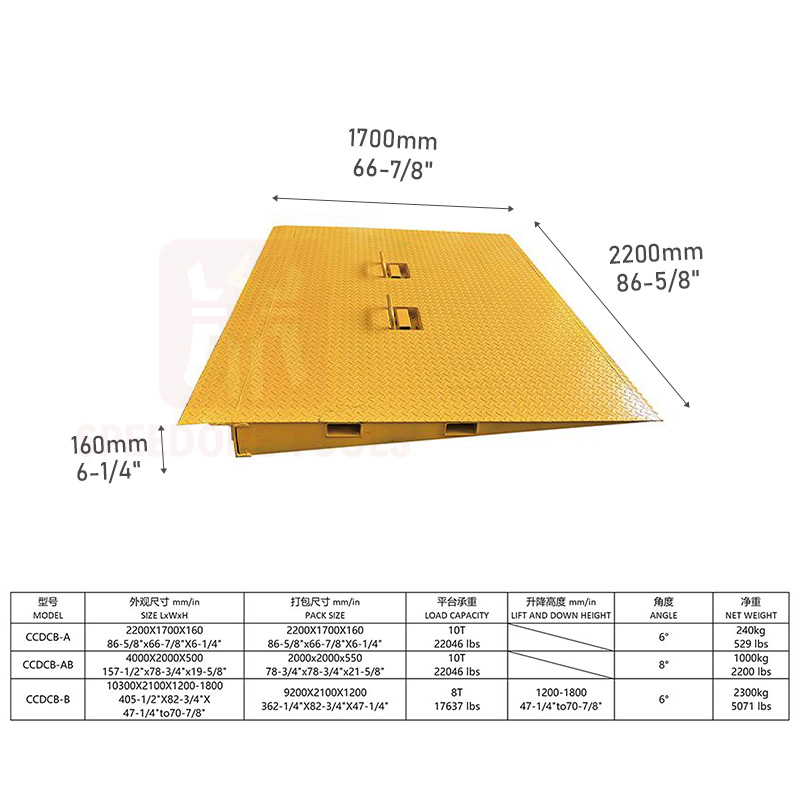 |
| Product size specification | |
| MODEL | SIZE (mm/in) L×W×H | PACK SIZE (mm/in) | LOAD CAPACITY | LIFT AND DOWN HEIGHT (mm/in) | ANGLE | NET WEIGHT |
|---|---|---|---|---|---|---|
| CCDCB-A | 2200X1700X160 86-5/8″×66-7/8″×6-1/4″ |
2200X1700X160 86-5/8″×66-8/8″×6-1/4″ |
10T 22046 lbs |
6° | 240kg 529 lbs |
|
| CCDCB-AB | 4000X2000X500 157-1/2″×78-3/4″×19-5/8″ |
2000X2000X550 78-3/4″×78-3/4″×21-5/8″ |
10T 22046 lbs |
8° | 1000kg 2200 lbs |
|
| CCDCB-B | 10300X2100X1200 405-1/2″×82-3/4″×47-1/4″to70-7/8″ |
9200X2100X1200 362-1/4″×82-3/4″×47-1/4″ |
8T 17637 lbs |
1200-1800 47-1/4″to70-7/8″ |
6° | 2300kg 5071 lbs |
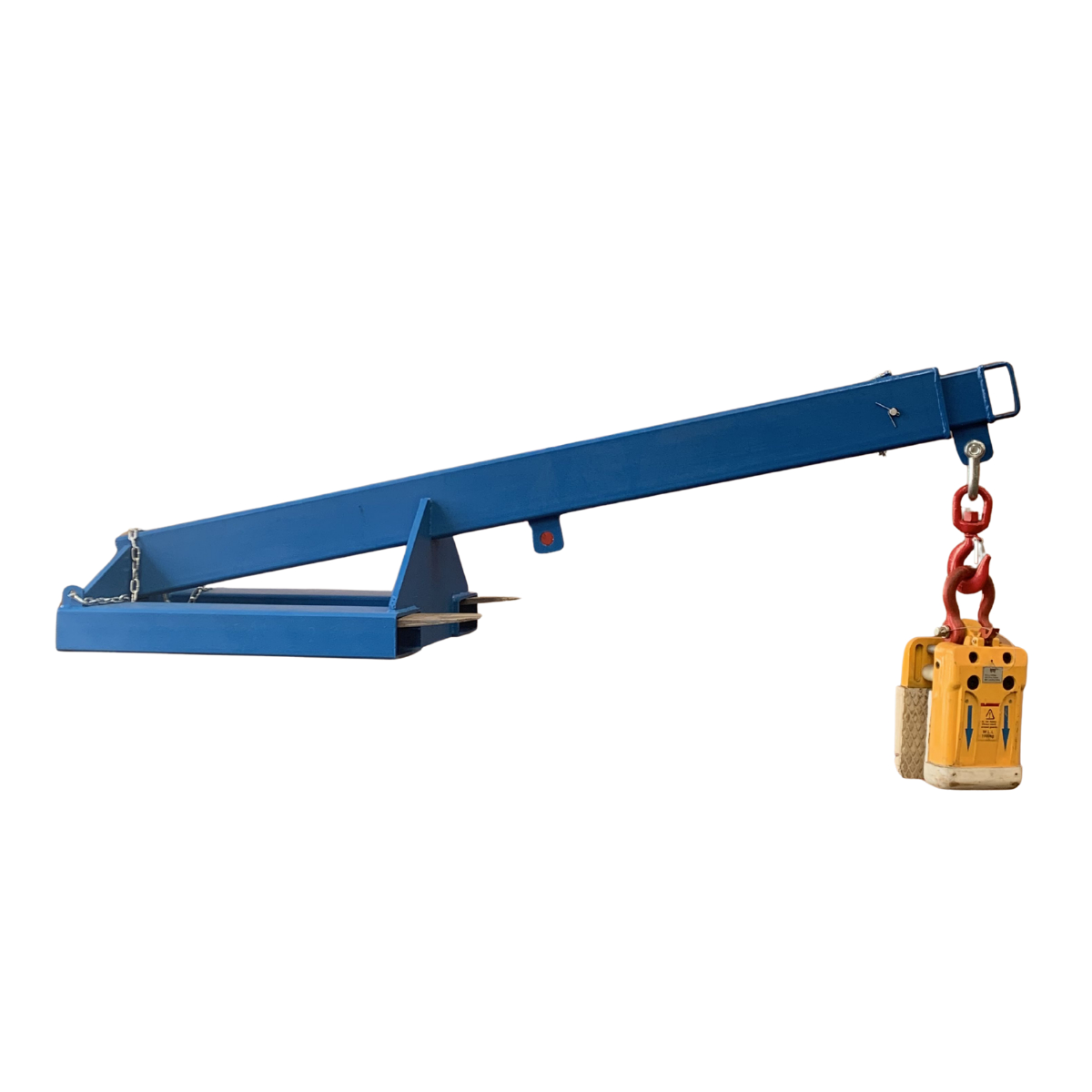
This Electric Jib Crane is designed for industrial users who require efficient lifting, precise positioning, and flexible material handling in compact workspaces.
It is widely used by:
- Manufacturing and production facilities
- Warehouse and logistics centers
- Steel processing workshops
- Construction and assembly operations
- Factories requiring repetitive lifting tasks
If your operation requires electric lifting efficiency, reduced manual handling, and precise load positioning, this electric jib crane is an excellent solution.
The Speedone jib crane combines electric hoisting and rotating functionality to improve productivity and lifting control during industrial operations.
For many overseas buyers, improving lifting efficiency is becoming more important every year. Modern factories and warehouses need faster material handling systems that can reduce labor pressure while improving operational safety.
Traditional manual lifting methods are often slower and more physically demanding for operators. In repetitive lifting environments, this can reduce productivity and increase workplace fatigue.
An electric jib crane helps solve these problems by providing powered lifting and smoother material movement.
This makes daily lifting operations easier, safer, and more efficient.
What Makes an Electric Jib Crane More Efficient
The key advantage of an Electric Jib Crane is its ability to improve lifting speed and reduce operator workload compared with manual lifting systems.
Electric operation allows smoother lifting and more controlled material positioning during daily handling tasks.
- Electric lifting improves operational efficiency
- Reduces manual labor and operator fatigue
- Provides precise load positioning
- Improves lifting safety and stability
- Enhances productivity in repetitive operations
This makes electric jib cranes especially suitable for industrial environments requiring frequent lifting and accurate material positioning.
In many factories, workers handle materials continuously throughout the day. Manual lifting systems can slow down production and create unnecessary physical strain.
An electric jib crane helps operators move materials faster with less effort. This improves workflow consistency and allows workers to focus more on production tasks instead of manual handling.
For businesses looking to improve production efficiency, powered lifting systems can provide important long-term operational advantages.
Engineering Strength: Built for Industrial Lifting Performance
The electric jib crane is manufactured using reinforced structural steel to ensure high load-bearing capability and industrial-grade durability.
Its electric lifting and rotation system provides smooth and controlled operation, reducing sudden load movement and improving handling precision.
Precision welding and reinforced structural components improve resistance to fatigue and deformation under continuous industrial use.
Each jib crane undergoes strict quality inspection and load testing before shipment to ensure compliance with industrial safety standards.
From an engineering perspective, stability and smooth operation are critical for industrial lifting systems.
Sudden load movement can damage materials, reduce positioning accuracy, and increase workplace risks.
The Speedone design focuses on:
- Stable electric lifting performance
- Smooth rotating operation
- Reliable structural durability
- Long-term industrial use
This helps improve both operational safety and equipment lifespan.
For industrial users operating in demanding environments every day, durability and reliability are just as important as lifting capacity.
Electric Jib Crane vs Manual Lifting Systems
| Feature | Electric Jib Crane | Manual Lifting System |
|---|---|---|
| Lifting Efficiency | High | Moderate |
| Operator Fatigue | Lower | Higher |
| Positioning Accuracy | Excellent | Standard |
| Operational Speed | Faster | Slower |
| Continuous Operation | Excellent | Limited |
For industrial environments requiring repetitive lifting operations, electric jib cranes provide clear efficiency and productivity advantages.
Real-World Applications
This electric jib crane is widely used across industrial environments:
- Factory production line lifting
- Warehouse material handling
- Steel plate and component transport
- Machine loading and unloading
- Construction and assembly operations
Its compact structure and flexible rotation capability make it ideal for workstations with limited operating space.
In manufacturing facilities, it improves lifting efficiency for repetitive production tasks.
In warehouses, it helps operators move materials quickly and safely.
In steel workshops, it supports stable handling of heavy components and materials.
In assembly operations, it improves positioning accuracy during installation work.
For factories with limited floor space, a jib crane also helps improve workstation flexibility without requiring large overhead crane systems.
 |
 |
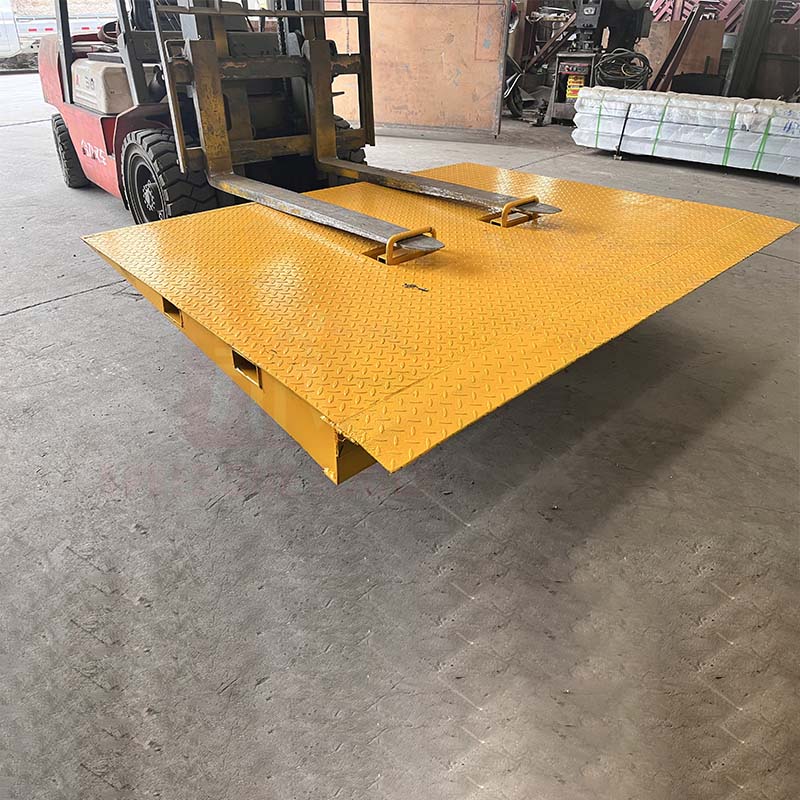
| Product scenario diagram | |
Why Electric Jib Cranes Improve Industrial Productivity
Traditional manual lifting systems may reduce efficiency and increase operator fatigue during repetitive lifting tasks.
An Electric Jib Crane improves productivity through powered lifting and smooth rotational movement.
- Reduces lifting cycle time
- Improves workplace efficiency
- Enhances lifting precision
- Reduces labor intensity
- Improves workflow consistency
This makes electric jib cranes ideal for modern industrial production and material handling operations.
For businesses handling materials every day, even small improvements in lifting speed can create significant long-term productivity gains.
Reducing manual labor also helps improve operator comfort and reduce workplace strain during continuous operations.
Related Industrial Lifting Solutions
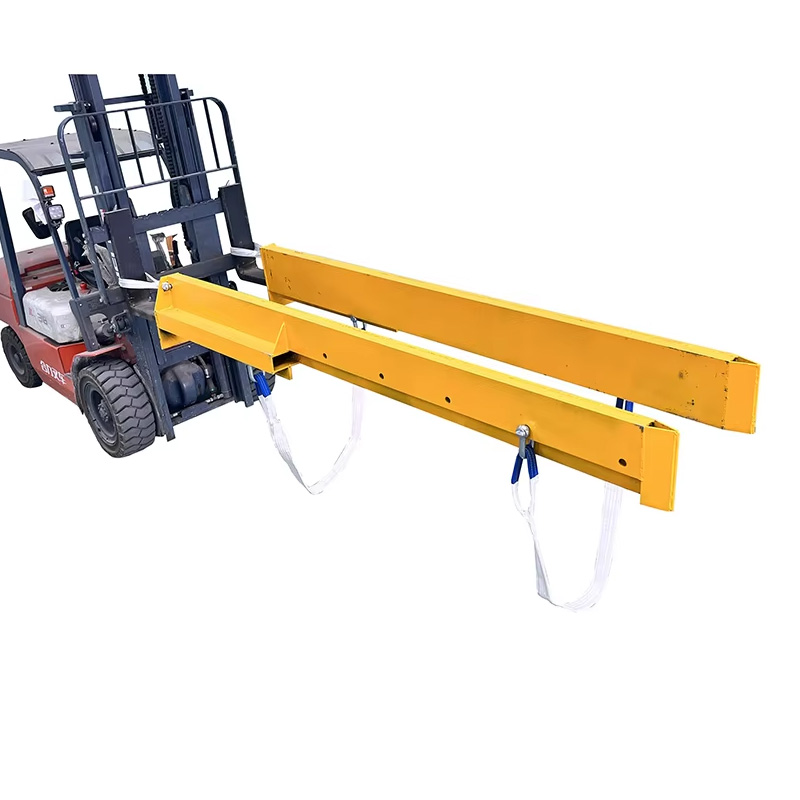
For automatic pallet handling, the
self balancing crane pallet lifter
improves lifting stability and operational safety.
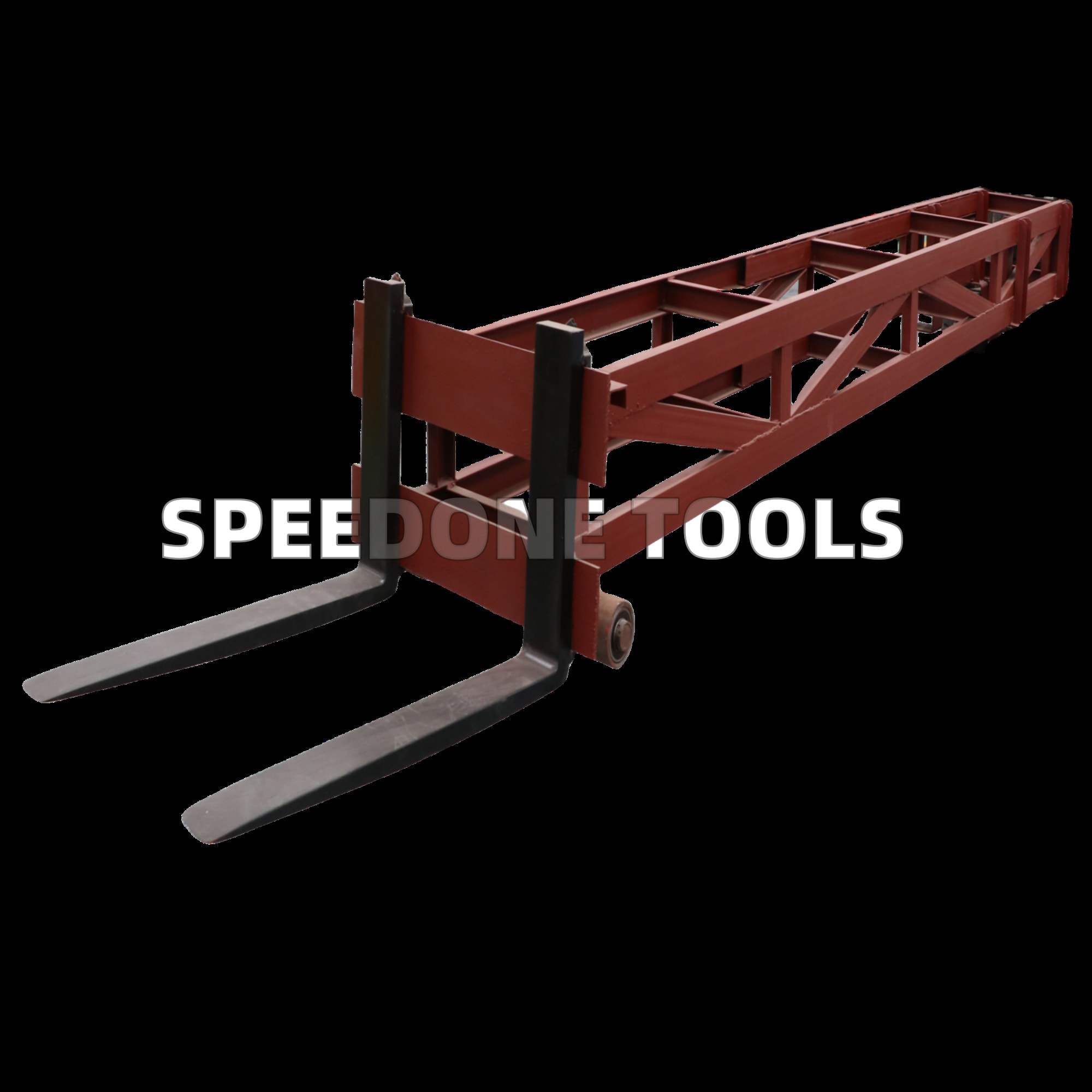
For oversized load transport, the
forklift fork extensions
provide extended handling capability.
For wide slab applications, the
wide forklift lifting beam
ensures balanced load support.
Additional Material Handling Equipment
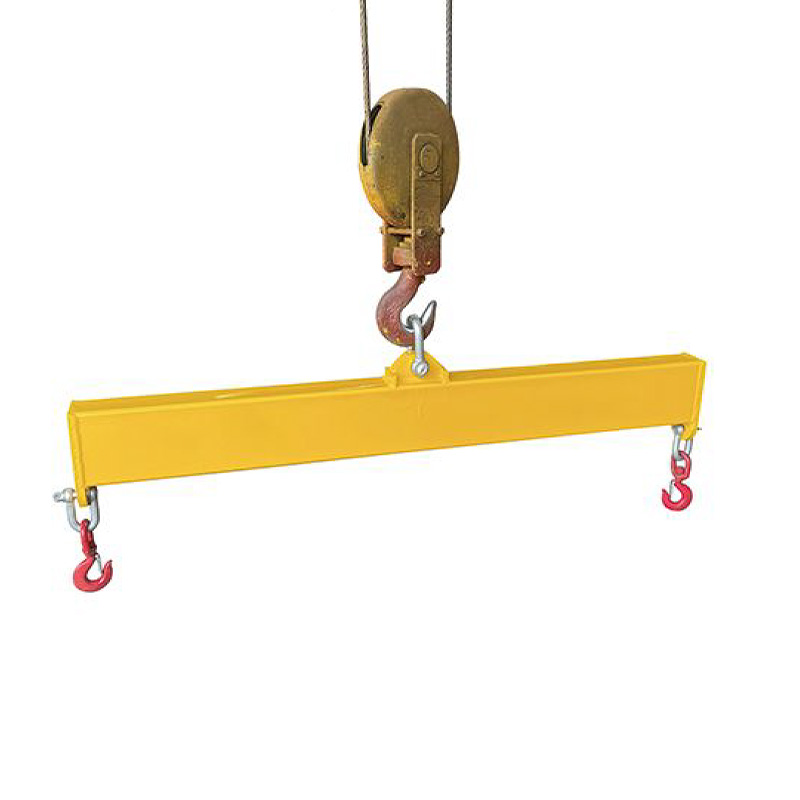
The
balance lifting beam
improves load distribution during industrial lifting.
The
fixed tilting lifting beam
provides precise slab positioning capability.
The
low headroom slab lifting beam
maximizes lifting efficiency in compact workspaces.
Why Compact Lifting Systems Matter in Modern Factories
Many factories and workshops operate in limited spaces where large overhead crane systems are not practical.
An Electric Jib Crane provides a more flexible and space-efficient lifting solution.
- Requires less installation space
- Improves workstation flexibility
- Supports localized lifting operations
- Reduces unnecessary material movement
- Improves handling efficiency in compact areas
This makes jib cranes especially useful for production lines, assembly stations, machine loading areas, and warehouse workstations.
For industrial facilities looking to improve efficiency without major structural changes, electric jib cranes provide a practical and cost-effective lifting solution.
Common Buyer Mistakes
Many buyers focus only on lifting capacity and overlook operational requirements.
Some common mistakes include:
- Choosing manual systems for repetitive lifting tasks
- Ignoring workstation space limitations
- Overlooking rotation and positioning requirements
- Selecting equipment without evaluating workflow efficiency
- Focusing only on price instead of long-term productivity
Professional buyers usually evaluate the complete working environment before selecting lifting equipment.
The right jib crane should improve both operational efficiency and workplace safety.
How to Choose the Right Electric Jib Crane
When selecting an Electric Jib Crane, buyers should consider:
- Maximum lifting capacity
- Arm length and rotation range
- Electric hoist specifications
- Daily operating frequency
- Factory layout and installation space
- Required positioning accuracy
Choosing the correct configuration helps improve productivity, safety, and long-term operational reliability.
For factories handling repetitive lifting operations every day, a properly selected electric jib crane can significantly improve workflow efficiency and reduce manual labor pressure.
References
- ASME B30.11 Monorails and Underhung Cranes – ASME Standard
- ASME B30.20 Below-the-Hook Lifting Devices – ASME Committee
- ISO 4301 Crane Classification Standards – International Organization for Standardization
- EN 15011 Crane Safety Requirements – European Standard
- OSHA Overhead and Gantry Crane Regulations – U.S. Department of Labor
- LOLER 1998 Lifting Operations Regulations – UK Health and Safety Executive
- Industrial Crane Safety Handbook – Material Handling Publications
- Factory Material Handling Systems Guide – Industrial Engineering Resources
Frequently Asked Questions
1. What is an electric jib crane used for?
It is used for efficient lifting and positioning of materials in industrial environments.
2. Why choose an electric jib crane?
It improves lifting efficiency, reduces manual labor, and enhances positioning accuracy.
3. Is it suitable for industrial use?
Yes, it is designed for heavy-duty industrial operations.
4. Can it be customized?
Yes, lifting capacity, arm length, and specifications can be customized.
5. Does it support continuous operation?
Yes, it is designed for repetitive industrial lifting tasks.