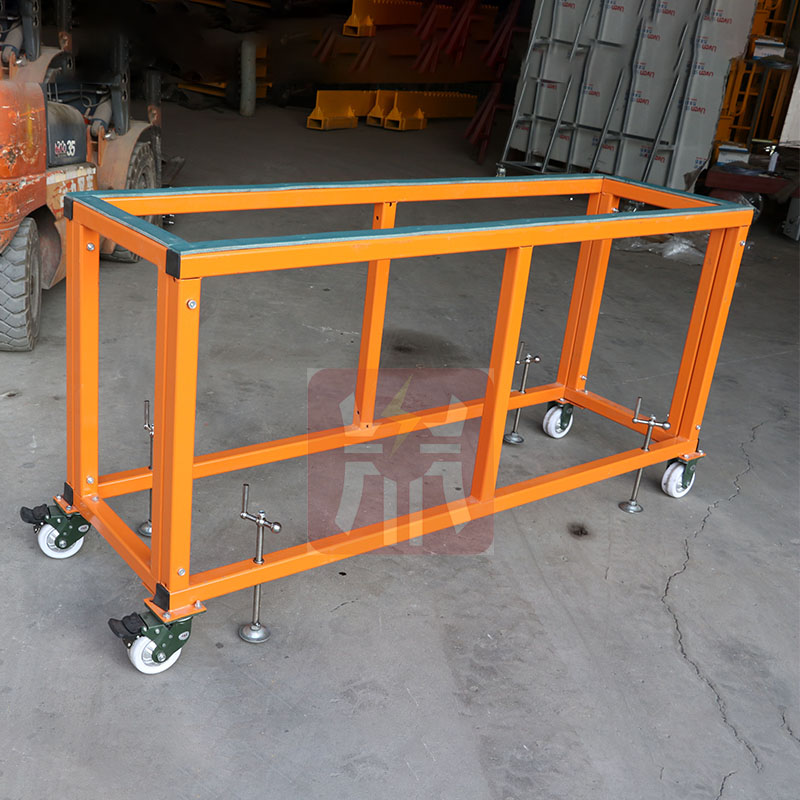


Heavy Duty Stone Seam Setter for Countertops
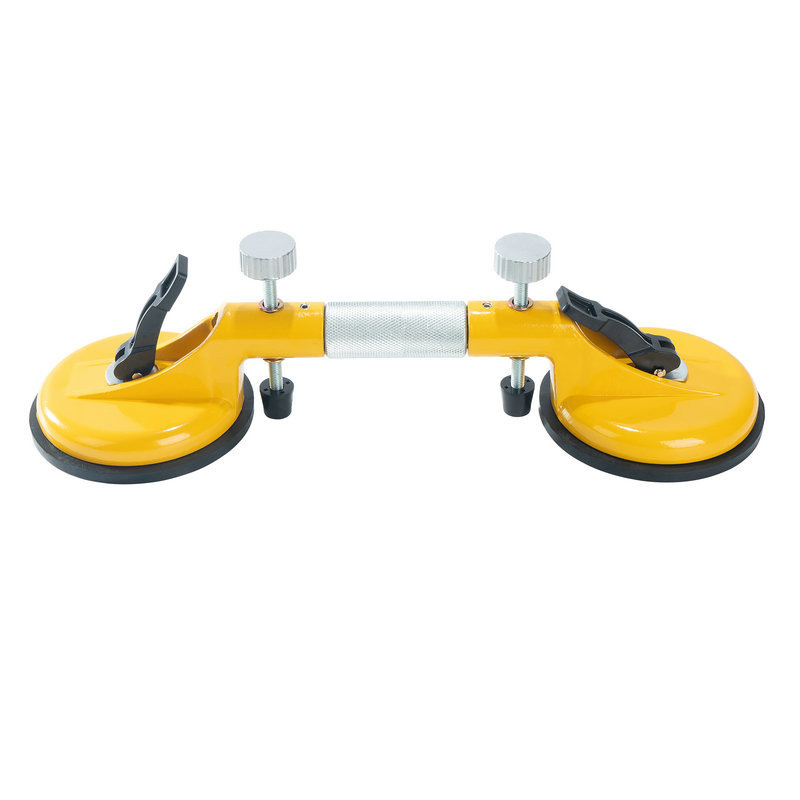
omni seam setter
- Model : RS-007
Product Description
Granite, Quartz & Stone Countertop Installation
What Is an Omni Seam Setter?
|
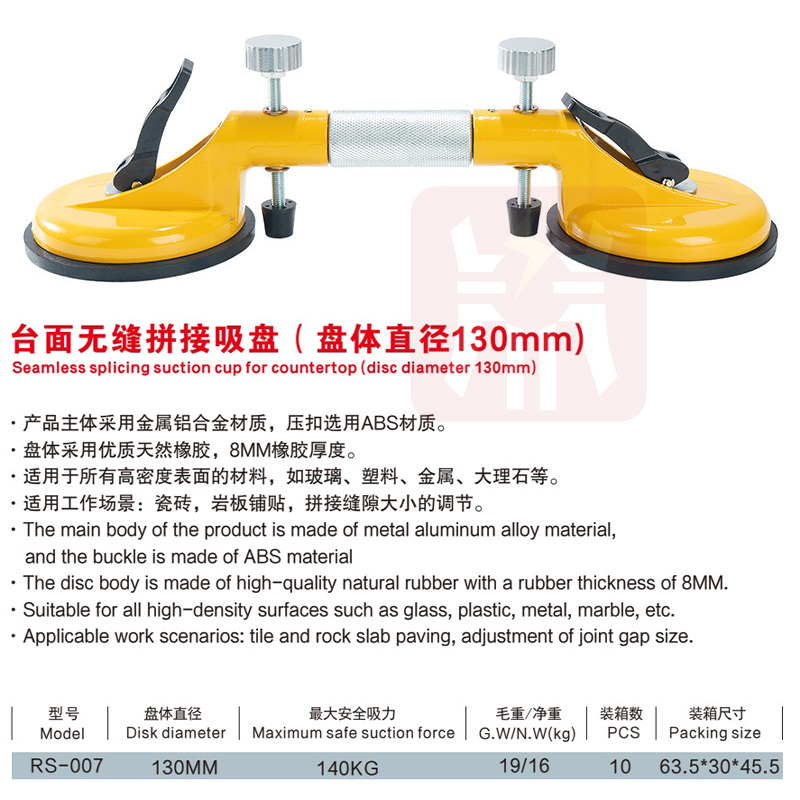 |
| Product parameter information | |
An omni seam setter is a specialized tool used to align two countertop sections before and during seam bonding.
Large countertops are often made from several pieces because of their size, shape, transportation requirements, or installation conditions. When two pieces are joined, their edges need to meet accurately and their surfaces should remain level.
An omni seam setter gives fabricators better control during this adjustment. Instead of relying only on manual pushing and pulling, the tool helps move the stone sections into the desired position.
Common applications include:
- Granite countertop seams
- Quartz countertop seams
- Marble vanity tops
- Kitchen islands
- Large-format stone countertops
- Commercial countertops
- Professional stone fabrication workshops
Why Use an Omni Seam Setter?
Joining two stone countertop sections can be difficult because granite, quartz, and marble are heavy and rigid. A seam may also require both horizontal and vertical adjustment.
A suitable seam setter makes this part of the fabrication process easier to control.
Better Seam Positioning
An omni seam setter helps fabricators move adjacent stone sections into the correct position before the adhesive is applied.
Improved Height Alignment
The two countertop pieces may not sit at exactly the same height after dry fitting. A suitable seam-setting tool can help correct these differences and create a smoother transition.
Less Manual Effort
Large stone sections can be difficult to adjust by hand. A dedicated seam setter reduces unnecessary manual force during the alignment process.
More Consistent Results
Using a dedicated tool makes the seam-setting process easier to repeat across different countertop projects.
More Efficient Workflow
A seam setter can become part of a complete fabrication process that includes cutting, polishing, dry fitting, alignment, bonding, and final finishing.
 |
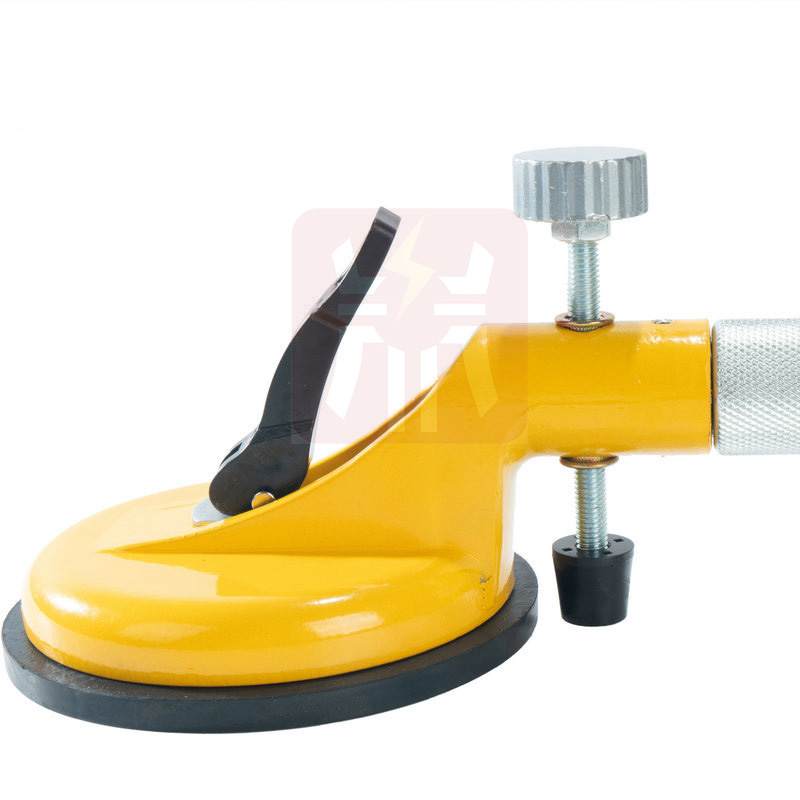 |
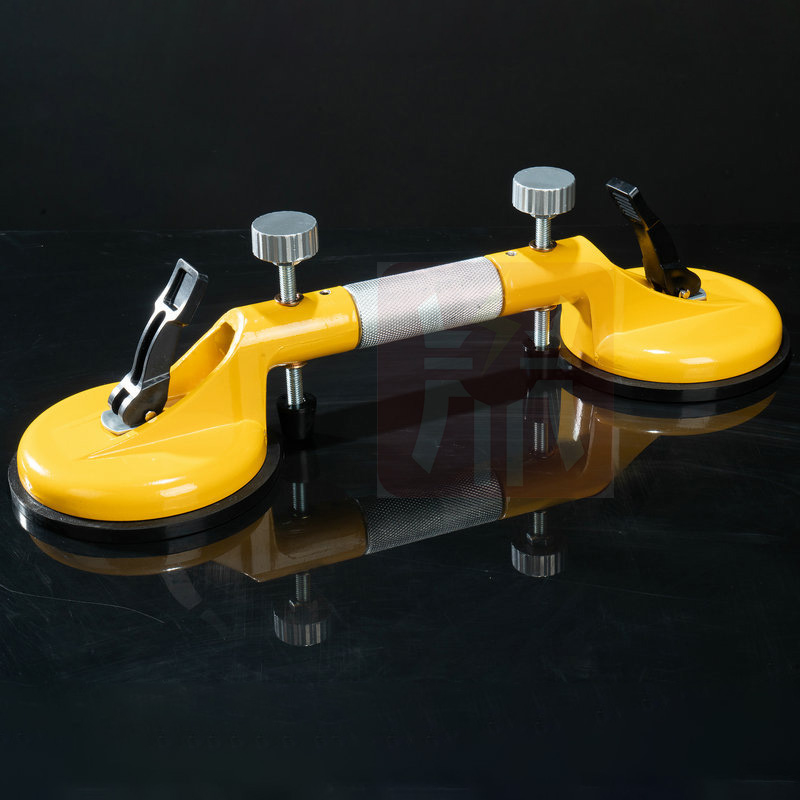
| Product display | |
How Does an Omni Seam Setter Work?
The exact design depends on the product, but most seam-setting tools use gripping points and an adjustment mechanism to control the position of two stone sections.
A typical installation process includes:
- Position the two countertop sections.
- Clean and inspect the seam edges.
- Dry fit the stone pieces.
- Attach the seam-setting tool to suitable areas.
- Check that the gripping points are secure.
- Adjust the horizontal position.
- Correct height differences when required.
- Apply the appropriate seam adhesive.
- Keep the pieces in position while the adhesive cures.
- Remove the tool after the seam has become stable.
Always follow the manufacturer’s instructions and stay within the rated working capacity of the equipment.
Omni Seam Setter for Granite Countertops
Granite is heavy and rigid, making accurate seam adjustment difficult when large countertop sections are joined.
An omni seam setter can help fabricators control the position of granite pieces after dry fitting and before the seam is fully bonded.
A practical granite fabrication workflow can be divided into three stages:
Material Handling → Seam Positioning → Seam Finishing
This approach allows fabricators to use the right equipment for each task instead of relying on one tool for lifting, moving, and seam adjustment.
Omni Seam Setter for Quartz Countertops
Quartz countertops are also commonly fabricated from multiple sections, especially for long countertop runs and large kitchen islands.
Before applying adhesive, fabricators should check:
- Seam edge condition
- Horizontal alignment
- Surface height
- Countertop support
- Gripping position
- Adhesive requirements
A suitable seam setter can then help maintain the desired position while the seam is prepared and bonded.
Vacuum Suction and Omni Seam Setting
Vacuum suction is widely used in stone fabrication because smooth stone surfaces can provide a suitable contact area for gripping equipment.
For compatible applications, Speedone offers the Professional Electric Tile Suction Cup with Automatic Vacuum Control. It is designed for handling suitable glass, porcelain, tile, and stone materials.
Electric vacuum control can be useful when large panels or stone sections need to be moved or positioned before the seam-setting stage.
However, a suction cup and an omni seam setter are not the same tool. Each should be selected according to its intended function, surface compatibility, and working capacity.
Electric Suction Cup for Stone Handling
Before precise seam adjustment begins, large stone pieces may need to be lifted and repositioned.
Speedone’s Professional Electric Suction Cup for Glass, Stone and Porcelain Slab Handling provides a complementary solution for suitable stone and panel-handling applications.
A practical fabrication workflow can therefore look like this:
Lift → Move → Position → Dry Fit → Seam Set → Bond → Finish
Separating heavy material handling from precision seam adjustment can make the overall workflow easier to manage.
Fixed Suction Cups for Seam-Setting Applications
Some countertop fabrication systems use fixed suction points to create a stable connection with the stone surface.
For compatible applications, Speedone’s Heavy Duty Fixed Suction Cup for Glass and Stone provides a reliable gripping option for suitable smooth surfaces.
Before using vacuum equipment, fabricators should check:
- Surface cleanliness
- Surface smoothness
- Vacuum seal condition
- Rated working capacity
- Direction of applied force
- Material compatibility
Dust, moisture, rough textures, and uneven surfaces can affect vacuum performance. The gripping area should therefore be clean and suitable for the selected equipment.
Omni Seam Setter Accessories
Depending on the design, an omni seam-setting system may work with additional components and accessories.
Common components include:
- Vacuum suction cups
- Connecting bars
- Clamping components
- Adjustment mechanisms
- Mounting hardware
- Replacement vacuum seals
For compatible suction systems, Speedone’s Aluminum Bar for Grabo Suction Cup can be used as an accessory option.
Before combining different components, always check the dimensions, connection type, working capacity, and intended application.
Heavy-Duty Suction Lifter Before Seam Setting
An omni seam setter is mainly designed for precision positioning. It should not replace equipment intended for lifting and moving heavy stone slabs.
When large stone sections need to be moved before seam preparation, Speedone’s Heavy Duty Suction Lifter for Glass, Stone and Porcelain Slabs can be used for suitable material-handling applications.
Using dedicated lifting equipment before seam setting can reduce unnecessary manual movement and make the fabrication process more organized.
Omni Seam Setter Applications
Granite Kitchen Countertops
Large granite countertops may contain several sections. An omni seam setter can help bring the sections into the correct position before bonding.
Quartz Kitchen Islands
Large quartz islands often require accurate seam alignment. A suitable seam setter can help maintain the desired position during bonding.
Marble Vanity Tops
When marble vanity tops are made from multiple sections, controlled seam alignment can help achieve a cleaner and more consistent result.
Commercial Countertops
Commercial projects may include long countertop runs and multiple seams. A repeatable seam-setting process can help fabrication teams work more efficiently.
Large-Format Stone Projects
Large stone sections are difficult to adjust manually. Suitable suction and seam-setting equipment can provide better control during positioning.
How to Choose an Omni Seam Setter
1. Check Material Compatibility
Make sure the tool is suitable for the stone materials used in your workshop, such as granite, quartz, or marble.
2. Consider Surface Condition
If the tool uses vacuum gripping, the contact surface should be clean, smooth, and suitable for reliable suction.
3. Check Countertop Thickness
The tool should match the thickness and configuration of the countertop sections being joined.
4. Evaluate the Adjustment Range
A suitable adjustment range allows the fabricator to handle different seam positions and countertop layouts.
5. Check the Working Capacity
Compare the tool’s rated capacity with the intended application. Never exceed the manufacturer’s specifications.
6. Consider the Gripping Method
Determine whether the equipment uses vacuum suction, mechanical clamping, or a combination of methods.
7. Look for Fine Adjustment
Fine adjustment is useful when the finished countertop seam needs a smooth and consistent appearance.
8. Consider Workshop Efficiency
For fabrication shops handling multiple countertops each day, quick setup and simple operation can help improve workflow efficiency.
Common Omni Seam Setting Mistakes
Attaching to an Unsuitable Surface
Vacuum equipment should only be used on surfaces suitable for the specific product. Dust, moisture, and rough textures can reduce suction performance.
Skipping the Dry Fit
Dry fitting allows fabricators to find alignment problems before applying adhesive.
Applying Too Much Force
Sudden or excessive force can place unnecessary stress on the stone and the equipment. Gradual adjustment is generally easier to control.
Ignoring Countertop Support
Large stone sections should remain properly supported throughout handling and seam preparation.
Moving the Stone During Curing
Once the desired alignment has been achieved, unnecessary movement can affect the final seam.
Omni Seam Setter vs. Manual Seam Alignment
| Factor | Manual Alignment | Omni Seam Setter |
|---|---|---|
| Positioning control | Mostly operator dependent | More controlled |
| Large countertop sections | More difficult | More suitable |
| Adjustment precision | Limited | Controlled adjustment |
| Manual effort | Higher | Lower for suitable applications |
| Repeatability | Variable | More consistent |
Why Choose Speedone?
Speedone develops professional material-handling solutions for stone, glass, porcelain, tile, and countertop fabrication applications.
The product range includes electric suction cups, fixed suction cups, heavy-duty suction lifters, and related accessories for professional material handling.
- Professional stone-handling solutions
- Heavy-duty suction equipment
- Solutions for granite, marble, quartz, porcelain, and glass
- Electric vacuum technology
- Multiple gripping configurations
- OEM and ODM support
- Application-focused product development
For stone fabrication shops, using suitable lifting equipment together with precision seam-setting tools can create a more organized workflow from slab positioning to final countertop bonding.
Frequently Asked Questions
What is an omni seam setter?
An omni seam setter is a specialized countertop fabrication tool designed to help position, align, and level two stone sections during seam installation and bonding.
Can an omni seam setter be used for granite?
Yes. A suitable omni seam setter can be used for granite countertop fabrication when its gripping system, working capacity, and adjustment range match the application.
Can an omni seam setter be used for quartz?
Yes. Suitable seam-setting equipment can be used for quartz countertops when the tool is compatible with the surface and working conditions.
Does an omni seam setter use suction cups?
Many countertop seam-setting systems use suction cups or similar gripping mechanisms. The exact configuration depends on the product design.
What is the difference between an omni seam setter and a seam puller?
A seam setter generally focuses on alignment and leveling, while a seam puller mainly brings two countertop sections together. Some tools can perform both functions.
What should I check before using a vacuum seam-setting tool?
Check the surface condition, vacuum seal, material compatibility, working capacity, attachment position, and manufacturer’s operating instructions before use.
Related Products
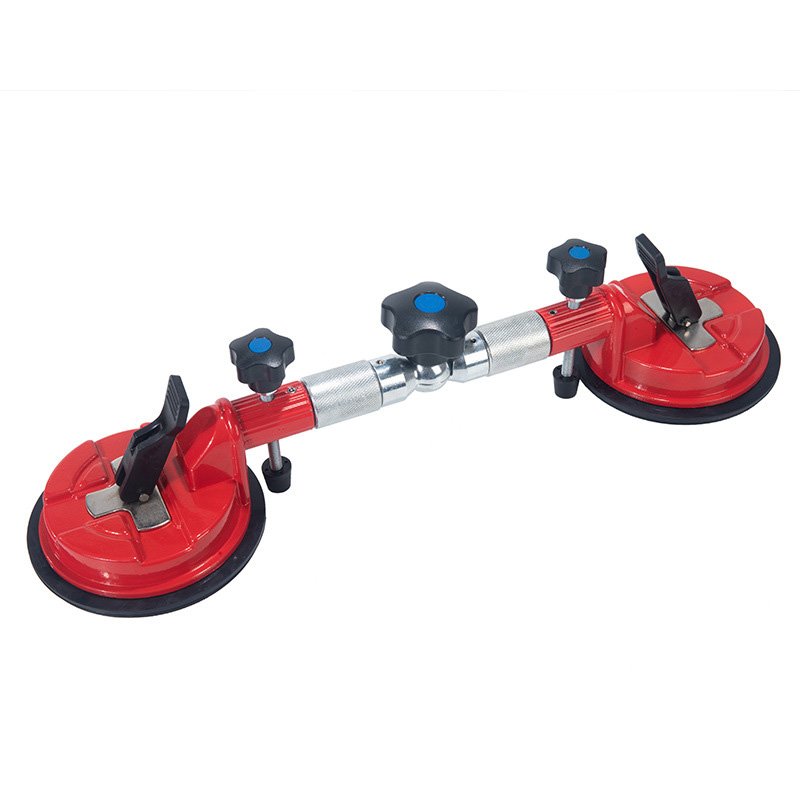
Heavy Duty Seam Setter for Stone Countertops

Metal & Tile Display Rack – Large Fl...


Speedone steel Marble Slab Frame for glass