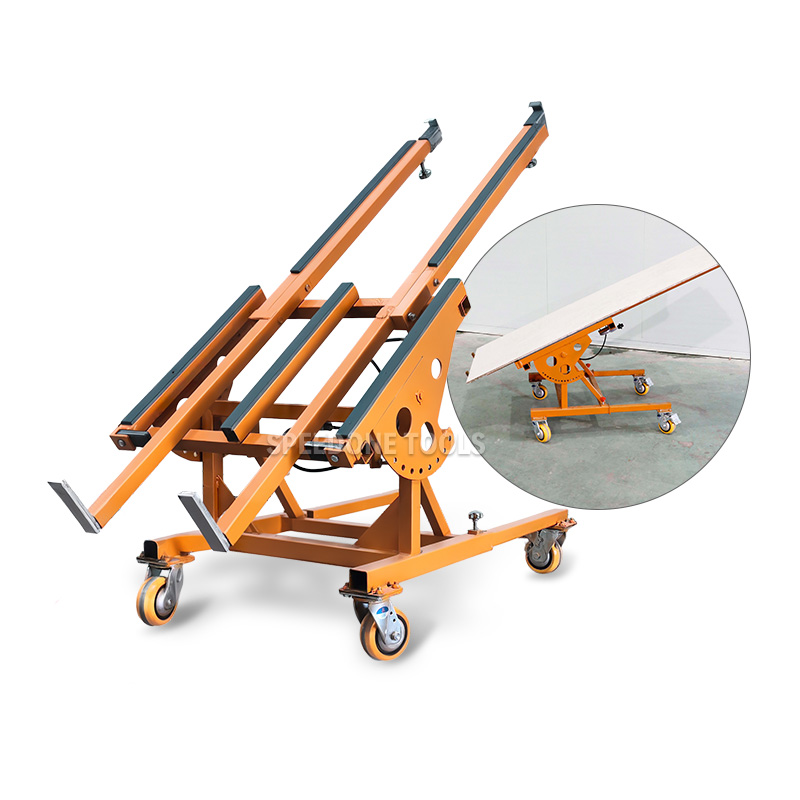


Heavy Duty Seam Setter for Stone Countertops
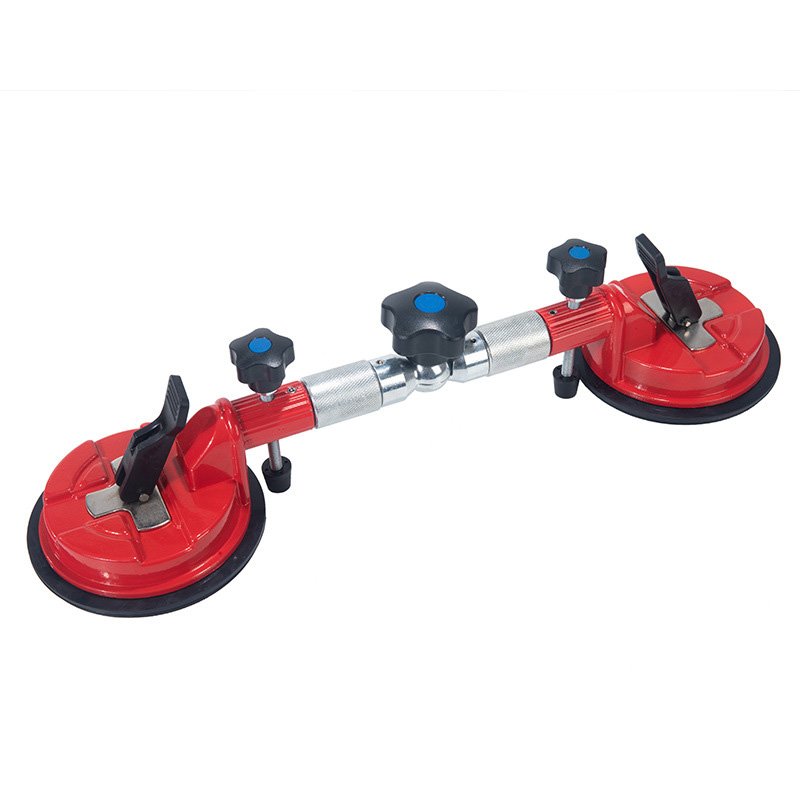
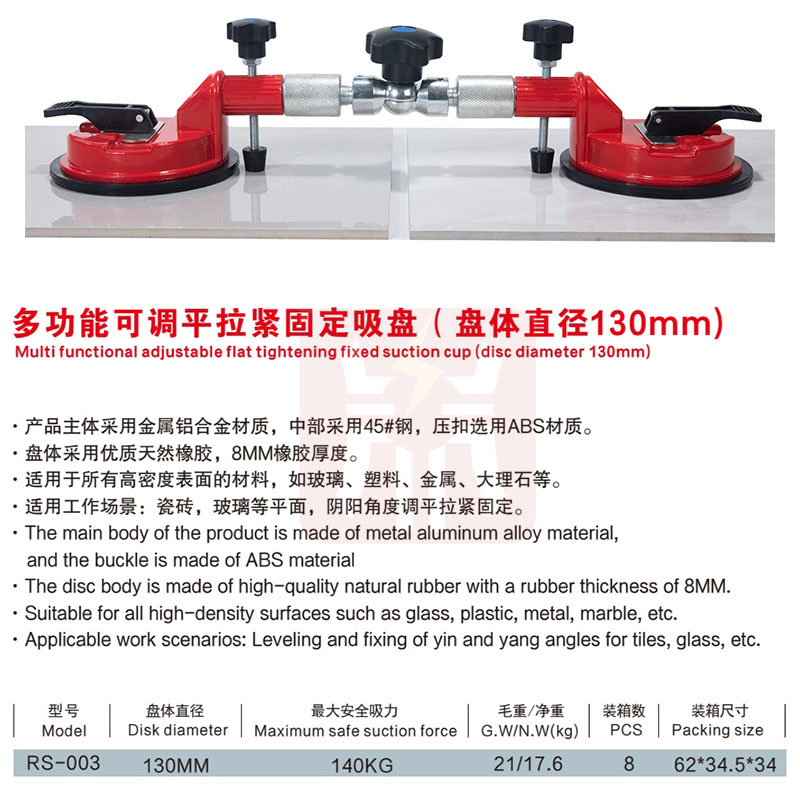
Seam Setter
- Model : RS-003
Product Description
Professional Seam Setter for Granite, Marble & Quartz Countertops
What Is a Seam Setter?
|
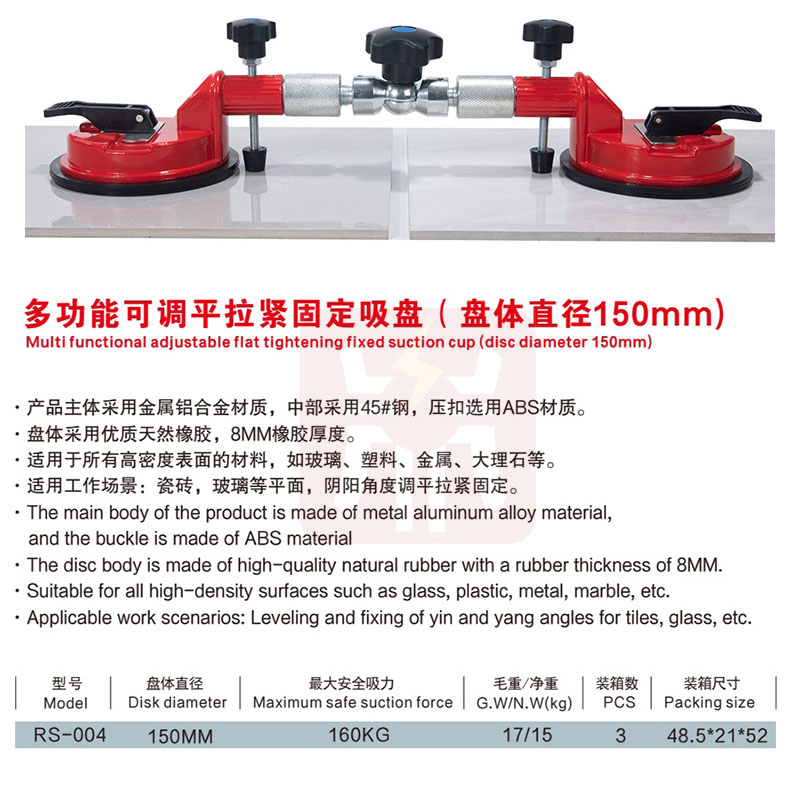 |
| Product parameter information | |
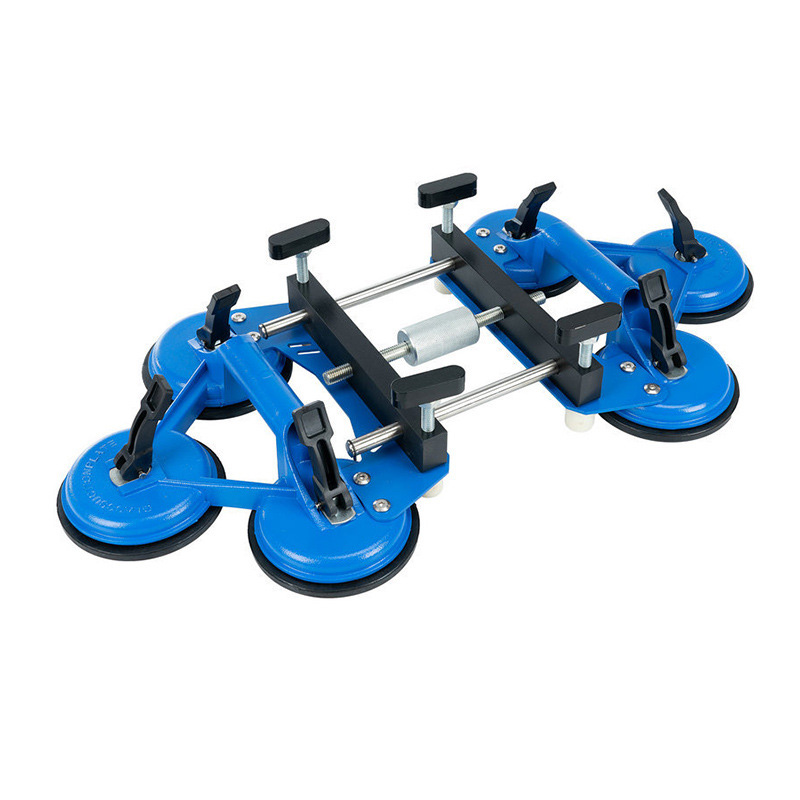
A seam setter is a specialized tool used to align two pieces of countertop material before and during the bonding process.
When two stone pieces are joined, even a small difference in height or position can make the finished seam more noticeable. A seam setter gives fabricators better control over the two pieces, helping them bring the edges together and maintain the correct position while the adhesive cures.
Seam setters are commonly used for:
- Granite countertops
- Marble countertops
- Quartz countertops
- Porcelain countertops
- Sintered stone
- Engineered stone
- Solid-surface panels
- Large-format stone pieces
The purpose is straightforward: align the two surfaces, correct small height differences, and keep the joint stable during bonding.
Why Is a Seam Setter Important for Stone Fabrication?
A countertop seam is not simply a matter of pushing two slabs together. The pieces need to line up horizontally and vertically, while the finished surfaces should remain as level as possible.
A professional seam setter helps control several important factors:
- Horizontal alignment
- Vertical height
- Seam position
- Surface leveling
- Slab movement
- Position during adhesive curing
Without a dedicated tool, installers may need to make repeated manual adjustments while the adhesive is setting. This can take more time and may make it harder to achieve consistent results from one project to another.
Better Seam Alignment
A seam setter allows controlled adjustments instead of relying only on hand pressure. This makes it easier to bring the edges of two countertop pieces into the correct position.
More Consistent Surface Leveling
If one piece sits slightly higher than the other, the adjustment mechanism can help bring both surfaces into a more consistent plane before the adhesive sets.
Less Manual Adjustment
Once the countertop pieces are correctly positioned, the seam setter helps keep them in place while the bonding material cures.
More Efficient Fabrication
For professional countertop shops handling multiple projects, a repeatable seam-setting process can reduce unnecessary adjustments and improve overall workflow.
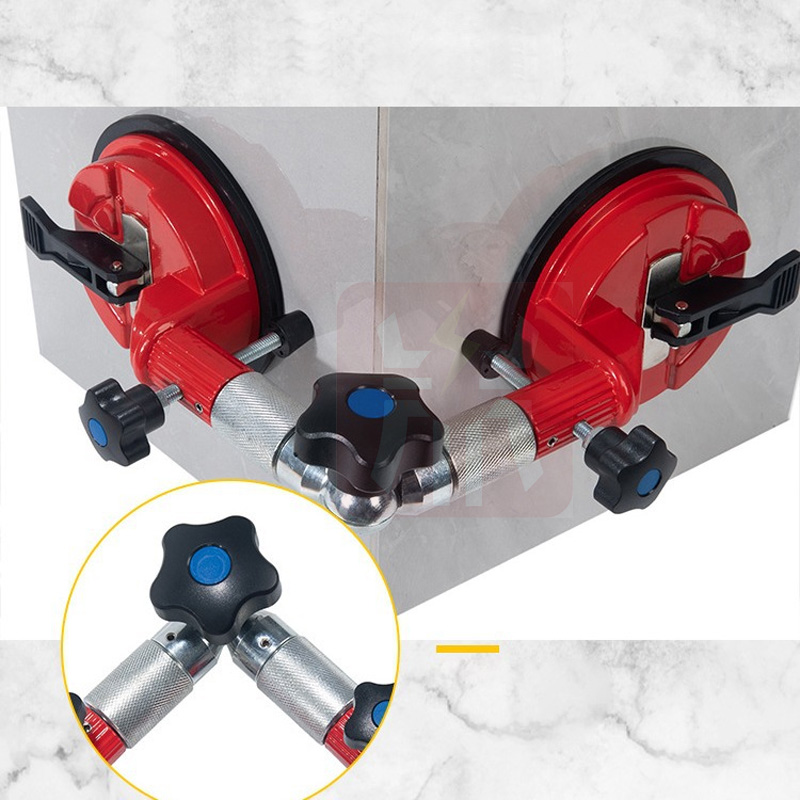 |
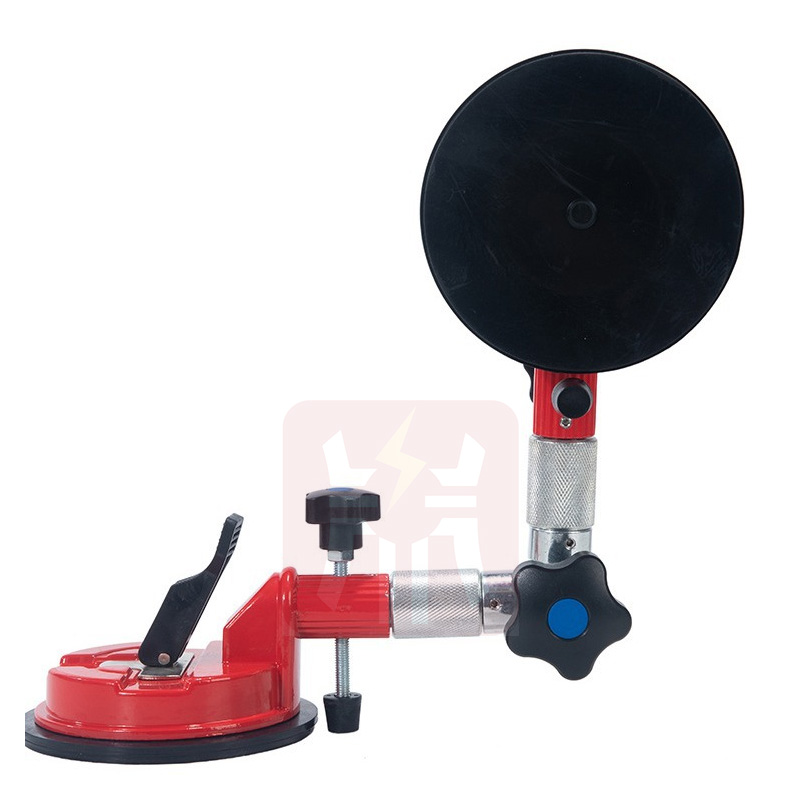 |
| Product details presentation | |
How Does a Stone Seam Setter Work?
The exact design varies between products. Depending on the model, a seam setting tool may use vacuum cups, mechanical clamps, threaded adjustment mechanisms, or a combination of these systems.
A typical countertop seam-setting process includes the following steps:
- Position the two stone pieces close to the final seam location.
- Clean the seam area and remove dust or debris.
- Place the seam setter across the joint.
- Secure the tool to the countertop surface.
- Adjust the two pieces until the edges are correctly aligned.
- Apply the appropriate stone adhesive.
- Maintain the alignment while the adhesive cures.
- Remove the seam setter after the joint becomes stable.
- Complete the required seam finishing and polishing.
Always select equipment according to the actual countertop material, slab size, working conditions, and rated capacity. Follow the manufacturer’s operating instructions during use.
Seam Setter for Granite Countertops
Granite is heavy and rigid, so accurate positioning is especially important when joining two pieces. A suitable granite seam setter can help fabricators make small alignment adjustments without repeatedly moving the entire slab by hand.
Before using a seam-setting tool on granite, consider:
- Granite surface condition
- Slab thickness
- Slab weight
- Seam location
- Gripping method
- Required adjustment range
For larger granite pieces, a seam setter can be used together with suitable slab-handling equipment. The lifting equipment handles the initial positioning, while the seam setter helps with the final alignment.
Seam Setter for Marble and Quartz
Marble and quartz countertops also require accurate seam alignment. Marble may have polished or honed surfaces, while engineered quartz is available in different finishes.
Because surface conditions can vary, the gripping method should always be suitable for the material being handled. A professional countertop seam setter can then be used to make controlled adjustments and hold the pieces in position during bonding.
For fabrication shops that work with several types of stone, choosing equipment with a suitable adjustment range and compatible gripping system can make daily work easier.
Vacuum Technology in Seam Setting
Vacuum gripping is widely used in professional stone-handling equipment because smooth stone surfaces can provide a good sealing surface. However, vacuum performance depends on actual surface conditions.
Dust, moisture, textured surfaces, and other contaminants can reduce the effectiveness of a vacuum seal. The contact area should therefore be clean and suitable for the selected suction equipment.
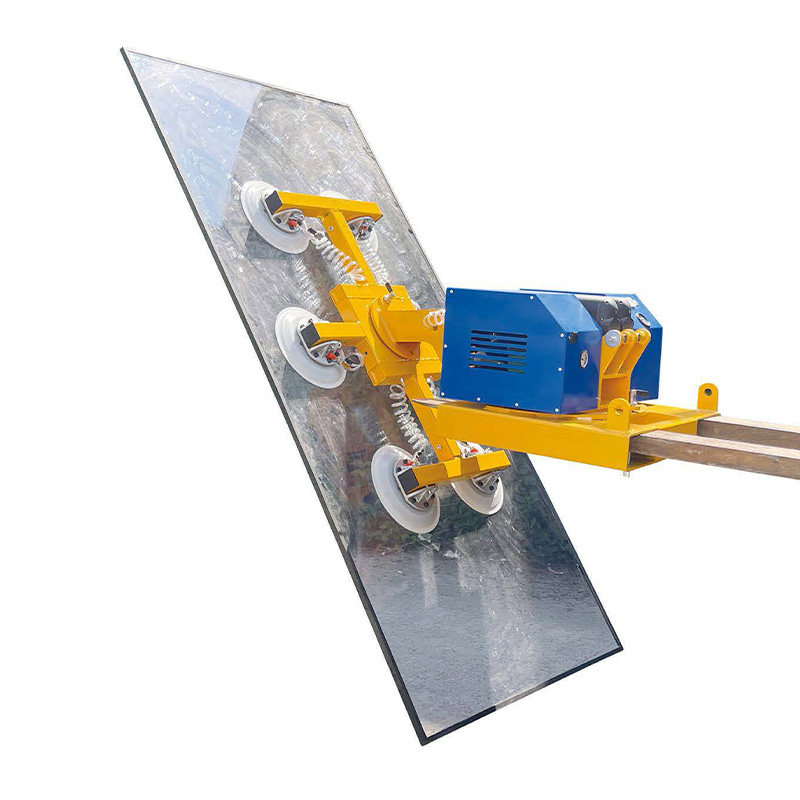
For larger porcelain and glass handling tasks, Speedone offers the Professional Electric Tile Suction Cup with Automatic Vacuum Control. This type of electric vacuum equipment can help move large panels before detailed seam alignment begins.
Electric Suction Equipment for Stone Handling
A seam setter is mainly used for alignment, but countertop fabrication often requires additional equipment for lifting and positioning heavy slabs.
For workshops working with granite, marble, quartz, porcelain, and glass, the Professional Electric Suction Cup for Glass, Stone and Porcelain Slab Handling can provide additional support during material handling.
This type of equipment is particularly useful when countertop pieces are too large or heavy to move comfortably by one person. Proper handling equipment can reduce unnecessary manual movement before the final seam-setting stage.
Seam Setter vs. Suction Lifter
Although both tools may use vacuum technology, they are designed for different jobs.
A suction lifter is mainly used to lift, move, and position a slab or panel. A seam setter is mainly used to align and hold two adjacent pieces during seam preparation and bonding.
| Feature | Seam Setter | Suction Lifter |
|---|---|---|
| Main purpose | Seam alignment and leveling | Material lifting and positioning |
| Typical application | Countertop seam preparation | Slab and panel handling |
| Alignment control | High | Moderate |
| Lifting capability | Application dependent | Primary function |
| Granite fabrication | Excellent | Excellent |
| Quartz fabrication | Excellent | Excellent |
| Seam bonding | Designed for this task | Not the primary purpose |
In a professional fabrication shop, both types of equipment can work together. A lifter can help position the material, while a seam setter can handle the final joint alignment.
Fixed Suction Cups for Stone Fabrication
Some stone-handling and seam-setting configurations use fixed vacuum cups or similar gripping components to maintain contact with smooth countertop surfaces.
For applications that require a stable vacuum gripping point, Speedone’s Heavy Duty Fixed Suction Cup for Glass and Stone can be considered when the material surface and application are suitable.
The correct suction equipment should always be selected according to the material, surface condition, load, and direction of force.
Seam Setter Accessories
A professional stone-handling setup may include vacuum cups, support bars, clamps, adjustment mechanisms, pumps, and other compatible accessories.
For compatible suction cup configurations, the Aluminum Bar for Grabo Suction Cup can be used as an additional accessory.
Before combining accessories, check the following:
- Connection compatibility
- Overall dimensions
- Material strength
- Load capacity
- Adjustment range
- Compatibility with the suction cup
Using compatible components is important for safe and predictable operation.
Heavy-Duty Seam Setting for Large Stone Pieces
Large countertop pieces often require more support than a basic manual clamp can provide.
For heavy granite, marble, quartz, and porcelain slabs, the first step is usually to position the material correctly. Once the slabs are in place, the seam setter can be used for the final alignment and leveling work.
Speedone’s Heavy Duty Suction Lifter for Glass, Stone and Porcelain Slabs can support the material-handling stage for large panels.
This combination creates a more practical workflow: lift and position first, then align and set the seam.
How to Choose the Right Seam Setter
Not every seam setter is suitable for every countertop project. Before choosing a tool, consider the material, slab size, gripping method, and the type of adjustment you need.
1. Material Type
Make sure the tool is suitable for the materials you commonly fabricate. Granite, marble, quartz, and porcelain can have different surface characteristics.
2. Slab Thickness
Check the working range of the tool and make sure it is suitable for the countertop thicknesses used in your shop.
3. Adjustment Range
A good seam setter should provide enough adjustment to correct small differences in height and horizontal position between the two pieces.
4. Gripping Method
Consider whether the tool uses vacuum cups, mechanical clamps, or a combination of both. The gripping method should match the countertop surface.
5. Working Capacity
Choose equipment appropriate for the size and weight of the countertop pieces. Larger slabs may require additional lifting and support equipment.
6. Surface Compatibility
For vacuum-based systems, clean and relatively smooth surfaces generally provide better sealing conditions.
7. Fabrication Workflow
The best tool is one that fits naturally into your existing cutting, polishing, dry-fitting, adhesive, and finishing process.
Step-by-Step Countertop Seam Setting
Step 1: Prepare the Slabs
Make sure both countertop pieces have been accurately cut and finished before starting the seam-setting process.
Step 2: Clean the Seam Area
Remove dust, debris, moisture, and other contaminants from the joint and the areas where the tool will grip.
Step 3: Dry Fit the Pieces
Bring the two pieces together without adhesive and check the seam position, edge alignment, and surface height.
Step 4: Install the Seam Setter
Place the seam setter in a suitable position across both countertop pieces and secure it according to the tool design.
Step 5: Align the Surfaces
Use the adjustment mechanism to correct horizontal position and height differences between the two pieces.
Step 6: Apply Adhesive
Apply the appropriate stone adhesive according to the material and project requirements.
Step 7: Maintain Alignment
Keep both pieces properly aligned while the adhesive cures. Avoid unnecessary movement during this stage.
Step 8: Remove and Finish
After the joint becomes stable, remove the seam setter and complete the required seam finishing and polishing.
Common Mistakes When Setting Stone Seams
Using Insufficient Support
Large slabs can move during adjustment if they are not properly supported before the seam-setting process begins.
Ignoring Surface Contamination
Dust, moisture, and debris can affect both vacuum gripping and the cleanliness of the seam.
Applying Excessive Force
Too much force may create unwanted movement or place unnecessary stress on the stone. Adjust the tool gradually and according to its operating instructions.
Choosing the Wrong Tool Size
A seam setter that does not match the countertop thickness or working area may not provide enough adjustment or secure gripping.
Relying Only on Manual Pressure
Manual pressure can be inconsistent. A dedicated seam-setting tool gives fabricators more controlled adjustment during the bonding process.
Why Choose Speedone?
Speedone focuses on professional equipment for glass, stone, porcelain, tile, and countertop handling.
Its product range covers different stages of material handling, from vacuum lifting and slab positioning to specialized gripping and support accessories.
- Professional stone-handling equipment
- Vacuum lifting solutions
- Heavy-duty gripping products
- Equipment for granite, marble, quartz, and porcelain
- Multiple suction configurations
- OEM and ODM support
- Application-focused product development
This makes Speedone a practical equipment partner for stone fabricators, countertop installers, distributors, and construction professionals.
Frequently Asked Questions
What is a seam setter used for?
A seam setter is used to align and level two pieces of countertop material before and during the bonding process.
Can a seam setter be used on granite?
Yes. A suitable seam setter can be used for granite countertop fabrication when its capacity, gripping method, and working range match the slab.
Can I use a seam setter for quartz?
Yes. A suitable seam setter can help align quartz countertop pieces and keep them in position while the adhesive cures.
What is the difference between a seam setter and a suction lifter?
A seam setter is mainly designed to align and hold two adjacent pieces, while a suction lifter is primarily designed to lift and move individual slabs or panels.
Does a seam setter use vacuum suction?
Some seam setters use vacuum cups to grip the countertop surface, while others use mechanical clamps. The exact configuration depends on the tool design.
What should I consider when buying a stone seam setter?
Consider the material type, countertop thickness, adjustment range, gripping method, working capacity, surface condition, and compatibility with your fabrication workflow.
Related Products