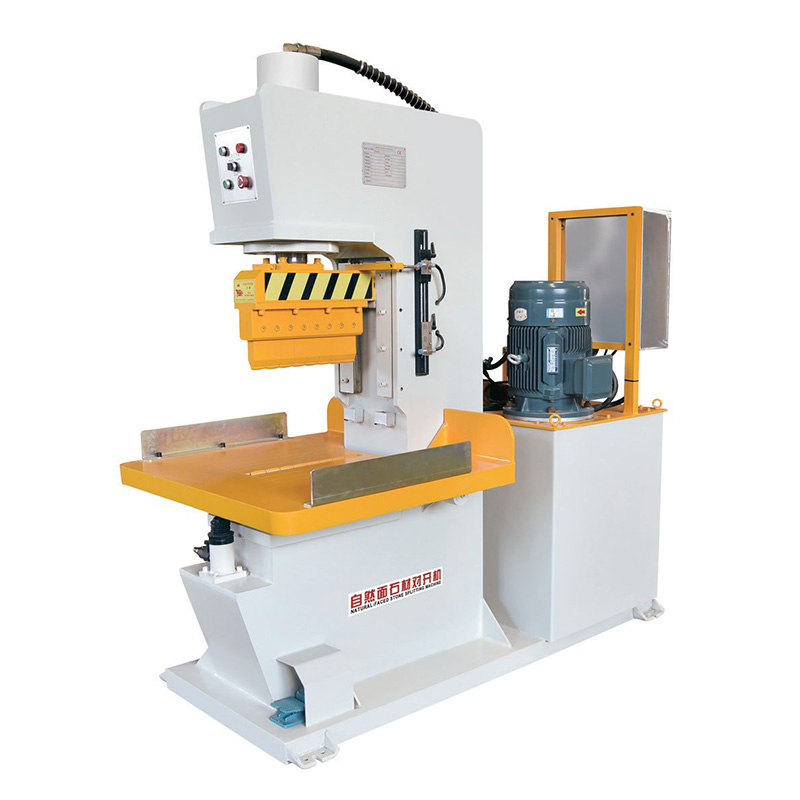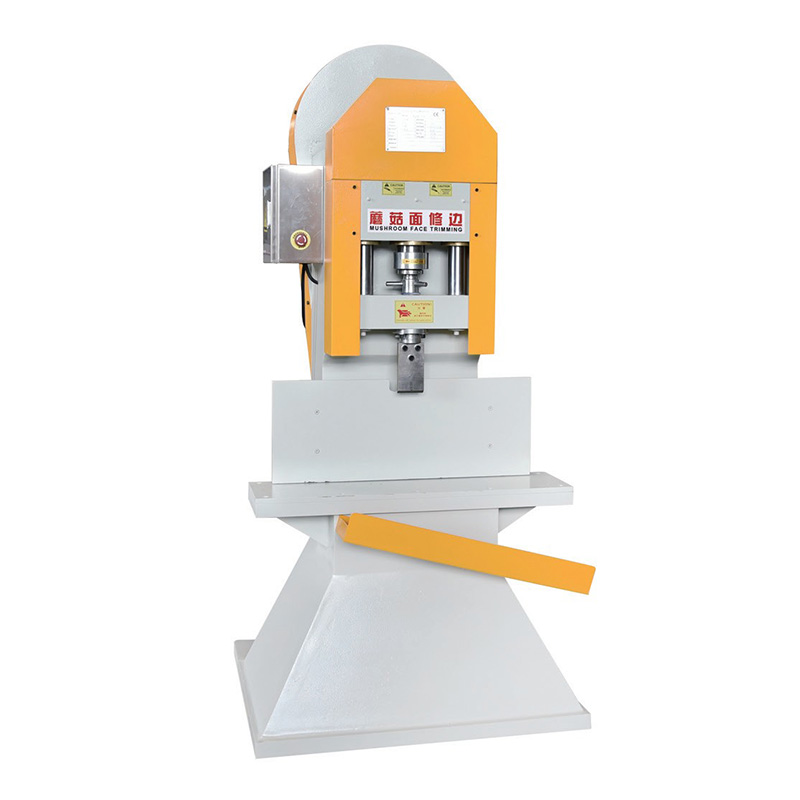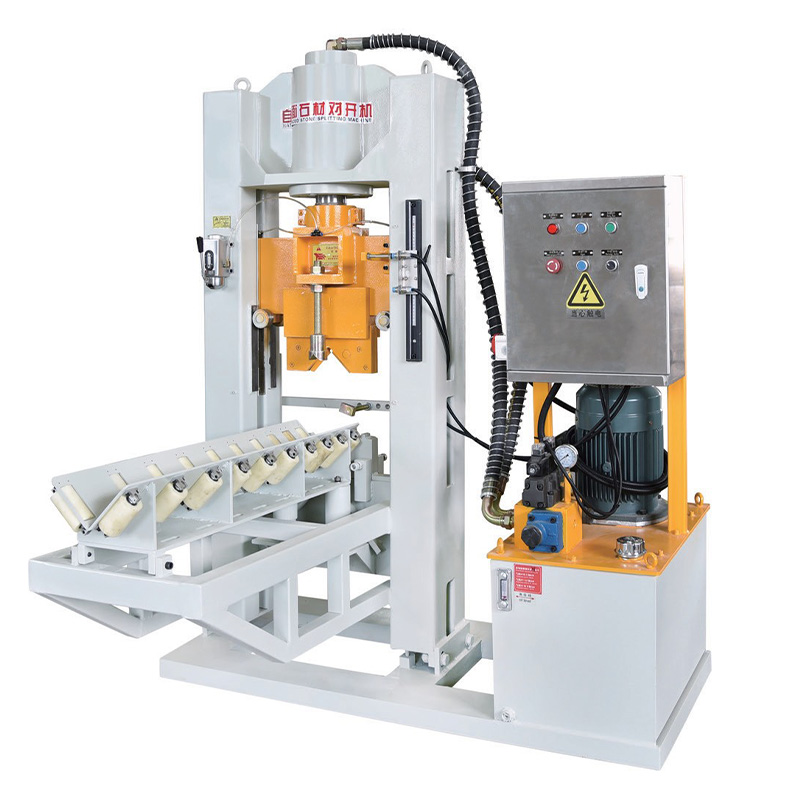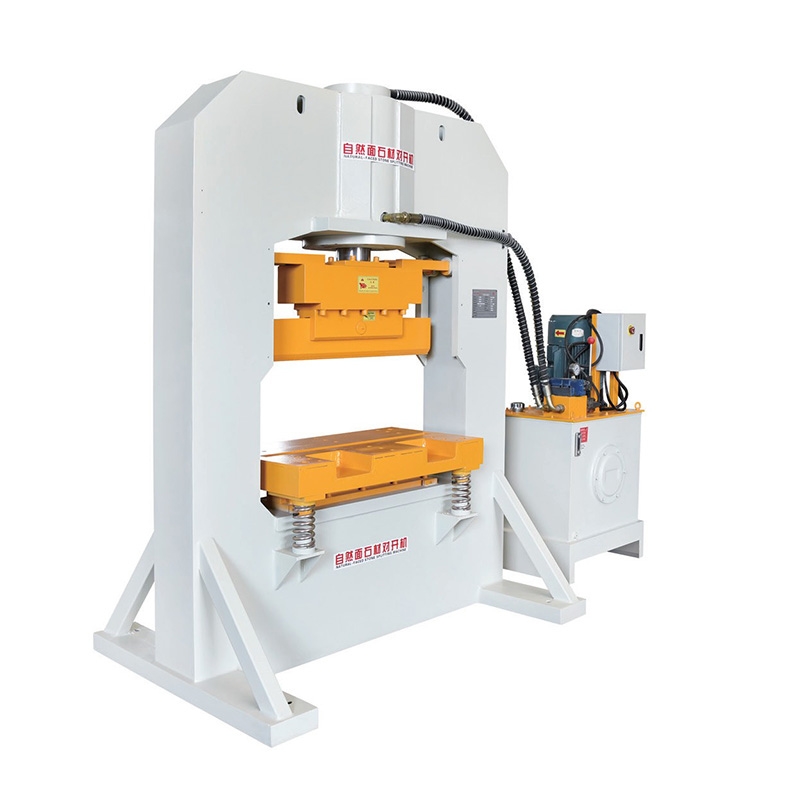







Hydrasplit Stone Splitter Alternatives | Speedone
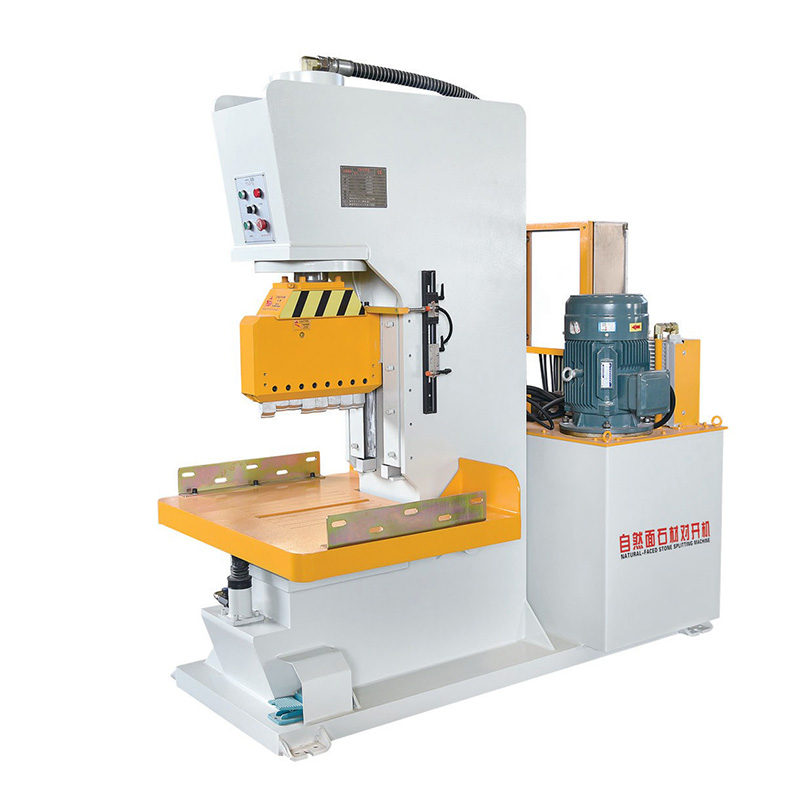
- Gewicht : 2.14T
- Pressure : 80T
- Power : 11KW
Beschreibung des Produkts
Hydrasplit Alternative Hydraulic Stone Splitter for Granite & Paving
If you are comparing Hydrasplit stone splitting equipment with other hydraulic splitters, the most important factors are your stone type, workpiece size, finished product and required production output. Speedone provides hydraulic stone splitting solutions for granite, marble, limestone, sandstone, paving stone, building stone, cobblestones and natural split-face products. Machine configuration can be selected according to working width, working height, splitting force, tooling, feeding method and factory layout.
What Is Hydrasplit?
|
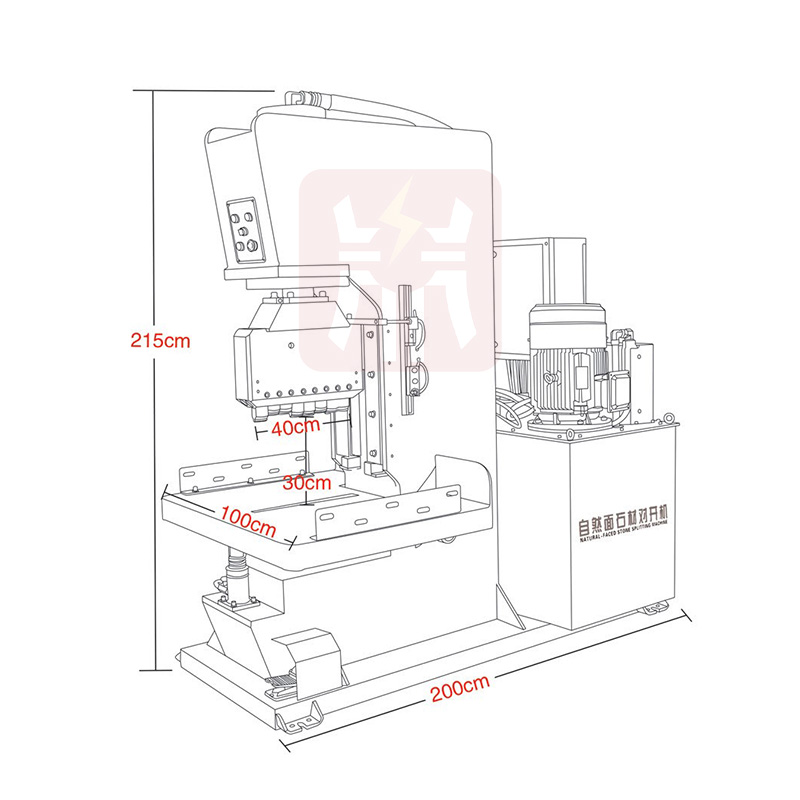 |
| Product display and size indication | |
HYDRASPLIT® is associated with a specific industrial stone splitter product line and should not be treated as the generic name for every hydraulische Steinspaltmaschine.
If you are evaluating Hydrasplit equipment, you may also want to compare other hydraulischer Steinspalters that perform similar stone-processing tasks.
Common equipment names include:
- Hydraulic stone splitter
- Hydraulic stone splitting machine
- Stone splitter machine
- Stone guillotine
- Granite stone splitter
- Paving stone splitter
- Building stone splitter
- Natural stone splitting machine
Speedone provides alternative hydraulic stone splitting equipment based on your actual production requirements.
The right choice depends less on the product name and more on what stone you process, how large the workpieces are and what finished products you need to manufacture.
When Should You Consider a Hydrasplit Alternative?
An alternative hydraulic stone splitter may be suitable if your factory needs to:
- Split granite blocks or strips
- Produce paving stones
- Manufacture cobblestones
- Produce natural building stone
- Create wall stone or split-face veneer
- Process limestone or sandstone
- Split pre-cut stone blanks
- Process suitable stone offcuts
- Reduce repeated manual splitting work
- Increase production capacity
- Add conveyors or material-handling equipment
Before choosing a machine, start with your finished product.
A splitter for small granite cubes may require a very different configuration from a machine used for thick retaining-wall blocks.
What Should You Compare Before Choosing a Hydraulic Stone Splitter?
| Factor | What You Should Check |
|---|---|
| Stone Type | Granite, marble, limestone, sandstone or another natural stone |
| Working Width | Maximum stone width the machine can accept |
| Working Height | Maximum stone thickness or block height |
| Splitting Force | Force required for your material and workpiece size |
| Splitting Tools | Blade, chisel, teeth or other tool configuration |
| Finished Product | Pavers, cobblestones, wall stone, veneer or building blocks |
| Verladeverfahren | Manual loading, roller table, conveyor or manipulator |
| Production Output | Required pieces or volume per hour or shift |
| Factory Layout | Available space for loading, splitting, unloading and maintenance |
| Service Support | Spare parts, technical documentation and maintenance support |
How Does a Hydraulic Stone Splitter Work?
A hydraulic stone splitter applies concentrated pressure to a selected area of the stone until the material fractures.
A typical working cycle is:
Load → Position → Align → Apply Pressure → Split → Release → Unload → Inspect
The stone is first placed on the working table or feeding system.
The intended split line is aligned with the splitting tools.
The hydraulic system then moves the working head toward the stone.
As pressure increases, force is concentrated along the selected area until the material separates.
The finished surface is usually rough and natural rather than smooth like a diamond-sawn surface.
The quality of the split can be affected by:
- Stone type
- Grain structure
- Natural cleavage
- Bedding direction
- Veins
- Existing cracks
- Stone width
- Stone thickness
- Splitting-tool design
- Tool condition
- Stone positioning
- Hydraulic force
The machine controls the applied force, but the natural structure of the stone still affects the fracture path.
Why Choose Hydraulic Splitting?
Stone can also be split manually using wedges, hammers and chisels.
Manual methods may still be practical for low-volume work, repairs or traditional masonry.
For factory production, hydraulic splitting provides a more repeatable process.
Potential advantages include:
- Controlled splitting force
- Reduced repeated manual hammering
- Higher production potential
- More consistent workflow
- Ability to process larger pieces
- Natural split-face production
- Compatibility with conveyors
- Production-line integration
The goal is not simply to use more force. The goal is to create the required stone product efficiently and repeatedly.
Hydrasplit Alternative for Granite
Granite is one of the most common materials processed with hydraulic stone splitting equipment.
Typical granite products include:
- Granite pavers
- Cobblestones
- Retaining-wall blocks
- Building stone
- Wall cladding
- Curbstones
- Landscape stone
- Architectural stone
If you need a Hydrasplit alternative for granite, begin with the size of the stone you actually process every day.
A practical selection sequence is:
Granite Type → Width → Thickness → Finished Product → Production Output → Machine Configuration
Different granite varieties can fracture differently because of variations in grain size, mineral structure and natural cracks.
For a broader overview of equipment suitable for both granite and marble, see Speedone’s stone splitting machine for granite and marble.
 |
 |
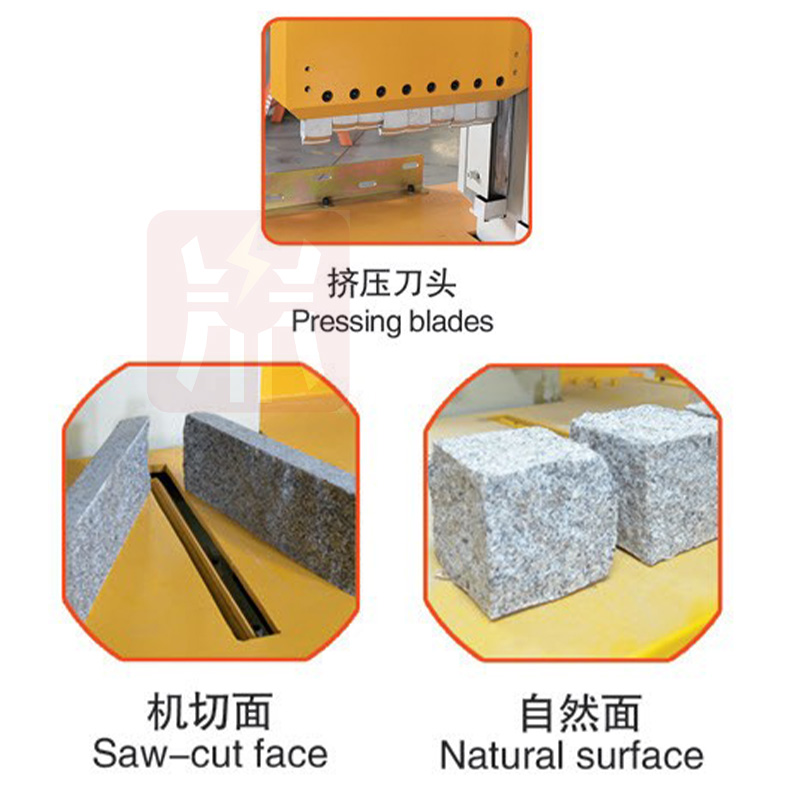
| Product information parameters and finished product display | |
Hydrasplit Alternative for Marble
Marble can also be processed with suitable hydraulic stone splitters.
Natural veins can influence the fracture direction, so correct stone orientation is especially important.
Possible marble products include:
- Split-face marble
- Decorative wall stone
- Architectural cladding
- Landscape stone
- Rustic marble pieces
- Small paving products
If you also need decorative mould pressing, Speedone’s marble splitting machine for split face and stamping is designed around both splitting and decorative processing applications.
Hydrasplit Alternative for Building Stone
Building stone is one of the main applications for hydraulic splitting equipment.
The process exposes the natural internal texture of the stone and creates a rough architectural surface.
Typical products include:
- Retaining-wall stone
- Masonry blocks
- Garden wall stone
- Rustic facade stone
- Natural veneer
- Landscape blocks
- Architectural cladding
The required machine depends strongly on product size.
A machine for thin veneer may not be the best choice for thick retaining-wall blocks.
For more information about this application, see Speedone’s stone splitter for granite and building stone.
Hydrasplit Alternative for Paving Stone
Paving-stone production often starts with stone that has already been cut into strips or rectangular blanks.
A common production route is:
Stone Block → Sawing → Stone Strip → Hydraulic Splitting → Sorting → Packing
Possible products include:
- Granite cubes
- Cobblestones
- Garden pavers
- Driveway stone
- Courtyard paving
- Plaza paving
- Landscape stone
For higher production volumes, feeding and unloading should be planned together with the splitter.
A fast hydraulic cycle provides limited benefit if workers spend most of the time lifting and repositioning each piece.
Hydrasplit Alternative for Cobblestone Production
Cobblestones are generally smaller than large building blocks, so the ideal splitter configuration can also be smaller and faster.
Important considerations include:
- Easy loading
- Fast workpiece positioning
- Suitable working opening
- Efficient splitting cycle
- Convenient unloading
- Finished-product sorting
A larger machine is not automatically more productive.
The best machine is usually the one designed around the dimensions and quantities you process most often.
Natural Split-Face Stone Production
Natural split-face production is one of the main reasons stone factories use hydraulic splitters.
A diamond saw creates a relatively flat surface.
Hydraulic splitting exposes the natural internal structure of the stone.
This finish is commonly used for:
- Wall cladding
- Stone veneer
- Rustic facades
- Masonry
- Garden walls
- Landscape projects
- Decorative stone
The irregular texture is normally part of the desired appearance.
Hydrasplit Alternative vs. General Hydraulic Stone Splitting Machine
If you are comparing a Hydrasplit machine with other hydraulic splitters, look beyond the brand name and compare the actual machine configuration.
Speedone's hydraulische Steinspaltmaschine solutions can be evaluated according to:
- Working width
- Working height
- Hydraulic system
- Machine frame
- Splitting-tool configuration
- Stone-feeding method
- Conveyor integration
- Production-line requirements
These specifications determine whether the machine fits your production better than a simple brand-to-brand comparison.
Hydraulic Stone Splitter vs. Stone Stamping Machine
A stone splitter and stone stamping machine can both use hydraulic pressure, but they produce different results.
| Merkmal | Hydraulic Stone Splitter | Stone Stamping Machine |
|---|---|---|
| Main Process | Natural fracture | Mould pressing |
| Main Tooling | Splitting blade or chisel | Mould or die |
| Finished Surface | Natural split | Defined by mould |
| Split-Face Products | Main application | Not primary application |
| Decorative Patterns | Limited | Strong application |
If your products require repeatable mould-defined shapes, Speedone’s stone stamping machine for granite and marble may be more suitable.
Hydraulic Stone Splitter vs. Diamond Stone Saw
These two machines perform different jobs and are often used together in the same stone factory.
| Requirement | Hydraulic Splitter | Diamond Saw |
|---|---|---|
| Natural Fracture | Strong application | Nein |
| Smooth Precision Cut | Limited | Strong application |
| Rustic Surface | Natural result | Usually requires secondary processing |
| Building Stone | Strong application | Sizing and preparation |
| Paving Stone | Strong application | Blank preparation |
| Countertops | Not primary use | Main fabrication process |
A common production process is to use a saw for dimensional preparation and a hydraulic splitter for the final natural surface.
How Much Splitting Force Do You Need?
There is no single force rating that is correct for every stone factory.
The required capacity depends on:
- Stone type
- Stone strength
- Workpiece width
- Workpiece thickness
- Grain structure
- Tool geometry
- Finished product
A practical selection order is:
Stone → Dimensions → Finished Product → Required Force → Machine Configuration
A larger machine should be selected because your production requires it, not simply because it has a higher tonnage rating.
Working Width and Working Height
Working dimensions are among the most important specifications when comparing machines.
Working Width
This determines the maximum stone width that can enter the splitting area.
Working Height
This determines the maximum stone thickness or block height the machine can accept.
When requesting a quotation, provide both your maximum dimensions and your normal production dimensions.
This allows the machine to be selected around everyday production rather than one unusual oversized piece.
Why Splitting Tool Design Matters
The hydraulic system creates the force, but the splitting tools transfer that force into the stone.
Depending on machine design, tooling may include:
- Splitting blades
- Chisels
- Knives
- Individual splitting teeth
- Upper and lower tool assemblies
Tool contact becomes especially important when the stone surface is uneven.
When comparing equipment, ask how the splitting tools contact irregular workpieces and how easily wear parts can be replaced.
Why Machine Frame Design Matters
Hydraulic splitting creates substantial load on the machine structure.
The frame must support that force while keeping the cylinder and splitting tools aligned.
Important areas include:
- Frame construction
- Working opening
- Cylinder support
- Tool alignment
- Working-table structure
- Maintenance access
Hydraulic force and frame structure should always be evaluated together.
Standalone Splitter or Complete Production Line?
| Factor | Standalone Splitter | Integrated Line |
|---|---|---|
| Investment | Niedriger | Higher |
| Floor Space | Lower requirement | Higher requirement |
| Loading | More manual | More integrated |
| Flexibilität | Higher | More specialized |
| Output Potential | Moderate to high | Higher-volume potential |
| Conveyors | Optional | Common |
A standalone splitter can be suitable if your factory produces several different stone products.
A complete line may be more suitable if you repeatedly produce the same paver, cobblestone or building-stone product at higher volume.
Conveyors and Material Handling
The complete production cycle includes more than the hydraulic splitting step.
Load → Align → Split → Remove → Sort
If loading and unloading take much longer than splitting, increasing machine speed alone will not solve the productivity problem.
Depending on your workpiece size and production volume, you may consider:
- Roller conveyors
- Powered conveyors
- Stone manipulators
- Forklifts
- Overhead lifting equipment
- Raw-material staging areas
- Finished-product sorting areas
Can You Use a Hydraulic Splitter for Stone Offcuts?
Yes, suitable offcuts can sometimes be processed into smaller commercial products.
Possible products include:
- Small paving stones
- Wall stone
- Landscape stone
- Natural-face pieces
- Small masonry products
This can create additional value from leftover stone that is no longer suitable for larger slabs or countertops.
However, pieces with serious cracks or structural damage should be evaluated before splitting.
Splitting Offcuts or Stamping Offcuts?
The required finished product determines which process is more suitable.
Choose hydraulic splitting when you need a natural fractured surface.
Choose stone stamping when you need a more repeatable mould-defined shape or pattern.
What Information Should You Provide Before Requesting a Quote?
To help Speedone recommend a suitable hydraulic stone splitter, provide:
- Stone type
- Photos of the stone
- Maximum workpiece width
- Maximum workpiece height
- Typical workpiece dimensions
- Approximate stone weight
- Photos of the finished product
- Required production output
- Preferred loading method
- Factory power supply
- Available floor space
- Conveyor requirements
The more accurate this information is, the easier it is to match the machine to your real production needs.
Common Hydraulic Stone Splitting Problems
Stone Fractures in the Wrong Direction
Natural grain, bedding or internal cracks can redirect the fracture.
Check stone orientation and the intended split line.
Excessive Edge Chipping
Check the splitting tools, tool contact and stone positioning.
The Machine Needs Too Much Pressure
The stone may be too large or unsuitable for the current machine configuration.
Do not exceed the approved hydraulic settings.
The Hydraulic System Becomes Too Hot
Stop operation and inspect the system according to the machine’s maintenance instructions.
Splitting Tools Wear Unevenly
Check tool alignment and contact with the workpiece.
Production Is Slower Than Expected
Look at the entire process.
Loading, positioning and unloading may take more time than the hydraulic splitting cycle.
Hydraulic Stone Splitter Maintenance
Routine inspection should include:
- Hydraulic oil
- Hydraulic cylinder
- Hydraulic pump
- Valves
- Hoses
- Fittings
- Pressure controls
- Splitting tools
- Working table
- Machine frame
- Conveyor system
- Electrical controls
- Safety guards
- Emergency controls
Hydraulic leaks should be inspected promptly.
Damaged hydraulic parts or badly worn splitting tools should be replaced before normal production continues.
Hydraulic Stone Splitter Safety Tips
- Only trained operators should use the machine.
- Keep hands away from the splitting zone.
- Never bypass machine guards or safety controls.
- Inspect hydraulic parts regularly.
- Use suitable equipment to move heavy stone.
- Keep unnecessary personnel away from the work area.
- Wear appropriate personal protective equipment.
- Follow lockout procedures during maintenance.
- Do not exceed approved stone dimensions.
- Do not exceed approved hydraulic pressure.
- Replace damaged splitting tools.
- Keep the work area clean and organized.
Hydraulic Splitting in a Countertop Factory
Hydraulic splitting is not usually the main process used to manufacture granite or quartz countertops.
Countertops normally require precision cutting, CNC machining, edge finishing and polishing.
However, countertop production can generate useful stone offcuts.
A secondary production route may be:
Stone Slab → Countertop Fabrication → Offcut Sorting → Hydraulic Splitting → Secondary Stone Products
The completed countertop follows a different process.
During installation, Speedone’s Stone Pro seam setter for granite and quartz countertops is used for seam positioning rather than stone splitting.
Who Can Use a Hydrasplit Alternative?
A hydraulic stone splitter may be suitable for:
- Granite factories
- Marble factories
- Building stone manufacturers
- Paving stone producers
- Cobblestone factories
- Landscape stone suppliers
- Natural stone veneer manufacturers
- Quarry processing facilities
- Architectural stone companies
- Stone equipment distributors
Warum Speedone wählen?
Speedone supplies professional stone-processing and material-handling equipment for stone factories, fabrication shops and distributors.
If you are comparing Hydrasplit with another hydraulic stone splitter, Speedone recommends starting with your production requirement:
Stone Type → Workpiece Dimensions → Finished Product → Splitting Force → Tooling → Feeding Method → Production Output → Factory Layout
This approach helps avoid choosing a machine that is too large, too small or poorly matched to your actual products.
When comparing equipment, also check:
- Working dimensions
- Hydraulic-system configuration
- Splitting-tool options
- Material-handling compatibility
- Spare-part availability
- Technical documentation
- Customization options
- Maintenance requirements
- Supplier communication
Need Help Choosing a Hydrasplit Alternative?Send Speedone your stone type, stone photos, maximum and typical workpiece dimensions, finished-product photos, target production output and preferred loading method. We can use this information to help you evaluate a suitable hydraulic stone splitting configuration for your factory.
Häufig gestellte Fragen
What is Hydrasplit?
HYDRASPLIT® is associated with a specific industrial stone splitter product line. It is not the generic name for all hydraulic stone splitting machines.
Does Speedone manufacture Hydrasplit machines?
Speedone does not present its equipment as HYDRASPLIT-branded machinery. Speedone provides alternative hydraulic stone splitting equipment for similar granite, paving stone, building stone and natural split-face applications.
What is a Hydrasplit alternative?
A Hydrasplit alternative is another hydraulic stone splitting machine selected according to your stone type, workpiece dimensions, finished product and production requirements.
What materials can a hydraulic stone splitter process?
Depending on machine configuration, suitable equipment may process granite, marble, limestone, sandstone and other compatible natural stone.
Can a hydraulic stone splitter process granite?
Yes. Suitable machines can process granite when the stone characteristics and dimensions are within the machine’s approved working range.
Can a hydraulic splitter produce paving stones?
Yes. Pavers, stone cubes and cobblestones are common applications for hydraulic stone splitting equipment.
Can hydraulic splitting produce natural-face stone?
Yes. Natural fractured wall stone, veneer, building stone and landscape products are common applications.
Is Hydrasplit the same as a stone guillotine?
They belong to the same broader stone-splitting equipment category, although machine design and terminology can vary between manufacturers.
How do I choose a Hydrasplit alternative?
Start with your stone type, maximum and typical dimensions, finished product, required production output and loading method. Then compare working size, splitting force, tooling and machine configuration.
Should I choose the hydraulic splitter with the highest tonnage?
Not necessarily. Working dimensions, stone characteristics, tool design, production volume and material handling are also important.
Can conveyors be added to a stone splitter?
Suitable industrial machines can be combined with roller or powered conveyors depending on machine configuration and production requirements.
What should I send Speedone for a quotation?
Send your stone type, stone photos, maximum and typical dimensions, approximate weight, finished-product photos, target output, power supply and preferred loading method.