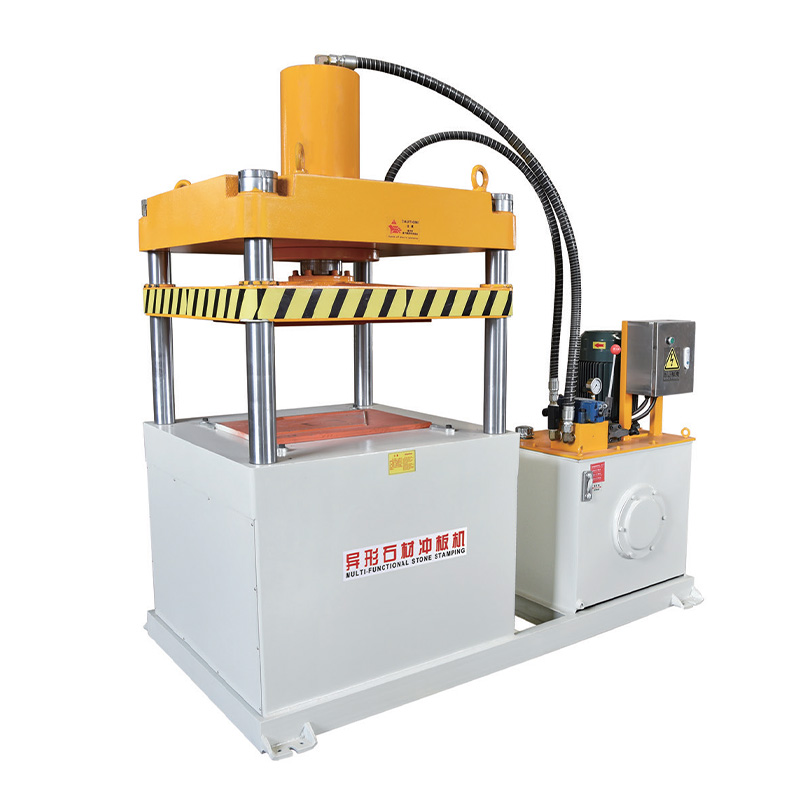
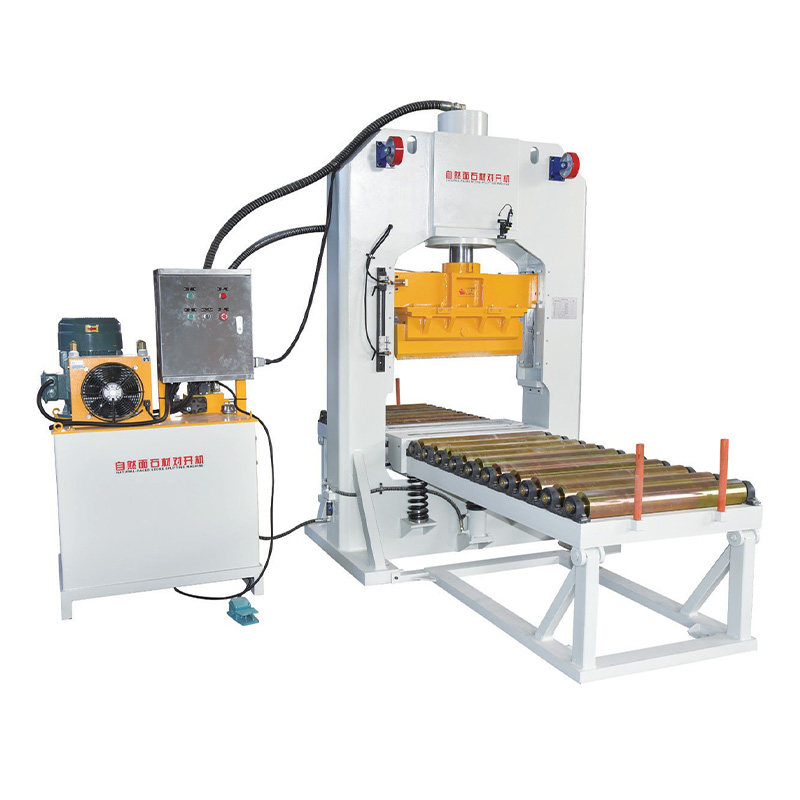
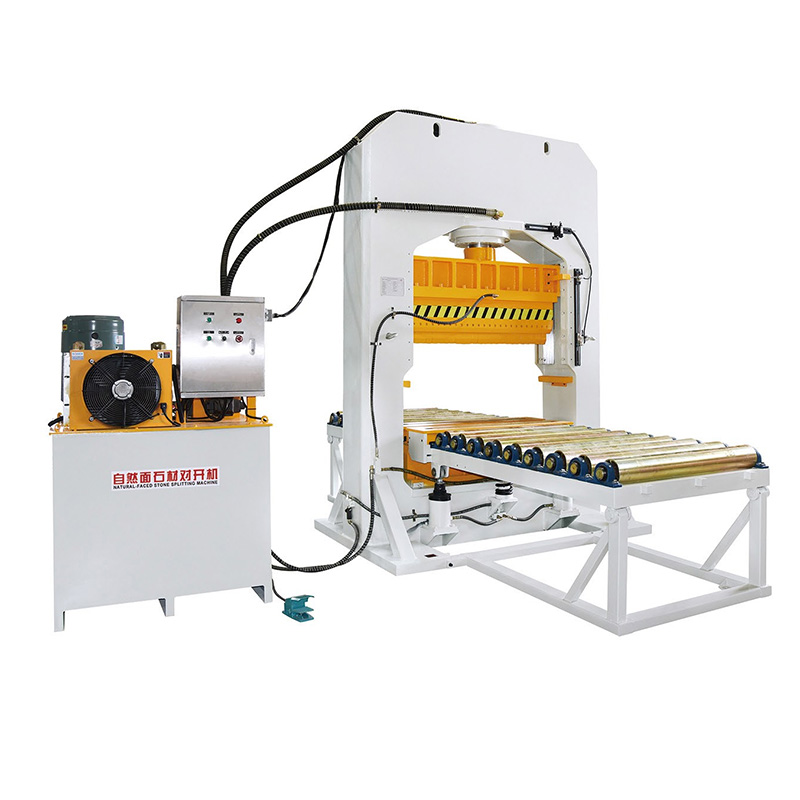
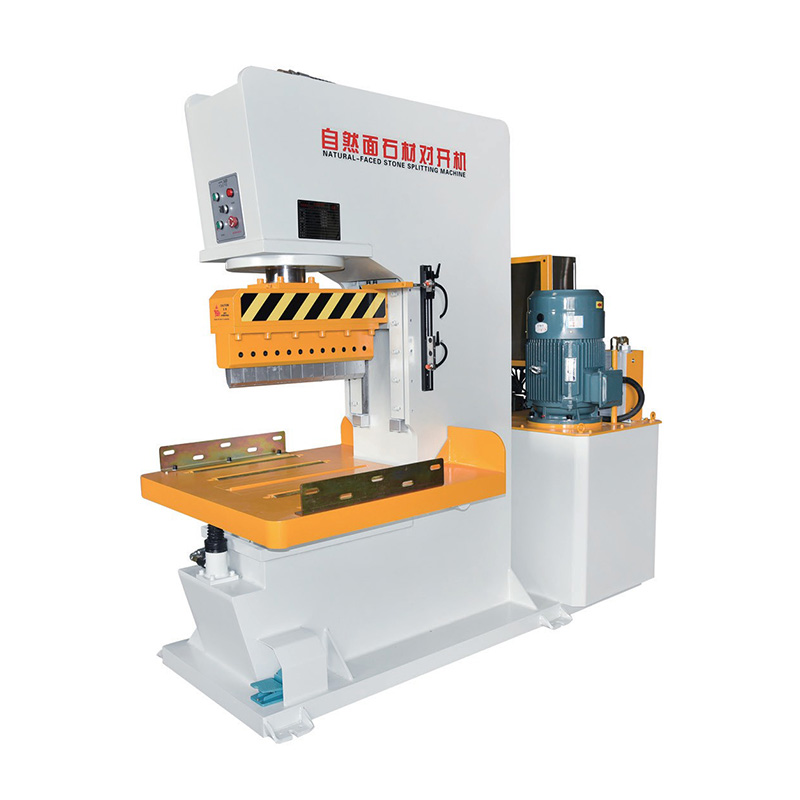
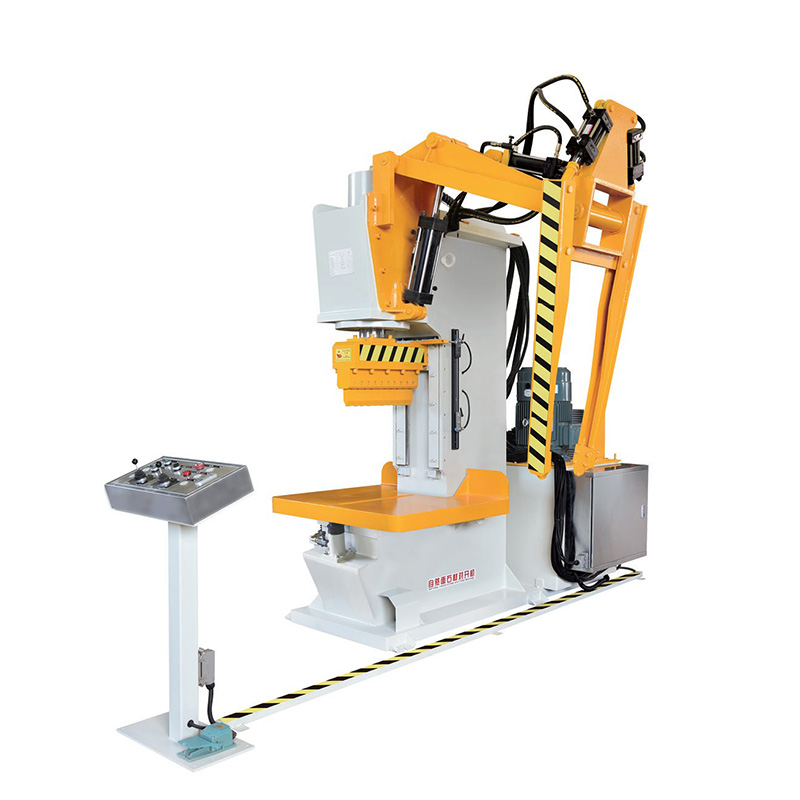
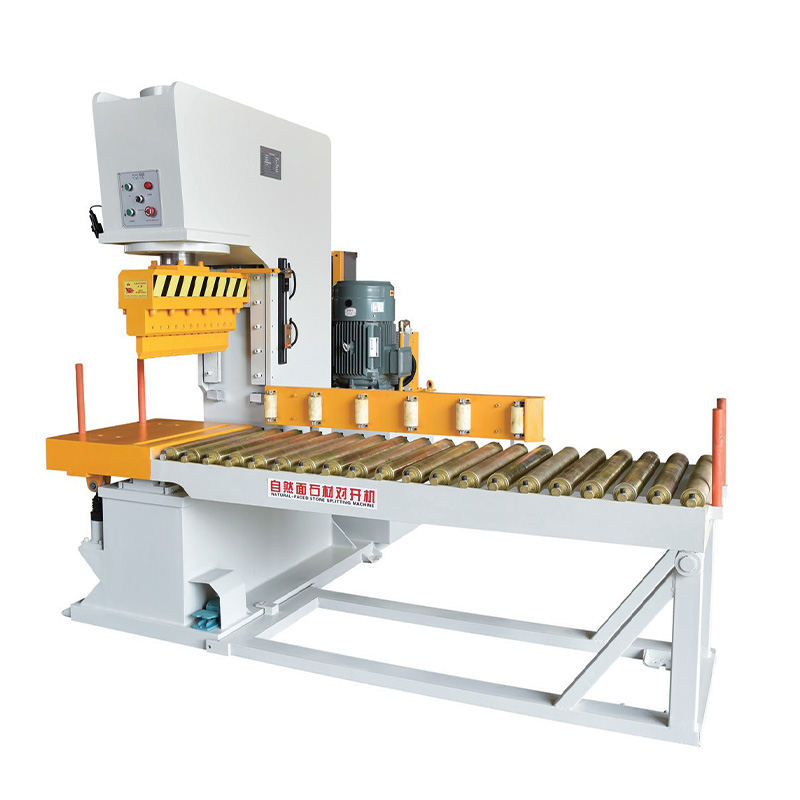
Marble Splitting Machine for Split Face & Stamping | Speedone
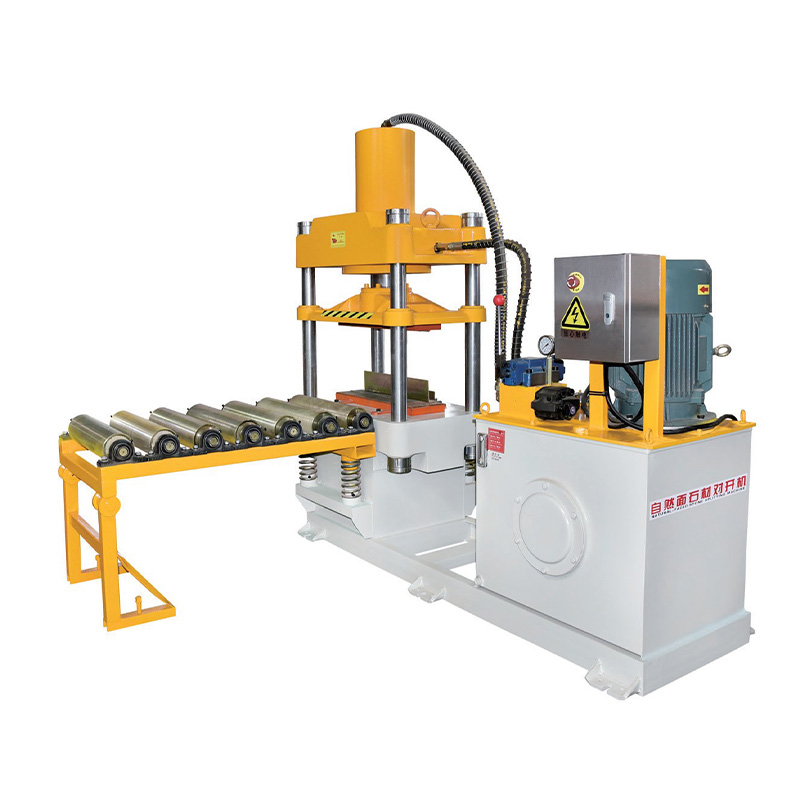
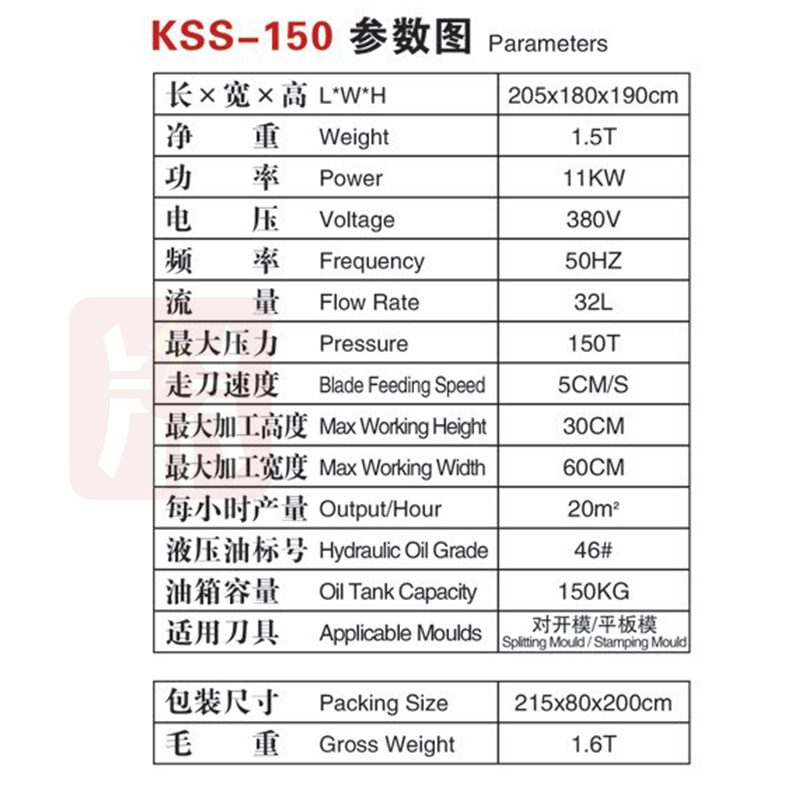
- Weight : 1.5T
- Pressure : 150T
- Power : 11KW
Product Description
Hydraulic Marble Splitting Machine for Split Face & Decorative Stamping
What Is a Marble Splitting Machine?
|
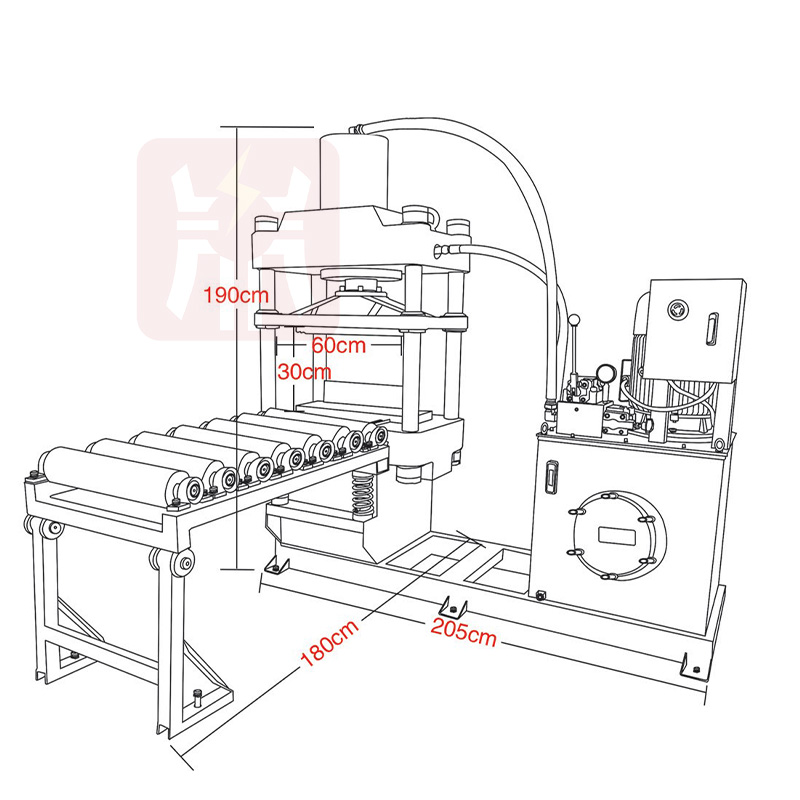 |
| Product display and size indication | |
A marble splitting machine is hydraulic stone-processing equipment used to split marble and other compatible natural stone by applying concentrated pressure.
Unlike a diamond saw, which cuts through the stone and creates a smooth sawn surface, a splitting machine creates a controlled fracture.
The result is normally a rougher and more natural stone face.
This makes the machine useful for products such as:
- Split-face marble
- Wall cladding
- Decorative stone
- Landscape stone
- Paving products
- Stone tiles
- Rustic architectural stone
- Masonry stone
- Garden stone
- Decorative blocks
- Textured stone panels
- Products made from suitable marble offcuts
What makes this Speedone machine different is that suitable configurations can also support decorative stone stamping.
By changing the working tool or mould, the same hydraulic platform can be used for both natural stone splitting and selected decorative pressing applications.
Why This Marble Splitting Machine Is Different
A conventional stone splitter mainly performs one job: creating a natural fracture in stone.
This marble splitting machine can offer two processing modes when equipped with the correct tooling.
Natural Splitting Mode
The machine uses a splitting blade, chisel or related tool to divide the marble along a controlled line.
This creates a naturally irregular and textured surface.
It is suitable for products such as:
- Split-face wall stone
- Rustic marble cladding
- Landscape stone
- Natural paving pieces
- Decorative architectural stone
Decorative Stamping Mode
The machine uses an approved mould or pressing tool instead of the standard splitting tool.
Hydraulic pressure is then used to form a selected decorative pattern, shape or surface effect.
This can be useful for producing:
- Decorative paving stone
- Patterned marble pieces
- Garden products
- Decorative wall products
- Architectural accents
- Selected textured stone products
This page is therefore different from Speedone’s broader stone splitting machine for granite and marble, which focuses mainly on general hydraulic splitting.
It also differs from the stone splitter for granite and building stone, which is positioned more around paving stone, cobblestone and building-stone production.
This page focuses specifically on marble splitting plus decorative stamping capability.
 |
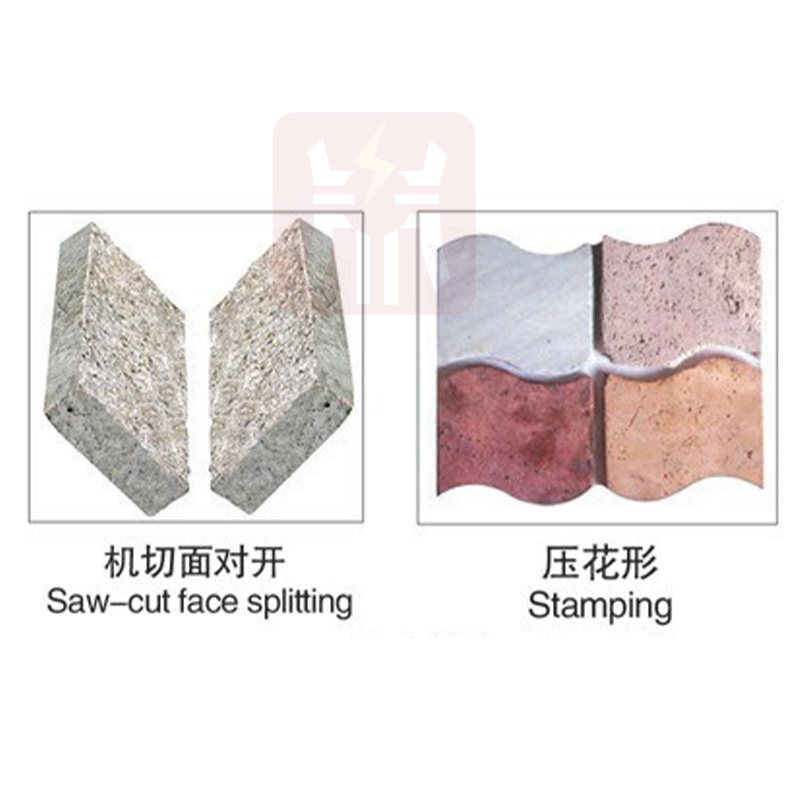 |
| Product parameters and finished product display | |
How Does a Hydraulic Marble Splitting Machine Work?
The machine converts hydraulic pressure into controlled mechanical force.
For normal splitting, the stone is positioned beneath the splitting tool and aligned with the required fracture line.
The hydraulic cylinder then moves the tool toward the stone.
As the pressure increases, the tool concentrates force into a narrow area until the marble separates.
A typical splitting cycle is:
Load → Position → Align → Apply Pressure → Split → Inspect → Unload
The final split depends on several factors:
- Marble type
- Natural veining
- Internal cracks
- Stone grain
- Stone thickness
- Workpiece width
- Splitting-tool design
- Tool condition
- Stone orientation
- Hydraulic force
Marble is a natural material, so some variation in the split surface is normal.
How Does the Decorative Stamping Function Work?
When the machine is used for decorative stamping, the working tool is changed.
An approved mould or pressing die is installed in place of the normal splitting tool.
The stone is then placed and aligned beneath the mould.
Hydraulic pressure pushes the mould against the material to create the required shape or decorative effect.
A typical stamping process is:
Select Mould → Install Tooling → Position Stone → Align → Apply Pressure → Release → Inspect
The final result depends on:
- Mould shape
- Mould depth
- Stone thickness
- Stone structure
- Tool alignment
- Hydraulic settings
- Machine configuration
Only tooling approved for the machine should be used.
What Does Stone Stamping Mean?
In this application, stone stamping does not mean printing ink or graphics onto marble.
It means using hydraulic force and a mould to create a controlled shape, texture or decorative effect.
Similar terms may include:
- Stone stamping
- Stone embossing
- Decorative stone pressing
- Pattern pressing
- Stone mould pressing
- Hydraulic stone forming
However, the main SEO keyword for this product page remains marble splitting machine.
Marble Splitting and Stamping in One Machine
The ability to switch between splitting and stamping is the main advantage of this type of machine.
Instead of using one hydraulic machine only for natural split-face products, the factory can change tooling and produce additional decorative items.
A possible production workflow is:
Marble Slab → Sawing → Strip or Offcut Selection → Splitting / Stamping → Sorting → Finishing → Packing
This can make the machine especially useful for factories that process several product categories.
Marble Splitting Machine for Natural Split Face Stone
Natural split-face marble is one of the main products made with this equipment.
Marble is commonly associated with polished surfaces, but many architectural projects require a more natural and dimensional appearance.
Hydraulic splitting exposes the internal structure of the stone instead of grinding the surface flat.
This can create an attractive textured finish for:
- Exterior cladding
- Interior feature walls
- Garden walls
- Fireplace surrounds
- Rustic interiors
- Architectural facades
- Landscape features
- Decorative stone walls
Different marble varieties can produce very different appearances after splitting.
Testing representative material before mass production is therefore useful.
Marble Splitting Machine for Decorative Stone
The stamping function becomes especially valuable when a factory wants to produce more controlled decorative shapes.
Natural splitting creates an irregular stone texture.
Stamping creates a pattern or form defined by the installed mould.
Potential products include:
- Decorative marble tiles
- Patterned paving stones
- Garden stone products
- Architectural accents
- Rustic wall products
- Decorative flooring pieces
- Landscape stone products
The available product range depends heavily on the mould design.
Interchangeable Moulds for Different Patterns
Interchangeable moulds can make the machine much more flexible.
Instead of buying a different hydraulic machine for every decorative product, a factory may be able to change moulds on the same machine platform.
Before buying, ask the supplier:
- What standard moulds are available?
- Can custom moulds be produced?
- How long does a mould change take?
- What stone sizes can be stamped?
- What stone thickness is recommended?
- How is the mould fixed?
- Which parts wear during production?
- How quickly can replacement tooling be supplied?
For a factory producing multiple decorative products, tooling flexibility can be just as important as hydraulic tonnage.
Marble Splitting Machine for Marble Offcuts
Marble factories often generate offcuts during slab cutting and fabrication.
Some pieces are too small for full slabs or countertops but may still be suitable for smaller products.
A suitable marble splitting machine can help process selected offcuts into:
- Small paving stones
- Wall stone
- Garden stone
- Decorative blocks
- Split-face pieces
- Stamped decorative products
- Stone samples
This does not mean every offcut can be reused.
The stone still needs to meet the machine’s size, strength and processing requirements.
For suitable material, however, secondary processing can create more value from leftover stone.
Marble Splitting & Stamping Machine vs. Standard Stone Splitter
| Feature | Standard Stone Splitter | Marble Splitting & Stamping Machine |
|---|---|---|
| Hydraulic splitting | Yes | Yes |
| Natural split face | Yes | Yes |
| Decorative stamping | Usually not the main function | Available with suitable tooling |
| Replaceable moulds | Model dependent | Important option |
| Offcut processing | Possible | Useful application |
| Decorative product range | More limited | Broader with suitable moulds |
Marble Splitting Machine vs. Marble Cutting Machine
A marble cutting machine and a marble splitting machine serve different purposes.
| Requirement | Marble Splitting Machine | Marble Cutting Machine |
|---|---|---|
| Natural split face | Excellent | No |
| Precise sawn surface | Limited | Excellent |
| Decorative stamping | Possible with suitable configuration | Usually separate process |
| Saw kerf | No conventional saw kerf | Yes |
| Rustic stone products | Highly suitable | May require further processing |
| Precision countertops | Not primary application | Suitable |
Many stone factories use both machines.
The cutting machine creates accurate dimensions, while the splitting machine creates the required natural or decorative finish.
Marble Splitting Machine vs. Stone Stamping Machine
A dedicated stone stamping machine mainly focuses on patterns, shapes and decorative pressing.
A conventional marble splitter mainly focuses on natural fracture.
A dual-function Speedone marble splitting machine can combine both functions with suitable approved tooling.
This can help factories produce more product types from one hydraulic machine platform.
Marble Splitting Machine for Paving Stone
Paving products are another useful application.
Input materials can include:
- Marble strips
- Pre-cut pieces
- Suitable slabs
- Selected offcuts
The factory can use natural splitting for a rustic paving finish or suitable stamping moulds for more controlled decorative effects.
Possible paving applications include:
- Courtyard paving
- Garden paths
- Walkways
- Plaza stone
- Landscape paving
- Small architectural paving units
Marble Splitting Machine for Wall Cladding
Split-face marble can create a strong three-dimensional appearance on interior and exterior walls.
Common applications include:
- Exterior facades
- Interior feature walls
- Hotel interiors
- Commercial spaces
- Fireplace surrounds
- Garden walls
- Residential decorative walls
If a more repeatable pattern is required, suitable stamping tooling may provide another option.
Marble Splitting Machine for Decorative Cultural Stone
Decorative wall stone and cultural stone products often rely on depth, texture and variation.
Natural hydraulic splitting is useful when an irregular appearance is required.
Stamping is useful when the factory wants a more repeatable decorative shape.
This allows the same machine platform to support both natural and mould-defined product styles.
Can a Marble Splitting Machine Process Granite?
Some hydraulic splitting and stamping machines may also process suitable granite, limestone, sandstone, travertine and other natural stone.
However, the same machine settings should not automatically be used for every material.
Important factors include:
- Stone hardness
- Workpiece width
- Stone thickness
- Grain structure
- Fracture behavior
- Tool design
- Hydraulic capacity
Material compatibility depends on the complete machine and tooling configuration.
Main Components of a Marble Splitting Machine
Heavy-Duty Frame
The frame absorbs the forces created during splitting and stamping.
It needs enough rigidity to maintain tool alignment during repeated operation.
Hydraulic Cylinder
The hydraulic cylinder converts hydraulic pressure into movement at the working tool.
Splitting Blade or Chisel
The splitting tool concentrates force along the intended fracture line.
Stamping Mould
When decorative stamping is required, the approved mould creates the required pattern or shape.
Working Table
The working table supports the stone and helps the operator position it correctly.
Hydraulic Power Unit
The hydraulic power unit supplies pressure to the cylinder.
Control System
The control system allows the operator to manage machine movement and the processing cycle.
How to Change from Splitting to Stamping
The exact process depends on the machine model.
A general tool-change sequence may be:
Stop Machine → Isolate Power → Remove Splitting Tool → Install Approved Mould → Secure Tooling → Check Alignment → Test → Start Production
Tool changes should follow the manufacturer’s instructions.
Do not install unapproved tooling simply because it physically fits the machine.
How to Use a Marble Splitting Machine
1. Inspect the Marble
Check the stone for cracks, damaged edges and other visible defects.
2. Confirm the Finished Product
Decide whether the operation requires natural splitting or decorative stamping.
3. Select the Correct Tool
Install the approved splitting tool or stamping mould.
4. Inspect the Machine
Check the hydraulic system, frame, tooling, guards and controls.
5. Position the Stone
Place the material within the machine’s approved working area.
6. Align the Workpiece
For splitting, align the desired fracture line.
For stamping, align the stone with the mould.
7. Clear the Working Area
Keep hands and personnel away from the processing zone.
8. Apply Hydraulic Pressure
Use the approved machine controls to complete the cycle.
9. Allow the Machine to Finish
Do not approach the working zone until the machine reaches the correct safe condition.
10. Inspect the Product
Check the split face, stamped pattern, dimensions and any unwanted cracks.
How to Choose the Right Marble Splitting Machine
1. Marble Type
Different marble varieties can have different fracture characteristics.
2. Maximum Stone Width
The machine opening must accommodate the widest workpiece.
3. Maximum Stone Thickness
Stone thickness affects working clearance and hydraulic requirements.
4. Hydraulic Capacity
Hydraulic force should be selected according to the actual stone and workpiece size.
5. Splitting Tool Design
The splitting blade or chisel should suit the intended product.
6. Stamping Capability
If decorative products are important, confirm that the machine genuinely supports approved stamping tooling.
7. Available Moulds
Ask about standard patterns, custom moulds and replacement tooling.
8. Finished Product Range
Define whether you mainly need wall stone, paving products, decorative pieces or several different product categories.
9. Tool Change Time
Fast tool changes can be important if the factory frequently switches between splitting and stamping.
10. Material Loading
Roller tables, conveyors or other handling equipment may be useful for larger pieces.
11. Production Volume
Required output affects whether additional material handling or automation is worthwhile.
12. Factory Layout
The machine should fit into the complete material flow, not simply fit into an empty space.
Using a Marble Splitting Machine in a Stone Factory
The machine should be considered as one part of the complete production workflow.
A typical process may be:
Slab Storage → Sawing → Offcut Selection → Splitting / Stamping → Sorting → Finishing → Packing
Large slabs and finished panels require separate handling equipment.
For suitable porcelain and stone panels elsewhere in the workshop, Speedone’s tile suction cup for large-format porcelain and stone can assist with compatible lifting and positioning work.
If the workshop also handles glass or mirrors, Speedone’s glass suction cups for vacuum lifting and handling provide a separate solution for that material.
Marble Splitting Machine and Countertop Offcut Recycling
Countertop fabrication can create a large amount of leftover stone.
Selected pieces may still be suitable for secondary products.
Potential products include:
- Pavers
- Wall stone
- Decorative blocks
- Landscape pieces
- Split-face stone
- Stamped decorative pieces
This can help factories explore additional value from suitable leftover material.
When full-size granite or quartz countertop sections move into installation, however, they require different tools.
A dedicated countertop seam tool for granite and quartz is designed for seam alignment rather than splitting.
The Speedone stone pro seam setter for granite and quartz countertops is also intended for the installation stage.
Natural Split Face vs. Stamped Marble Surface
| Feature | Natural Split Face | Stamped Surface |
|---|---|---|
| How it is created | Natural fracture | Hydraulic mould or die |
| Appearance | Naturally irregular | More controlled pattern |
| Repeatability | Lower | Higher depending on tooling |
| Main tool | Splitting blade or chisel | Stamping mould |
| Product style | Natural and rustic | Decorative and patterned |
| Typical products | Wall stone and cladding | Paving and decorative stone |
Common Marble Splitting Machine Problems
Marble Splits in the Wrong Direction
Natural veins or internal weaknesses can redirect the fracture.
Check stone orientation, splitting line and tool position.
Excessive Chipping
Inspect the splitting tool and confirm that the stone is properly positioned.
The Stamped Pattern Is Incomplete
Check mould alignment, stone position and compatibility between the material and tooling.
Pattern Depth Is Inconsistent
Check stone thickness, positioning and approved hydraulic settings.
The Marble Cracks Outside the Pattern
The stone may contain natural weaknesses or may not be suitable for the selected mould and process.
Tool Changes Take Too Long
Review the mould-change procedure and how often production needs to switch between products.
Production Is Too Slow
Look at the entire production cycle.
Loading, alignment, tool changes, unloading and sorting may take more time than the hydraulic cycle itself.
Marble Splitting Machine Maintenance
A machine used for both splitting and stamping needs regular inspection.
Important maintenance areas include:
- Hydraulic oil
- Hydraulic pump
- Cylinders
- Hoses and fittings
- Control valves
- Pressure controls
- Splitting tools
- Stamping moulds
- Tool holders
- Working table
- Machine frame
- Fasteners
- Electrical controls
- Safety guards
- Emergency systems
Keep stamping moulds clean and inspect them for wear or damage.
Splitting blades and chisels should also be checked regularly.
Hydraulic leaks should be repaired before production continues.
Marble Splitting Machine Safety Tips
- Only trained personnel should operate the machine.
- Inspect the machine before production.
- Keep hands away from the splitting and stamping area.
- Do not bypass safety guards or controls.
- Use suitable handling equipment for heavy stone.
- Wear appropriate personal protective equipment.
- Follow lockout procedures before tool changes.
- Use only approved splitting tools and moulds.
- Do not exceed approved workpiece dimensions.
- Do not exceed approved hydraulic settings.
- Do not use damaged tooling.
- Keep the working area clean and organized.
Stone may fracture unexpectedly, so operators should also be aware of possible chips and fragments during splitting.
Who Uses Marble Splitting Machines?
- Marble factories
- Natural stone processors
- Stone fabrication shops
- Decorative stone manufacturers
- Building stone producers
- Paving stone factories
- Landscape stone suppliers
- Stone offcut recycling operations
- Architectural stone manufacturers
- Wall cladding manufacturers
- Stone equipment distributors
Questions to Ask Before Buying a Marble Splitting Machine
- What type of marble or stone will be processed?
- What is the maximum stone width?
- What is the maximum stone thickness?
- What is the typical workpiece size?
- Do you need splitting only or splitting plus stamping?
- What decorative patterns do you need?
- Do you require custom moulds?
- What finished products will you manufacture?
- Will the machine process stone offcuts?
- What production output is required?
- How will the stone be loaded?
- What electrical supply is available?
- How much factory space is available?
Providing these details makes it easier to match the machine and tooling to the actual production requirement.
Why Choose Speedone?
Speedone supplies professional equipment and tools for stone processing, material handling and installation.
The value of a Speedone marble splitting machine should not be judged only by hydraulic tonnage.
For suitable configurations, one machine can support two useful processing methods:
Natural Stone Splitting + Decorative Stone Stamping
This can help factories produce a wider range of products from marble strips, pre-cut pieces and selected offcuts.
A practical selection process is:
Stone Type → Workpiece Size → Split or Stamp → Finished Product → Hydraulic Capacity → Tooling → Mould Selection → Material Handling → Production Target
This approach is more useful than selecting a machine based only on maximum pressure.
Looking for a Marble Splitting Machine?Contact Speedone with your marble type, workpiece dimensions, required products and whether you need natural splitting, decorative stamping or both. These details can help determine the suitable machine and mould configuration for your factory.
Frequently Asked Questions
What is a marble splitting machine?
A marble splitting machine is hydraulic stone-processing equipment that applies concentrated pressure to split marble into smaller products, usually creating a natural textured surface.
Can a marble splitting machine also stamp decorative patterns?
Suitable dual-function models can use compatible moulds to press selected decorative patterns or shapes in addition to normal stone splitting.
What is the difference between stone splitting and stone stamping?
Splitting creates a natural fracture in the stone, while stamping uses a mould and hydraulic pressure to create a more controlled decorative shape or surface.
Can the stamping mould be changed?
On machines designed for interchangeable tooling, approved moulds can be changed to produce different decorative products or patterns.
Can a marble splitting machine make paving stones?
Suitable machines can produce paving and landscape products from compatible marble and other approved natural stone pieces.
Can marble offcuts be reused with a splitting machine?
Selected offcuts with suitable dimensions and condition may be processed into smaller split or stamped products.
Can a marble splitting machine process granite?
Some hydraulic splitting and stamping machines can process compatible granite, but machine capacity and tooling must match the material.
Does a marble splitting machine create a smooth surface?
No. Conventional splitting normally creates a natural textured fracture rather than a polished or precisely sawn surface.
What is a split-face marble finish?
Split-face marble is created by fracturing the stone so the exposed surface keeps a natural rough and dimensional texture.
What products can decorative stamping create?
Depending on mould design and machine capability, stamping may be used for paving products, decorative stones, patterned surfaces and selected architectural pieces.
Is a marble splitting machine the same as a marble cutting machine?
No. A cutting machine uses a blade or abrasive system for accurate cutting, while a splitting machine separates stone through concentrated hydraulic pressure.
What should I consider when buying a marble splitting machine?
Consider stone type, workpiece dimensions, hydraulic capacity, splitting-tool design, stamping capability, available moulds, finished products, production volume and material handling.