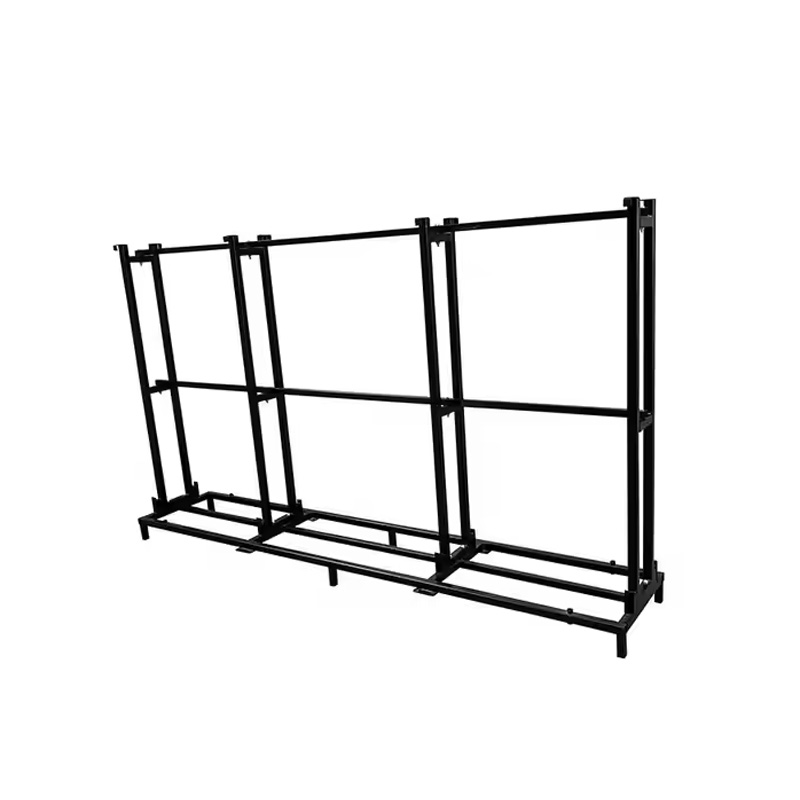


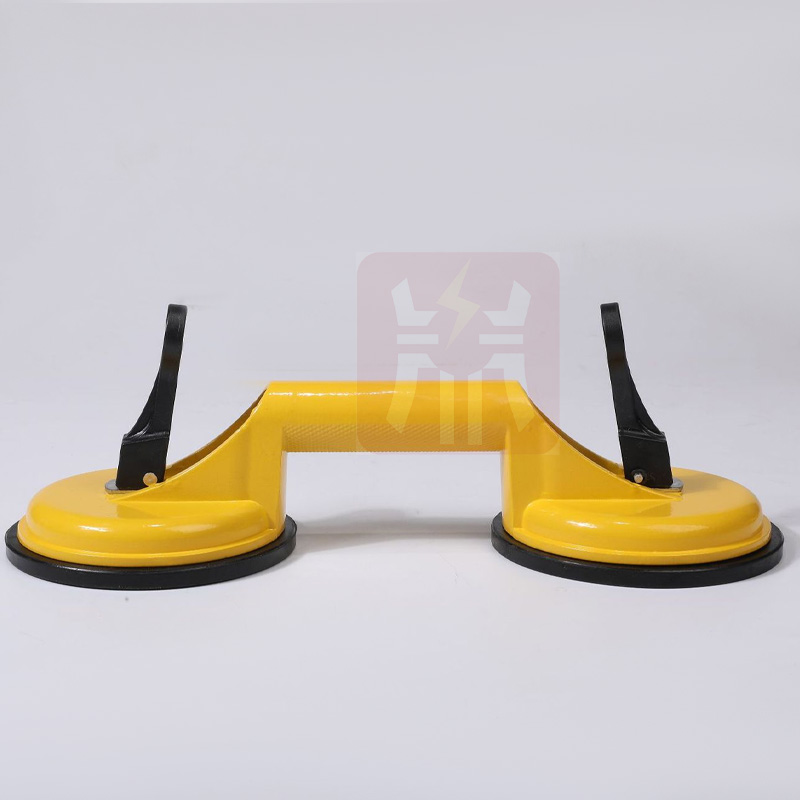
Tile Suction Cup for Large Format Porcelain & Stone
tile suction cup
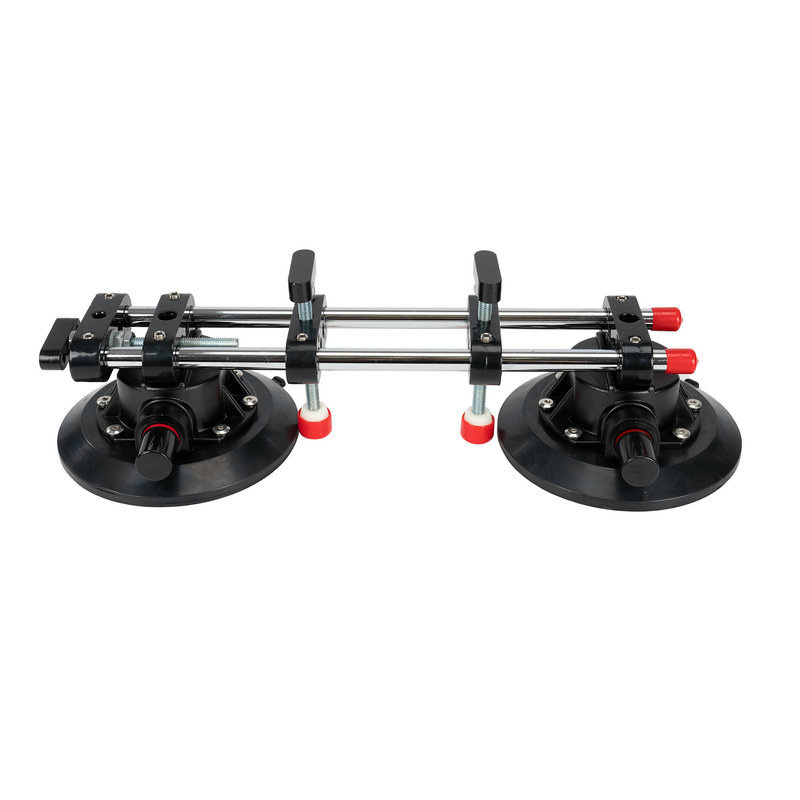
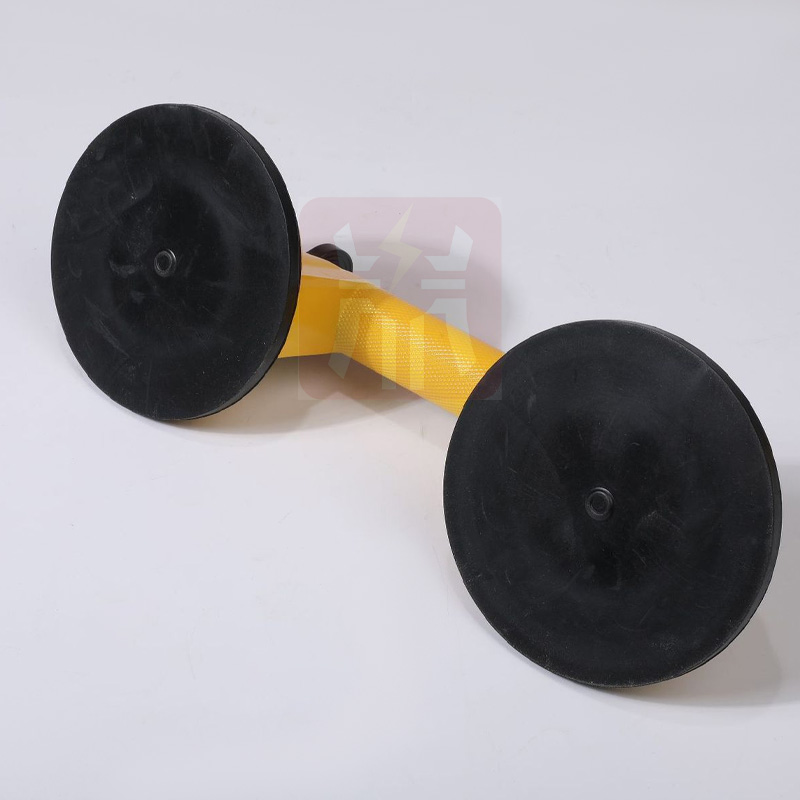
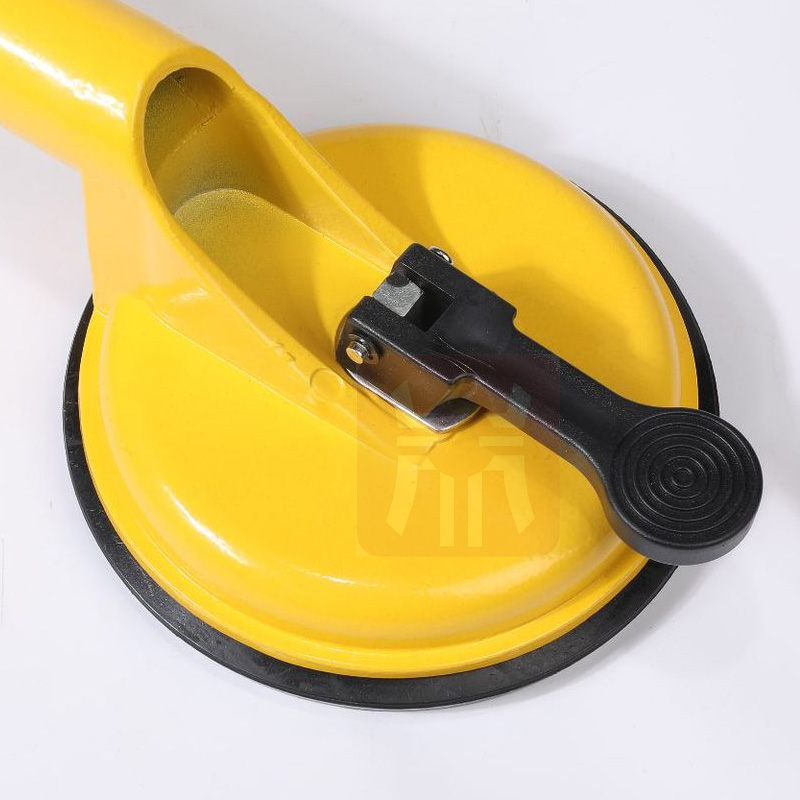
- Model : RS-014-1
- Disk diameter : 123mm
- Maximum safe suction force : 120kg
Product Description
Heavy Duty Tile Suction Cup for Large Format Porcelain, Ceramic & Stone
What Is a Tile Suction Cup?
 |
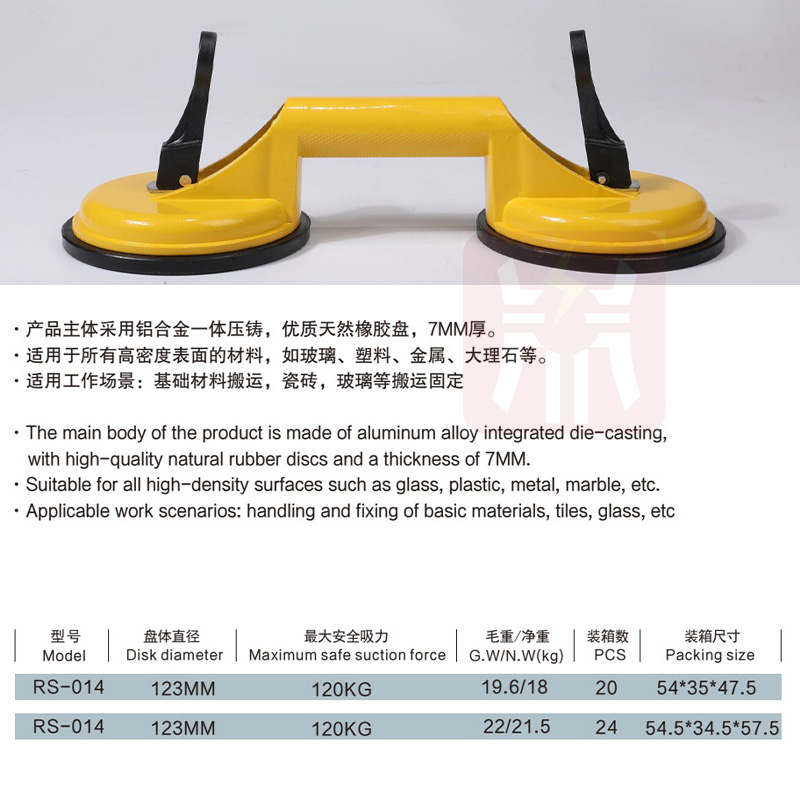 |
| Product information parameters | |
A tile suction cup is a professional handling tool that creates temporary vacuum attachment to the surface of a tile, slab, or panel.
Instead of gripping a large tile only from its edges, the installer can create a temporary handle directly on the face of the material.
This can make large panels easier to lift, rotate, carry, and position.
Typical compatible applications may include:
- Large format porcelain tile
- Ceramic tile
- Porcelain slabs
- Engineered stone panels
- Glass panels
- Polished stone
- Other sufficiently smooth compatible materials
A suction cup should be treated as a material-handling aid. It does not replace proper lifting procedures, suitable support, additional operators, or rated handling equipment where these are required.
Why Large Format Tile Needs Better Handling Tools
Large format tiles and thin porcelain panels are increasingly common in modern residential and commercial projects.
Their size makes them more difficult to grip and control than standard tiles, even when their weight is manageable.
Common handling problems include:
- Difficulty finding a secure hand grip
- Limited access to the tile edges
- Accidental slipping during movement
- Difficult final positioning
- Higher teamwork requirements
- Limited working space around walls or cabinets
- Possible edge or corner damage
A professional suction gripping system gives installers a more practical handling point and better control during movement and placement.
How Does a Tile Suction Cup Work?
A tile suction cup works by reducing the air pressure between the suction pad and a compatible surface.
When the pad forms a suitable seal, atmospheric pressure helps hold the tool against the material.
The exact vacuum method depends on the tool design.
Common configurations include:
- Lever-action suction cups
- Manual pump suction cups
- Electric suction cups
- Battery-powered vacuum lifters
- Multi-cup panel handling systems
The right configuration depends on the material size, weight, surface finish, lifting direction, frequency of use, and job-site requirements.
Different Types of Tile Suction Cups
Manual Lever Suction Cup
A lever-operated suction cup has a simple structure and does not require a battery.
The pad is placed on a compatible surface, and the lever is operated to create the seal.
Typical advantages include:
- Simple operation
- No battery required
- Quick attachment
- Portable design
- Useful for general tile handling
Actual suitability still depends on the material surface and the rated capacity of the specific tool.
Manual Pump Suction Cup
A pump-action suction cup uses a hand-operated vacuum pump.
Some professional models include a vacuum indicator or gauge so the operator can monitor the gripping condition during use.
This type can be practical for large format tile and panel handling.
Electric Tile Suction Cup
An electric tile suction cup uses powered vacuum generation instead of relying entirely on manual pumping.
Depending on the design, the powered system may help create and maintain vacuum during operation.
This can be useful for professional teams that handle large panels repeatedly throughout the working day.
Multi-Cup Handling System
Very large porcelain or stone panels may require several gripping points instead of one suction cup.
Multiple cups mounted on a suitable frame can distribute handling force across a larger area and provide additional control.
 |
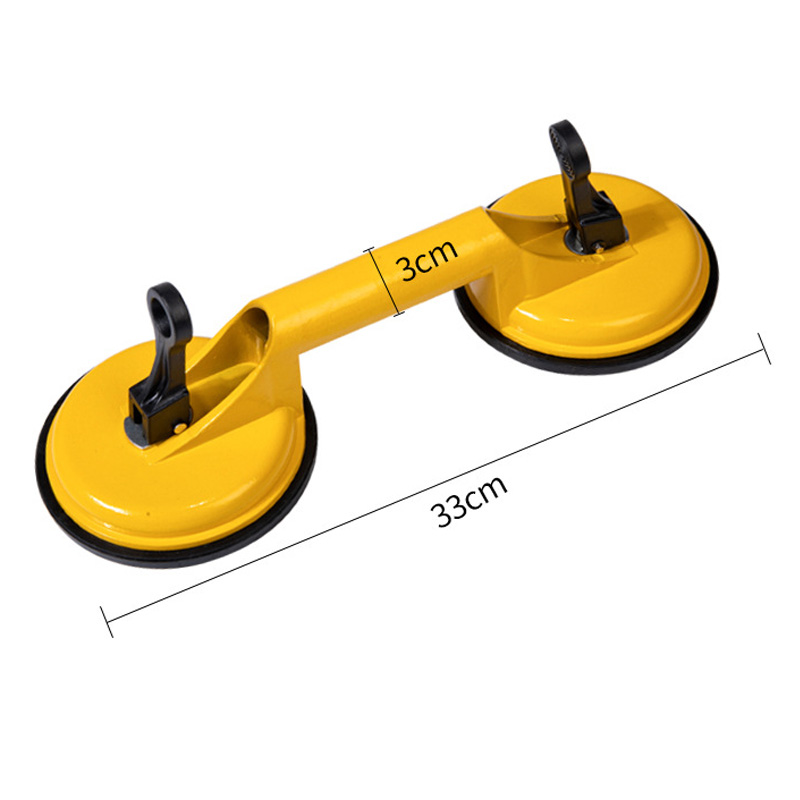 |
| Product size specification | |
Manual vs. Electric Tile Suction Cup
| Feature | Manual Tile Suction Cup | Electric Tile Suction Cup |
|---|---|---|
| Vacuum generation | Lever or hand pump | Powered vacuum system |
| Battery required | No | Usually yes |
| Operation | Generally simple | Depends on model |
| Frequent professional use | Suitable for many jobs | Convenient for repeated handling |
| Surface compatibility | Model dependent | Model dependent |
Tile Suction Cup for Large Format Porcelain
Large format porcelain is one of the main applications for professional suction handling tools.
Large panels offer fewer convenient gripping points than smaller tiles, especially when installers need to protect finished edges or adhesive areas.
A suitable suction cup creates a temporary handle directly on the panel face.
This can help during:
- Removing panels from packaging
- Moving material around the workshop
- Carrying panels to the installation area
- Rotating large tiles
- Positioning panels before bonding
- Making small placement corrections
Tile Suction Cup for Ceramic Tile
Ceramic tile can also be handled with suction equipment when the surface is compatible.
Surface finish is especially important.
A smooth glazed tile may provide different gripping conditions from:
- Textured ceramic
- Structured tile
- Anti-slip surfaces
- Deeply patterned tile
- Highly porous materials
Always confirm that the tool can create and maintain a suitable vacuum before relying on it for handling.
Tile Suction Cup for Porcelain Slabs
Porcelain slabs combine large dimensions with relatively thin profiles, which can make handling more demanding.
Depending on the slab size and weight, several suction cups or a dedicated handling frame may be more appropriate than a single gripping point.
Important factors include:
- Panel dimensions
- Panel weight
- Material thickness
- Surface finish
- Number of operators
- Required orientation
- Travel distance
- Installation environment
Always use the equipment within its specified working conditions and rated capacity.
Tile Suction Cup for Stone and Engineered Surfaces
Many tile contractors and fabrication shops also work with granite, quartz, engineered stone, and similar materials.
A compatible suction cup may be used on sufficiently smooth stone surfaces when the specific tool is intended for that application.
However, material handling and seam setting are two different operations.
Once stone sections are positioned and only precision joint adjustment remains, installers can use dedicated equipment such as Speedone’s Stone Seam Setter Tool for Granite and Quartz rather than using the lifting suction cup as a seam-setting device.
 |
 |
| Details presentation | |
Tile Suction Cup vs. Vacuum Seam Setter
Both tools may use vacuum suction, but they are designed for different stages of installation.
| Tool | Main Function | Typical Stage |
|---|---|---|
| Tile Suction Cup | Gripping, carrying and positioning | Material handling |
| Vacuum Seam Setter | Joint pulling and alignment | Precision seam installation |
| Seam Leveler | Relative height adjustment | Joint alignment and finishing preparation |
For granite and quartz countertops that are already positioned and only require seam adjustment, Speedone’s Vacuum Seam Setter for Granite and Quartz Countertops is designed specifically for joint adjustment rather than general panel lifting.
Tile Suction Cup vs. Seamless Seam Setter
A tile suction cup creates a temporary gripping point for lifting, carrying, or positioning material.
A seamless seam setter has a different purpose. It helps control the position of separate countertop sections so the final joint can be tighter and better aligned.
“Seamless” does not mean that the physical joint disappears. It describes the goal of creating a cleaner and less noticeable transition.
For granite and quartz countertop installations requiring this type of precision adjustment, Speedone’s Seamless Seam Setter for Granite and Quartz Countertops provides a related solution.
Heavy Duty Tile Suction Cup for Professional Installers
Professional installers may use suction tools repeatedly throughout the working day.
For this reason, purchasing decisions should consider more than product appearance or initial price.
Important factors include:
- Rated working capacity
- Vacuum generation method
- Suction pad design
- Handle ergonomics
- Vacuum monitoring
- Surface compatibility
- Replaceable pads and seals
- Tool durability
- Ease of release
Always follow the manufacturer’s rated working capacity and intended handling orientation.
Tile Suction Cup for Smooth vs. Textured Tile
Surface texture is one of the most important factors in vacuum gripping.
Smooth Tile
Smooth glazed and polished surfaces generally provide favorable conditions for many traditional suction cup designs.
Lightly Textured Tile
Some specialized vacuum systems may work on lightly textured surfaces, but compatibility should be confirmed for the specific material and tool.
Deeply Textured Tile
Deep surface texture can prevent an airtight seal. In this situation, equipment specifically designed for irregular or textured surfaces may be required.
Tile Suction Cup for Accurate Positioning
A suction cup is useful not only for carrying tile but also for final placement.
When a large panel is close to its final position, the suction handle gives the installer a practical point for making small corrections.
This can help when:
- Aligning large wall tiles
- Positioning porcelain slabs
- Lowering floor tile onto adhesive
- Adjusting material near corners
- Aligning neighboring panels
- Removing or repositioning tile before adhesive cures
The suction cup should still be treated as a handling tool rather than a replacement for normal tile leveling, spacing, and bonding procedures.
Tile Suction Cup vs. Heavy Duty Seam Setter Tool
Professional fabrication shops may need both material-handling tools and seam-setting equipment.
The tile suction cup is normally used earlier in the workflow for lifting and positioning.
After granite or quartz countertop sections are placed near their final positions, precision seam-setting equipment can take over.
Speedone’s Heavy Duty Seam Setter Tool for Granite and Quartz Countertops is designed for fine joint closing, alignment, and leveling rather than general panel transport.
Tile Suction Cup for Worktop Installation
Worktop installers may also use suction equipment when handling compatible stone, engineered surfaces, or glass components.
However, material movement and seam adjustment should be treated as separate operations.
After the worktop sections have been positioned, Speedone’s Worktop Seam Setter for Granite and Quartz Countertops can provide more appropriate control during final joint adjustment.
Tile Suction Cup vs. Granite Seam Puller
A granite seam puller performs a different job from a tile suction cup.
The suction cup creates a gripping point for lifting or positioning material.
A seam puller uses gripping points as part of a mechanism that draws two countertop sections together.
For granite projects that require controlled joint closing, Speedone’s Seam Puller for Granite Countertops and Joint Leveling provides a specialized solution for the seam-setting stage.
How to Use a Tile Suction Cup
Check the Material
Make sure the surface is compatible with the suction cup and suitable for the intended handling operation.
Inspect the Suction Pad
Check the rubber pad, seal, pump, handle, and other working parts for wear or damage.
Clean the Surface
Remove dust, water, oil, adhesive residue, and other contamination from the gripping area.
Position the Cup
Place the suction pad on a suitable area of the material.
Create the Vacuum
Operate the lever, hand pump, or powered vacuum system according to the manufacturer’s instructions.
Confirm the Grip
Before lifting or moving the material, make sure the cup has established a stable attachment.
Lift or Position Gradually
Avoid sudden movement and keep the material controlled throughout the handling process.
Monitor the Vacuum
If the tool includes a gauge or vacuum indicator, monitor it during use.
Support the Material
Make sure the tile or panel is safely supported before releasing the suction cup.
Release the Cup
Use the intended release mechanism rather than pulling the rubber pad away by force.
How to Choose the Right Tile Suction Cup
Tile Size
A small ceramic tile and a large porcelain slab require different handling methods.
Material Weight
Always compare the actual material weight with the manufacturer’s rated working capacity.
Surface Finish
Determine whether the material is smooth, polished, matte, textured, or porous.
Manual or Electric Vacuum
Consider how often the tool will be used and whether powered vacuum generation is useful for the intended workflow.
Vacuum Monitoring
A visible indicator or gauge can help operators monitor vacuum condition on suitable professional models.
Handle Design
A practical handle should provide comfortable control without interfering with the surrounding material or installation area.
Replaceable Components
Suction pads and seals are wear parts. Easy access to replacements can extend the working life of the tool.
Single Cup or Multi-Cup System
Very large panels may require multiple gripping points or a dedicated handling frame instead of a single suction cup.
Common Tile Suction Cup Problems
The Suction Cup Will Not Attach
Check the surface texture, contamination, pad condition, vacuum mechanism, and material compatibility.
The Cup Slowly Loses Vacuum
Stop the handling operation and inspect the surface, seal, and suction components before continuing.
The Tile Is Too Large for One Cup
Do not assume that one suction cup is enough for every panel. Use the correct number and type of rated handling devices for the material.
The Surface Is Textured
A traditional suction cup may not maintain a stable seal. Equipment designed for textured surfaces may be required.
The Tile Rotates During Handling
Check the gripping position, number of suction points, material dimensions, and handling method.
The Cup Leaves Marks
Inspect and clean the suction pad and material surface. Test sensitive finished materials before full use.
Safety Tips for Using Tile Suction Cups
A tile suction cup should always be treated as professional material-handling equipment.
- Inspect the tool before use
- Follow the manufacturer’s rated capacity
- Confirm surface compatibility
- Test the vacuum before lifting
- Keep the gripping area clean
- Avoid sudden impacts or jerking
- Use additional operators when required
- Do not work beneath suspended material
- Do not use damaged suction pads
- Use suitable personal protective equipment
For oversized or particularly heavy panels, use an appropriately rated multi-point handling system rather than relying on one suction cup.
Who Uses Tile Suction Cups?
- Professional tile installers
- Large format tile contractors
- Porcelain slab installers
- Stone fabrication workshops
- Kitchen and bathroom contractors
- Glass installers
- Commercial fit-out companies
- Tile tool distributors
- Construction equipment suppliers
Why Choose Speedone?
Speedone develops professional equipment for stone, tile, glass, porcelain, and countertop handling applications.
A tile suction cup works best as part of a complete material-handling process rather than as a universal lifting solution.
A practical workflow is:
Inspect → Clean → Grip → Verify → Lift → Carry → Position → Support → Release
For fabrication shops that also install granite and quartz countertops, material handling can later be followed by dedicated seam-setting equipment for final joint adjustment.
- Large format tile handling solutions
- Porcelain slab handling equipment
- Stone fabrication tools
- Vacuum gripping applications
- Countertop installation equipment
- Professional construction tools
- OEM and ODM support
- Solutions for international distributors
Frequently Asked Questions
What is a tile suction cup?
A tile suction cup is a vacuum gripping tool that creates a temporary attachment point on compatible tile, porcelain, glass, stone, or similar panel surfaces for handling and positioning.
Can a tile suction cup be used for large format tile?
Yes. Suitable suction cups are commonly used for large format tile. The correct number of gripping points and handling method depend on the tile dimensions, weight, surface condition, and rated capacity of the equipment.
Can a tile suction cup be used on porcelain tile?
Many suction cups can be used on compatible porcelain surfaces. Surface smoothness, texture, contamination, and tool design all affect vacuum performance.
What is the difference between a manual and electric tile suction cup?
A manual suction cup uses a lever or hand pump to create vacuum, while an electric version uses a powered vacuum system. The better choice depends on the material, frequency of use, and working conditions.
Can a tile suction cup work on textured tile?
Some specialized suction systems may work on certain textured surfaces, but highly textured tile can make it difficult to maintain a reliable seal. Compatibility should be confirmed before handling.
Can a tile suction cup be used for granite?
Suitable models may be used on compatible smooth granite surfaces. Always check the material compatibility, rated capacity, surface condition, and intended use of the specific tool.
Is a tile suction cup the same as a seam setter?
No. A tile suction cup is mainly a gripping and handling tool, while a seam setter is designed to control the position of two countertop sections during joint closing, alignment, and leveling.
What should I look for when buying a tile suction cup?
Important factors include rated capacity, surface compatibility, vacuum generation method, suction pad condition, vacuum monitoring, handle design, replaceable components, and whether a single-cup or multi-cup system is appropriate.