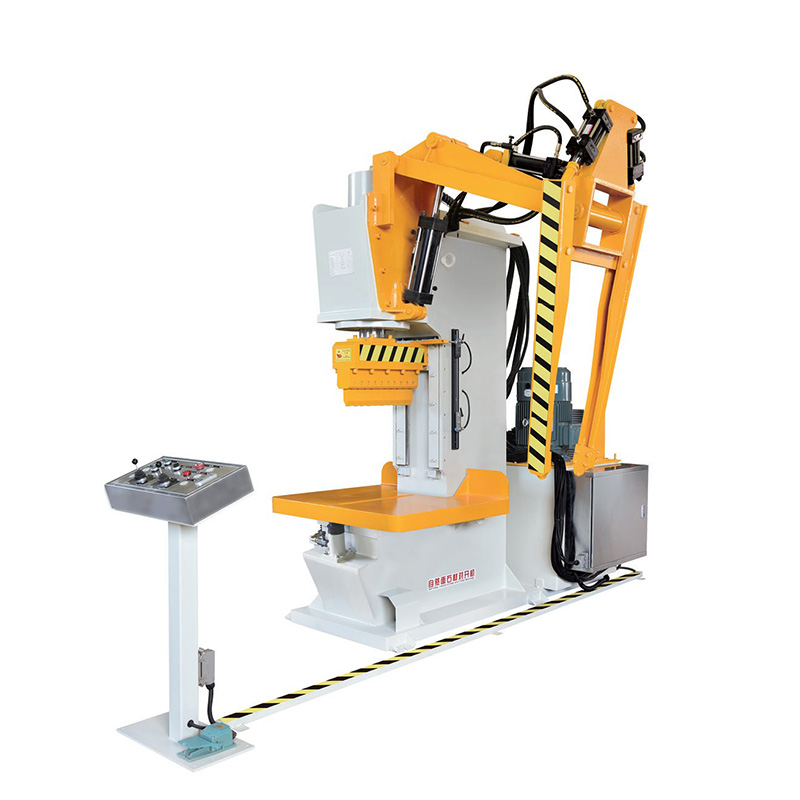
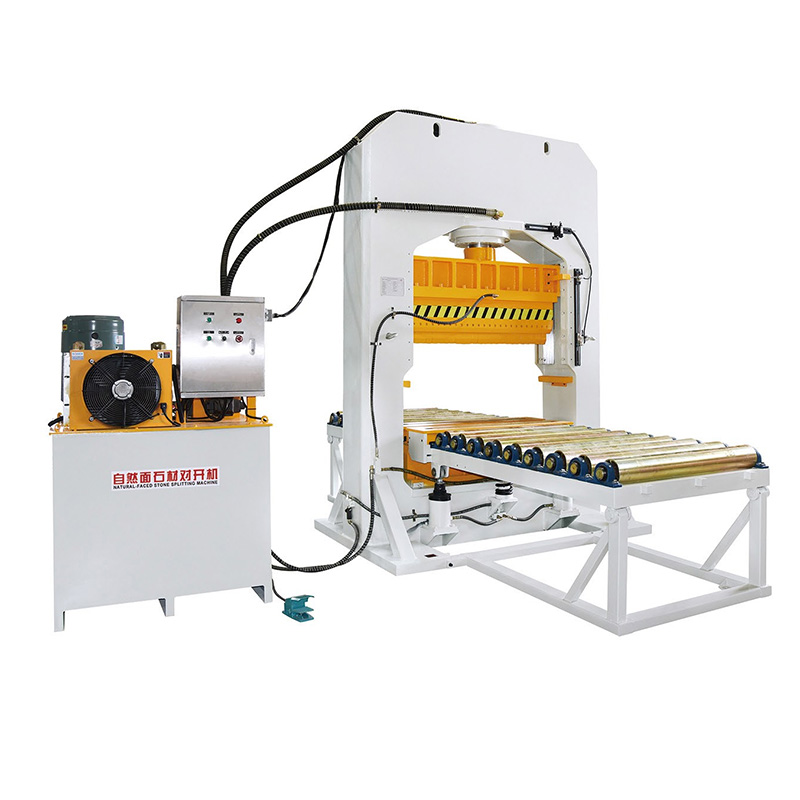
Hydraulic Stone Splitter Manufacturer | Speedone
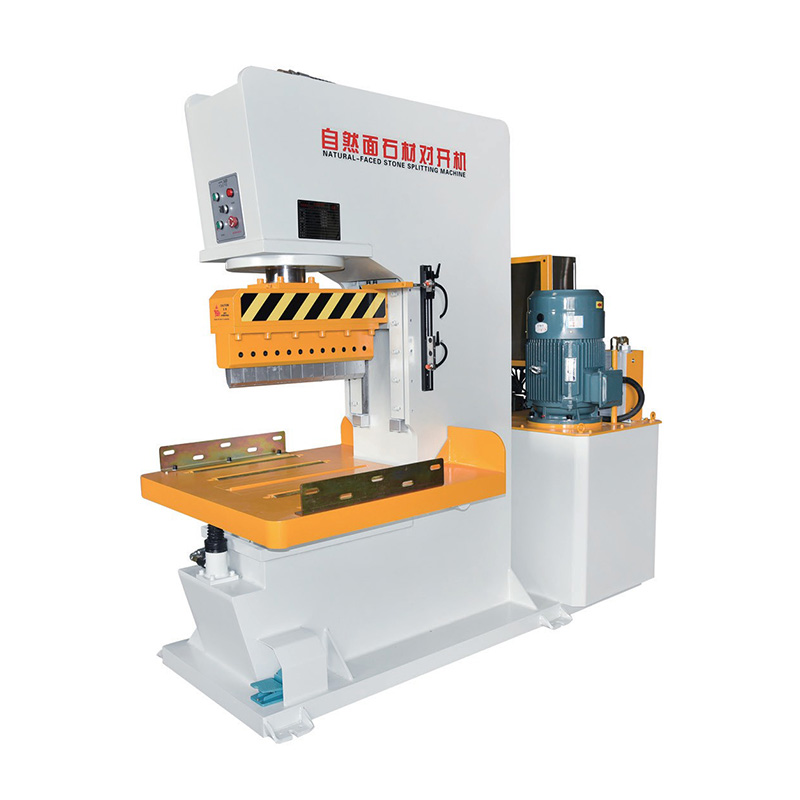
- Weight : 2.5T
- Pressure : 180T
- Power : 18.5KW
Product Description
Hydraulic Stone Splitter for Granite, Marble & Paving Stone
What Is a Hydraulic Stone Splitter?
|
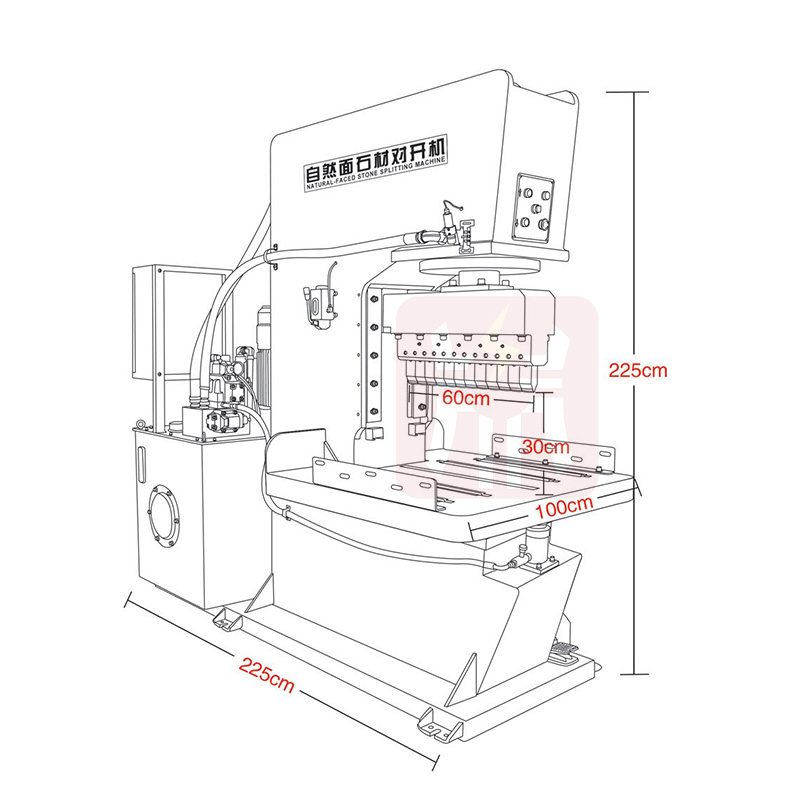 |
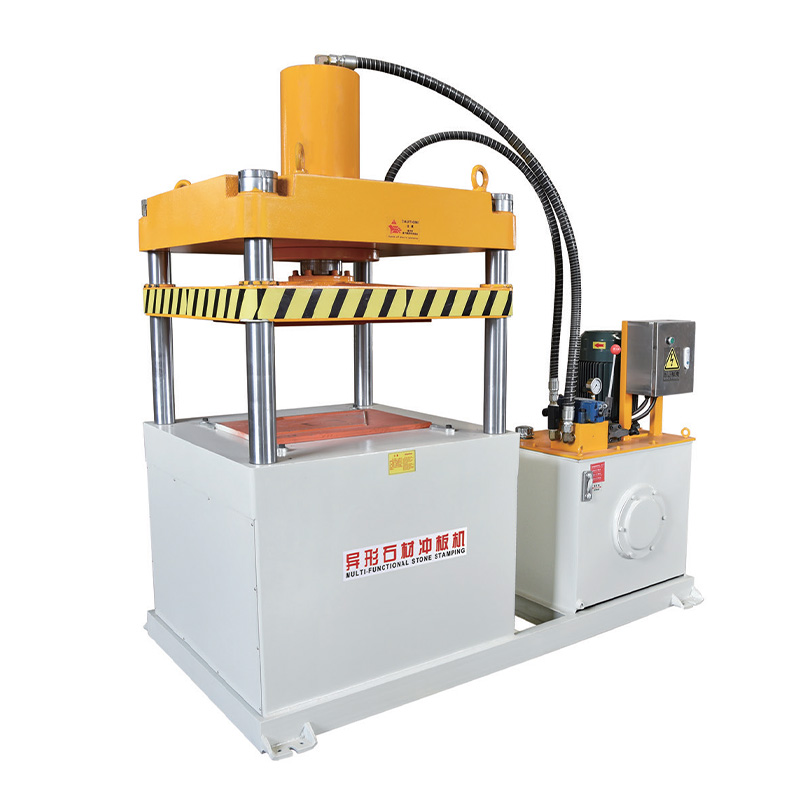
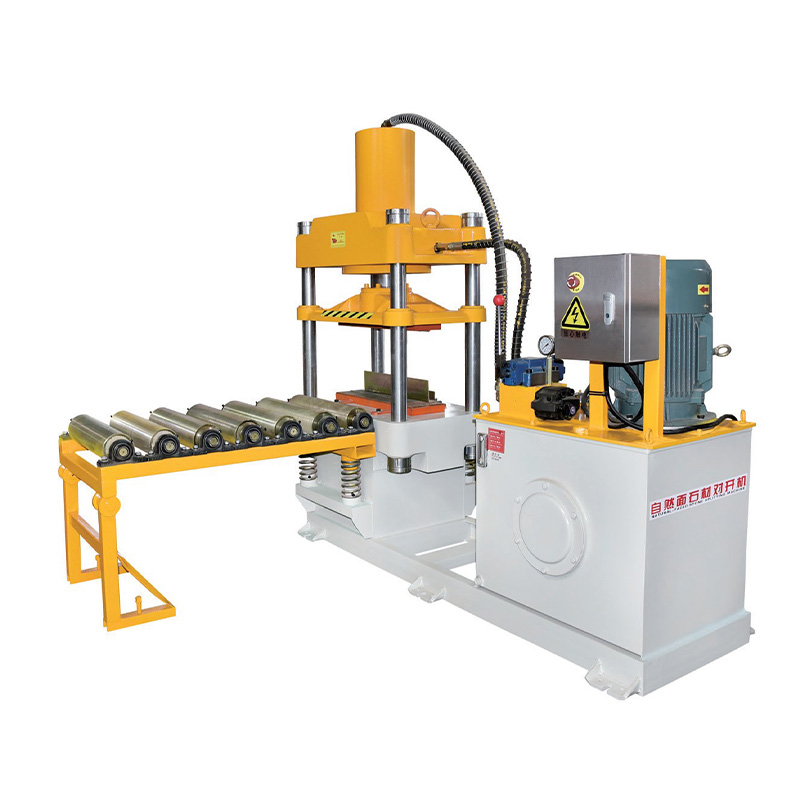
| Product display and size indication | |
A hydraulic stone splitter is industrial stone-processing equipment that uses hydraulic pressure to divide natural stone along a controlled splitting area.
Unlike a diamond saw, which cuts through stone with a blade, a hydraulic splitter applies concentrated force until the material separates.
The result is normally a natural fractured surface rather than a smooth sawn finish.
This makes hydraulic stone splitters suitable for producing:
- Building stone
- Paving stone
- Cobblestones
- Wall stone
- Landscape stone
- Curbstones
- Split-face veneer
- Masonry stone
- Garden stone
- Architectural stone
- Natural-face products
- Smaller products from suitable stone offcuts
Hydraulic stone splitters are available in different sizes and configurations. A machine used for small paving pieces can be very different from one designed for large building blocks.
Why Use a Hydraulic Stone Splitter?
Natural stone can require substantial force to split.
Manual wedges, hammers and chisels can still be useful for small jobs, but industrial production normally needs a more controlled and repeatable method.
A hydraulic splitter applies force progressively through a hydraulic cylinder.
For professional stone factories, this can provide several practical advantages.
Controlled Splitting Force
Hydraulic pressure can be applied gradually rather than through repeated impact.
Suitable for Industrial Production
The machine can support repeated production of paving, building stone and other natural split products.
Handles Different Stone Sizes
Different machine configurations can be selected for smaller pieces, medium building stone or larger blocks.
Natural Split-Face Production
The machine exposes the natural internal structure of the stone, creating a rough and textured finish.
Can Be Integrated into a Production Line
Suitable models can work with roller tables, conveyors, manipulators and other material-handling equipment.
Hydraulic force is important, but it is only one part of the machine. Frame strength, tooling, working dimensions and material flow also affect real productivity.
Hydraulic Stone Splitter vs. Hydraulic Stone Splitting Machine
These two terms often describe closely related equipment, but the buyer intent is slightly different.
| Search Term | Typical Buyer Intent |
|---|---|
| Hydraulic Stone Splitter | Direct product or quotation search |
| Hydraulic Stone Splitter Manufacturer | Supplier sourcing |
| Hydraulic Stone Splitting Machine | More technical machine research |
| Granite Stone Splitter | Granite-specific equipment |
| Paving Stone Splitter | Paver and cobblestone production |
| Hydraulic Block Splitter | Larger stone block processing |
For buyers who want more detail about hydraulic systems, machine structure and production-line integration, Speedone’s hydraulic stone splitting machine manufacturer page provides a more technical overview.
This page focuses more directly on selecting and purchasing a hydraulic stone splitter for specific stone products.
How Does a Hydraulic Stone Splitter Work?
A typical splitting process can be summarized as:
Load → Position → Align → Apply Hydraulic Force → Split → Release → Remove → Inspect
The stone is first placed inside the machine’s working area.
The intended fracture line is then aligned with the splitting tools.
The hydraulic system supplies pressure to the cylinder, which drives the splitting head toward the stone.
As the tools contact the material, force becomes concentrated into a relatively narrow area.
The stone separates when the applied stress becomes greater than the material can resist.
The final result can be affected by:
- Stone type
- Grain structure
- Natural cleavage
- Veins
- Existing cracks
- Stone width
- Stone thickness
- Tool geometry
- Hydraulic force
- Tool alignment
- Material positioning
The machine controls the hydraulic force, but the stone’s natural structure still influences how the fracture develops.
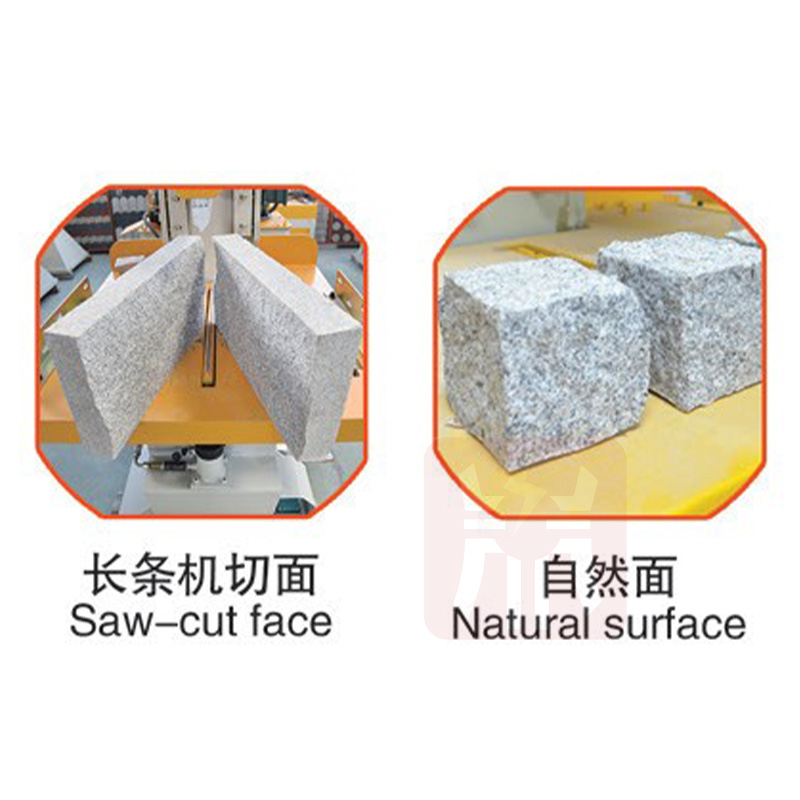 |
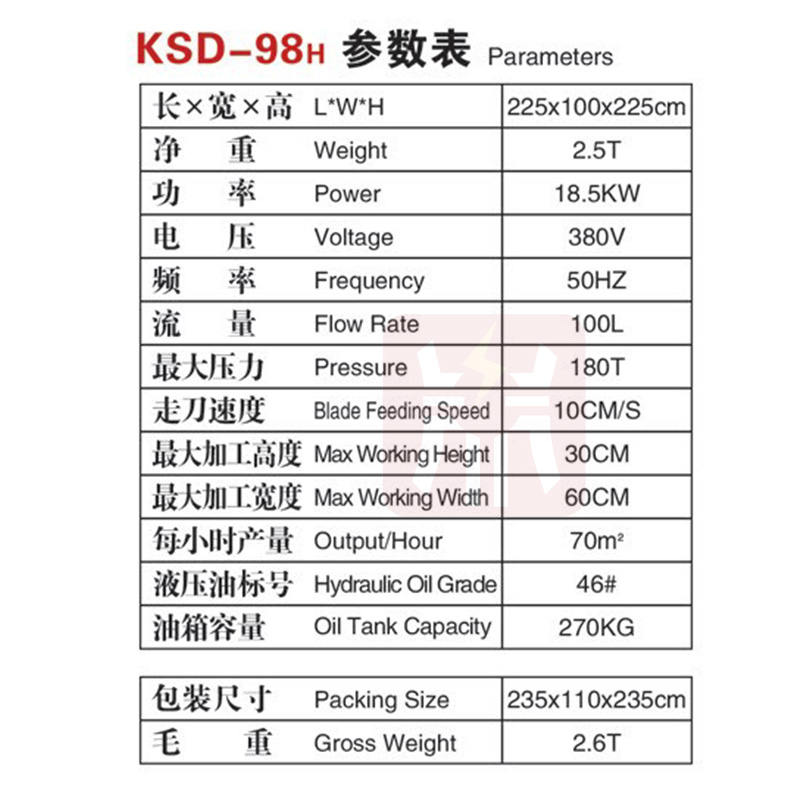 |
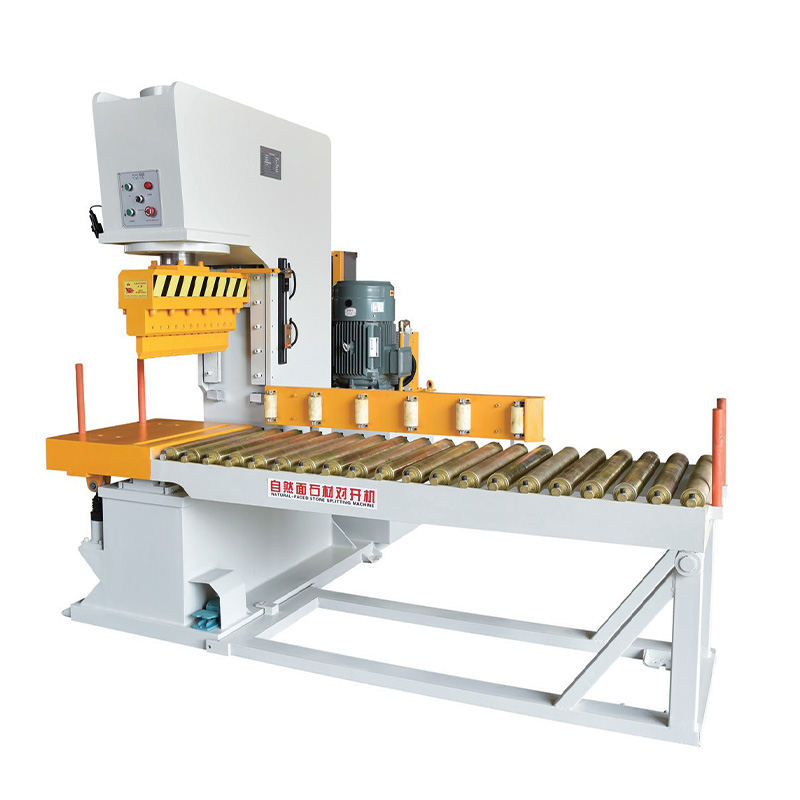
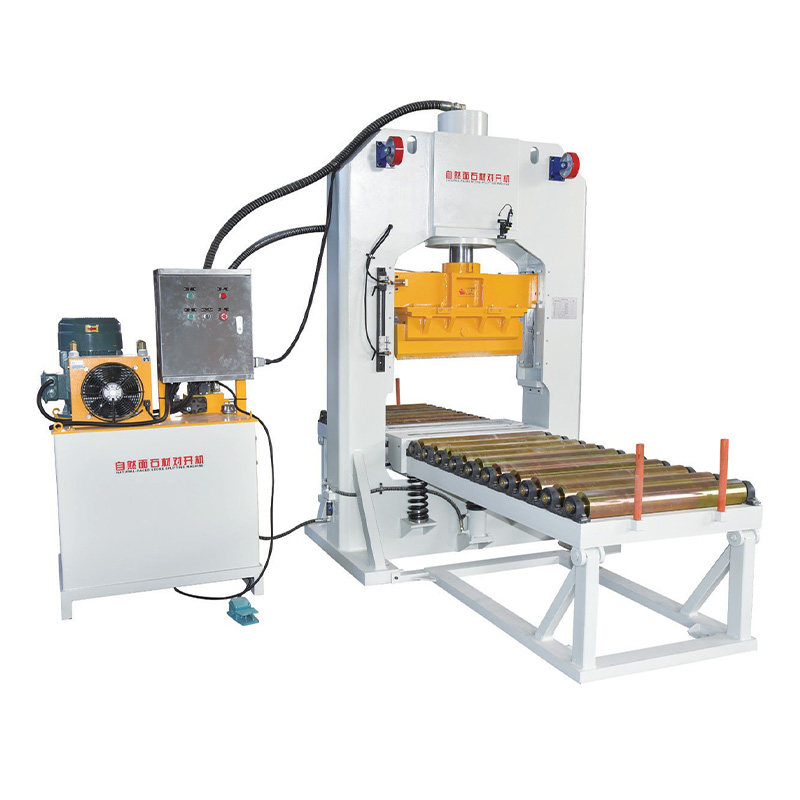
| Product finished product display and parameter information | |
Main Components of a Hydraulic Stone Splitter
Heavy-Duty Frame
The frame carries the forces generated during splitting.
A rigid structure helps maintain alignment between the hydraulic cylinder, splitting tools and stone.
Hydraulic Cylinder
The hydraulic cylinder converts fluid pressure into mechanical movement and drives the splitting head.
Hydraulic Pump
The pump circulates hydraulic oil and generates the pressure required for operation.
Hydraulic Oil Tank
The reservoir stores the hydraulic fluid used by the machine.
Pressure Controls
Pressure regulation helps keep the machine within its approved operating range.
Higher pressure does not automatically produce better splitting results.
Splitting Tools
Depending on the machine design, splitting tools may include blades, chisels, knives or splitting teeth.
Working Table
The working table supports the stone and provides a stable positioning area during processing.
Control System
The machine controls allow the operator to manage the splitting cycle.
Hydraulic Stone Splitter for Granite
Granite is one of the main applications for hydraulic stone splitters.
Typical granite products include:
- Granite pavers
- Cobblestones
- Wall stone
- Landscape blocks
- Curbstones
- Building stone
- Architectural pieces
Granite is dense and can require significant splitting force.
However, not all granite behaves in the same way.
Grain structure, natural cracks, thickness and stone dimensions can all affect the fracture.
A practical machine-selection sequence is:
Granite Type → Width → Thickness → Finished Product → Required Output
Hydraulic Stone Splitter for Marble
Suitable hydraulic splitters can also process marble.
Marble often contains natural veins that can influence the fracture path, so material orientation becomes especially important.
Possible marble applications include:
- Split-face marble
- Decorative wall stone
- Landscape pieces
- Architectural cladding
- Rustic marble products
- Small paving pieces
If a factory also needs decorative mould pressing, Speedone’s marble splitting machine for split face and stamping focuses on combining natural splitting with decorative pressing.
A standard hydraulic stone splitter is mainly designed for controlled natural fracture.
Hydraulic Stone Splitter for Building Stone
Building stone is one of the strongest applications for hydraulic splitting.
The rough surface created by natural fracture can be used directly in many architectural and landscape projects.
Typical products include:
- Retaining-wall stone
- Masonry blocks
- Garden wall stone
- Rustic facade stone
- Natural veneer
- Landscape blocks
- Architectural cladding
The required machine depends strongly on finished-product size.
Thin veneer and thick retaining-wall blocks can require very different working openings and hydraulic capacities.
Hydraulic Stone Splitter for Paving Stone
Paving stone production is another important application.
The raw stone is often sawn into strips or rectangular blanks before splitting.
A typical workflow is:
Raw Stone → Sawing → Stone Strip → Hydraulic Splitting → Inspection → Sorting → Packing
Finished products may include:
- Granite paving cubes
- Cobblestones
- Garden paving
- Courtyard stone
- Plaza pavers
- Landscape paving
For higher-volume factories, conveyors and roller tables can help improve material flow.
Hydraulic Stone Splitter for Cobblestones
Cobblestone production usually involves repeated splitting of smaller pieces.
This means the best machine is not necessarily the largest machine available.
A cobblestone factory may place more importance on:
- Fast feeding
- Easy positioning
- Convenient tool access
- Consistent splitting
- Efficient discharge
- Organized sorting
Machine size should match the normal workpiece rather than an occasional oversized piece.
Hydraulic Stone Splitter for Wall Stone
Wall stone often requires a natural texture rather than a smooth sawn finish.
This makes hydraulic splitting especially suitable.
Typical applications include:
- Retaining walls
- Residential landscaping
- Garden walls
- Building facades
- Rustic masonry
- Decorative wall cladding
The stone may be split from rough material or prepared from pre-sawn blocks depending on the required dimensions.
Hydraulic Stone Splitter for Limestone and Sandstone
Limestone and sandstone can also be processed with suitable hydraulic splitting equipment.
Limestone
Limestone can be used for:
- Wall stone
- Pavers
- Masonry stone
- Landscape pieces
- Stone veneer
- Architectural products
Because limestone varies in density and strength, machine selection should be based on representative material.
Sandstone
Sandstone often contains bedding layers that influence the fracture direction.
Operators should consider:
- Bedding direction
- Stone thickness
- Finished dimensions
- Desired split face
- Existing cracks
Correct orientation can make the splitting result more predictable.
Hydraulic Stone Splitter for Natural Split Face
Natural split-face production is one of the main reasons buyers choose hydraulic splitting rather than only using saws.
A saw produces a relatively flat surface.
A splitter exposes the internal structure of the stone.
The resulting texture can be used for:
- Wall cladding
- Landscape products
- Rustic architecture
- Decorative masonry
- Garden walls
- Exterior facades
- Cultural stone
Natural variation between individual pieces is often part of the desired appearance.
Hydraulic Stone Splitter vs. Standard Stone Splitter
| Feature | Hydraulic Stone Splitter | General Stone Splitter |
|---|---|---|
| Power System | Hydraulic | Manual, hydraulic or mechanical |
| Industrial Use | Strong application | Model dependent |
| Heavy Stone Capability | Available on suitable models | Varies |
| Pressure Control | Hydraulic | Depends on design |
| Production-Line Integration | Possible | Model dependent |
For a broader overview of finished-product applications, Speedone’s stone splitter for granite and building stone provides additional guidance.
Hydraulic Stone Splitter vs. Stone Splitting Machine
The broader stone splitting machine for granite and marble page covers the general equipment category.
The difference can be summarized simply:
Stone Splitting Machine: broader equipment category.
Hydraulic Stone Splitter: hydraulic-powered splitting equipment with stronger direct purchasing intent.
Hydraulic Stone Splitter vs. Stone Stamping Machine
Both machines can use hydraulic force, but they create different finished products.
| Feature | Hydraulic Stone Splitter | Stone Stamping Machine |
|---|---|---|
| Main Process | Natural fracture | Mould pressing |
| Main Tool | Blade or chisel | Mould or die |
| Natural Split Face | Main application | Secondary |
| Decorative Pattern | Limited | Strong application |
| Paving Production | Split paving products | Moulded decorative products |
For mould-based decorative processing, Speedone’s stone stamping machine for granite and marble focuses on interchangeable moulds and decorative paving products.
Hydraulic Stone Splitter vs. Diamond Saw
| Feature | Hydraulic Stone Splitter | Diamond Saw |
|---|---|---|
| Processing Method | Fracture | Cutting |
| Surface | Natural split | Smooth sawn |
| Saw Kerf | No conventional saw kerf | Yes |
| Precision | Lower | Higher |
| Rustic Finish | Excellent | Usually requires additional processing |
| Building Stone | Strong application | Often used for preparation |
Many stone factories use both machines.
The saw controls dimensions, while the hydraulic splitter creates the final natural face.
Hydraulic Stone Splitter vs. Hydraulic Rock Splitter
These products are often confused because the names are similar.
| Equipment | Working Method | Typical Application |
|---|---|---|
| Hydraulic Stone Splitter | Stone positioned between splitting tools | Factory stone production |
| Hydraulic Rock Splitter | Expanding wedge inserted into drilled holes | Quarrying, excavation or demolition |
If the goal is to manufacture paving stone, wall stone or building stone in a factory, a stationary hydraulic stone splitter is normally the relevant equipment.
How Much Force Does a Hydraulic Stone Splitter Need?
There is no single correct force rating for every factory.
Required hydraulic force depends on:
- Stone type
- Workpiece width
- Workpiece thickness
- Stone strength
- Natural cleavage
- Tool geometry
- Finished product
The correct selection process is:
Stone Type → Workpiece Size → Finished Product → Required Force → Machine Configuration
Choosing the machine with the highest available tonnage can increase equipment cost without improving daily production.
Maximum Splitting Width and Height
Working dimensions are just as important as hydraulic force.
Maximum Width
The machine must accommodate the widest normal workpiece.
Maximum Height
The working opening must also accommodate the thickest stone.
Minimum Product Size
This is particularly important for paving-stone and cobblestone production.
Typical Workpiece Size
The splitter should be selected around normal daily production rather than a rare oversized piece.
Why Splitting Tools Matter
Hydraulic force must be transferred efficiently into the stone.
This is the job of the splitting tools.
Depending on the machine, tooling may include:
- Splitting blades
- Chisels
- Knives
- Splitting teeth
- Upper and lower tool assemblies
Tool geometry affects the contact area and how force enters the stone.
Worn or damaged tools can increase unwanted chipping and reduce split quality.
Standalone Hydraulic Stone Splitter vs. Production Line
| Feature | Standalone Splitter | Splitting Production Line |
|---|---|---|
| Investment | Lower | Higher |
| Feeding | More manual | More integrated |
| Factory Space | Lower requirement | Higher requirement |
| Flexibility | Higher | More product-specific |
| Production Potential | Moderate to high | Higher-volume potential |
| Conveyors | Optional | Common |
Production-line options may include:
- Infeed conveyors
- Roller tables
- Stone manipulators
- Discharge conveyors
- Sorting stations
Why Material Handling Matters
The hydraulic cycle is only one part of production.
The complete workflow is:
Load → Position → Split → Remove → Sort → Repeat
If workers spend most of their time moving stone, increasing hydraulic speed alone may not significantly increase output.
Useful material-handling options may include:
- Roller tables
- Powered conveyors
- Stone manipulators
- Forklifts
- Organized stone staging
- Finished-product sorting areas
The best splitter is one that fits the complete factory workflow.
Hydraulic Stone Splitter for Stone Offcuts
Stone factories often generate leftover pieces during slab cutting and countertop fabrication.
Some suitable offcuts may still be large enough for secondary products.
A hydraulic stone splitter can potentially convert them into:
- Small wall stone
- Paving pieces
- Landscape stone
- Natural-face products
- Decorative building stone
The material should still be inspected before processing.
Cracked or structurally unsuitable pieces should not be processed simply because they physically fit the machine.
Splitting vs. Stamping Stone Offcuts
The required finished product determines which machine is more suitable.
If the goal is a naturally fractured product, hydraulic splitting is usually the relevant process.
If the goal is a mould-defined decorative shape, a stamping machine may be more appropriate.
Factories producing several secondary products may therefore use both processes.
Hydraulic Stone Splitter in Countertop Factories
A countertop factory normally uses saws, CNC machines and polishing equipment as its main production tools.
However, suitable offcuts can sometimes enter a secondary stone-processing workflow.
For example:
Slab → Countertop Fabrication → Offcut Selection → Hydraulic Splitting → Secondary Stone Product
At the final installation stage, different tools are required.
Speedone’s Stone Pro seam setter for granite and quartz countertops is designed for seam positioning rather than factory stone splitting.
How to Operate a Hydraulic Stone Splitter
1. Inspect the Stone
Check for obvious cracks, loose fragments and structural defects.
2. Confirm Machine Capacity
Make sure the stone dimensions and material are within the approved machine range.
3. Inspect the Hydraulic System
Check for leaks, damaged hoses and loose connections.
4. Inspect the Splitting Tools
Check alignment, wear and visible damage.
5. Load the Stone
Use suitable material-handling equipment where manual loading is not appropriate.
6. Align the Split
Position the intended fracture area beneath the splitting tools.
7. Clear the Working Zone
Keep hands and personnel away from the splitting area.
8. Start the Hydraulic Cycle
Operate the machine using the approved controls.
9. Allow the Split to Complete
Do not move or reposition the stone while the machine remains under load.
10. Release Pressure
Wait until the machine reaches its safe unloading position.
11. Remove the Stone
Use suitable handling practices when removing finished pieces.
12. Inspect the Product
Check dimensions, fracture quality and finished appearance.
How to Choose the Right Hydraulic Stone Splitter
Stone Type
Start with the actual materials processed in your factory.
Maximum Workpiece Width
Make sure the machine can accommodate the widest production piece.
Maximum Stone Height
Thickness affects both working clearance and required force.
Required Splitting Force
Match the hydraulic capacity to actual stone dimensions and material characteristics.
Finished Product
Building stone, paving products and large blocks can require different configurations.
Splitting Tool Design
The tooling should suit the intended material and finished product.
Hydraulic System
Compare the pump, cylinder, controls and maintenance accessibility.
Machine Frame
The frame should match the intended working force and stone size.
Loading Method
Determine whether material will be loaded manually, by conveyor or with additional handling equipment.
Production Volume
Estimate the required output per hour or per shift.
Spare Parts
Ask about splitting tools, hydraulic components and common wear parts.
Manufacturer Support
Technical documentation, replacement parts and supplier communication are important when buying industrial equipment.
Questions to Ask a Hydraulic Stone Splitter Manufacturer
Before requesting a quotation, prepare the following information:
- What stone materials do you process?
- What is the maximum stone width?
- What is the maximum stone height?
- What is the typical workpiece weight?
- What finished products do you manufacture?
- Do you require natural split faces?
- What production output is required?
- Is the input stone rough or pre-sawn?
- How will the material be loaded?
- Do you need roller tables or conveyors?
- Do you need a standalone machine or complete line?
- What electrical supply is available?
- How much factory space is available?
These details are more useful than requesting a machine based only on hydraulic tonnage.
Common Hydraulic Stone Splitter Problems
Stone Splits in the Wrong Direction
Natural cracks, grain structure or incorrect orientation can redirect the fracture.
Excessive Chipping
Inspect splitting-tool condition and stone positioning.
The Machine Requires Excessive Pressure
Confirm that the material is within the approved machine range. Do not exceed the specified hydraulic settings.
Hydraulic Oil Temperature Becomes Too High
Stop operation and investigate according to the manufacturer’s maintenance instructions.
Splitting Tools Wear Unevenly
Check tool alignment and contact with the stone.
Production Output Is Too Low
Measure the complete workflow. Loading and unloading may be the real bottlenecks.
Large Stones Are Difficult to Position
Consider roller tables, conveyors or stone manipulators.
Hydraulic Stone Splitter Maintenance
Routine inspection should include:
- Hydraulic oil
- Hydraulic pump
- Hydraulic cylinder
- Hoses and fittings
- Control valves
- Pressure controls
- Splitting tools
- Tool guides
- Working table
- Machine frame
- Electrical components
- Conveyors
- Safety systems
- Emergency controls
Hydraulic leaks should be repaired promptly.
Damaged hoses should not remain in service.
Splitting tools should be inspected regularly for wear and damage.
Hydraulic Stone Splitter Safety Tips
- Only trained personnel should operate the machine.
- Inspect the splitter before production.
- Keep hands away from the splitting area.
- Do not bypass machine guards.
- Inspect hydraulic hoses and fittings regularly.
- Use suitable equipment for heavy stone handling.
- Wear appropriate personal protective equipment.
- Keep unauthorized personnel away from the hazard zone.
- Follow lockout procedures during maintenance.
- Do not exceed approved workpiece dimensions.
- Do not exceed approved hydraulic pressure.
- Do not use damaged splitting tools.
- Keep the working area clean and organized.
Who Uses Hydraulic Stone Splitters?
- Granite factories
- Marble processors
- Natural stone manufacturers
- Building stone producers
- Paving stone factories
- Cobblestone manufacturers
- Landscape stone suppliers
- Masonry stone producers
- Architectural stone companies
- Quarry processing plants
- Stone equipment distributors
Why Choose Speedone as Your Hydraulic Stone Splitter Manufacturer?
Speedone supplies professional equipment for stone processing, material handling and installation workflows.
A hydraulic stone splitter should not be selected only according to maximum hydraulic force.
A more practical buying process is:
Stone Type → Workpiece Dimensions → Finished Product → Splitting Force → Tooling → Material Feeding → Production Target → Factory Layout
Professional buyers should also consider:
- Machine configuration
- Working dimensions
- Hydraulic system design
- Splitting-tool options
- Material-handling method
- Production-line compatibility
- Replacement parts
- Technical documentation
- Supplier communication
- Long-term equipment support
The goal is not simply to generate hydraulic force.
The goal is to create a practical stone-splitting workflow that produces commercially useful paving, building and architectural stone products.
Looking for a Hydraulic Stone Splitter?Contact Speedone with your stone type, maximum workpiece width and height, desired finished products and required production output. These details can help determine a suitable hydraulic stone splitter configuration for your factory.
Frequently Asked Questions
What is a hydraulic stone splitter?
A hydraulic stone splitter uses hydraulic force and specialized splitting tools to fracture compatible natural stone into smaller pieces or finished products.
What materials can a hydraulic stone splitter process?
Depending on the machine configuration, suitable models may process granite, marble, limestone, sandstone and other compatible natural stone.
Can a hydraulic stone splitter split granite?
Yes. Suitable heavy-duty machines can process granite when the workpiece dimensions and stone characteristics are within the approved machine capacity.
Can a hydraulic stone splitter split marble?
Suitable machines can split marble, although natural veins and internal stone structure can affect the fracture direction.
What is a hydraulic stone splitter used for?
Common applications include building stone, paving stone, cobblestones, wall stone, landscape products and natural split-face stone.
How much force does a hydraulic stone splitter need?
The required force depends on stone type, width, thickness, geological structure, tool geometry and the required finished product.
What is the difference between a hydraulic stone splitter and a stone cutting machine?
A hydraulic stone splitter fractures stone with pressure, while a cutting machine removes material with a blade, wire or abrasive system.
What is the difference between a hydraulic stone splitter and a hydraulic rock splitter?
A stationary stone splitter normally processes stone between splitting tools, while hydraulic rock splitters used in quarrying or demolition usually expand wedges inside drilled holes.
Can a hydraulic stone splitter make paving stones?
Yes. Paving stone and cobblestone production are common applications for suitable hydraulic stone splitters.
Can a hydraulic stone splitter process stone offcuts?
Suitable offcuts may be processed into smaller building, paving or landscape products when they meet the machine’s dimensional and material requirements.
Can a hydraulic stone splitter be integrated into a production line?
Suitable industrial models can be combined with conveyors, roller tables and other material-handling equipment.
What should I look for when choosing a hydraulic stone splitter manufacturer?
Compare working dimensions, hydraulic capacity, machine structure, splitting tools, replacement parts, technical documentation, production support and whether the supplier understands your stone and finished-product requirements.