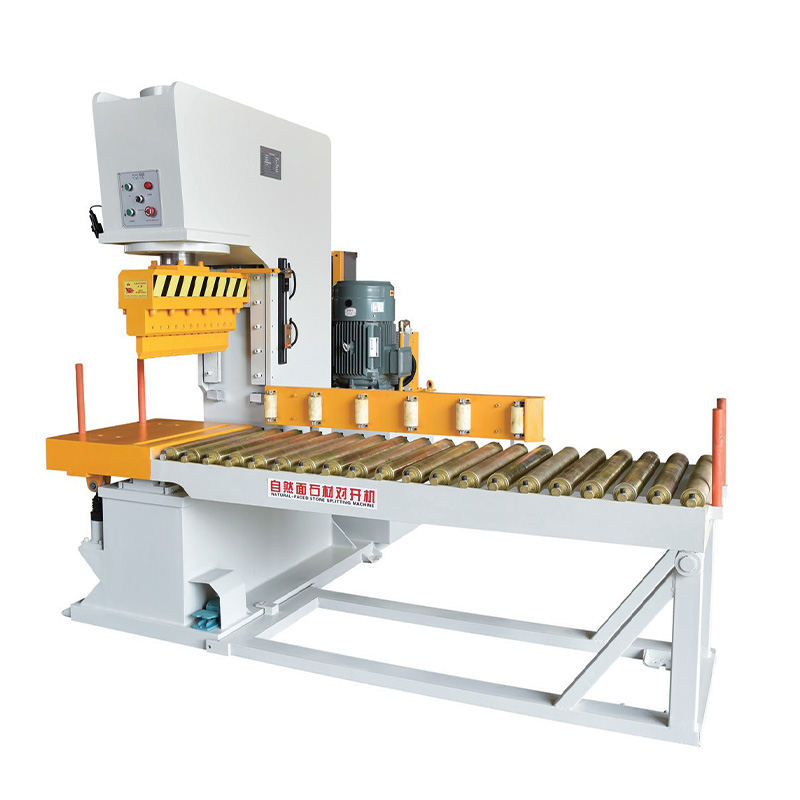
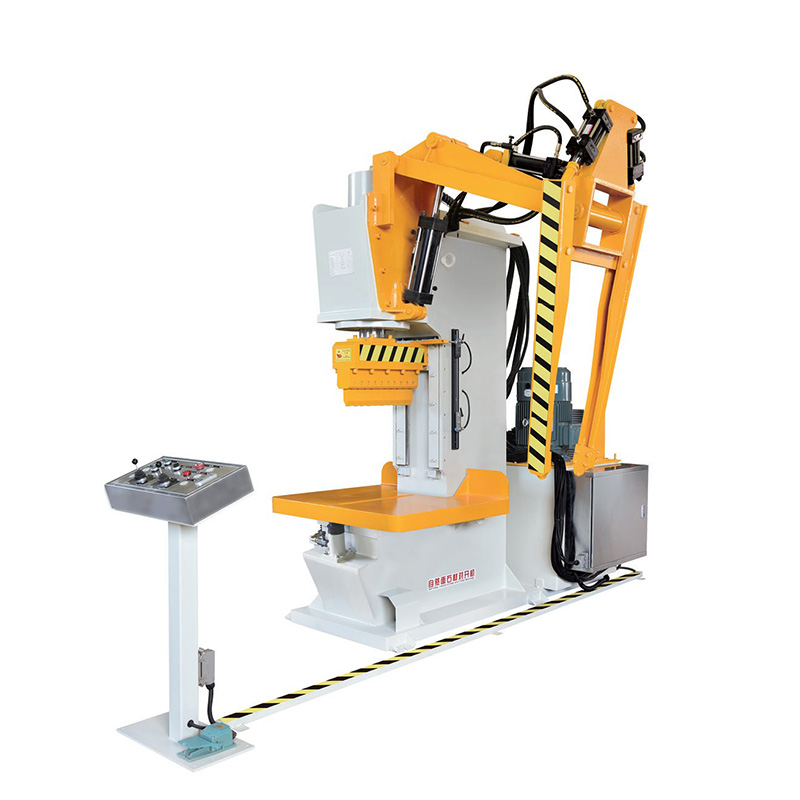
Granit ve Mermer için Taş Kesme Makinesi | Speedone
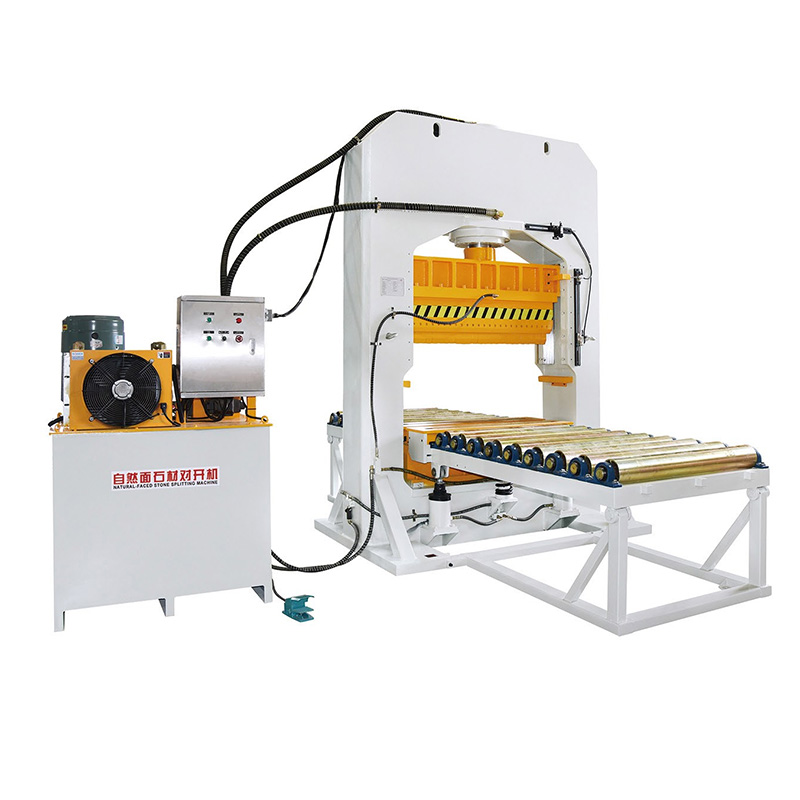
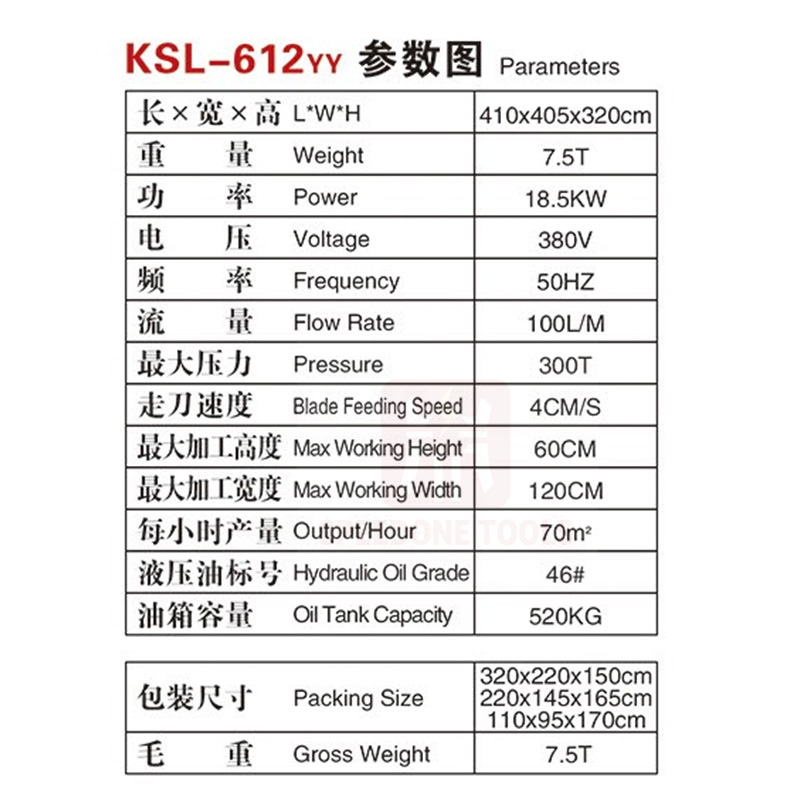
- Ağırlık : 7.5T
- Pressure : 300T
- Power : 18.5KW
Ürün Açıklaması
Hydraulic Stone Splitting Machine for Granite, Marble & Building Stone
What Is a Stone Splitting Machine?
|
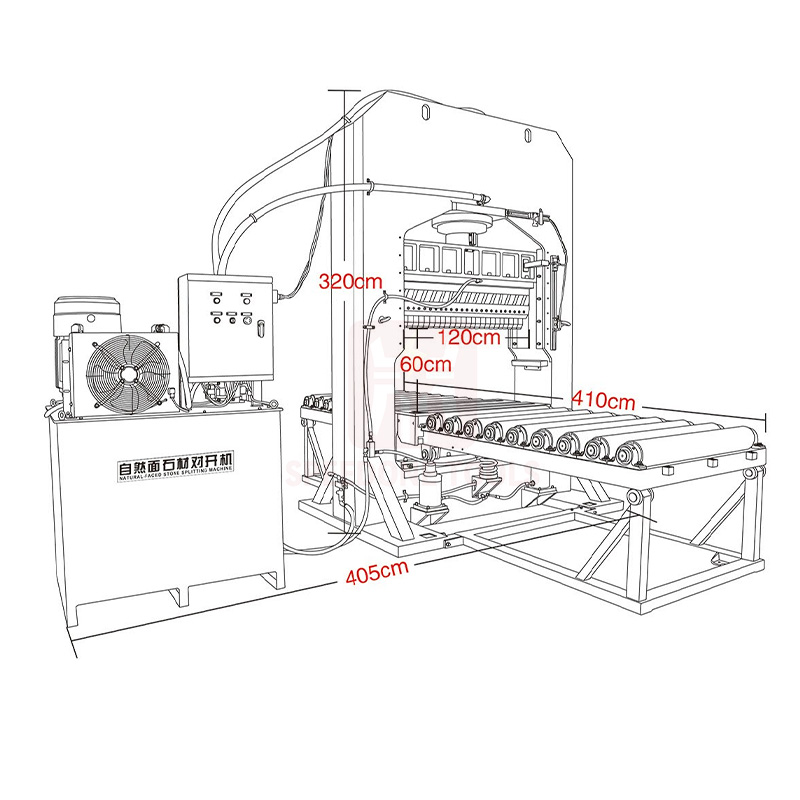 |
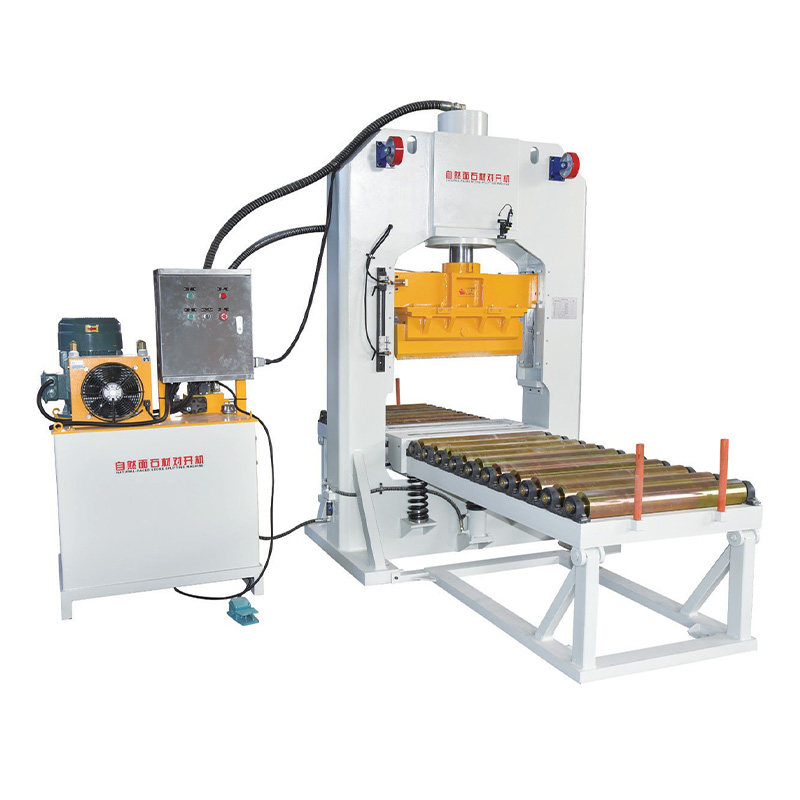
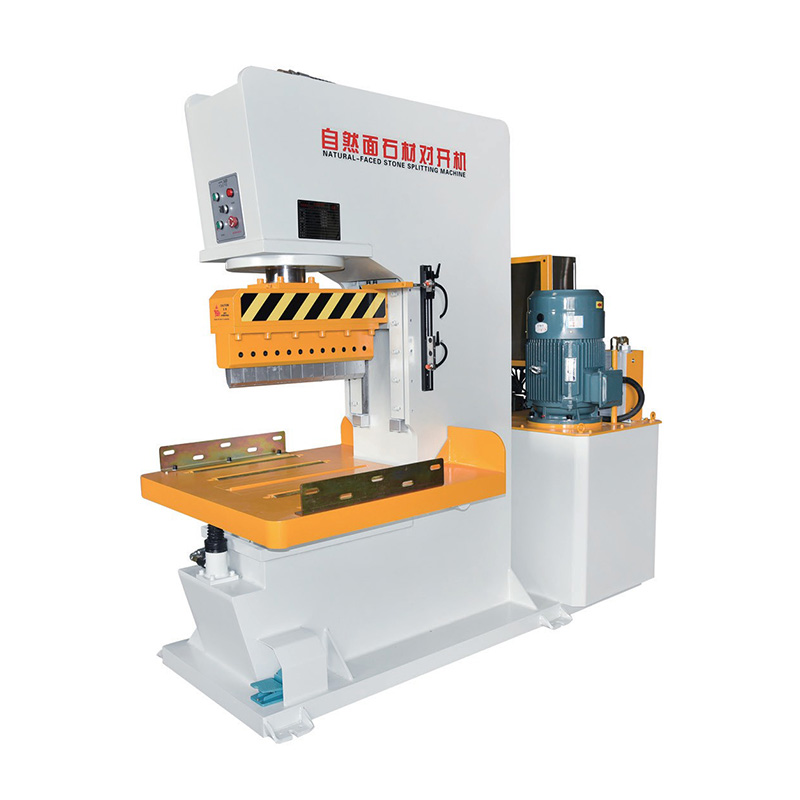
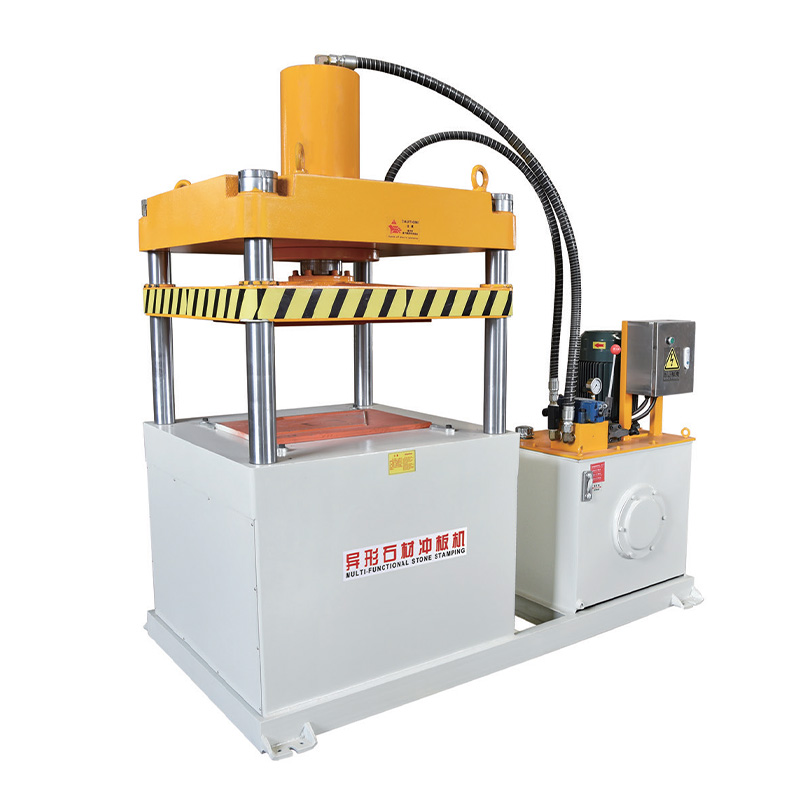
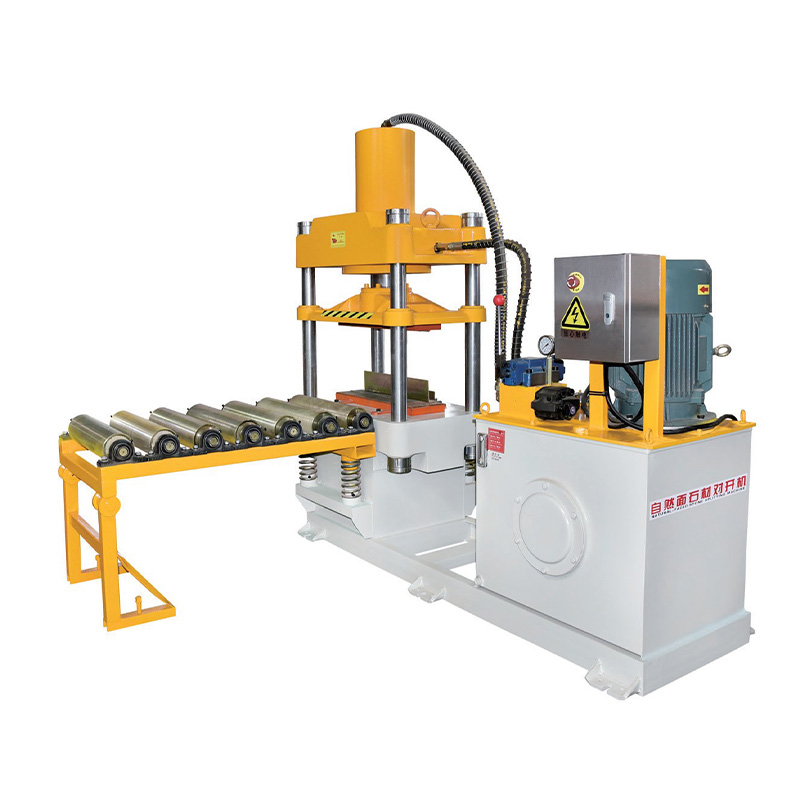
| Product display and size indication | |
A taş ayırma makinesi is industrial equipment used to divide natural stone blocks, strips or pre-cut pieces into smaller finished products.
Instead of cutting completely through the material with a diamond blade, the machine applies concentrated force until the stone fractures along a controlled line.
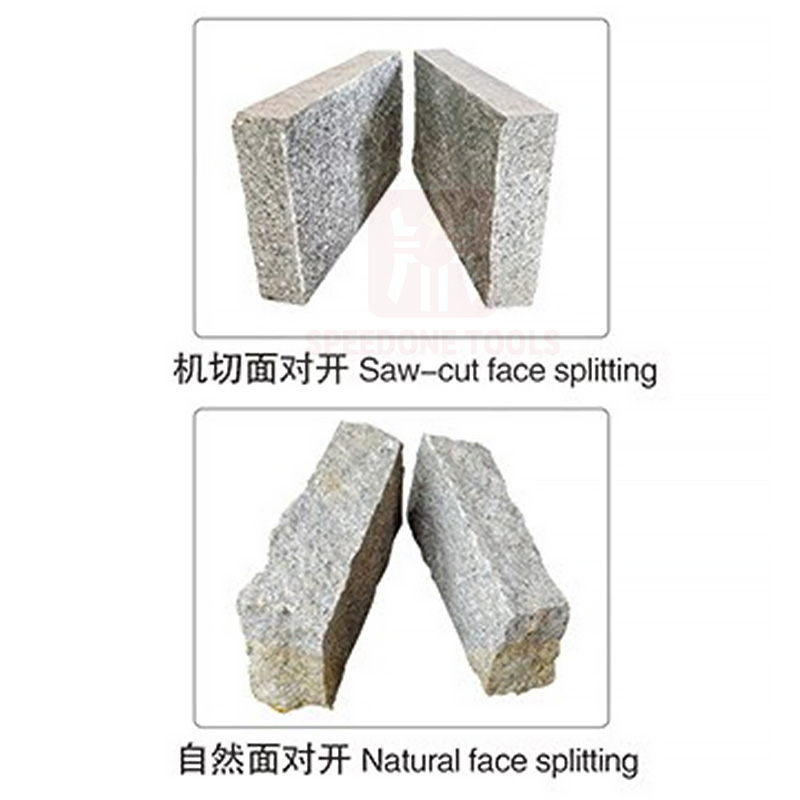
This process is especially useful when the finished product needs a natural, textured split face rather than a smooth sawn surface.
Typical products include:
- Building stone
- Wall stone
- Paving stones
- Cobblestones
- Curbstones
- Landscape stone
- Natural split veneer
- Flagstone
- Masonry stone
- Decorative stone
- Architectural stone pieces
Modern industrial splitters commonly use hydraulic power because it provides strong and controllable force for repeated production.
Stone Splitting Machine vs. Hydraulic Rock Splitter
These two products are often confused during online searches.
A factory taş ayırma makinesi and a hydraulic rock splitter are different types of equipment.
| Ekipman | Nasıl Çalışır | Main Application |
|---|---|---|
| Taş Kesme Makinesi | Stone is placed between splitting tools | Stone factory production |
| Hydraulic Rock Splitter | Hydraulic wedge expands inside drilled holes | Quarrying, excavation and demolition |
| Stone Cutting Machine | Blade, wire or abrasive tool removes material | Precision stone cutting |
| Stone Crusher | Compression or impact breaks stone | Aggregate production |
This Speedone product category focuses on factory stone processing, not quarry drilling or demolition equipment.
How Does a Hydraulic Stone Splitting Machine Work?
A hidrolik taş ayırma makinesi converts hydraulic pressure into concentrated force at the splitting tools.
A typical production cycle is:
Load → Position → Align → Apply Pressure → Split → Inspect → Discharge
The stone is first positioned in the working area. The intended splitting line is aligned with the upper and lower splitting tools.
The hydraulic system then applies pressure. Once the internal stress becomes greater than the stone’s resistance along its natural fracture path, the stone separates.
The final result depends on:
- Stone type
- Grain structure
- Natural bedding direction
- Stone thickness
- Splitting tool shape
- Tool condition
- Hydraulic force
- Stone positioning
- Operator experience
Unlike sawing, stone splitting naturally creates some variation. For building stone, landscape products and rustic finishes, this natural texture is often the desired result.
Why Use Hydraulic Power for Stone Splitting?
Natural stone is hard and irregular. Splitting it efficiently requires strong force that can be applied in a controlled way.
A hydraulic system allows the machine to build pressure progressively instead of relying on uncontrolled impact.
Depending on the machine, the hydraulic system may include:
- Hydraulic cylinders
- Hydraulic pump
- Oil tank
- Pressure regulation
- Control valves
- Hydraulic hoses
- Pressure monitoring
- Cooling components
For buyers, maximum pressure should not be considered alone. The hydraulic system, frame, splitting tools and working opening need to work together as one complete machine.
 |
 |
| Product parameters | |
Main Components of a Stone Splitting Machine
Heavy-Duty Machine Frame
The frame absorbs the forces generated during splitting and keeps the tools aligned.
A rigid frame is important for machine stability, long-term durability and consistent operation.
Hydraulic Power System
The hydraulic system generates the force required for splitting.
Its size and design should match the intended stone dimensions and machine capacity.
Upper and Lower Splitting Tools
The splitting tools contact the stone and concentrate the hydraulic force along the intended fracture line.
Tool shape, wear and alignment can affect the quality of the split.
Çalışma Masası
The working table supports the stone during loading and positioning.
Depending on production needs, machines may use:
- Fixed tables
- Roller tables
- Conveyor sections
- Adjustable supports
- Material-positioning systems
Operator Controls
Controls allow the operator to position the machine and start the splitting cycle.
Different models may use push buttons, pedals, joysticks or automated control systems.
Stone Splitting Machine for Granite
Granite is one of the more demanding materials processed with stone splitting equipment.
A suitable granit ayırma makinesi needs enough structural rigidity and hydraulic capacity for the required workpiece dimensions.
Typical granite products include:
- Building stone
- Paving blocks
- Landscape stone
- Wall stone
- Steps
- Curbstones
- Architectural stone
- Split-face veneer
Natural splitting produces a rough, textured surface that is useful for many architectural and outdoor applications.
Factories often combine several processes:
Sawing → Splitting → Edge Processing → Inspection → Packing
Stone Splitting Machine for Marble
Suitable machines can also split marble.
Marble varies greatly in veining and fracture behavior, so orientation and machine settings are important.
Common products may include:
- Decorative wall stone
- Stone veneer
- Building stone
- Landscape products
- Rustic architectural finishes
Operators should consider natural veins and weak points before positioning the stone.
Stone Splitting Machine for Limestone
Limestone is widely used for building and landscaping.
Suitable splitting machines can process limestone into:
- Wall stone
- Veneer
- Pavers
- Landscape blocks
- Masonry products
- Decorative stone
Different limestone varieties can have very different densities. Machine selection should therefore consider the actual stone, workpiece dimensions and finished product.
Stone Splitting Machine for Sandstone
Sandstone often contains visible bedding planes that influence how the stone fractures.
Correct material orientation can help produce more predictable results.
Typical sandstone products include:
- Walling stone
- Flagstone
- Paving stone
- Landscape products
- Architectural stone
- Natural split cladding
Testing representative samples before full production can help determine the most suitable splitting setup.
Stone Splitting Machine for Building Stone
Building stone is one of the main commercial applications for hydraulic stone splitting.
A factory can start with sawn or roughly dimensioned stone and use the splitter to create a natural finished face.
Common applications include:
- Retaining wall stone
- Masonry stone
- House veneer
- Garden wall stone
- Rustic cladding
- Landscape blocks
The main value of splitting is not simply reducing the size of the material. It also creates a natural architectural surface that looks different from a sawn finish.
Stone Splitting Machine for Paving Stone
Paving stone production often combines pre-cut stone with hydraulic splitting.
The material can first be prepared into strips or blocks and then split into individual paving pieces.
Important factors include:
- Input width
- Input height
- Finished piece size
- Stone type
- Splitting direction
- Required output
For higher-volume production, the feeding and discharge system can be just as important as the splitting cycle itself.
Natural Split Stone vs. Sawn Stone
| Özellik | Natural Split Stone | Sawn Stone |
|---|---|---|
| Surface | Natural and textured | Flat and controlled |
| Process | Controlled fracture | Diamond or abrasive cutting |
| Appearance | Rustic and irregular | Clean and uniform |
| Dimensional precision | Daha düşük | Higher |
| Typical products | Building stone, veneer, landscape stone | Slabs, countertops, precision components |
Neither method is always better. The correct process depends on the required finished product.
Stone Splitting Machine vs. Stone Cutting Machine
A splitting machine and a stone cutting machine perform different operations.
A cutting machine removes material with a diamond blade, wire or abrasive tool.
A splitting machine applies concentrated pressure until the stone fractures.
Choose a cutting machine when the finished product needs a precise sawn edge.
Choose a splitting machine when the product needs a natural split surface.
This distinction should be clear when requesting quotations from suppliers.
Stone Splitting Machine vs. Manual Stone Splitting
Stone can also be split manually with wedges, hammers and chisels.
Manual methods can still be useful for craft work and low-volume production.
Industrial factories normally require:
- Higher splitting force
- More consistent workflow
- Larger workpiece capacity
- Reduced manual impact work
- Higher production volume
- Better integration with conveyors and handling equipment
A hydraulic stone splitting machine provides a mechanized source of splitting force while still allowing the natural stone structure to influence the finished surface.
How Stone Size Affects Machine Selection
Maximum workpiece size is one of the first specifications buyers should establish.
Important dimensions include:
- Maximum stone width
- Maximum stone height
- Minimum practical stone size
- Maximum workpiece weight
- Working table dimensions
A machine for thin veneer pieces can be very different from one designed for large building blocks.
Before requesting a quotation, prepare examples of both the largest and smallest stone pieces you plan to process.
How Much Splitting Force Do You Need?
There is no single correct tonnage for every stone factory.
Required splitting force depends on:
- Stone type
- Stone strength
- Workpiece width
- Stone thickness
- Geological structure
- Splitting tool geometry
- Finished product requirements
Choosing the machine with the highest tonnage is not always the best solution.
An oversized machine can increase cost without improving the actual production process, while an undersized machine may struggle with the intended stone.
Material Handling Around a Stone Splitting Machine
The splitting cycle is only one part of production.
The stone must first be loaded and positioned, and finished pieces must then be removed and sorted.
A typical workflow is:
Storage → Loading → Feeding → Splitting → Sorting → Secondary Processing → Packing
Depending on the workpiece size, factories may use:
- Roller conveyors
- Powered conveyors
- Forklifts
- Stone carts
- Manipulators
- Overhead cranes
- Stone lifting clamps
- Suitable vacuum handling tools
A fast splitter can still have low total productivity if material loading and unloading are slow.
Handling Large Stone and Porcelain Panels
A stone splitting machine is designed for processing stone, not for carrying large finished panels around the factory.
If the same factory also handles large porcelain or compatible stone panels, Speedone’s tile suction cup for large-format porcelain and stone provides a dedicated gripping option for suitable panel-handling work.
Factories that also process or install glass can use dedicated glass suction cups for vacuum lifting and handling for compatible glazing materials.
Using separate equipment for processing and material handling helps keep each tool focused on its intended function.
Stone Splitting Machine and Countertop Fabrication
A stone splitting machine is mainly associated with building stone, paving stone, veneer and natural split products.
Granite and quartz countertops usually require a different workflow that may include:
Sawing → CNC Processing → Edge Finishing → Transport → Installation → Seam Adjustment
Once granite or quartz sections are safely positioned, Speedone’s countertop seam tool for granite and quartz can assist with joint closing and alignment.
For precision stone seam work, the Stone Pro seam setter for granite and quartz countertops provides another dedicated installation solution.
These tools perform a completely different job from a stone splitting machine.
Related Tools for Interior Installation
Stone products eventually move from the factory into construction and interior installation.
At that stage, installers may work with stone, cabinets, glass and other materials within the same project.
Upper wall cabinets require temporary support rather than stone-processing equipment.
For this task, Speedone’s cabinet jack for upper cabinet installation provides adjustable support while a cabinet is positioned and secured.
A related cabinet support tool for wall cabinet installation can also be used for suitable cabinet-positioning work.
How to Use a Stone Splitting Machine
The exact operating procedure depends on the selected model. A typical workflow includes the following stages.
1. Inspect the Stone
Check for obvious cracks, loose sections and other conditions that may affect splitting.
2. Confirm Machine Compatibility
Make sure the stone type and workpiece dimensions are within the machine’s approved range.
3. Inspect the Machine
Check the splitting tools, hydraulic system, guards, controls and support surfaces.
4. Load the Stone
Use suitable lifting or handling equipment when the stone cannot be moved safely by hand.
5. Position the Splitting Line
Align the intended fracture line with the splitting tools.
6. Secure the Working Area
Keep personnel outside the hazardous zone and follow the machine’s guarding procedures.
7. Apply Hydraulic Pressure
Operate the hydraulic system according to the manufacturer’s instructions.
8. Allow the Stone to Split
Do not reach into the working area during the splitting cycle.
9. Remove the Finished Piece
Unload the stone only after the machine is in the correct safe condition.
10. Inspect the Result
Check dimensions, fracture quality and surface appearance before continuing production.
How to Choose the Right Stone Splitting Machine
1. Stone Type
Identify the main materials your factory processes, such as granite, marble, limestone or sandstone.
2. Maximum Stone Width
The working opening needs to accommodate the required workpiece width.
3. Maximum Stone Height
Stone thickness or height is another key machine-selection factor.
4. Required Splitting Force
Select the required force according to the material and workpiece size rather than simply choosing the highest tonnage available.
5. Finished Product
Building blocks, paving stones, veneer and landscape products may require different machine configurations.
6. Production Volume
Consider how much stone must be processed per hour or per shift.
7. Loading Method
Decide whether the machine will be fed manually, by conveyor or with additional handling equipment.
8. Hydraulic System
Check pressure control, cooling, maintenance access and component layout.
9. Splitting Tools
Tool geometry should suit the intended products and stone.
10. Controls
The controls should support practical and safe operation for the intended production process.
11. Spare Parts
Check the availability of splitting tools, seals and other wear components.
12. Factory Layout
Allow enough room for loading, unloading, machine maintenance and smooth material flow.
Standalone Stone Splitter vs. Production Line
| Özellik | Standalone Splitter | Splitting Production Line |
|---|---|---|
| System complexity | Daha düşük | Higher |
| Material feeding | More manual | More integrated |
| Esneklik | Higher for changing jobs | Optimized for defined production |
| Output potential | Application dependent | Higher-volume potential |
| Space requirement | Daha düşük | Higher |
| Best suited for | Flexible production | Repeated industrial production |
For many factories, the splitting machine is only one part of the investment. Feeding and material flow can strongly affect the actual production output.
Common Stone Splitting Problems
The Stone Breaks in the Wrong Direction
Natural weaknesses or incorrect positioning may redirect the fracture.
Review the stone orientation and splitting-line position.
The Split Surface Is Too Irregular
Some variation is normal. Excessive variation may indicate unsuitable stone, tooling or positioning.
The Machine Needs Excessive Pressure
Stop and check whether the stone size and material are suitable for the machine.
Do not exceed the approved hydraulic settings.
The Splitting Tools Wear Unevenly
Inspect tool alignment and wear. Service or replace components when required.
Production Is Too Slow
The machine cycle may not be the real bottleneck.
Check loading, positioning, unloading and sorting time.
The Stone Is Difficult to Position
Consider roller tables, conveyors or dedicated material-handling equipment.
Stone Splitting Machine Maintenance
Stone splitting machines operate under substantial loads, so preventive maintenance is important.
Regularly inspect:
- Hydraulic oil
- Hydraulic hoses
- Connections
- Cylinders
- Hydraulic pump
- Pressure controls
- Splitting tools
- Tool alignment
- Machine frame
- Working table
- Conveyors
- Electrical controls
- Emergency systems
- Safety guards
- Fasteners
Follow the manufacturer’s maintenance schedule rather than waiting until visible damage appears.
Stone Splitting Machine Safety Tips
- Only trained personnel should operate the machine.
- Inspect the machine before production.
- Use all required guards and safety systems.
- Keep hands away from the splitting area.
- Never reach into the machine during the operating cycle.
- Use appropriate equipment for loading heavy stone.
- Wear suitable personal protective equipment.
- Keep unauthorized personnel away from the machine.
- Follow lockout procedures before maintenance.
- Do not exceed approved stone dimensions.
- Do not exceed manufacturer-approved hydraulic settings.
- Replace damaged hydraulic components promptly.
- Maintain a clean working area.
Natural stone can fracture unpredictably, so operators should also consider chips and stone fragments during the splitting process.
Who Uses Stone Splitting Machines?
- Natural stone factories
- Granite processors
- Marble processors
- Limestone manufacturers
- Sandstone processors
- Building-stone producers
- Paving-stone factories
- Landscape-stone suppliers
- Stone veneer manufacturers
- Masonry product suppliers
- Quarry processing facilities
- Architectural stone manufacturers
Questions to Ask Before Buying a Stone Splitting Machine
Before requesting a quotation, prepare the following information:
- What type of stone do you process?
- What are the maximum stone dimensions?
- What are the minimum workpiece dimensions?
- What finished products do you manufacture?
- What production output do you require?
- Is the material already pre-cut?
- Do you need a natural split surface?
- How will the stone be loaded?
- Do you need roller tables or conveyors?
- What electrical supply is available?
- How much factory space is available?
Providing this information makes it easier to select a machine based on the real production requirement instead of price or hydraulic tonnage alone.
Neden Speedone'u Seçmelisiniz?
Speedone supplies equipment and tools for professional stone processing, handling and installation workflows.
When choosing a taş ayırma makinesi, the goal should not simply be to buy the machine with the highest hydraulic force.
A more practical selection process is:
Stone Type → Input Size → Finished Product → Required Force → Working Opening → Material Handling → Production Output → Factory Layout
This approach helps buyers select equipment that fits the actual production process.
Looking for a Stone Splitting Machine?Contact Speedone with your stone type, maximum workpiece dimensions, finished product and required production output. These details can help determine a suitable stone splitting machine configuration for your factory.
Sıkça Sorulan Sorular
Taş ayırma makinesi nedir?
A stone splitting machine is industrial equipment that uses concentrated mechanical or hydraulic force to divide natural stone into smaller pieces, usually creating a natural split surface.
Hidrolik taş ayırma makinesi ne için kullanılır?
Genellikle yapı taşı, duvar taşı, döşeme ürünleri, bordür taşları, peyzaj taşı, kaplama ve diğer doğal yarılmış taş ürünlerinin üretiminde kullanılır.
Bir taş ayırma makinesi granit ayırabilir mi?
Uygun ağır iş hidrolik makineleri, uyumlu granitleri işleyebilir. Makine, taşın boyutuna, dayanıklılığına ve bitmiş ürün gereksinimlerine göre seçilmelidir.
Bir taş ayırma makinesi mermeri ayıra bilir mi?
Uygun makineler belirli mermer ürünlerini işleyebilir. Taşı yerleştirmek üzere damarlanma ve doğal kırılma davranışı dikkate alınmalıdır.
Kireçtaşı ve kumtaşıyı ayıra bilir mi?
Yes. Suitable machines are commonly used for limestone, sandstone and other natural building stone when properly sized for the material.
Is a stone splitting machine the same as a stone cutting machine?
No. A cutting machine removes material using a blade, wire or abrasive tool. A splitting machine applies pressure until the stone fractures.
Is a stone splitting machine the same as a hydraulic rock splitter?
No. Factory stone splitting machines process stone between splitting tools, while hydraulic rock splitters used in demolition or quarrying typically expand wedges inside drilled holes.
Taş kesme, pürüzsüz bir yüzey oluşturur mu?
Genellikle hayır. Bu süreç, doğal ve dokulu bölünmüş bir yüz oluşturmak için yaygın olarak kullanılır.
Ne kadar ayırma kuvvetine ihtiyacım var?
Gerekli kuvvet, taş türüne, genişliğe, kalınlığa, jeolojik yapıya, çatlama aleti tasarımına ve bitmiş ürüne göre değişir.
Bir taş ayırma makinesi otomatikleştirilebilir mi?
Bazı endüstriyel makineler, taşıyıcılar, manipülatörler ve otomatik kontrol sistemleriyle entegre edilebilir. Mevcut otomasyon seviyesi makineye ve üretim hattına göre değişir.
Bir taş ayırma makinesi satın alırken nelere dikkat etmeliyim?
Taş türünü, maksimum boyutları, gerekli kuvveti, bitmiş ürünleri, üretim hacmini, hidrolik sistemi, parçalama aletlerini, malzeme taşımayı, bakım ve fabrika düzenini dikkate alın.
Taş kırma verimliliğini nasıl artırabilirim?
Tam iş akışını inceleyin. Yükleme, konumlandırma, bölme, boşaltma ve sıralama işlemleri hepsi toplam üretim verimini etkileyebilir.