

Heavy Duty Stone Seam Setter for Countertops
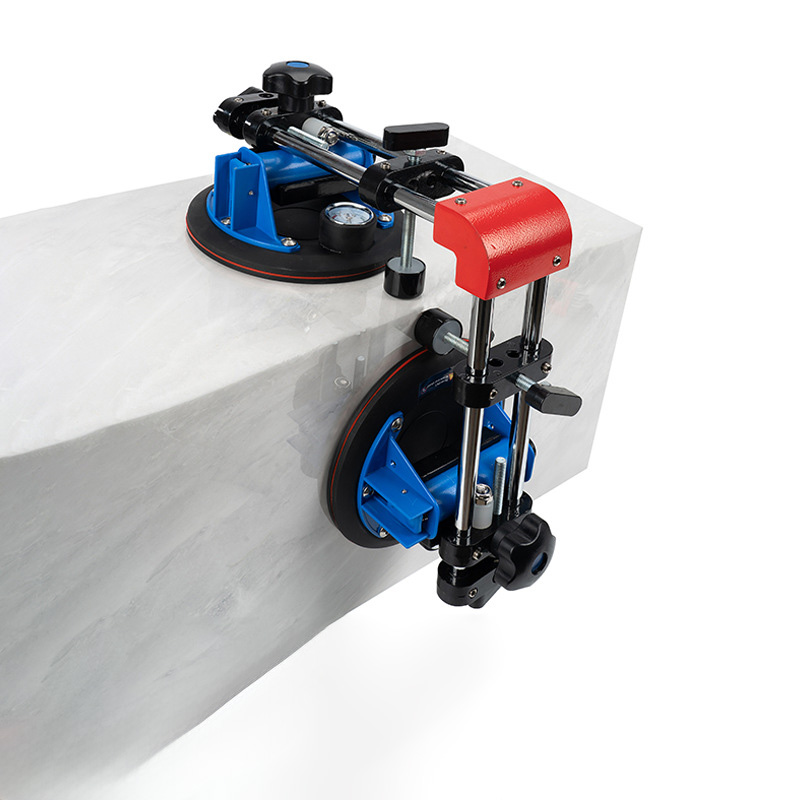
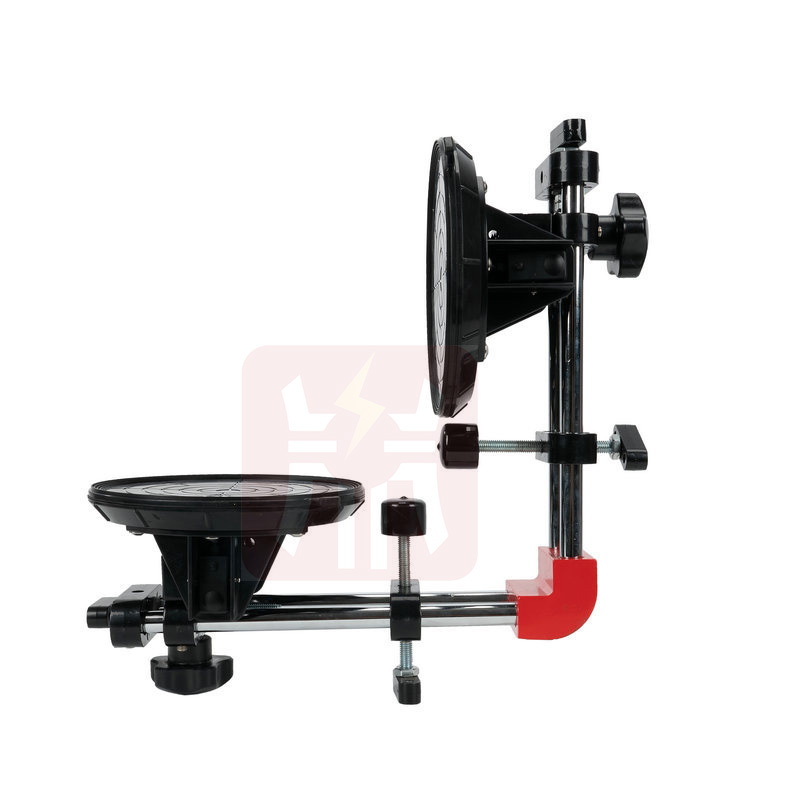
stone seam setter
- Model : RS-006
Product Description
Professional Stone Seam Setter for Granite, Quartz & Stone Countertops
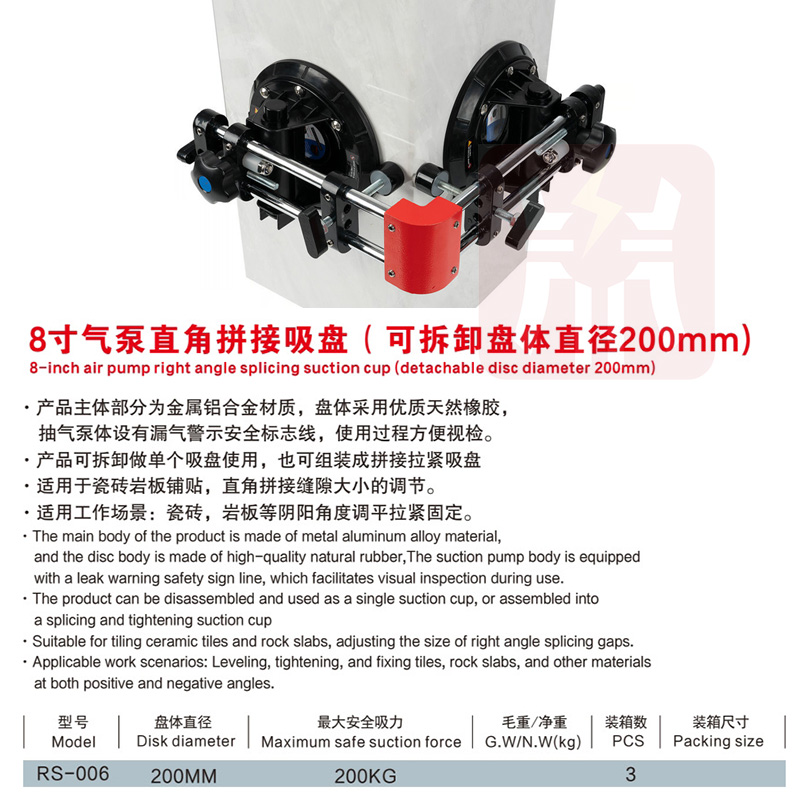
What Is a Stone Seam Setter?
 |
 |
| Product parameters display | |
A stone seam setter is a professional fabrication tool used to position two countertop sections accurately during seam installation.
Large countertops are often made from several pieces. When these pieces are joined, the edges need to line up closely and the surfaces should remain level. Even a small height difference can become noticeable after the adhesive cures.
A seam setter gives fabricators better control during this process. Instead of relying only on manual pushing and adjustment, the tool helps bring the stone pieces into the correct position and hold them there during bonding.
Common applications include:
- Granite countertops
- Quartz countertops
- Marble vanity tops
- Kitchen islands
- Bathroom countertops
- Commercial stone surfaces
- Stone fabrication workshops
The main goal is simple: make the seam easier to align and keep the two stone sections stable during bonding.
Why Use a Stone Seam Setter?
Granite, quartz, and other countertop materials can be heavy and difficult to adjust by hand. This becomes even more challenging when working with long countertop sections or large kitchen islands.
A suitable seam-setting tool provides a more controlled way to make these final adjustments.
More Accurate Seam Alignment
A stone seam setter helps move adjacent countertop pieces into the desired position, making it easier to correct small alignment differences before the adhesive sets.
Controlled Adjustment
Instead of repeatedly pushing the stone by hand, the operator can make gradual adjustments through the tool. This makes the process easier to control.
Better Seam Appearance
Accurate positioning helps create a more consistent transition between the two countertop sections, which is especially important when the finished seam will be highly visible.
Less Manual Effort
Large stone pieces can require considerable force to move. A suitable seam setter can reduce unnecessary manual handling during the final positioning stage.
More Consistent Fabrication
For professional workshops, using a repeatable seam-setting process can make countertop fabrication easier to manage across different projects.
Stone Seam Setter vs. Stone Seam Puller
The terms stone seam setter and stone seam puller are sometimes used to describe similar tools, but their main functions can be slightly different.
A seam setter generally focuses on alignment, leveling, and positioning. A seam puller focuses more on bringing two countertop pieces together.
Some professional tools combine both functions, so the actual capabilities depend on the design.
| Feature | Stone Seam Setter | Stone Seam Puller |
|---|---|---|
| Main purpose | Alignment and leveling | Pulling pieces together |
| Seam positioning | Excellent | Excellent |
| Height adjustment | Common | Depends on model |
| Pulling action | Depends on model | Primary function |
| Vacuum gripping | Depends on model | Depends on model |
How Does a Stone Seam Setter Work?
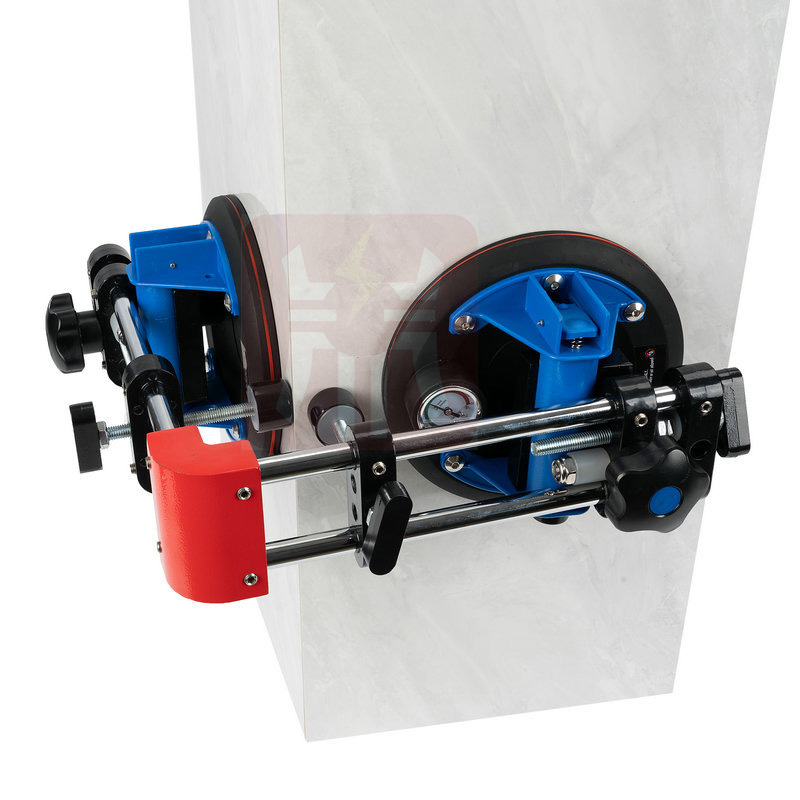
The exact operating method depends on the product design. Many seam-setting systems use suction cups or another gripping mechanism to establish a secure connection with the stone surface.
The general process is straightforward:
- Position the two countertop sections.
- Inspect the seam edges for proper preparation.
- Clean the areas where the tool will attach.
- Dry fit the two pieces together.
- Attach the seam setter to suitable areas of the stone.
- Check that the gripping points are secure.
- Adjust the horizontal position of the countertop sections.
- Correct any height difference when the tool allows vertical adjustment.
- Apply the appropriate stone adhesive.
- Keep the pieces in position while the adhesive cures.
- Remove the tool after the seam has become stable.
Always follow the manufacturer’s instructions and make sure the equipment is used within its rated capacity.
Vacuum Suction for Stone Seam Setting
Vacuum suction is widely used in stone and glass handling because smooth surfaces can provide a suitable contact area for suction cups.
For glass, porcelain, and stone handling applications, Speedone offers the Professional Electric Tile Suction Cup with Automatic Vacuum Control.
Electric vacuum technology can be useful when large stone sections need to be moved or positioned before the final seam adjustment.
However, a vacuum suction cup should not automatically be treated as a seam setter. The equipment must match the intended application, surface condition, and required load.
Before using vacuum equipment, check:
- Surface cleanliness
- Surface smoothness
- Vacuum seal condition
- Rated load capacity
- Direction of the applied force
- Compatibility with the stone surface
 |
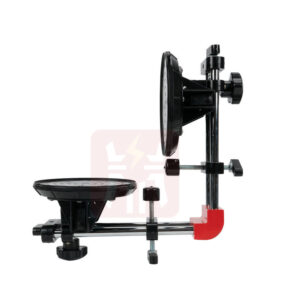 |
| Product application scenarios | |
Electric Suction Cups for Stone Positioning
Before setting a countertop seam, large stone sections may first need to be moved into their approximate final positions.
For this stage, Speedone’s Professional Electric Suction Cup for Glass, Stone and Porcelain Slab Handling provides a practical solution for suitable stone and panel-handling applications.
Using separate equipment for handling and precision seam adjustment can make the fabrication process easier to manage.
A practical workflow is:
Handle the slab → Position the countertop → Set the seam → Apply adhesive → Finish the seam
Fixed Suction Cups for Stone Seam Applications
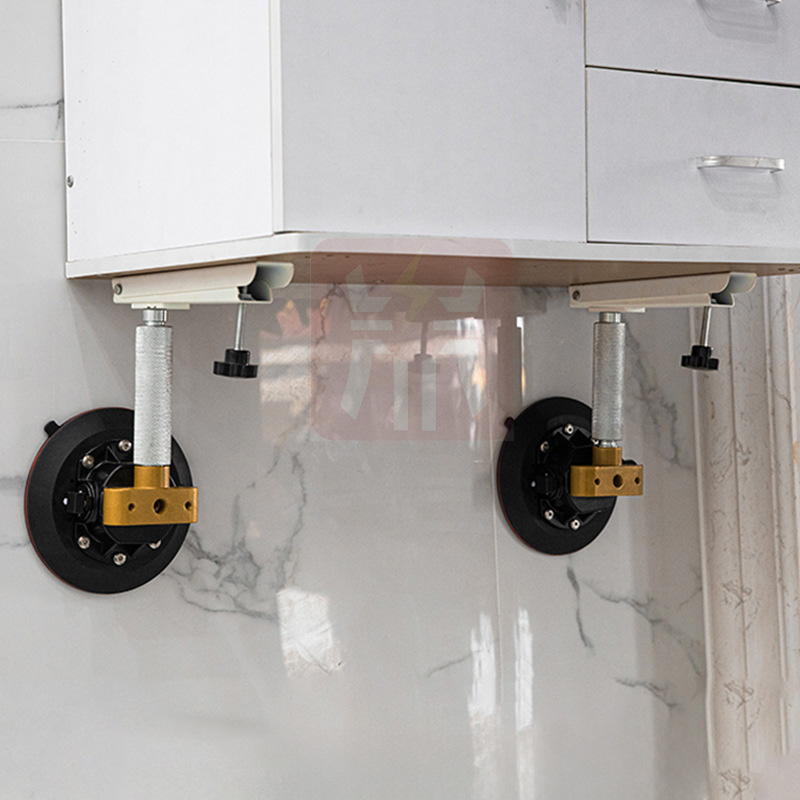
Some seam-setting systems require stable gripping points on suitable stone surfaces. Fixed suction cups can be useful when a secure attachment point is needed.
Speedone’s Heavy Duty Fixed Suction Cup for Glass and Stone is designed for compatible glass and stone applications.
Before using a fixed suction cup, check the following:
- Stone surface condition
- Surface cleanliness
- Vacuum seal
- Rated load capacity
- Direction of force
- Material compatibility
Dust, moisture, uneven surfaces, and textured finishes can affect suction performance, so the contact area should be properly prepared before use.
Stone Seam Setter Accessories
Depending on the design, a seam-setting system may work with several additional components.
- Vacuum suction cups
- Connecting bars
- Clamps
- Adjustment mechanisms
- Mounting hardware
- Replacement sealing components
For compatible suction cup systems, Speedone’s Aluminum Bar for Grabo Suction Cup can be considered as an accessory component.
Always confirm the connection dimensions, working capacity, and compatibility before combining different components.
Stone Seam Setter Applications
A stone seam setter can be useful in many countertop fabrication situations where two stone sections need accurate positioning.
Granite Countertops
Granite is widely used for kitchen countertops and islands. Large L-shaped layouts often require multiple pieces, making accurate seam positioning important.
Quartz Countertops
Quartz countertops may also require seams when the countertop is too large to fabricate or transport as one piece. A suitable seam setter can help with final alignment.
Marble Vanity Tops
For marble vanity projects, precise positioning can help create a cleaner and more uniform finished appearance.
Kitchen Islands
Large kitchen islands may use several stone sections. A seam setter helps fabricators bring these pieces into the correct position before bonding.
Commercial Countertops
Commercial projects can involve long countertop runs and multiple seams. A consistent seam-setting process can make repeated fabrication work easier to control.
Stone Seam Setter for Granite Countertops
Granite is heavy and rigid, so careful positioning is especially important when two sections are joined together.
Step 1: Prepare the Granite
Make sure the granite edges have been properly cut, shaped, and finished before starting the seam-setting process.
Step 2: Clean the Contact Areas
Remove dust, polishing residue, and other contaminants from the areas where the equipment will attach.
Step 3: Dry Fit the Countertop
Place both sections together without adhesive and inspect the seam carefully. This helps identify alignment problems before bonding.
Step 4: Install the Seam Setter
Attach the equipment to suitable areas of both countertop sections according to the manufacturer’s instructions.
Step 5: Adjust the Position
Make gradual adjustments until the two stone sections are positioned correctly.
Step 6: Check the Level
Inspect the surface and check for any height difference between the two pieces.
Step 7: Apply Adhesive
Apply the appropriate adhesive according to the stone material and project requirements.
Step 8: Maintain Alignment
Keep the countertop sections stable while the adhesive cures.
Step 9: Remove the Tool
Once the seam has stabilized, remove the equipment and complete the final finishing process.
Heavy-Duty Stone Handling Before Seam Setting
A stone seam setter is mainly designed for positioning and alignment. It should not replace proper equipment for lifting or transporting heavy slabs.
When large stone pieces need to be moved before seam preparation, Speedone’s Heavy Duty Suction Lifter for Glass, Stone and Porcelain Slabs can support suitable material-handling applications.
A complete workflow can therefore be organized as:
Lift → Transport → Position → Dry Fit → Set → Bond → Finish
Using the right equipment at each stage helps reduce unnecessary manual movement and keeps the fabrication process organized.
How to Choose the Right Stone Seam Setter
Not every countertop project has the same requirements. Consider the following factors when choosing a seam-setting tool.
1. Stone Material
Check whether the tool is suitable for granite, quartz, marble, porcelain, or the other materials used in your workshop.
2. Surface Condition
Vacuum-based tools require a suitable contact surface. Clean, smooth surfaces are generally important for maintaining a reliable seal.
3. Countertop Thickness
Make sure the tool can work with the thickness and configuration of your countertop sections.
4. Adjustment Range
Choose an adjustment range that matches the seam positions and countertop layouts commonly handled in your workshop.
5. Working Capacity
Compare the tool’s rated capacity with the actual application before use.
6. Gripping System
Determine whether the tool uses vacuum suction, mechanical clamping, or another attachment method.
7. Adjustment Precision
Fine adjustment is useful when the finished seam needs to look clean and consistent.
8. Ease of Operation
A tool that is quick to install and easy to adjust can help save time in busy fabrication environments.
Common Stone Seam Setting Mistakes
Using Too Much Force
Excessive force can place unnecessary stress on the stone or equipment. Make adjustments gradually and monitor the seam throughout the process.
Attaching to a Dirty Surface
Dust, residue, and moisture can affect suction performance. Clean the contact area before attaching vacuum equipment.
Skipping the Dry Fit
Dry fitting allows alignment issues to be found before adhesive is applied. This simple step can prevent unnecessary adjustments later.
Using an Incompatible Suction Cup
Not every suction cup works with every stone surface. Always check the product specifications and application requirements.
Ignoring Slab Support
Large countertop sections should remain properly supported during positioning and seam preparation.
Moving the Countertop During Curing
Unnecessary movement can affect the alignment achieved before the adhesive cures. Keep the sections stable throughout the recommended curing period.
Stone Seam Setter vs. Manual Alignment
Manual adjustment may be enough for small pieces, but larger countertops can be much harder to control by hand.
| Factor | Manual Alignment | Stone Seam Setter |
|---|---|---|
| Control | Depends heavily on the operator | More controlled adjustment |
| Large countertops | More difficult to adjust | Better suited to larger sections |
| Repeatability | Can vary between operators | More consistent process |
| Manual effort | Higher | Lower for suitable applications |
Complete Stone Handling Solutions from Speedone
Seam alignment is only one part of professional countertop fabrication. Large stone sections also need to be lifted, moved, and positioned safely before the final seam can be adjusted.
Speedone provides a range of equipment that can support different stages of this workflow, including electric vacuum suction cups, fixed suction cups, slab lifters, and related accessories.
For smaller and medium-sized handling tasks, the Professional Electric Tile Suction Cup with Automatic Vacuum Control can support suitable porcelain, glass, and stone handling applications.
For larger panels and stone sections, the Professional Electric Suction Cup for Glass, Stone and Porcelain Slab Handling provides another option for controlled material positioning.
When a fixed gripping point is required, the Heavy Duty Fixed Suction Cup for Glass and Stone can be used for compatible applications.
For heavy slab handling before seam preparation, the Heavy Duty Suction Lifter for Glass, Stone and Porcelain Slabs can help move suitable materials into position.
Compatible systems may also use accessories such as the Aluminum Bar for Grabo Suction Cup to create a suitable connection between components.
Why Choose Speedone?
Speedone develops professional material-handling solutions for stone, glass, porcelain, tile, and countertop applications.
Its product range covers vacuum suction equipment, slab lifters, fixed suction cups, and related accessories designed for professional material handling.
- Professional stone-handling equipment
- Heavy-duty suction solutions
- Solutions for granite, marble, quartz, porcelain, and glass
- Electric vacuum technology
- Multiple gripping configurations
- OEM and ODM support
- Application-oriented product development
For countertop fabricators, combining suitable lifting equipment with precision seam-setting tools can create a more organized workflow from slab handling to final seam finishing.
Frequently Asked Questions
What is a stone seam setter?
A stone seam setter is a professional tool used to align, level, and stabilize two stone countertop sections during seam installation and bonding.
Can a stone seam setter be used on granite?
Yes. A suitable stone seam setter can be used for granite countertop fabrication. The tool should be compatible with the stone surface, thickness, and required working capacity.
Can a stone seam setter be used on quartz?
Yes. A suitable tool can be used for quartz countertops when its gripping system, surface compatibility, and working capacity match the application.
What is the difference between a stone seam setter and a seam puller?
A seam setter generally focuses on alignment and leveling, while a seam puller mainly brings two countertop pieces together. Some professional tools can perform both functions.
Do stone seam setters use suction cups?
Many designs use suction cups or similar gripping systems, but the exact configuration depends on the product. Vacuum equipment should always be selected according to the stone surface and application.
How can I improve stone countertop seam alignment?
Prepare clean and accurately finished seam edges, dry fit the pieces, use a suitable stone seam setter, make gradual adjustments, and keep the countertop sections stable while the adhesive cures.
Related Products
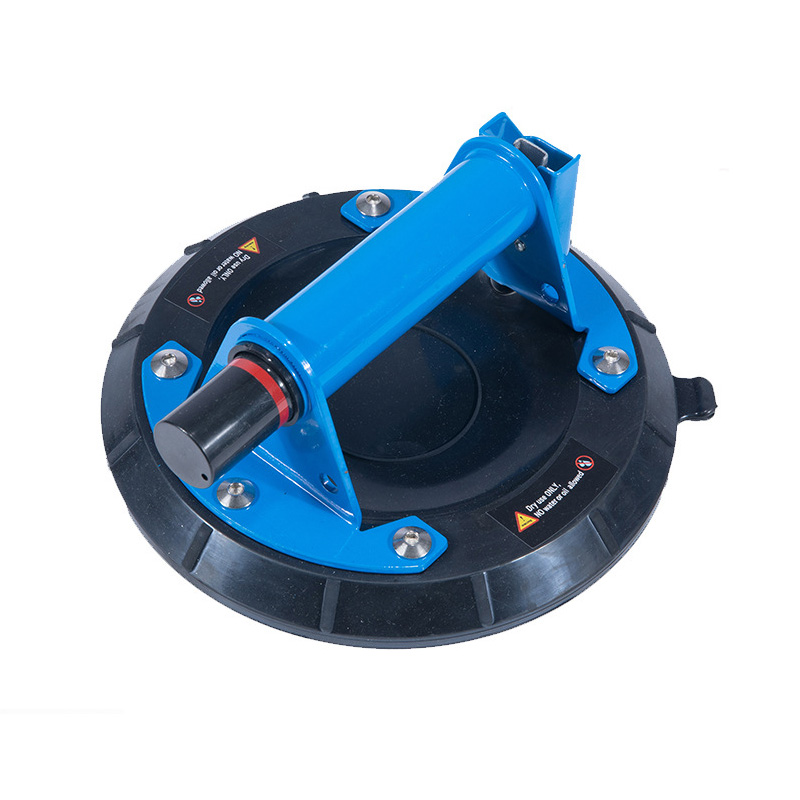

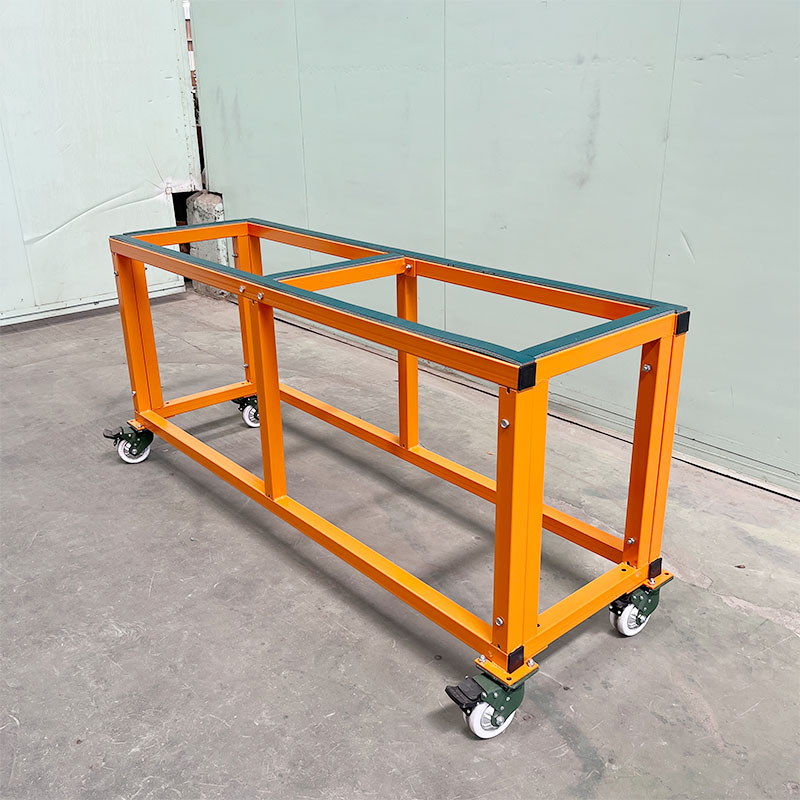
Durable steel workbench for stone processing