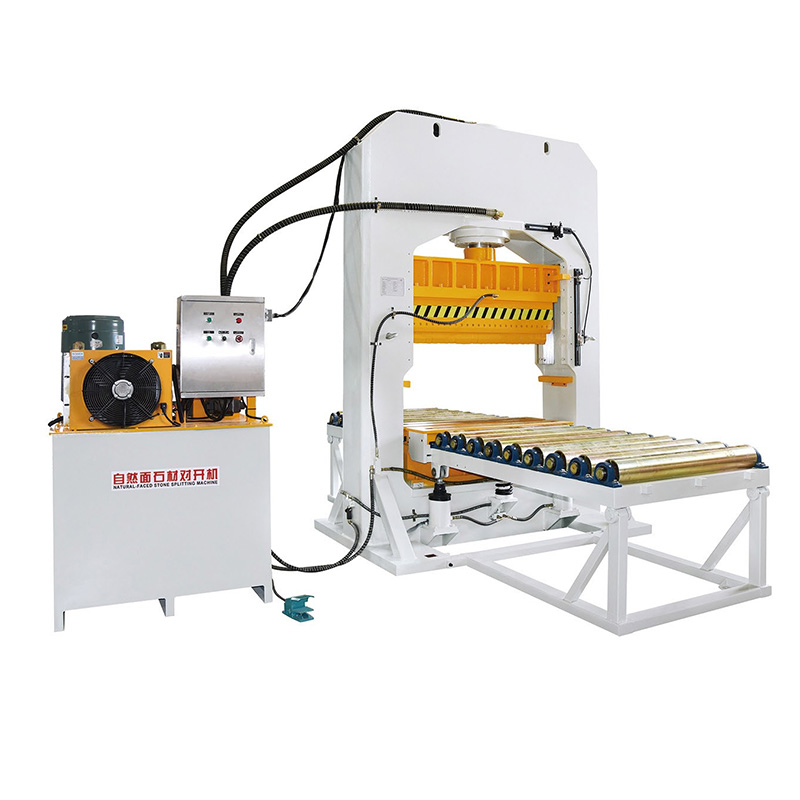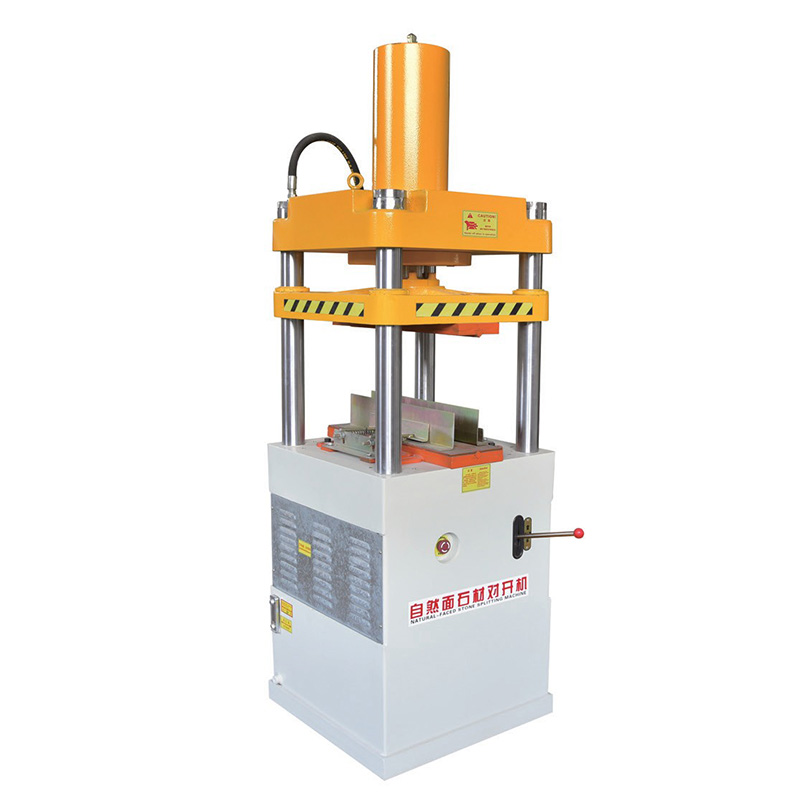







Hydraulic Stone Stamping Machine Manufacturer | Speedone

- Вес : 1.2T
- Pressure : 40T
- Power : 4KW
Описание товара
Hydraulic Stone Stamping Machine for Granite, Marble & Decorative Pavers
Спидон hydraulic stone stamping machine is designed for stone processors producing decorative pavers, patterned stone and other suitable mould-formed stone products. It uses a hydraulic pressing system with approved tooling to process prepared stone blanks.
The appropriate configuration depends on your stone material, blank size, desired pattern, tooling requirements and production target.
Hydraulic Pressing
Granite & Marble
Decorative Pavers
Hydraulic Stone Stamping Machine
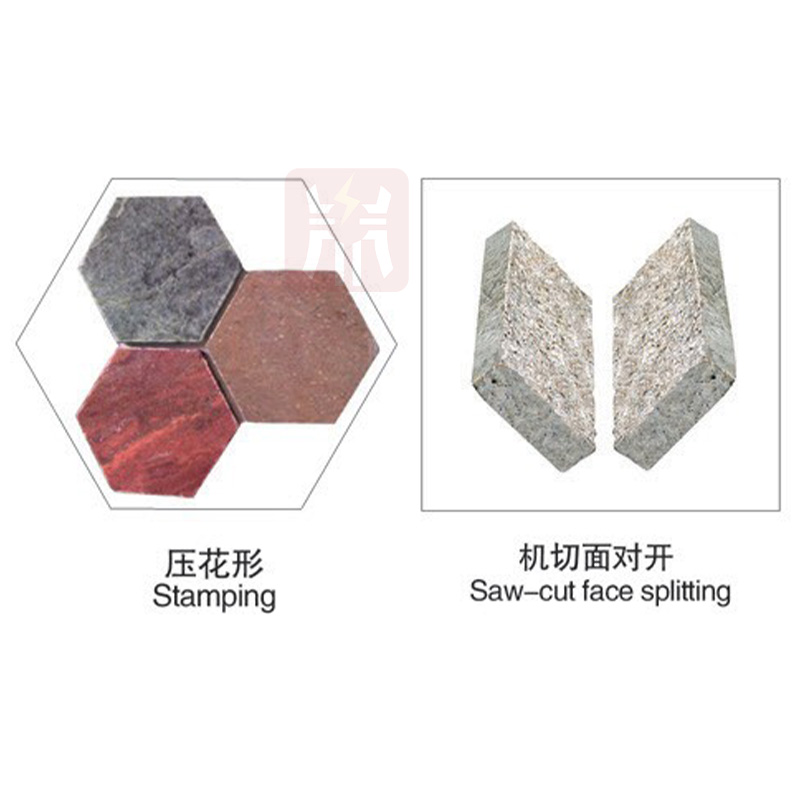
Product & Application Reference
Краткое резюме
Спидон hydraulic stone stamping machine uses hydraulic force and suitable moulds or tooling to create decorative stone products from prepared blanks. It can be evaluated for compatible granite, marble and paving-stone applications. Buyers should confirm the stone type, blank dimensions, desired finished shape, tooling and production requirements before choosing a machine.
Speedone Hydraulic Stone Stamping Machine Features
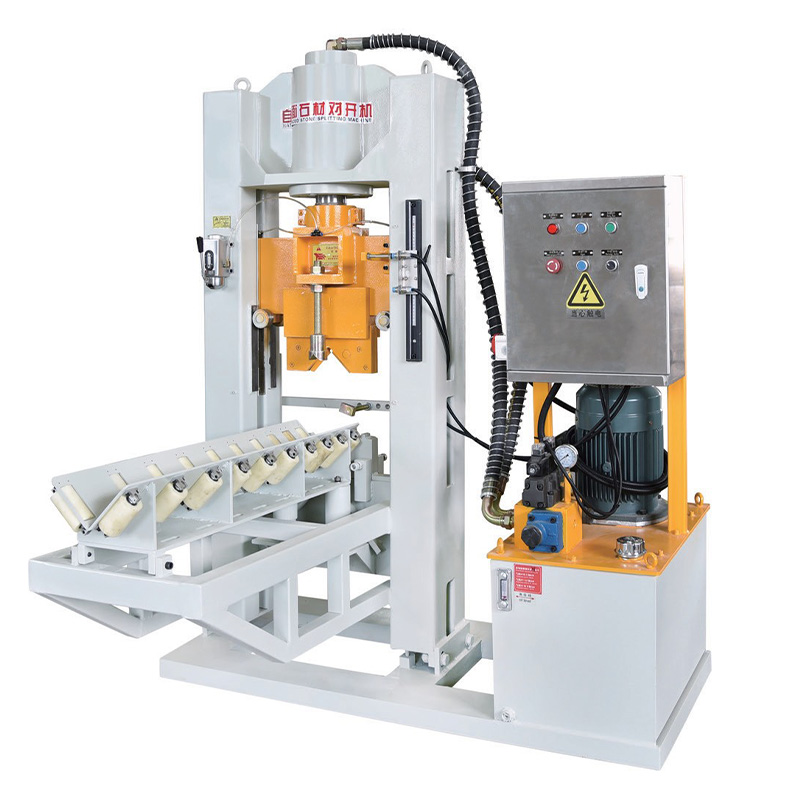
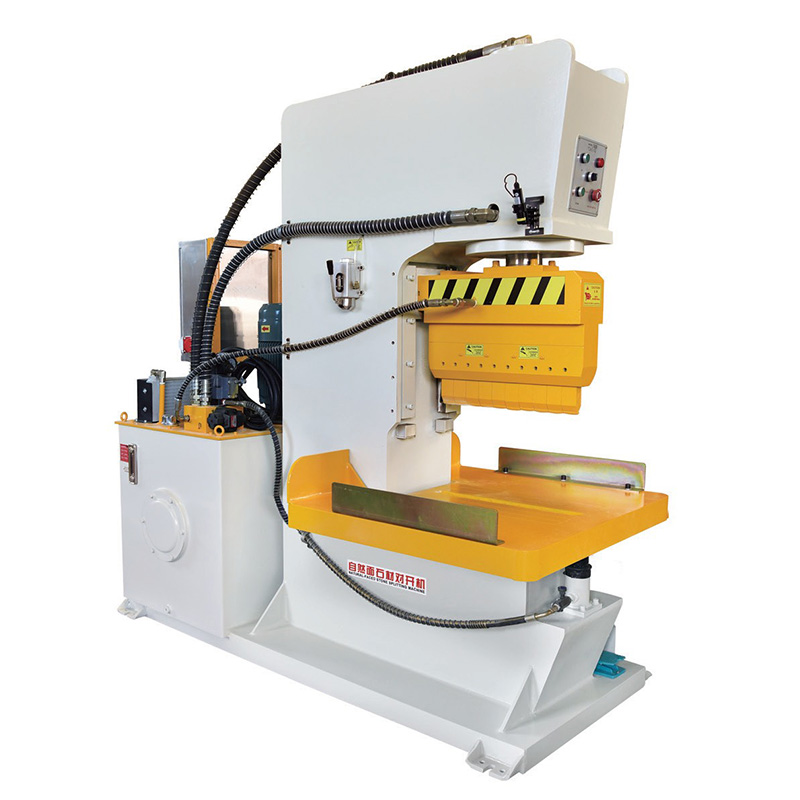
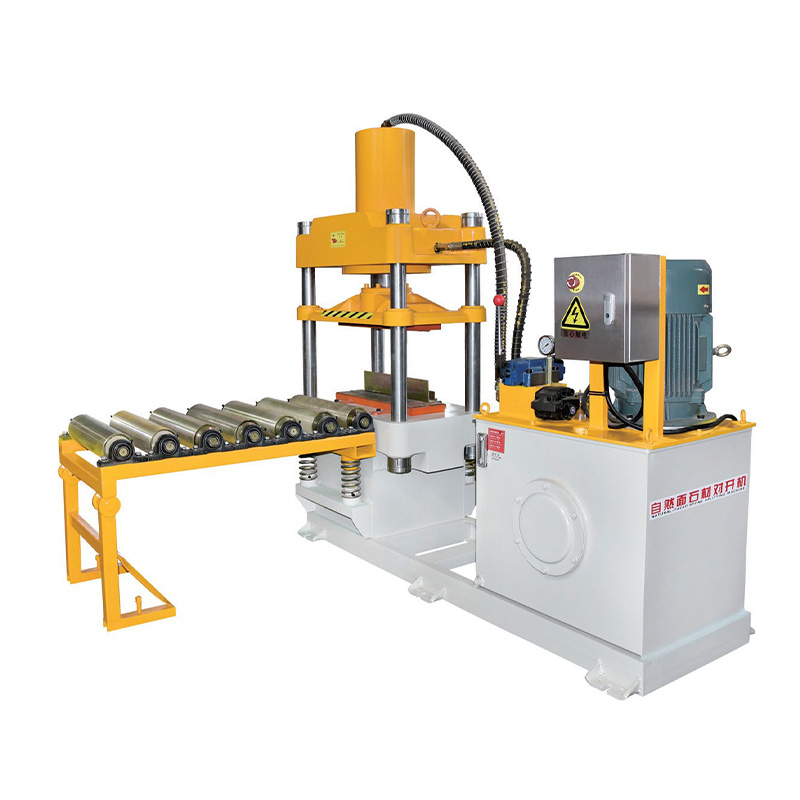
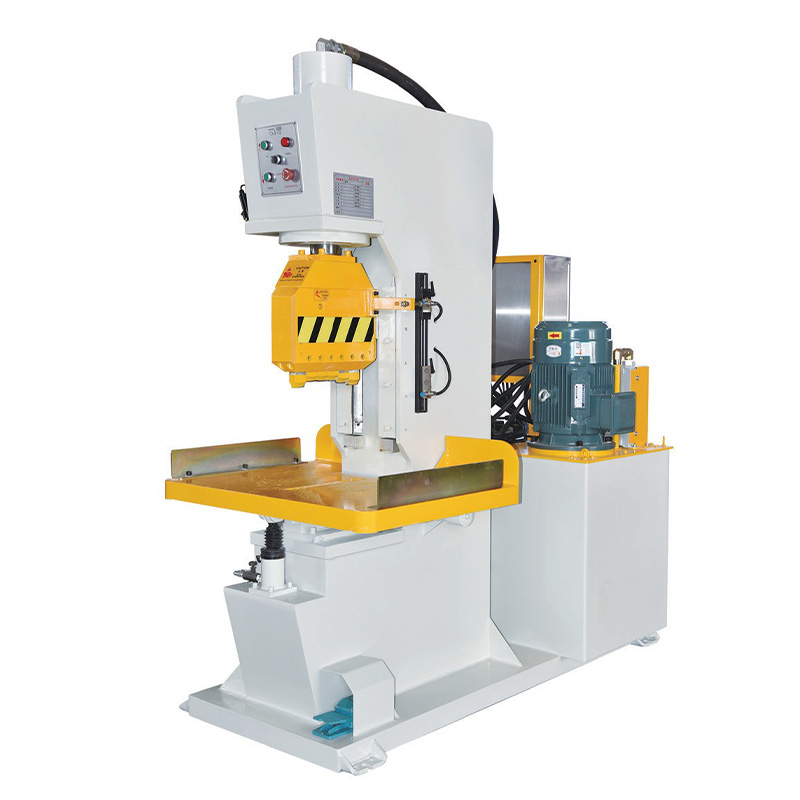
A hydraulic stamping machine combines a supporting frame, pressing assembly, working table, hydraulic power system and operator controls. The final configuration should be confirmed according to the required application.
| Main Component | Функция |
|---|---|
| Main Steel Frame | Supports the pressing assembly and working area. |
| Hydraulic Pressing Head | Transfers hydraulic force toward the approved tooling and stone blank. |
| Рабочий стол | Provides the support and positioning area for prepared stone. |
| Hydraulic Power Section | Provides power for the hydraulic pressing operation. |
| Operator Controls | Allows the operator to control the approved working cycle. |
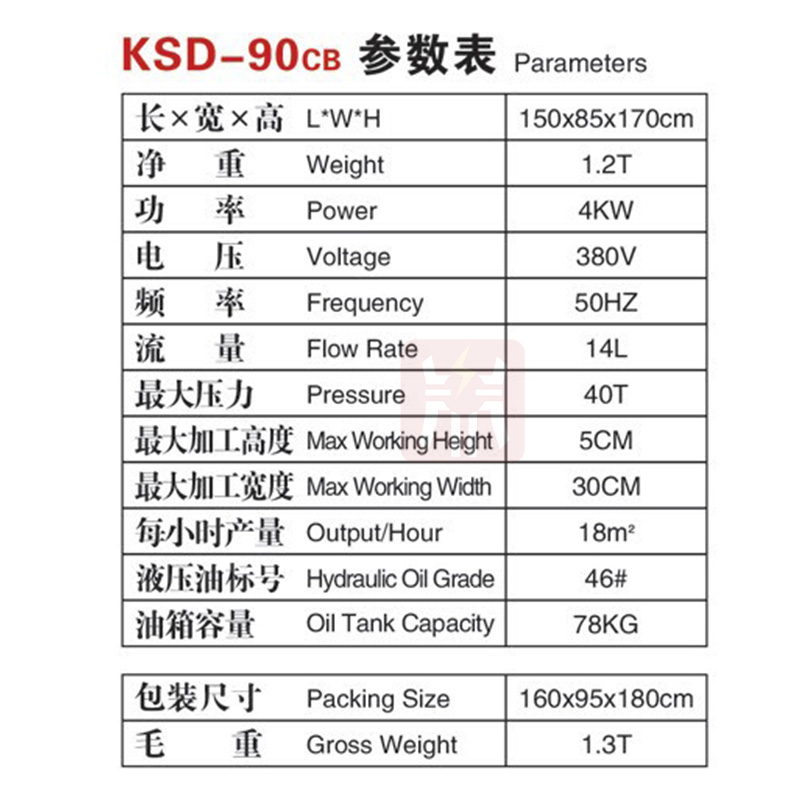
Machine Technical Reference

Structure & Dimensions Reference
Technical Note: Hydraulic working force, motor specifications, working dimensions, tooling options and power requirements should be confirmed for the selected machine configuration. Do not select equipment by hydraulic tonnage alone.
Watch the Hydraulic Stone Stamping Machine
Watch the Speedone product video to understand the machine structure and working process. The correct tooling, stone dimensions and hydraulic settings must be confirmed for each application.
How Does a Hydraulic Stone Stamping Machine Work?
Hydraulic stamping uses a pressing head and approved tooling to apply force to prepared stone. The process should follow the machine manufacturer’s operating instructions and the agreed tooling configuration.
1. Prepare the Stone Blank
Cut and inspect the stone to confirm that its dimensions and condition meet the approved processing requirements.
2. Select and Check the Tooling
Use the required mould or stamping tool according to the approved finished-product design.
3. Position the Workpiece
Place the prepared stone on the working table and verify its support and alignment.
4. Perform the Pressing Cycle
Operate the machine with approved settings so the hydraulic system applies force through the intended tooling.
5. Remove and Inspect
After the pressing head returns to its approved unloading position, inspect the finished stone for cracking, dimensional accuracy and pattern consistency.
Applications for Granite, Marble & Decorative Stone
Hydraulic stamping equipment can be evaluated for different stone materials and decorative-product requirements. Material suitability and tooling must be confirmed before production.
Granite Processing
Suitable prepared granite blanks may be stamped for decorative paving, landscape and architectural stone applications.
Marble Processing
Compatible marble can be processed for decorative products when veins, material quality and tooling requirements are considered.
Decorative Pavers
Suitable tooling may support the production of patterned pavers and decorative stone pieces for outdoor landscaping.
Stone Offcuts and Secondary Products
Stone factories may be able to process selected structurally sound offcuts into smaller decorative products after inspection and pre-sizing. However, cracked or unsuitable stone should not be used simply to reduce material waste.
For countertop fabrication and installation operations, Speedone also offers a Stone Pro seam setter for granite and quartz countertops. This equipment serves countertop positioning and seam adjustment rather than hydraulic stone stamping.
Hydraulic Stone Stamping Machine vs. Stone Splitting Machine
Stone stamping and stone splitting are related stone-processing operations, but they have different objectives. Stamping uses defined tooling to create a controlled decorative effect, while splitting uses mechanical force to fracture stone along an intended line or area.
| Характеристика | Stone Stamping | Stone Splitting |
|---|---|---|
| Process | Hydraulic pressing with defined tooling | Controlled mechanical fracture |
| Typical Result | Tool-defined shape or surface effect | Natural split-face finish |
| Primary Tooling | Stamping mould or pressing tool | Splitting tools |
| Selection Focus | Pattern, tooling and blank compatibility | Stone fracture and split-face requirements |
If your main requirement is producing natural fractured surfaces rather than tool-defined decorative patterns, consider Speedone’s stone splitting machine for granite and marble.
For natural-faced architectural building materials, the stone splitter for granite and building stone is another related processing solution.
Factories that require both decorative effects and split-face production can also review Speedone’s marble splitting machine for split-face and stamping applications.
How to Choose the Right Hydraulic Stone Stamping Machine
The correct machine is determined by your finished product and stone characteristics rather than hydraulic pressure alone. Before requesting a quotation, review the following factors.
1. Stone Type and Quality
Identify the granite, marble or other intended stone material. Note visible cracks, grain structure and any material characteristics that could affect pressing.
2. Blank Dimensions
Confirm normal and maximum blank length, width, thickness and weight.
3. Finished Product and Pattern
Provide product photos or technical drawings. The required decorative effect determines the suitable tooling design.
4. Hydraulic Force and Working Area
Confirm that the pressing force, worktable dimensions and tooling clearance are appropriate for your material and design.
5. Production Requirements
Estimate the required output, product variations, tooling changes and loading method.
6. Factory Installation Requirements
Check available installation space, factory voltage and frequency, handling access and maintenance requirements.
Need Help Choosing a Stone Stamping Machine?
Send Speedone your stone material, blank dimensions, finished-product photos and estimated production requirements. These details can help evaluate the machine and tooling configuration.
Stone Stamping Safety and Maintenance
Hydraulic stamping equipment generates significant mechanical force. Safe operation requires suitable machine guarding, approved tooling, trained personnel and adherence to the machine manufacturer’s instructions.
Operation Safety
- Inspect the stone blank before loading.
- Keep hands clear of the pressing area.
- Check tooling support and alignment.
- Do not bypass safety controls.
- Use suitable lifting and handling methods.
- Follow approved lockout procedures.
Maintenance Checks
- Hydraulic oil and leaks
- Pumps, cylinders and hoses
- Electrical and operator controls
- Pressing-head alignment
- Tooling condition and wear
- Frame, table and safety systems
Related Stone Processing Equipment
If you are comparing different decorative stone processing methods, explore Speedone’s stone stamping machine for granite and marble for a broader product overview.
For operations requiring natural stone fracture rather than stamping, the гидравлическая машина для раскалывания камня offers a different processing approach.
Hydraulic Stone Stamping Machine FAQ
What is a hydraulic stone stamping machine?
It is industrial stone-processing equipment that uses hydraulic force and approved tooling to create a defined shape, pattern or decorative surface on a suitable prepared stone blank.
Can a hydraulic stone stamping machine process granite and marble?
Suitable granite, marble and other stone materials may be processed when the stone dimensions, quality, tooling and machine configuration are compatible.
Can the machine produce decorative stone pavers?
Yes. Decorative paving is one possible application when the prepared stone and tooling meet the required processing conditions.
What is the difference between stone stamping and stone splitting?
Stamping uses defined tooling to create a controlled shape or pattern. Splitting fractures the stone to create a natural split-face effect.
How much hydraulic force is required?
The required force depends on the stone type, blank dimensions, thickness, tooling contact area and required finished product. There is no universal force suitable for every application.
What information should I provide for a quotation?
Provide stone material, blank dimensions, thickness, finished-product photos or drawings, desired pattern, production requirements, factory power supply and available installation space.
Find the Right Hydraulic Stone Stamping Machine for Your Factory
Speedone can review your stone material, required decorative product, tooling and production requirements to discuss a suitable machine configuration.
Please send us:
- Stone type and raw material photos
- Blank length, width and thickness
- Desired finished-product photos or drawings
- Required pattern and tooling information
- Production target per shift or day
- Factory voltage and frequency
- Available installation space
Final Note:
A successful hydraulic stone stamping process starts with the finished product. Define your stone material, blank dimensions, required pattern and production target before selecting the machine. The hydraulic system, tooling and working area should be evaluated together for reliable production planning.