

Glass Suckers for Professional Glass Lifting & Handling
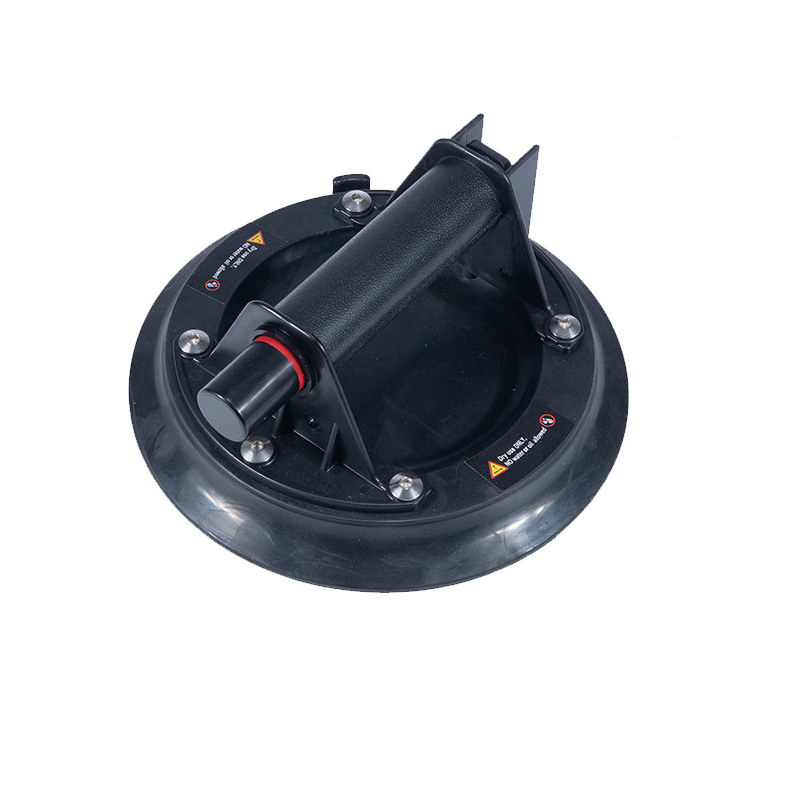
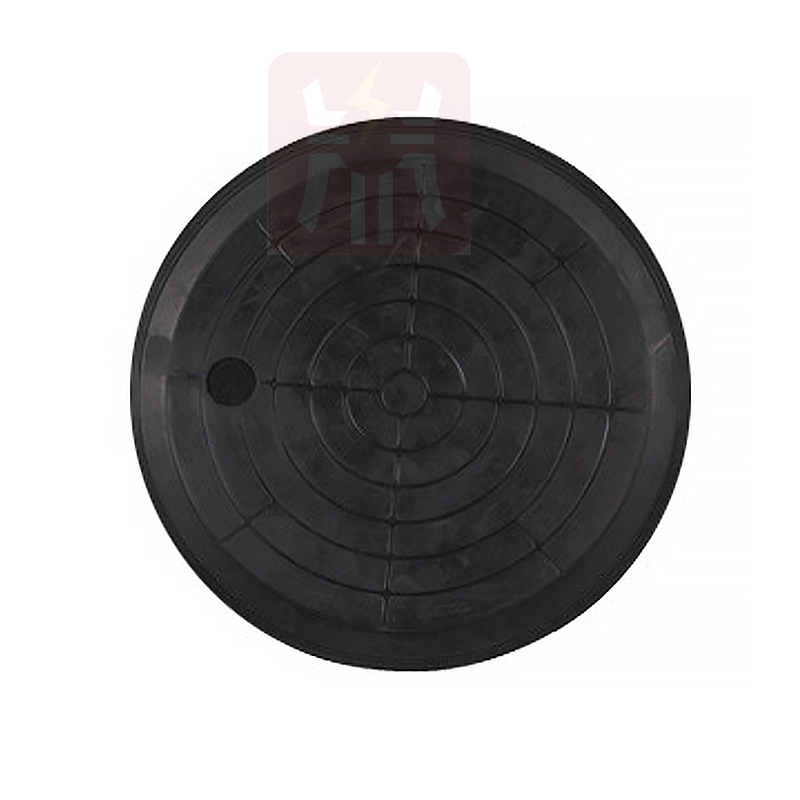
glass suckers
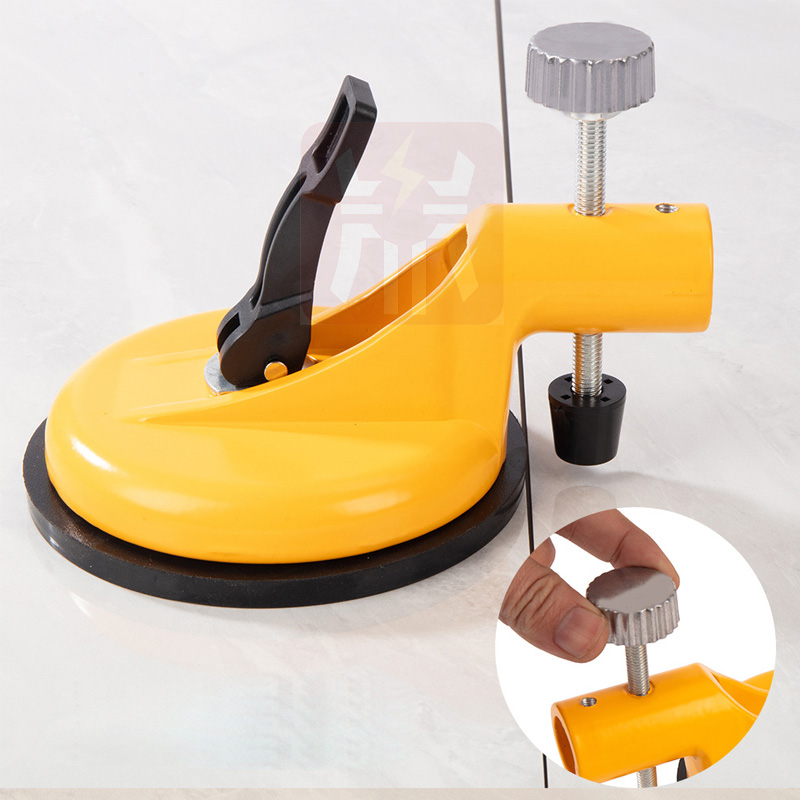
- Model : RS-018S
- Disk diameter : 210mm
- Maximum safe suction force : 120kg
Product Description
Heavy Duty Glass Suckers for Professional Glass Lifting & Handling
What Are Glass Suckers?
|
 |
| Product information parameters | |
Glass suckers are vacuum gripping tools used to create temporary handles on compatible glass surfaces.
They are also commonly called glass suction cups, vacuum cups, glass lifters or vacuum glass suckers.
The basic working principle is simple. A suction pad is placed against the glass, air is removed from the contact area, and the resulting pressure difference helps the pad remain attached to the surface.
This creates a practical gripping point that can help with:
- Lifting glass
- Carrying panels
- Rotating sheets
- Positioning windows
- Moving mirrors
- Installing shower glass
- Controlling architectural panels
Glass suckers are commonly used with:
- Window glass
- Tempered glass
- Laminated glass
- Mirrors
- Shower glass
- Glass doors
- Storefront glazing
- Architectural glass
- Compatible smooth tile and stone
The correct model must always match the material, working orientation and intended load.
Why Professional Installers Use Glass Suckers
Glass is smooth and difficult to grip securely from the edges alone.
As the panel becomes larger, the challenge is not only weight. Balance, rotation and final positioning can become equally important.
Common problems include:
- Limited access to panel edges
- Awkward carrying positions
- Large panel dimensions
- Difficult window positioning
- Rotation during installation
- Restricted access around frames
- Final alignment before fixing
- Handling mirrors without excessive edge contact
More Practical Gripping Points
A glass sucker creates a temporary handle directly on the face of the panel.
Better Panel Control
The installer can use the gripping point to help guide, rotate and position the glass.
Easier Final Positioning
Once the panel reaches its installation area, the suction handle can help with small corrections before permanent fixing.
Useful for Repeated Professional Work
Glaziers and installation teams that handle glass every day can benefit from a more repeatable gripping method.
 |
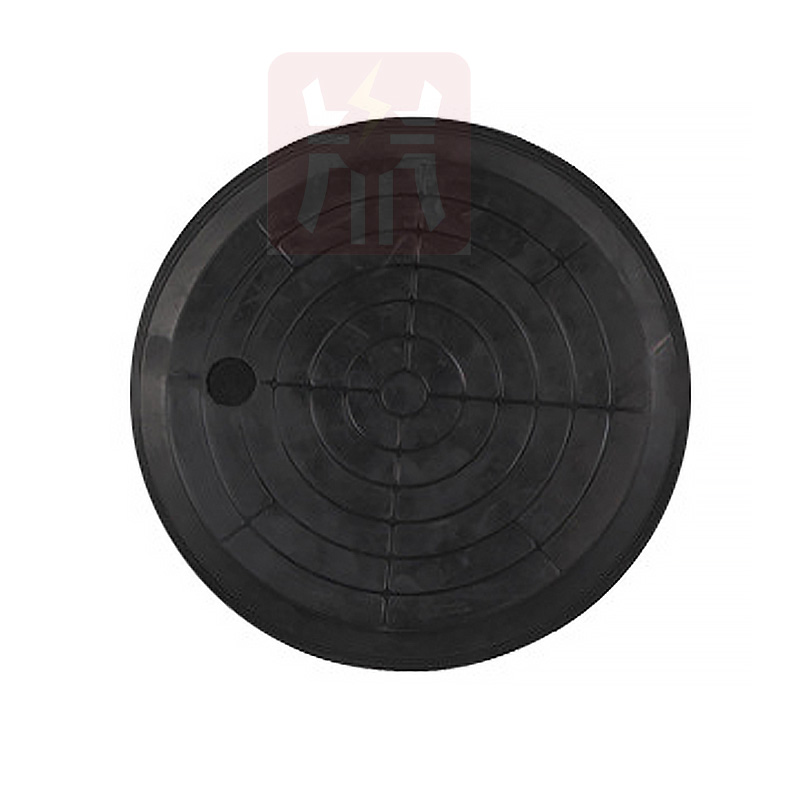 |
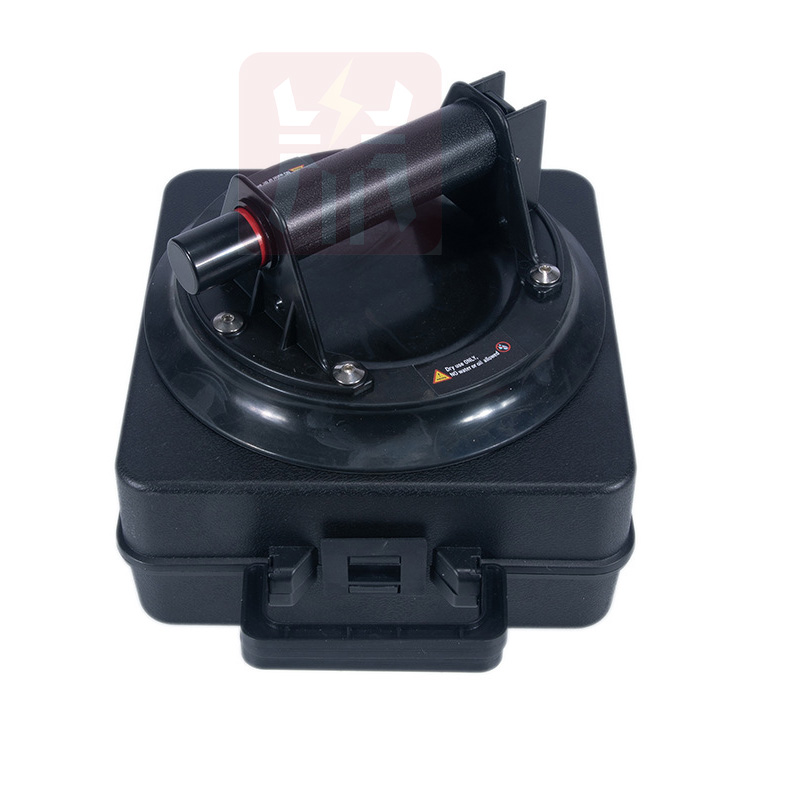
| Product display | |
How Do Glass Suckers Work?
A glass sucker relies on a vacuum seal between the suction pad and the glass.
The method used to create the vacuum depends on the tool design.
Common configurations include:
- Lever-operated glass suckers
- Manual pump vacuum suckers
- Single-cup glass lifters
- Double-cup glass lifters
- Triple-cup glass lifters
- Battery-powered glass suckers
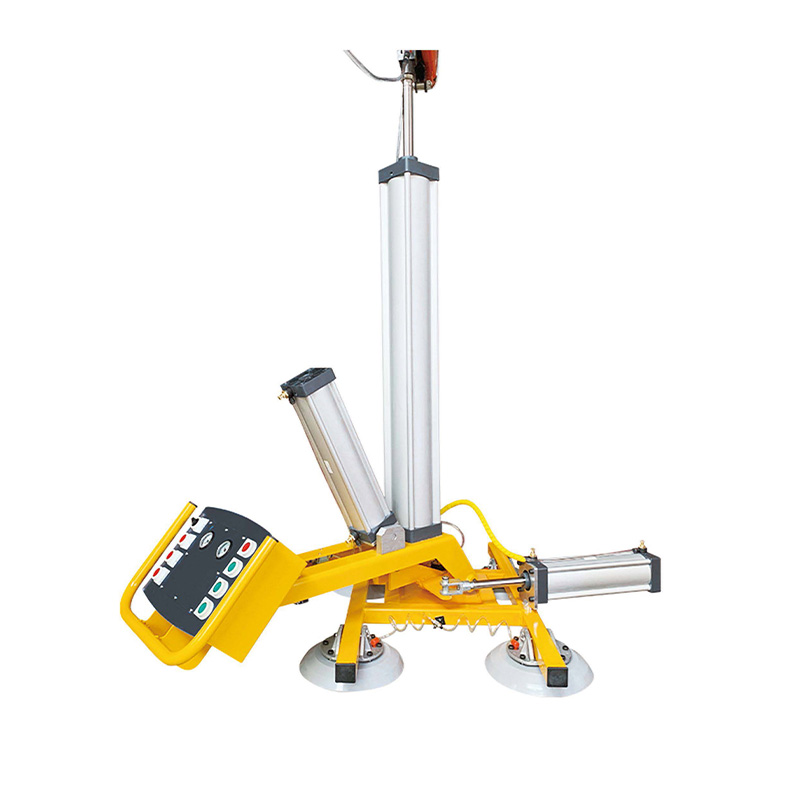
- Electric vacuum glass lifters
- Multi-pad lifting systems
A practical workflow is:
Inspect → Clean → Attach → Create Vacuum → Verify → Lift → Position → Support → Release
Glass Suckers vs. Glass Suction Cups
The terms glass suckers and glass suction cups often describe the same general type of product.
“Glass suction cups” is especially common in North American product descriptions, while “glass suckers” is often used in UK, European and international glazing markets.
For buyers, the terminology matters less than the actual product structure, gripping system and working capacity.
| Search Term | Typical Meaning | Typical Application |
|---|---|---|
| Glass Suckers | Vacuum gripping tools | Glass handling and glazing |
| Glass Suction Cups | Manual or powered suction handles | Glass lifting and positioning |
| Glass Vacuum Lifter | Larger vacuum lifting system | Larger or heavier panels |
For buyers comparing both terms, Speedone’s Glass Suction Cups for Vacuum Lifting and Handling provide a closely related solution for professional glass gripping and positioning.
Heavy Duty Glass Suckers for Professional Use
The phrase heavy duty glass suckers is commonly used for tools intended for repeated or demanding professional handling.
However, buyers should not rely on the words “heavy duty” alone.
Important factors include:
- Rated working capacity
- Number of suction pads
- Vacuum generation method
- Working orientation
- Suction pad condition
- Vacuum monitoring
- Handle design
- Material compatibility
- Replacement components
A small window pane and a large architectural panel may require completely different handling setups.
Manual Glass Suckers
Manual glass suckers remain popular because they are compact and normally do not require an external power source.
Lever Glass Suckers
A lever mechanism changes the shape of the suction pad to create attachment to the glass.
This design can provide quick gripping on suitable smooth surfaces.
Pump Action Glass Suckers
A pump-action model uses repeated manual pumping to create vacuum.
Some professional models include a visual vacuum indicator so the operator can monitor the gripping condition.
Regardless of the mechanism, the attachment should always be checked before the full working load is applied.
Electric Glass Suckers
An electric glass sucker uses powered vacuum generation instead of relying entirely on manual pumping.
This can be useful for repeated professional work or situations where powered vacuum control is preferred.
Depending on the model, electric glass suckers may be used for:
- Windows
- Large glass sheets
- Mirrors
- Glass doors
- Interior glazing
- Compatible tile
- Compatible stone panels
Battery condition, vacuum stability and tool ratings should always be checked before use.
Manual vs. Electric Glass Suckers
| Feature | Manual Glass Sucker | Electric Glass Sucker |
|---|---|---|
| Vacuum generation | Lever or hand pump | Powered pump |
| Power requirement | Usually none | Battery or electrical power |
| Portability | Usually compact | Depends on design |
| Frequent use | Suitable for many installation tasks | Convenient for repeated handling |
| Material compatibility | Model dependent | Model dependent |
Glass Suckers for Window Installation
Window fitting is one of the most common applications for professional glass suckers.
The suction handle gives the installer a practical gripping point while moving the panel toward the opening and making final positioning corrections.
Typical applications include:
- Residential windows
- Replacement glazing
- Commercial windows
- Fixed glass panels
- Storefront glass
- Interior partitions
- Glass doors
The tool configuration should match the panel size, weight, working orientation and number of operators involved.
Glass Suckers for Large Glass Panels
Large glass panels require more planning than smaller pieces.
Even when the weight appears manageable, a wide or tall panel may still be difficult to balance and rotate.
Before handling a large panel, consider:
- Panel width and height
- Total weight
- Glass thickness
- Number of gripping points
- Working orientation
- Required rotation
- Travel path
- Installation height
- Number of operators
Some projects may require several glass suckers or a dedicated vacuum lifting system instead of one hand-held cup.
Glass Suckers for Mirrors
Large mirrors can be difficult to handle from the edges, especially when they need to be positioned accurately on a finished wall.
Suitable glass suckers can provide temporary gripping points during:
- Mirror carrying
- Wall positioning
- Bathroom mirror installation
- Vanity mirror fitting
- Commercial mirror installation
- Decorative mirror placement
The mirror construction, surface condition and tool rating should always be considered before use.
Glass Suckers for Shower Glass
Frameless shower glass is another common professional application.
The installer may need to carry the panel into a restricted bathroom, rotate it and then position it accurately near hinges, channels or brackets.
Temporary suction handles can provide additional gripping points during this process.
Large or heavy shower panels may still require additional installers or other handling equipment.
Glass Suckers for Architectural Glazing
Architectural glazing can involve much larger panels than standard residential glass work.
Applications may include:
- Curtain wall glazing
- Storefront glass
- Glass façades
- Large commercial windows
- Interior glass walls
- Entrance glazing systems
Hand-held glass suckers may assist with positioning, but larger projects can require powered vacuum lifters, manipulators or crane-supported handling systems.
Single, Double and Triple Glass Suckers
Glass suckers are available with different numbers of suction pads.
Single Cup Glass Sucker
A single cup creates one attachment point and may be suitable for smaller compatible panels or positioning tasks.
Double Cup Glass Sucker
A double-cup design uses two gripping areas connected to one handle assembly.
This can provide additional control for suitable applications.
Triple Cup Glass Sucker
A triple-cup configuration creates three contact points and may be useful for selected professional handling tasks.
More suction pads do not automatically mean the tool is suitable for every load. Always check the rated capacity of the actual product.
Glass Suckers for Smooth and Textured Surfaces
Surface condition has a major effect on vacuum gripping.
Smooth Glass
Clean, flat glass generally provides favorable conditions for conventional suction pads.
Coated Glass
Surface coatings can change gripping conditions, so compatibility should be checked before use.
Patterned or Textured Glass
Deep surface texture can prevent an airtight seal from forming.
A specialized suction system may be required.
Contaminated Glass
Dust, grease, moisture and sealant residue can reduce vacuum stability.
The contact area should be clean before attachment.
Glass Suckers vs. Tile Suction Cups
Vacuum handling is also widely used for large-format tile and porcelain.
The operating principle is similar, but tile surfaces may be smooth, matte or textured and therefore require different gripping equipment.
Installers who work with both glass and tile can compare Speedone’s Tile Suction Cup for Large Format Porcelain and Stone for tile-focused material handling.
Glass Suckers in Kitchen and Interior Installation
Professional fit-out companies often perform several different installation tasks within the same project.
A kitchen or interior project may involve cabinets, glass panels, tile and countertops.
Each stage needs a different type of tool.
For upper cabinets, Speedone’s Cabinet Jack for Upper Cabinet Installation provides temporary vertical support while the cabinet is positioned and fixed.
For broader cabinet-support applications, the Cabinet Support Tool for Wall Cabinet Installation provides another adjustable support option.
Glass suckers, by comparison, are designed to create vacuum gripping points directly on compatible glass or smooth panels.
Glass Suckers vs. Countertop Seam Tools
Vacuum gripping is also used in countertop installation, but the purpose is different.
A glass sucker creates a handle for lifting or positioning a panel.
A countertop seam tool uses gripping points as part of a system for adjusting two countertop sections relative to each other.
| Tool | Main Function | Typical Application |
|---|---|---|
| Glass Sucker | Gripping and handling | Glass panels |
| Tile Suction Cup | Tile gripping and positioning | Large-format tile |
| Countertop Seam Tool | Seam closing and alignment | Granite and quartz countertops |
| Stone Seam Setter | Precision joint positioning | Stone fabrication and installation |
When granite or quartz sections have already been positioned and only joint adjustment remains, Speedone’s Countertop Seam Tool for Granite and Quartz provides a more suitable solution for that precision stage.
Glass Handling and Stone Seam Setting
Some fabrication shops work with glass, granite, quartz and porcelain in the same production environment.
This makes it important to select the tool according to the task.
Glass suckers are mainly used for temporary gripping and handling.
When the job changes to closing, aligning and leveling a fabricated stone seam, Speedone’s Stone Pro Seam Setter for Granite and Quartz Countertops provides a dedicated precision-adjustment solution.
How to Use Glass Suckers
Inspect the Glass
Check the panel for cracks, edge damage or other visible defects before handling.
Inspect the Glass Sucker
Check the suction pad, handle, pump, seal and other working components.
Clean the Contact Surface
Remove dust, grease, moisture and other contamination from the gripping area.
Position the Suction Pad
Choose a suitable flat location while considering panel balance and movement direction.
Create the Vacuum
Operate the lever, pump or powered system according to the manufacturer’s instructions.
Check the Grip
Confirm stable attachment before applying the full working load.
Begin Movement Gradually
Avoid sudden jerking, shock loading and uncontrolled changes in direction.
Monitor the Attachment
If the tool includes a vacuum indicator, continue monitoring it during handling.
Position and Support the Glass
Make sure the panel is safely supported before releasing the suction tool.
Release the Vacuum Correctly
Use the intended release mechanism instead of pulling the pad away by force.
How to Choose the Right Glass Suckers
Panel Size
A small window and a large architectural panel require different handling setups.
Panel Weight
Always compare the actual load with the manufacturer’s stated working capacity.
Glass Surface
Check whether the glass is flat, coated, patterned or textured.
Number of Suction Cups
Large panels may require several gripping points or a dedicated vacuum lifting frame.
Vacuum Generation
Choose between lever, hand pump and powered systems according to the application.
Vacuum Monitoring
A gauge or visual indicator can provide useful feedback on professional models.
Working Orientation
Do not assume the same capacity applies in every direction. Follow the manufacturer’s stated working limits.
Handle Design
The handle should provide practical control without interfering with the glass or surrounding installation area.
Replacement Components
Suction pads and seals are working parts. Availability of replacements can be important for professional users.
Common Problems When Using Glass Suckers
The Glass Sucker Will Not Attach
Check the surface for dirt, excessive texture, pad damage or problems with the vacuum mechanism.
The Vacuum Slowly Drops
Stop handling and safely support the panel before checking the pad, seal and contact surface.
The Panel Is Difficult to Balance
Review the position and number of gripping points instead of relying on one poorly positioned cup.
The Glass Is Too Large
Use an appropriately rated multi-point or mechanical lifting system where required.
The Suction Pad Leaves Marks
Clean both the glass and the suction pad and test sensitive surfaces before full handling.
The Glass Is Textured
Conventional suction pads may not create a reliable seal on heavily textured surfaces. Specialized equipment may be necessary.
Glass Sucker Safety Tips
Glass suckers should always be treated as professional material-handling tools.
- Inspect the suction pads before use
- Keep contact surfaces clean
- Verify vacuum before moving the panel
- Follow the rated working capacity
- Check the permitted working orientation
- Avoid shock loading
- Use multiple gripping points when required
- Stop immediately if vacuum becomes unstable
- Keep personnel clear of suspended glass
- Use suitable personal protective equipment
- Use additional installers when the panel requires them
- Use rated mechanical lifting equipment for larger loads when appropriate
Who Uses Glass Suckers?
- Professional glaziers
- Window installers
- Glass fabrication workshops
- Mirror installers
- Shower enclosure installers
- Storefront glazing contractors
- Curtain wall contractors
- Interior fit-out teams
- Construction companies
- Glass tool distributors
Why Choose Speedone?
Speedone provides professional tools for glass, tile, stone, countertop and interior installation applications.
The purpose of a professional glass sucker is simple: create a practical temporary gripping point so compatible panels can be handled and positioned with better control.
A practical glass-handling workflow is:
Inspect → Clean → Attach → Verify → Lift → Carry → Position → Support → Release
Professional contractors often work across several stages of the same project, including cabinet installation, glass placement, tile handling and stone countertop fitting. Using the correct tool for each stage creates a clearer and more efficient workflow.
Frequently Asked Questions
What are glass suckers?
Glass suckers are vacuum gripping tools that create temporary attachment points on compatible glass surfaces to help with lifting, carrying and positioning.
Are glass suckers the same as glass suction cups?
The terms are commonly used for the same general type of vacuum glass-handling tool. Naming varies by manufacturer and market.
What are glass suckers used for?
They are commonly used for windows, mirrors, shower glass, glass doors, storefront glazing and other compatible smooth glass panels.
Can glass suckers lift large glass panels?
Suitable professional equipment can assist with large glass panels, but the correct number of suction points and handling system depend on panel size, weight, working direction and equipment ratings.
Are manual or electric glass suckers better?
Neither is always better. Manual models offer a simple portable solution, while powered systems can be useful for repeated or more demanding professional handling.
Can glass suckers be used on mirrors?
Suitable models may be used on compatible smooth mirror surfaces when the panel construction, surface condition and tool rating are appropriate.
Can glass suckers work on textured glass?
Deep texture can prevent conventional suction pads from forming a reliable seal. Specialized equipment may be required.
Can glass suckers be used on tile or stone?
Some models are suitable for several compatible smooth materials, including glass, tile and polished stone. Material compatibility should always be checked for the specific tool.
How many glass suckers are needed for a large panel?
There is no universal number. Panel size, weight, balance, working orientation, equipment ratings and the complete handling method all need to be considered.
What should I look for when buying glass suckers?
Important factors include rated working capacity, suction-pad configuration, vacuum generation method, vacuum monitoring, material compatibility, working orientation, handle design and replacement components.
Related Products