

Tile Sucker for Ceramic & Porcelain Tiles | Speedone
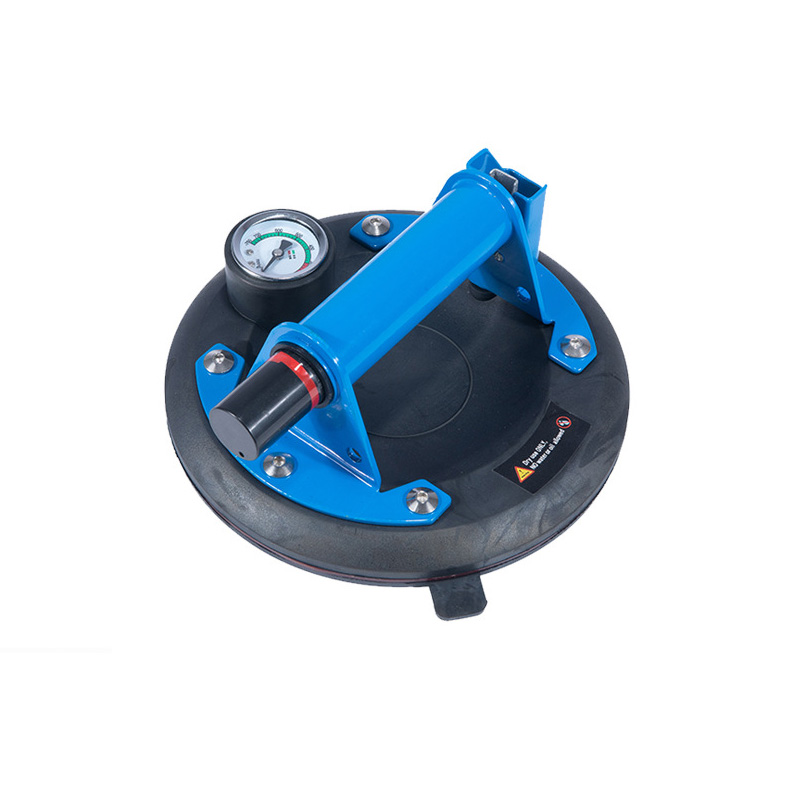
tile sucker
- Model : RS-025S
- Disk diameter : 200mm
- Maximum safe suction force : 200kg
Product Description
Professional Tile Sucker for Ceramic & Porcelain Tile Handling
What Is a Tile Sucker?
|
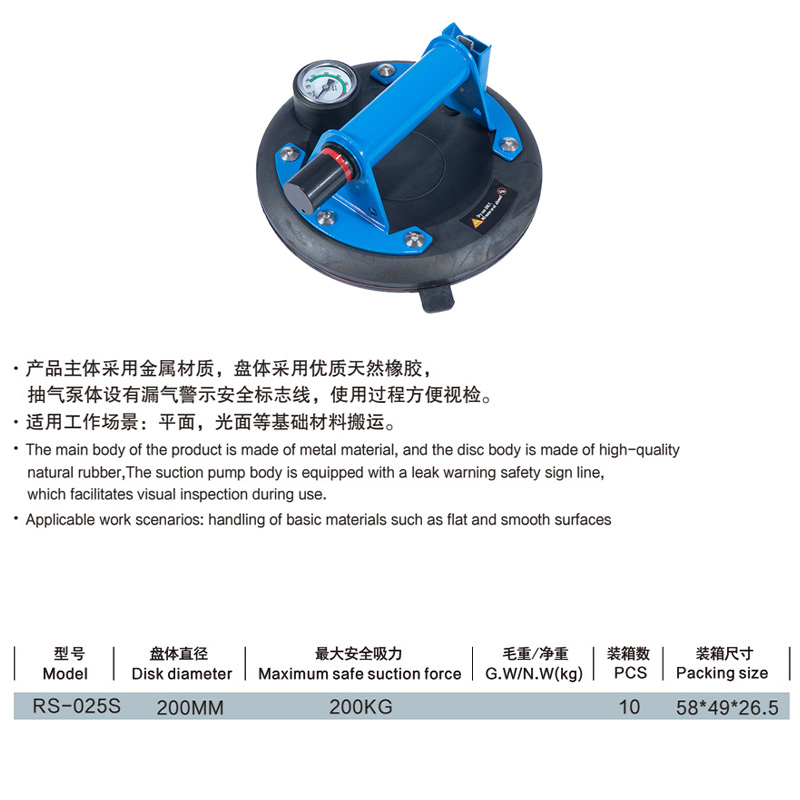 |
| Product information parameters | |
A tile sucker is a suction gripping tool that attaches temporarily to a compatible tile surface.
It gives the installer a practical handle on the face of the tile, which can be useful when holding the material by its edges is difficult or inconvenient.
Depending on the model, suction may be created by:
- A locking lever
- A manual vacuum pump
- A powered vacuum pump
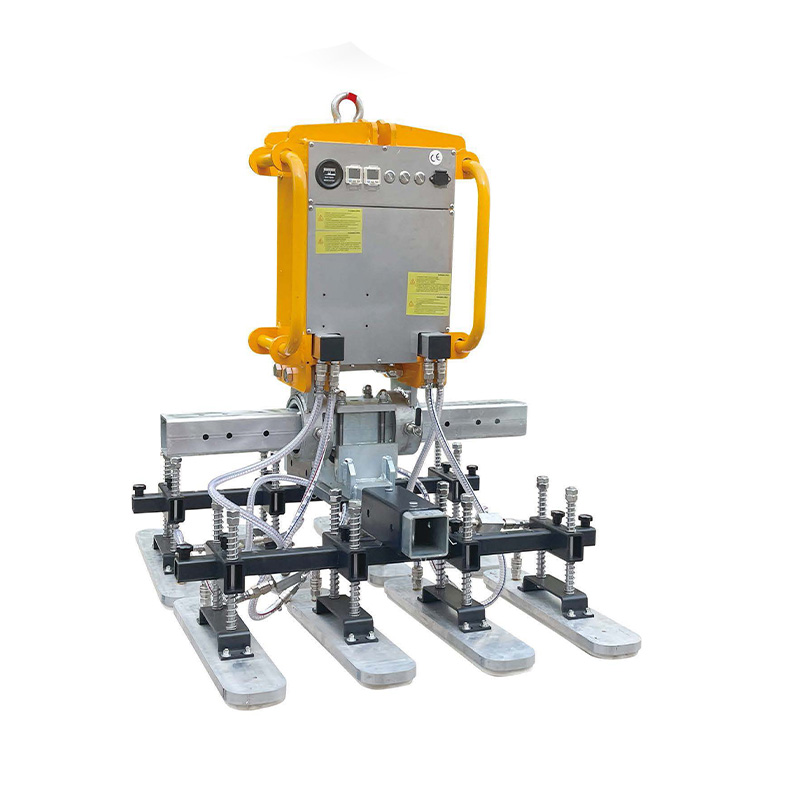
- A multi-pad gripping system
Tile suckers are also commonly called tile suction cups, vacuum tile lifters, tile lifting suction cups or suction lifters for tiles.
The product name is less important than the actual specification. Buyers should focus on surface compatibility, rated working capacity, suction-pad design and intended use.
Why Do Professional Tile Installers Use Tile Suckers?
Tile installation involves more than simply carrying a tile from one place to another.
A tile may need to move from storage to a cutting table, then to the installation area, and finally into its exact position on a wall or floor.
During these steps, large or smooth tiles can be awkward to grip by their edges.
A suitable tile sucker provides another gripping point and can help installers maintain better control.
Easier Tile Transfer
The suction handle can make it easier to move compatible tiles between workstations and installation areas.
More Controlled Positioning
The installer can use the handle to guide the tile toward its final position.
Better Access Near Walls and Corners
When tile edges are difficult to reach, a gripping point on the tile face can be especially useful.
Helpful for Final Adjustments
Before the tile is fully installed, the suction tool may help with small positioning corrections.
A tile sucker does not reduce the actual weight of the tile. Large or heavy panels may still require additional installers or a dedicated handling system.
 |
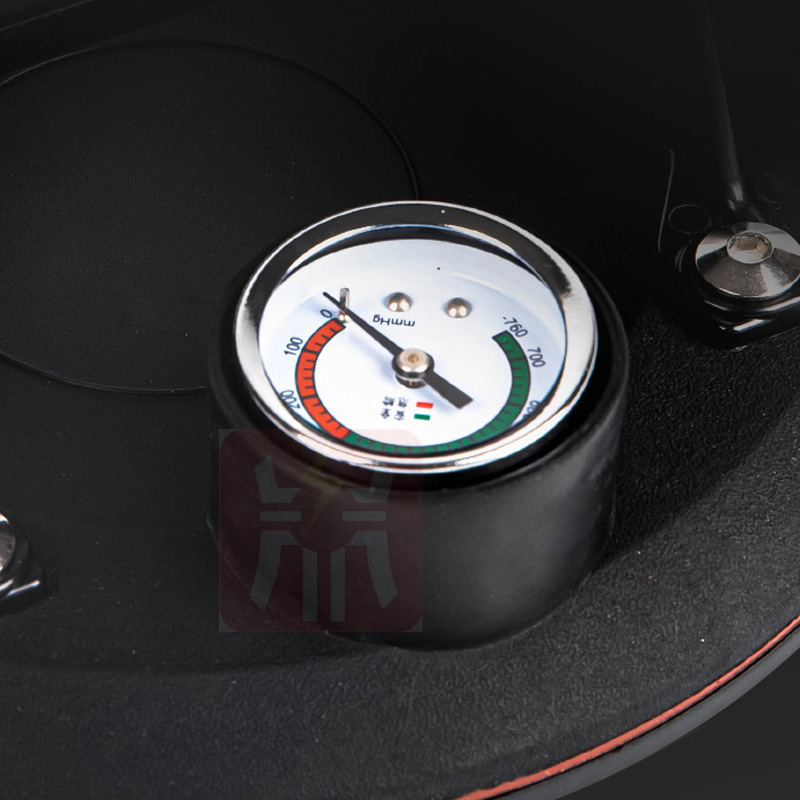 |
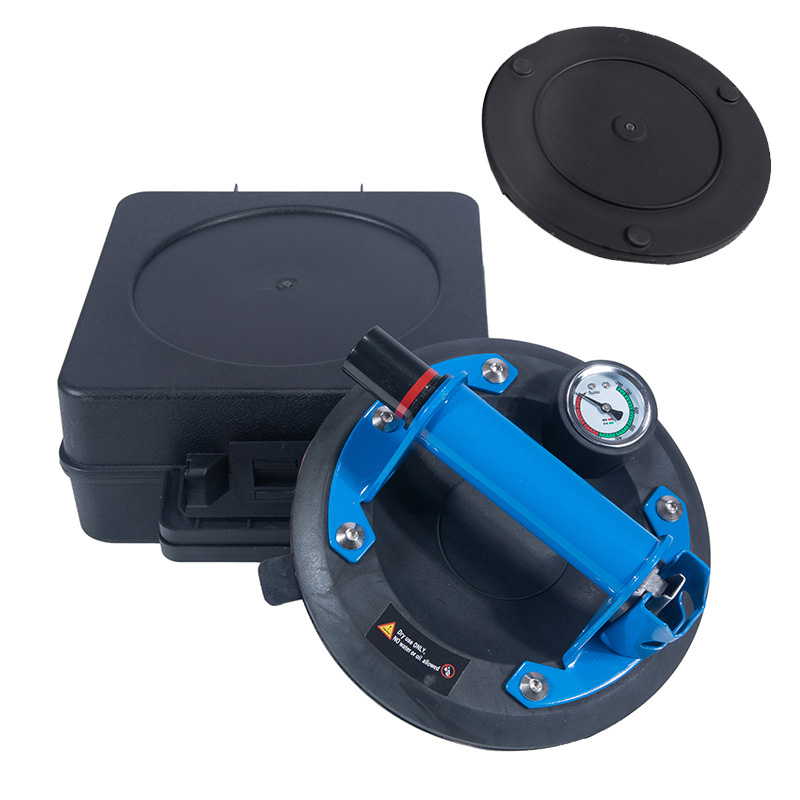
| Product details presentation | |
How Does a Tile Sucker Work?
A tile sucker creates a pressure difference between the area underneath the suction pad and the surrounding air.
The pad is placed against a suitable tile surface. Air is then removed or displaced. If the pad forms a proper seal, the tool attaches temporarily to the tile.
The quality of this attachment depends on several factors:
- Tile surface finish
- Pad condition
- Available contact area
- Vacuum level
- Tile weight
- Handling direction
- Tool construction
A practical workflow is:
Inspect → Clean → Position → Activate → Verify → Lift → Place → Support → Release
The most important step is to verify the grip before moving the tile.
Tile Sucker vs. Tile Suction Cup
Tile sucker and tile suction cup are often used for the same general product category.
Different countries, suppliers and buyers may use different wording, but the buying decision should be based on the product specification rather than the name.
| Search Term | Typical Meaning |
|---|---|
| Tile Sucker | General tile gripping and handling tool |
| Tile Suction Cup | Common professional product term |
| Vacuum Tile Sucker | Vacuum-operated tile handling tool |
| Tile Sucker Lifter | Tool used to assist with tile lifting |
| Porcelain Tile Sucker | Suction tool for compatible porcelain tile |
Different Types of Tile Suckers
Manual Lever Tile Sucker
A manual lever model uses a mechanical lever to create and release suction.
These tools are usually compact, portable and do not require a battery.
They can be practical for suitable smooth ceramic, porcelain and other compatible non-porous surfaces.
Pump-Action Tile Sucker
A pump-action model uses a hand pump to create vacuum.
Some professional designs include a vacuum indicator that helps the installer check whether the required attachment has been reached.
This type can be useful for repeated installation work where the user wants more direct vacuum control.
Electric Tile Sucker
An electric tile sucker uses a powered vacuum pump.
Depending on the model, features may include vacuum monitoring, automatic vacuum restoration or battery-status information.
Electric operation can make repeated work more convenient, but it does not automatically increase safe working capacity.
Double and Multi-Pad Tile Suckers
Some tools use two or more suction pads connected to one handle or supporting structure.
Multiple gripping points may provide more control for certain tiles.
Always use the rated working capacity of the complete tool. Do not calculate capacity by simply adding the theoretical capacity of individual pads.
Manual vs. Electric Tile Sucker
| Feature | Manual Tile Sucker | Electric Tile Sucker |
|---|---|---|
| Vacuum generation | Lever or manual pump | Powered pump |
| Power required | Usually no | Battery or electrical supply |
| Portability | Usually high | Depends on the model |
| Vacuum monitoring | Available on some models | Available on some models |
| Maintenance | Pad and mechanical inspection | Pad, pump and electrical inspection |
| Best choice | Depends on the application | Depends on the application |
Neither type is automatically better. The correct choice depends on the tile surface, frequency of use and required handling method.
Tile Sucker for Ceramic Tile
Ceramic tiles are widely used on floors, walls, kitchens and bathrooms.
Smooth glazed ceramic surfaces can provide good contact conditions for suitable suction tools.
A tile sucker may help with:
- Moving tiles after cutting
- Carrying tiles to the installation area
- Positioning wall tiles
- Lowering floor tiles into place
- Making small alignment corrections
For smaller tiles, one compact suction tool may be enough for an approved task. As tile dimensions increase, the installer should also consider balance and the number of gripping points needed.
Tile Sucker for Porcelain Tile
Porcelain tile is available in many different surface finishes.
Polished porcelain may provide a relatively smooth contact surface, while matte, structured or embossed porcelain can be more difficult for a conventional suction pad.
The more pronounced the texture, the harder it can be to create and maintain a reliable seal.
For this reason, buyers should match the suction pad to the actual porcelain surface rather than assuming one tile sucker works on every finish.
Tile Sucker for Large Format Tiles
Large-format porcelain panels require more planning than conventional tiles.
As the panel becomes wider and longer, edge-only handling becomes more difficult and balance becomes increasingly important.
A large panel may require:
- Several suction points
- More than one installer
- A dedicated carrying frame
- Other approved panel-handling equipment
A single tile sucker may provide a useful gripping point, but it should not automatically be considered sufficient for a large-format panel.
For more specialized applications, see Speedone’s tile suction cup for large-format porcelain and stone.
Tile Sucker for Wall Tile Installation
Wall tile installation requires the installer to hold a tile near a vertical surface while controlling height and alignment.
A suitable tile sucker provides a gripping point on the front face of the tile.
This can be especially useful around:
- Wall corners
- Bathroom niches
- Shower areas
- Window openings
- Kitchen backsplashes
- Decorative wall features
Once the tile reaches its final location, the suction handle may also help with small positioning adjustments.
The tile must still be installed using the correct adhesive, substrate and fixing method. A suction cup is temporary handling equipment, not permanent support.
Tile Sucker for Floor Tile Installation
Large floor tiles need controlled placement onto prepared adhesive.
A suitable suction tool allows the installer to grip the tile from its face and guide it into place relative to surrounding tiles and layout lines.
After placement, the tool may help with minor positioning corrections before the tile is fully set.
Do not use the suction handle to force a tile through hardened adhesive or perform movements outside the tool’s intended function.
Tile Sucker for Tile Cutting and Fabrication
Tiles may move through several preparation stages before installation.
A typical workflow can include:
Measure → Mark → Cut → Drill → Finish → Transfer → Install
A suitable tile sucker can help transfer compatible pieces between workstations.
After wet cutting, check the contact area before attaching the suction tool. Water, slurry, loose particles or dust may affect the seal.
Freshly cut tile edges can also be sharp, so suitable protective equipment is still required.
Tile Sucker for Smooth Tiles
Smooth tile surfaces are generally easier for conventional suction pads to grip.
Examples can include:
- Glazed ceramic tile
- Polished porcelain
- Other smooth, compatible non-porous finishes
The pad still needs to match the actual surface and working load.
A strong initial attachment does not mean the tool can be used beyond its rated working capacity.
Tile Sucker for Textured Tiles
Textured tile requires more careful tool selection.
Surface structure can create small air paths underneath the pad. If too much air enters, the suction cup may not maintain the required vacuum.
Some specialized pads are designed for certain textured surfaces, but no single tile sucker should automatically be assumed suitable for every rough or structured tile.
For professional installers and distributors, testing the tool with the actual tile type can help determine whether a particular model is appropriate.
Tile Sucker vs. Glass Suction Cups
Tile suckers and glass suction cups use similar vacuum-gripping principles, but the materials can behave differently.
Glass normally provides a smooth, non-porous surface. Tile surfaces range from polished and glazed to matte, embossed and deeply structured.
This makes suction-pad selection especially important for tile applications.
For customers working mainly with glass, Speedone’s glass suction cups for vacuum lifting and handling focus on professional glazing applications.
| Tool | Main Application | Key Selection Factor |
|---|---|---|
| Tile Sucker | Ceramic and porcelain tile | Surface finish and tile size |
| Glass Suction Cup | Glass and glazing panels | Panel weight, dimensions and surface |
| Large-Format Tile System | Large porcelain panels | Multiple gripping points and handling setup |
| Countertop Seam Setter | Countertop joint adjustment | Joint closing and alignment |
Tile Sucker vs. Countertop Seam Setter
A tile sucker and a countertop seam setter may both use suction pads, but their functions are different.
The tile sucker is mainly used for gripping and positioning tile.
A countertop seam setter is used after stone countertop sections are positioned. Its job is to help close and align the joint between adjoining pieces.
For granite and quartz work, Speedone’s countertop seam tool for granite and quartz is designed for that precision adjustment stage.
Tile Sucker in Granite and Quartz Installation
Some contractors work with tile, granite and engineered quartz within the same kitchen or bathroom project.
Although suction-based tools may appear in all three areas, the equipment should not be treated as interchangeable.
A general tile sucker is mainly used for compatible tile surfaces.
Stone countertops can require different handling tools because of their weight and dimensions.
After countertop pieces are safely positioned, Speedone’s Stone Pro seam setter for granite and quartz countertops can be used for the joint-alignment stage.
Tile Sucker in Kitchen Installation
Kitchen installation can involve cabinets, worktops, backsplash tiles and glass components.
Each stage needs a tool designed for its specific job.
A tile sucker can help with compatible backsplash or floor tiles.
An upper wall cabinet, however, needs temporary vertical support while it is positioned and permanently fixed.
For that stage, Speedone’s cabinet jack for upper cabinet installation provides a dedicated support solution.
Tile Sucker in Bathroom Installation
Bathroom projects often combine porcelain wall tiles, ceramic floor tiles, mirrors, shower glass and wall-mounted cabinets.
A tile sucker can assist with compatible tile surfaces, while glass and cabinetry may require different tools.
For temporary support during wall cabinet installation, Speedone’s cabinet support tool for wall cabinet installation serves a separate purpose.
Using the correct tool for each stage creates a clearer and more professional installation workflow.
How to Use a Tile Sucker Correctly
1. Inspect the Tile
Check the material for cracks, chips or other damage.
Confirm its approximate dimensions and weight before selecting the tool.
2. Inspect the Tile Sucker
Check the suction pad, handle, lever, pump and sealing edges.
Do not use damaged equipment.
3. Confirm Surface Compatibility
Determine whether the tile is glazed, polished, matte, textured or porous.
Use a product approved for the actual surface.
4. Prepare the Contact Area
Remove loose dust and contamination according to the product instructions.
5. Position the Tool
Place the suction pad on a suitable contact area.
Avoid damaged sections, edges and severe surface irregularities unless the product is specifically designed for them.
6. Activate the Suction
Operate the lever, manual pump or powered system according to the model instructions.
7. Verify the Grip
Confirm that the required attachment has been established before moving the tile.
8. Lift Gradually
Avoid sudden jerking, shock loading and uncontrolled rotation.
9. Position the Tile
Guide the tile into the installation area and make the required placement adjustments.
10. Support Before Release
Make sure the tile is safely supported before releasing the suction mechanism.
How to Choose the Right Tile Sucker
Tile Material
Identify whether the main application is ceramic, polished porcelain, textured porcelain or another approved material.
Tile Size
Larger tiles can require more than one gripping point even when the total weight is within a tool’s rated limit.
Surface Finish
A suction pad can behave differently on polished and deeply structured surfaces.
Vacuum System
Choose between manual lever, pump-action and powered models according to how the tool will be used.
Rated Working Capacity
Use the manufacturer’s stated capacity for the complete tool.
Do not estimate safe capacity based only on suction-pad size.
Handling Direction
Confirm whether the product is approved for the planned horizontal or vertical handling operation.
Number of Gripping Points
Large or difficult-to-balance tiles may require several suction cups or a dedicated carrying system.
Maintenance
Professional users should consider pad condition, seal replacement, pump maintenance and spare-part availability.
Common Tile Sucker Problems
The Tile Sucker Will Not Stick
Possible causes include surface texture, contamination, a damaged pad or an ineffective vacuum mechanism.
Do not begin lifting until the required grip has been established.
It Works on Glass but Not Porcelain
The porcelain surface may be more textured or porous than the glass surface.
A different suction-pad design may be required.
Suction Becomes Weaker
Stop moving the tile and place it in a safe supported position.
Check the pad, seal and contact surface before continuing.
The Tile Is Difficult to Balance
One gripping point may not provide enough control for the tile dimensions.
Additional suction points or another handling system may be needed.
The Suction Pad Leaves a Mark
Check pad cleanliness and confirm that the contact material is suitable for the tile finish.
A Large Tile Feels Unstable
Do not assume one suction cup is enough.
Review the complete handling setup and use additional suitable equipment when required.
How to Maintain a Tile Sucker
The suction pad is one of the most important parts of the tool.
Its condition directly affects the ability to form a suitable seal.
- Keep the pad clean according to the manufacturer’s instructions.
- Inspect sealing edges for cuts or damage.
- Do not store the tool with the pad permanently compressed.
- Check the pump mechanism on pump-action models.
- Make sure vacuum indicators work correctly where provided.
- Replace worn components when required.
For professional contractors, suction-tool inspection should be part of the normal working routine.
Tile Sucker Safety Tips
- Inspect both the tile and tool before use.
- Confirm that the surface is compatible with the suction pad.
- Do not exceed the manufacturer’s rated working capacity.
- Verify the grip before moving the tile.
- Avoid sudden acceleration and shock loading.
- Avoid uncontrolled rotation.
- Keep people clear of areas where material could fall.
- Use additional installers when required.
- Use a dedicated carrying system for demanding large-format work.
- Do not connect a hand-held tile sucker to a crane unless specifically approved.
- Always support the tile before releasing the suction cup.
Who Uses Tile Suckers?
- Tile installers
- Flooring contractors
- Bathroom renovation companies
- Kitchen installers
- Porcelain fabricators
- Construction contractors
- Tile and stone shops
- Professional tool distributors
Why Choose Speedone?
Speedone supplies professional handling and installation tools for tile, glass, stone and related materials.
The purpose of a professional tile sucker is simple: create a practical temporary gripping point that makes compatible tiles easier to move and position.
For contractors and distributors, product selection should follow the actual job:
Tile Material → Surface Finish → Dimensions → Weight → Suction System → Handling Direction → Rated Capacity
This approach is more useful than choosing a tool only because it is described as powerful or heavy duty.
Looking for a Tile Sucker?Contact Speedone with your tile material, dimensions, weight and surface finish to discuss suitable tile gripping and handling options for your installation work.
Frequently Asked Questions
What is a tile sucker?
A tile sucker is a suction gripping tool that creates a temporary handling point on compatible ceramic or porcelain tiles during lifting, carrying and positioning.
Is a tile sucker the same as a tile suction cup?
The terms are commonly used for the same general product category. Surface compatibility, working capacity and tool design are more important than the naming difference.
Can a tile sucker lift porcelain tiles?
Suitable tile suckers can assist with compatible porcelain tiles. Check the surface finish, dimensions, weight and approved operating conditions first.
Can a tile sucker work on textured tiles?
Some specialized suction tools are designed for certain textured surfaces. Conventional pads may not create a reliable seal on deeply structured tile.
Can a tile sucker be used for wall tiles?
Yes. Suitable models can help position compatible wall tiles. The tile must still be permanently installed using the correct adhesive and support method.
Can a tile sucker be used for floor tiles?
Suitable tile suckers can help lift, lower and position compatible floor tiles during installation.
Can one tile sucker lift a large-format tile?
Not necessarily. Large panels may require multiple gripping points, additional installers or a dedicated carrying system.
Which is better, a manual or electric tile sucker?
Both can be suitable. The best choice depends on the material, surface, frequency of use and specifications of the actual tool.
Why will my tile sucker not stick to porcelain?
The porcelain may be textured, porous or contaminated. The pad may also be dirty, worn or unsuitable for the surface.
Can a tile sucker be used on glass?
Some models may be suitable for both tile and glass, but compatibility must be confirmed from the product specifications.
How should a tile sucker be maintained?
Keep the pad clean, inspect the sealing edge and vacuum mechanism, protect the pad from damage and replace worn parts when required.
What should I check before buying a tile sucker?
Check tile material, surface finish, dimensions, weight, suction-pad design, vacuum mechanism, rated capacity, handling direction and maintenance requirements.
Related Products
Slab Display Stands In Showroom
Steel A – Frame Storage and Display Rack ...