

Industrial Suction Cups for Glass & Stone | Speedone
industrial suction cups
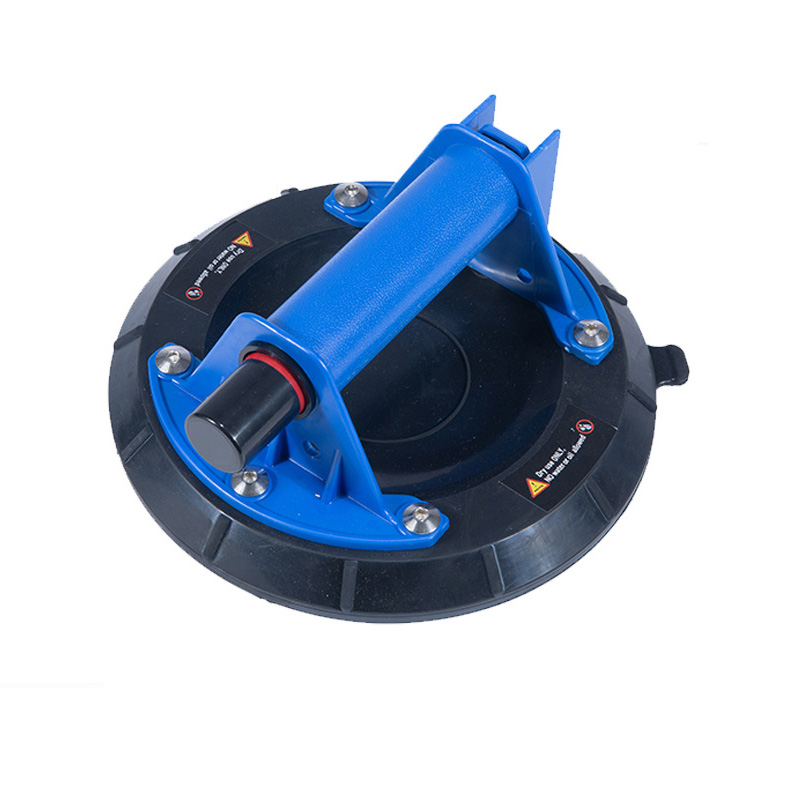
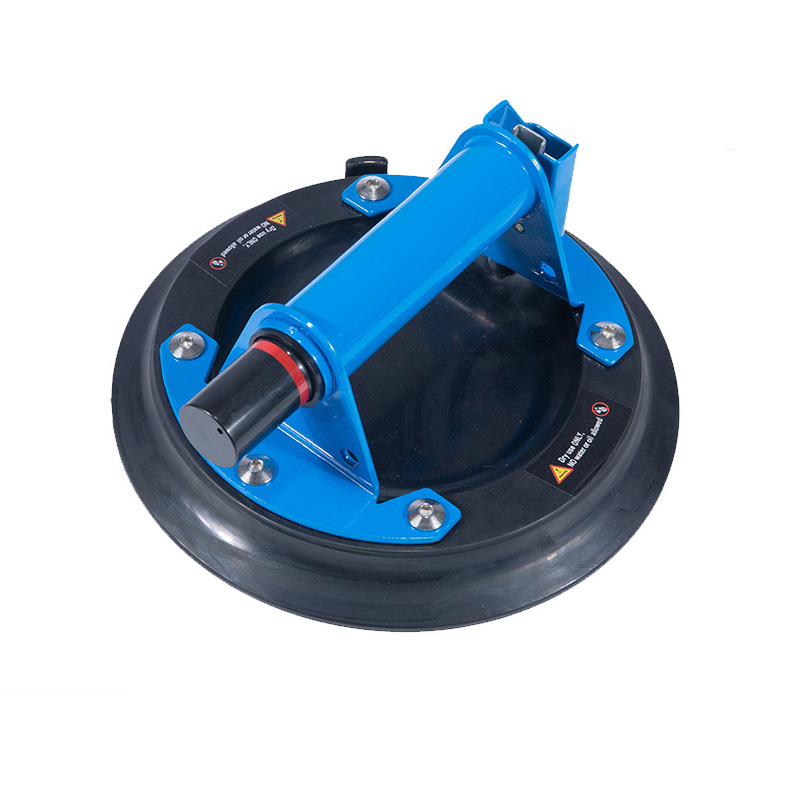
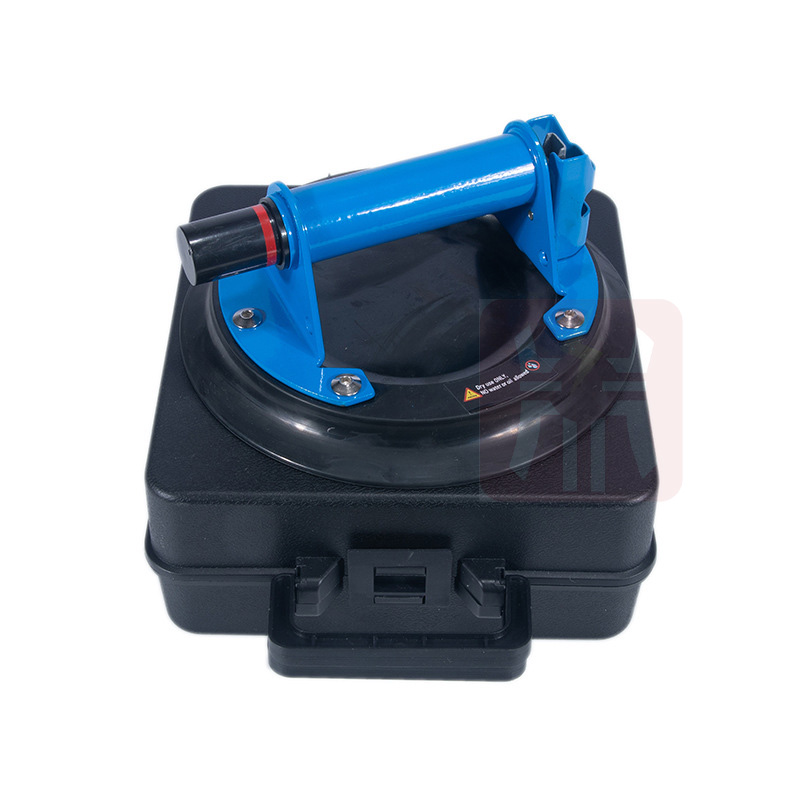
- Model : RS-022S
- Disk diameter : 210mm
- Maximum safe suction force : 120kg
Product Description
Industrial Suction Cups for Glass, Metal & Stone Handling
What Are Industrial Suction Cups?
|
 |
| Product information parameters | |
Industrial suction cups are vacuum gripping tools or components used to hold compatible materials during handling and positioning.
They create a temporary grip on the material surface. This can provide an alternative to holding a panel only by its edges.
Industrial suction cups may be part of:
- Portable hand-held suction tools
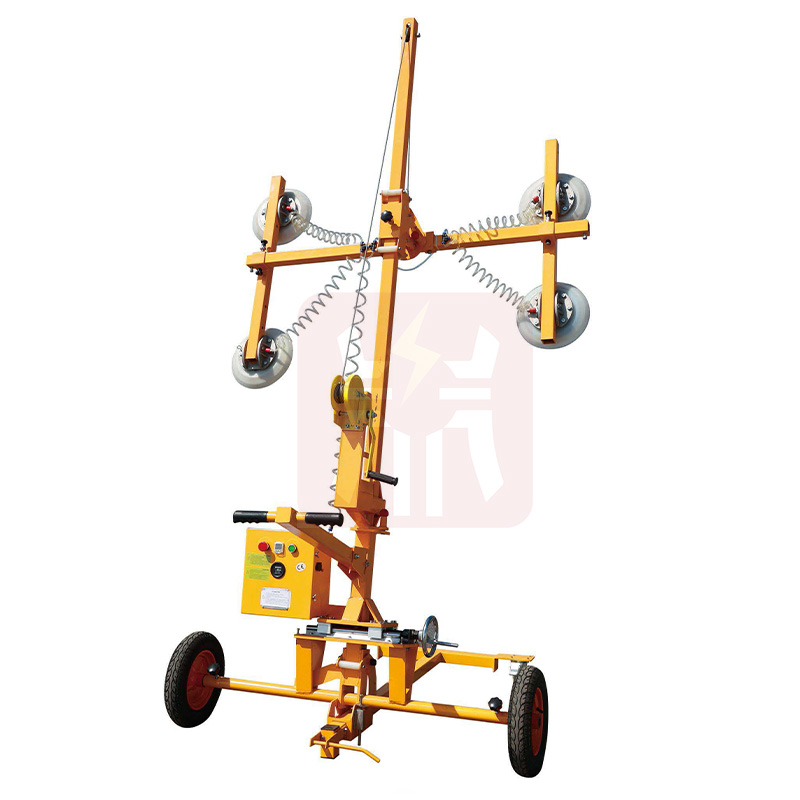
- Powered vacuum handling equipment
- Multi-pad lifting frames
- Production-line transfer systems
- Automated gripping equipment
These products are not interchangeable. A hand-held suction cup intended for manual positioning is different from a complete vacuum lifting system designed for mechanical lifting.
Always choose equipment intended and rated for the actual task.
Why Use Industrial Suction Cups?
Large sheets and finished panels can be awkward to handle. Their edges may be difficult to reach, and they often need careful positioning during production or installation.
A suitable suction system creates gripping points on the material face. Depending on its design, it can assist with:
- Moving panels between workstations
- Positioning sheets on fabrication tables
- Loading and unloading suitable equipment
- Handling glass during installation
- Transferring compatible stone pieces
- Positioning metal sheets before processing
- Moving approved panels during assembly
More Flexible Gripping Positions
Suction pads can provide contact points on suitable areas of a panel instead of relying only on its edges.
Controlled Panel Positioning
A properly selected tool can help the operator guide a compatible panel toward its intended position.
Options for Different Workflows
Manual, electric and pneumatic vacuum systems serve different handling needs. The correct choice depends on the workpiece and operating environment.
Vacuum gripping is one part of a complete handling process. It does not remove the need for suitable supporting equipment, trained operators or safe working procedures.
How Do Industrial Suction Cups Work?
An industrial suction cup has a contact pad that forms a seal against a suitable material surface.
Air is removed from the space between the pad and the material. The resulting pressure difference helps hold the pad in place.
The grip depends on more than the suction cup’s size. Important factors include:
- Material type and surface finish
- Condition of the contact pad
- Achieved vacuum level
- Available contact area
- Panel weight and balance
- Direction of movement
- Rated capacity of the complete system
The tool must establish the required attachment before the material is moved. The operator should then monitor the system according to the manufacturer’s instructions.
A typical process is:
Inspect → Prepare → Attach → Verify → Move → Position → Support → Release
 |
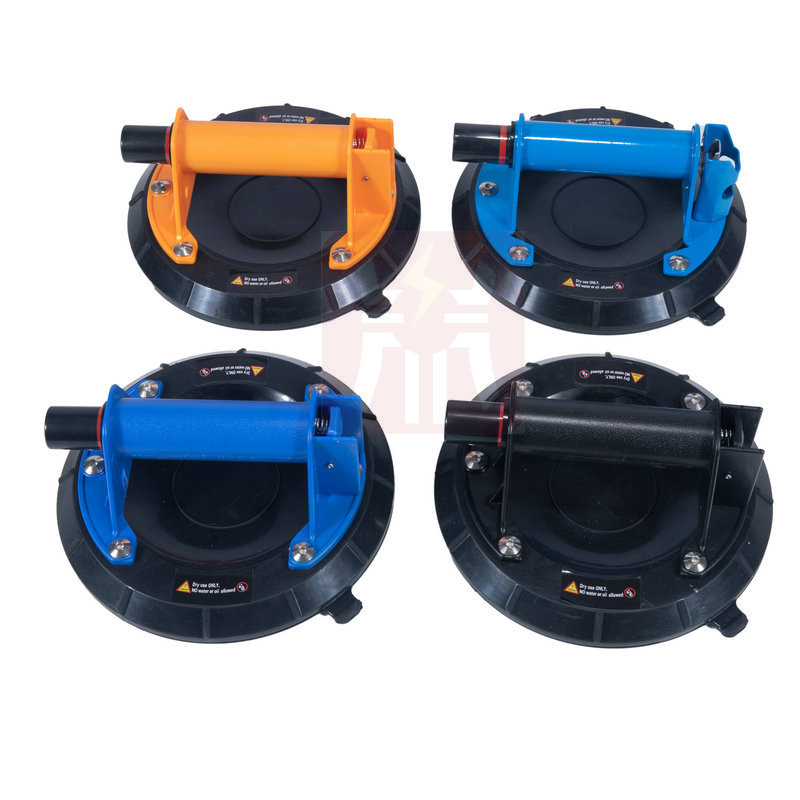 |
| Product packaging and various model displays | |
Types of Industrial Suction Cups
Industrial suction equipment comes in several configurations. The right type depends on whether the job involves manual handling, machine-assisted lifting or automated transfer.
Manual Industrial Suction Cups
Manual models usually have a suction pad, a handle and a lever or hand-operated vacuum mechanism.
They can be practical for approved gripping and positioning tasks where portable equipment is suitable.
A manual suction handle must not be attached to a crane or hoist unless the manufacturer specifically approves it for that use.
Pump-Action Suction Cups
Pump-action tools use a hand pump to create vacuum. Some models include an indicator that helps the operator check the attachment.
They may suit repeated manual handling of compatible materials within the tool’s approved working limits.
Electric Industrial Suction Cups
Electric models use a powered pump to generate vacuum. Depending on the design, they may include vacuum monitoring, alarms or automatic pump operation.
These features can be useful in certain repeated handling tasks. However, an electric pump does not automatically make a tool suitable for heavier loads or every material surface.
Pneumatic Vacuum Systems
Some industrial systems use compressed air to generate vacuum. They may be used as part of factory machinery or automated gripping equipment.
The complete machine must be designed for the workpiece, operating speed and handling conditions.
Multi-Pad Vacuum Handling Systems
Large or difficult-to-balance panels may require several suction points on a dedicated frame.
The number and placement of pads must follow the approved design of the complete system. Do not calculate a permitted load by simply adding the advertised capacities of individual cups.
Portable Suction Cups vs. Industrial Vacuum Handling Systems
| Feature | Portable Suction Cup | Industrial Vacuum System |
|---|---|---|
| Typical use | Approved manual gripping and positioning | Dedicated panel handling or material transfer |
| Vacuum generation | Often lever or hand pump | Manual, electric or pneumatic, depending on design |
| Gripping arrangement | Integrated pad and handle | May include several pads and a supporting frame |
| Mechanical lifting | Only if specifically approved | Only when designed and rated for that operation |
| Working capacity | Check the complete tool rating | Check the complete system rating |
The word “industrial” does not establish a particular lifting capacity. Compare documented specifications and intended uses before choosing a product.
Industrial Suction Cups for Glass Handling
Glass panels can be difficult to grip by their edges, especially when workers need to rotate or position them accurately.
Suitable industrial suction cups may assist with:
- Glass-sheet transfer
- Window and glass door installation
- Storefront glazing
- Mirror handling
- Interior glass partitions
- Approved glass fabrication tasks
Before handling glass, check the panel dimensions, weight, condition, balance and intended direction of movement.
For glass-specific installation tools, explore Speedone’s glass suction cups for vacuum lifting and handling.
Industrial Suction Cups for Metal Sheets
Metal fabrication shops often move sheets between storage, cutting, processing and assembly areas.
A suitable vacuum system may provide gripping points on compatible flat metal surfaces.
Possible applications include:
- Steel-sheet handling
- Aluminum-sheet transfer
- Positioning panels on worktables
- Loading approved fabrication equipment
- Moving suitable finished sheets
Metal surfaces require careful checking. Oil, coatings, perforations, curvature and dirt can affect the seal. Thin sheets may also flex during movement.
Choose a complete system that is approved for the material and supports the sheet appropriately.
Industrial Suction Cups for Stone Fabrication
Stone workshops handle granite, marble, engineered quartz and other panel materials at different stages of production.
Some industrial suction systems can grip compatible smooth stone surfaces for approved handling or positioning tasks.
However, stone can be heavy even when the piece looks relatively small. Its size, weight, finish and condition must all be considered.
A portable suction handle is not a universal replacement for a rated slab lifter, lifting clamp or dedicated stone-handling machine.
Industrial Suction Cups for Porcelain Panels
Porcelain panels may need careful transfer and positioning during fabrication or installation.
Surface finish is especially important. A suction pad that works on smooth porcelain may not seal properly on deeply textured material.
Large panels may also need several gripping points or a dedicated carrying frame.
For a tile-focused application, see Speedone’s tile suction cup for large-format porcelain and stone.
Industrial Suction Cups in Automated Production
Industrial suction pads may also be used as gripping components in automated equipment.
Depending on the complete machine design, they can support tasks such as:
- Picking up suitable sheets
- Moving panels between workstations
- Loading and unloading approved machinery
- Positioning compatible parts during assembly
Automated handling requires more than choosing a suction pad. The system designer must consider the material, vacuum supply, pad arrangement, movement, controls and safe response if attachment is lost.
Do not assume that a portable hand-held suction cup can be installed on a robot, crane or production machine.
Choosing the Right Suction Pad
The suction pad must match the material and operating conditions. Different shapes and contact materials serve different purposes.
Flat Pads
Flat pads are commonly considered for suitable smooth and relatively flat workpieces.
Flexible Pads
Some applications use flexible pad designs to accommodate specific shapes or positioning needs. Their suitability depends on the actual load and material.
Pads for Specialized Surfaces
Certain pads are designed for specific surface conditions. Do not assume that a conventional pad can seal on porous or heavily textured materials.
Pad selection should also account for possible surface marking, temperature, contamination and wear.
Which Material Surfaces Are Suitable?
A stable seal is essential for vacuum gripping. Before choosing equipment, check the actual contact surface.
Smooth Glass and Polished Materials
Clean, flat and relatively non-porous surfaces can provide suitable contact conditions for compatible suction pads.
Coated Metal Sheets
Paint and protective coatings may affect sealing or be sensitive to pad contact. Confirm compatibility before handling finished panels.
Textured Porcelain
Surface texture can prevent a conventional pad from forming a reliable seal. Some materials may need specialized equipment.
Porous Stone
Air leakage through a porous material may prevent an adequate attachment. Use only a system approved for the actual surface.
Dirty or Wet Surfaces
Dust, oil, slurry and moisture can affect suction performance. Prepare the contact area according to the equipment manufacturer’s instructions.
How to Choose Industrial Suction Cups for the Working Load
Do not select vacuum equipment by comparing a single advertised suction-force figure with the panel weight.
Check the complete handling arrangement, including:
- Actual material weight
- Panel width, length and thickness
- Center of gravity
- Surface finish and contact area
- Number and position of suction pads
- Horizontal or vertical handling
- Any rotation or tilting
- Movement and acceleration
- Rated capacity of the complete system
A system intended for horizontal handling may not be approved for vertical lifting or rotation. Confirm every required movement before ordering.
Industrial Suction Cups vs. Mechanical Lifting Equipment
Vacuum gripping is one material-handling method. Other jobs may require lifting clamps, slings, forklift attachments or dedicated lifting frames.
| Equipment | Main Function | Typical Use |
|---|---|---|
| Industrial Suction Cup | Temporary vacuum gripping | Approved panel handling |
| Vacuum Lifting Frame | Supported multi-point lifting | Approved large-panel handling |
| Lifting Clamp | Mechanical gripping | Materials approved for the clamp |
| Forklift Attachment | Material handling with a compatible forklift | Approved industrial handling tasks |
| Portable Suction Handle | Manual gripping and positioning | Approved hand-held applications |
The suitable method depends on the material, load, equipment rating and required movement.
Industrial Suction Cups vs. Countertop Seam Tools
Industrial suction cups and countertop seam tools may both use vacuum pads, but they solve different problems.
A handling suction cup creates a temporary grip for moving or positioning a compatible panel. A seam tool adjusts the joint between two countertop sections after they are safely supported.
For granite and quartz joint installation, Speedone’s countertop seam tool for granite and quartz provides a more task-specific option.
When the job requires fine joint closing and alignment, installers can also explore the stone pro seam setter for granite and quartz countertops.
These seam-setting tools should not be treated as general-purpose lifting devices.
Related Tools for Interior Installation
Some contractors handle glass panels, stone countertops and wall cabinets within the same project. Each stage needs equipment designed for its own task.
For temporary support during upper cabinet installation, Speedone offers a cabinet jack for upper cabinet installation.
For related wall cabinet positioning work, see the cabinet support tool for wall cabinet installation.
Cabinet support tools provide temporary vertical support. Industrial suction cups provide gripping points on approved material surfaces. They are not interchangeable.
How to Use Industrial Suction Cups
The exact operating method depends on the equipment. A portable hand tool, powered vacuum lifter and automated machine may have different procedures.
1. Identify the Material and Task
Confirm the material, dimensions, actual weight, contact surface and intended movement.
2. Check Equipment Suitability
Verify that the complete tool or system is approved for the material, load, working environment and handling direction.
3. Inspect the Equipment
Check the pads, seals, handles, pumps, hoses and other relevant parts. Do not use damaged equipment.
4. Prepare the Contact Surface
Remove contamination that could interfere with the required seal, following the manufacturer’s instructions.
5. Position the Pads
Use the approved pad arrangement and consider the panel’s balance and available contact area.
6. Create the Vacuum
Operate the manual, electric or pneumatic system according to the specific equipment instructions.
7. Verify the Attachment
Confirm that the required vacuum and any relevant monitoring conditions have been achieved before moving the material.
8. Move the Material Gradually
Avoid sudden pulling, impacts and abrupt changes in movement.
9. Monitor the Handling Operation
Follow the equipment’s monitoring and alarm procedures. If attachment becomes unstable, use the prescribed procedure to bring the material to a safe supported position.
10. Support and Release
Make sure the material is securely supported before releasing vacuum. Inspect and maintain the equipment after use as required.
How to Choose the Right Industrial Suction Cups
Material and Surface
Identify whether the work involves glass, metal, polished stone, porcelain or another material. Check for coatings, texture, porosity and contamination.
Panel Size and Weight
Large panels may need several gripping points or a supporting frame, even if their total weight appears manageable.
Rated Working Capacity
Use the documented rating of the complete tool or system for the intended application.
Vacuum Generation
Choose manual, electric or pneumatic operation according to the task and equipment requirements.
Pad Arrangement
Check the approved pad size, number and position for the workpiece.
Handling Direction
Confirm whether the system is approved for horizontal movement, vertical handling, rotation or tilting.
Monitoring and Controls
Where required for the application, review the equipment’s vacuum indicators, alarms and other control features.
Maintenance
Check how pads, seals and other working parts are inspected and replaced.
Common Industrial Suction Cup Problems
The Pad Will Not Attach
Check the material surface, pad condition, vacuum mechanism and compatibility. Do not proceed without the required attachment.
The Vacuum Level Drops
Follow the equipment’s response procedure and bring the material to a safe supported position. Inspect the system before further use.
The Panel Is Difficult to Balance
Review the gripping-point arrangement, center of gravity and whether a different handling frame is needed.
The Surface Is Textured or Porous
Conventional pads may not form a suitable seal. Use equipment approved for that material or another handling method.
The Sheet Flexes During Handling
A thin or large panel may need additional support or a different pad arrangement. Do not continue if the material deforms in an uncontrolled way.
The Tool Is Not Rated for the Task
Do not modify or connect a portable suction handle to lifting machinery unless that use is specifically approved. Choose equipment designed for the required operation.
Industrial Suction Cup Safety Tips
Industrial suction equipment should be used as part of a planned material-handling process.
- Inspect the equipment before every use.
- Confirm material and surface compatibility.
- Follow the rated capacity of the complete system.
- Check the approved handling direction.
- Inspect pads, seals and vacuum connections.
- Verify the required vacuum before movement.
- Follow monitoring and alarm procedures.
- Avoid sudden movement and shock loading.
- Keep people clear of suspended material.
- Do not use damaged or unsuitable equipment.
- Never attach a manual suction handle to a crane unless specifically approved.
- Use appropriately rated equipment and additional personnel when required.
- Support the material safely before releasing vacuum.
Who Uses Industrial Suction Cups?
- Glass manufacturing and installation companies
- Metal fabrication workshops
- Stone fabrication factories
- Porcelain panel installers
- Construction contractors
- Interior fit-out teams
- Industrial material-handling companies
- Production-line equipment integrators
- Industrial tool distributors
- Lifting-equipment suppliers
Why Choose Speedone?
Speedone supplies professional material-handling and installation equipment for glass, stone, tile and related applications.
Industrial suction cups are useful when compatible panels need temporary gripping during handling or positioning. However, different jobs require different equipment configurations.
For buyers, the first step is to describe the actual handling task. A portable suction handle, a powered vacuum tool and a complete mechanical lifting system should not be selected as though they perform the same job.
When requesting a suitable product, provide the material, panel dimensions, actual weight, surface finish, handling direction and working environment.
Frequently Asked Questions
What are industrial suction cups?
Industrial suction cups are vacuum gripping tools or components used to create temporary attachment to compatible materials during handling, positioning or automated transfer.
What are industrial suction cups used for?
Depending on the equipment, they can help handle compatible glass, metal sheets, polished stone, porcelain and other panels in factories or installation areas.
Can industrial suction cups lift heavy materials?
Some complete industrial vacuum lifting systems are designed for heavy materials. The equipment must be approved for the actual load, surface, handling direction and operating conditions.
Can industrial suction cups be used on metal sheets?
Some systems are suitable for approved metal-sheet handling. Check coatings, oil, perforations, sheet flexibility and the required movement before selecting equipment.
Can industrial suction cups be used on glass and stone?
Suitable models can handle compatible glass or smooth stone surfaces. The tool must be approved for the material, panel dimensions, weight and intended operation.
What is the difference between manual and electric industrial suction cups?
Manual tools use a lever or hand pump to create vacuum. Electric models use a powered pump. Choose the configuration according to the task and the complete equipment design.
Can industrial suction cups work on textured surfaces?
Some specialized systems are suitable for certain textured materials, but conventional pads may not form a reliable seal. Confirm compatibility with the actual surface.
How many suction cups are needed to lift a panel?
There is no universal number. The approved pad arrangement depends on the panel’s size, weight, balance, material behavior, handling direction and the complete lifting system.
Can a manual suction cup be attached to a crane?
Only if the manufacturer specifically approves the complete tool for that mechanical lifting application. A portable hand-held suction cup should not otherwise be connected to a crane or hoist.
What should I check before buying industrial suction cups?
Check material compatibility, actual load, panel dimensions, surface finish, rated working capacity, vacuum generation method, pad arrangement, handling direction, monitoring features and maintenance requirements.
Related Products
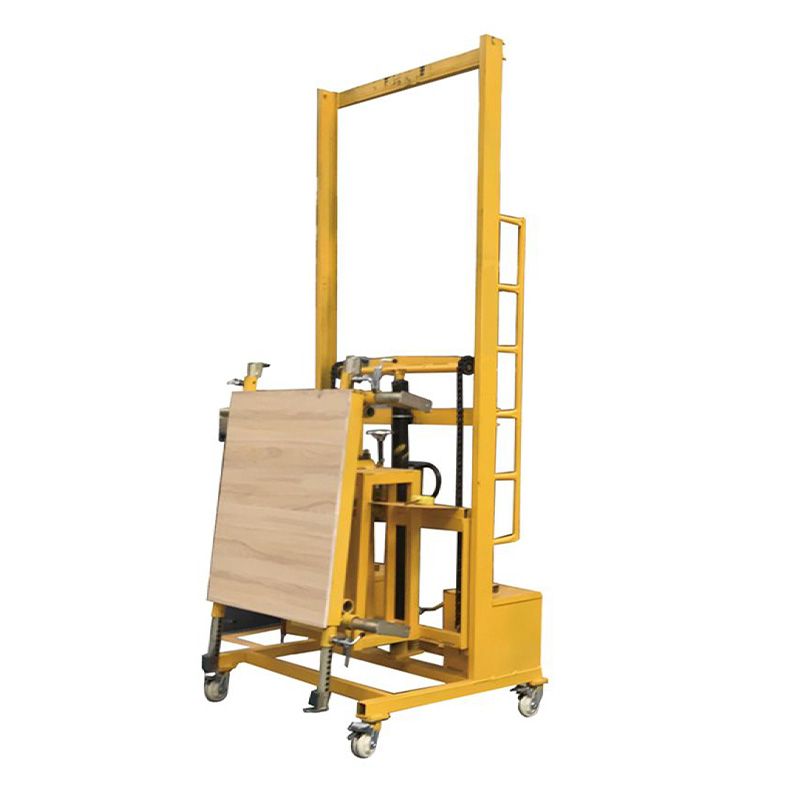

Durable steel workbench for stone processing