

Vacuum Suction Cups for Glass, Tile & Stone | Speedone

small suction cups
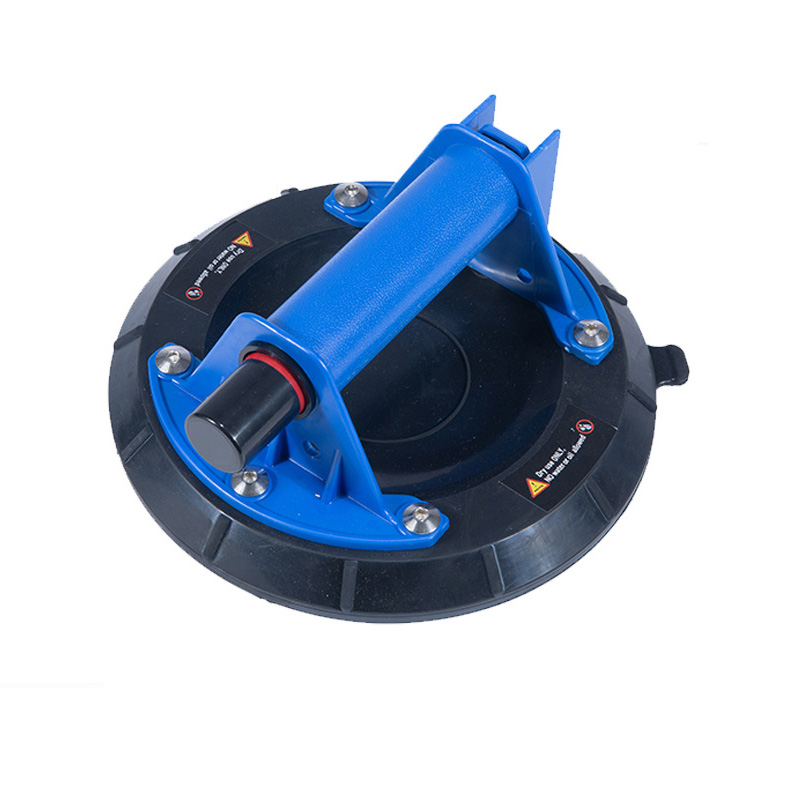
- Model : RS-020S
- Disk diameter : 200mm
- Maximum safe suction force : 200kg
Product Description
Small Suction Cups for Glass, Tile & Mirror Handling
What Are Small Suction Cups?
 |
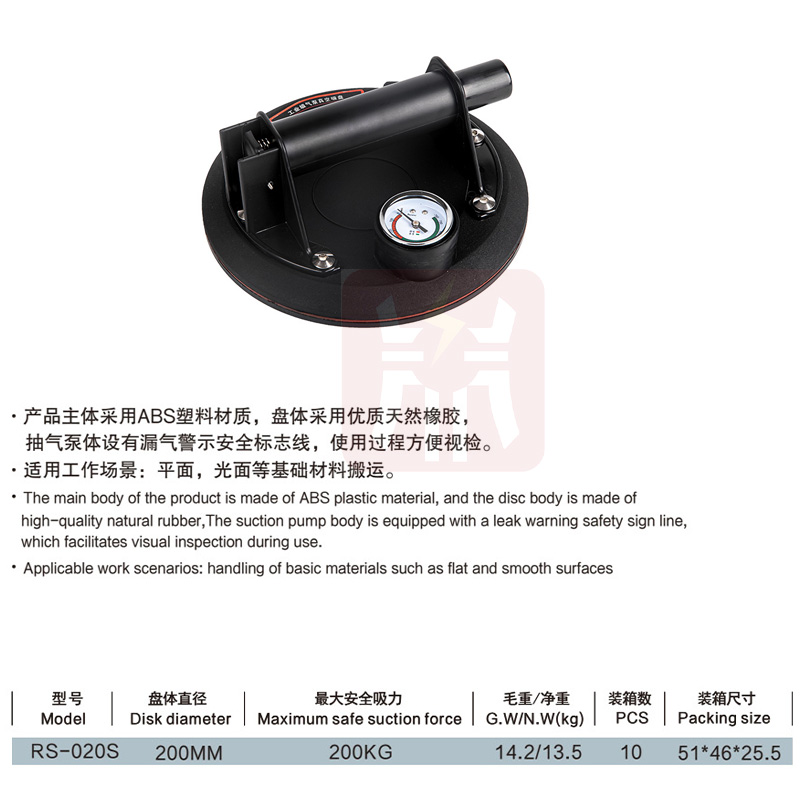 |
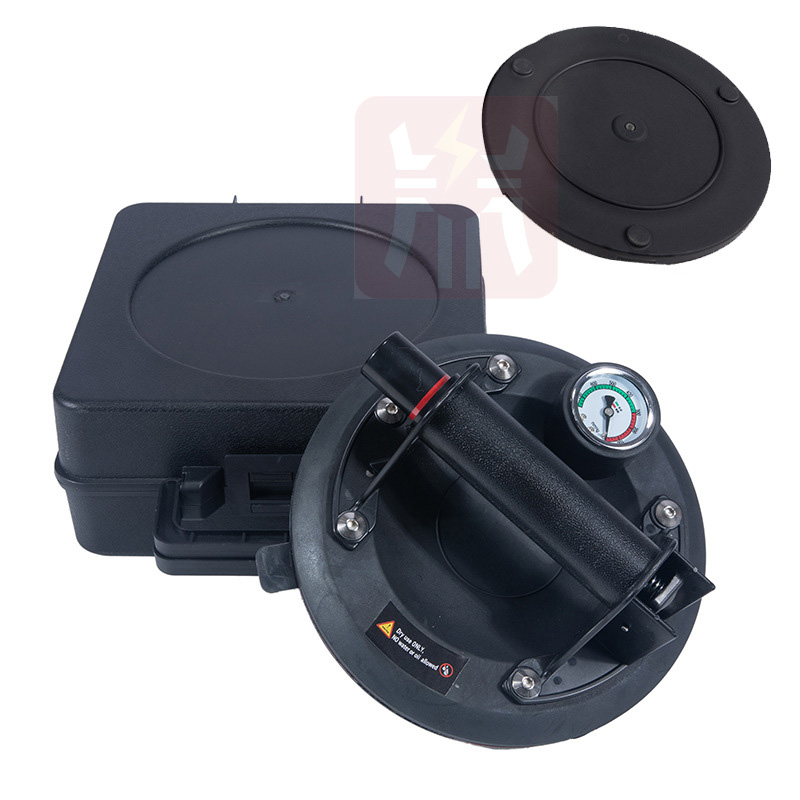
| Product packaging and information parameters | |
Small suction cups are compact tools that create temporary attachment to a suitable surface. They give the user a convenient gripping point on a material that may be difficult to hold by its edges.
Unlike large panel-handling systems, small suction cups are mainly useful for localized gripping and careful positioning. Their compact size can make them practical for installation work where a full-size suction lifter would be difficult to place.
Depending on the model and its approved applications, they may be used with:
- Small glass panels and inserts
- Smooth ceramic or porcelain tiles
- Mirrors and decorative glass
- Glass and stone samples
- Small polished stone pieces
- Other compatible smooth, non-porous components
This article focuses on compact suction tools used for professional handling and installation, rather than decorative suction hooks or permanent mounting accessories.
Why Use Small Suction Cups?
Small components can be awkward to handle, especially when their edges are close to a frame, wall or neighboring material.
For example, a glass insert may need to fit into a narrow opening. A tile may need a small adjustment before the adhesive sets. A mirror section may need to be aligned without repeated contact around its edges.
A suitable small suction cup creates a temporary handle on the face of the material.
Compact Size
A smaller pad may fit into areas where a larger suction tool cannot be placed properly.
More Convenient Positioning
The handle gives the installer another way to guide a small component into place.
Less Reliance on Edge Gripping
Users can grip a compatible surface directly instead of trying to hold every piece by its edges.
Simple to Carry and Store
Compact suction tools are easy to keep with other everyday installation equipment.
These advantages depend on the product design and working conditions. A smaller tool should never be assumed to have the capacity of a larger, rated lifting system.
How Do Small Suction Cups Work?
A suction cup uses a flexible pad that contacts a suitable surface. When air is removed or pushed out from beneath the pad, a pressure difference helps hold the cup against the material.
The way this attachment is created depends on the tool design. Some cups are pressed onto the surface, while others use a lever or a small hand pump.
A typical working process is:
Inspect → Clean → Attach → Check Grip → Position → Support → Release
The contact surface must be suitable for the selected tool. Dust, grease, deep texture, damaged pads and an uneven contact area can prevent a reliable seal.
|
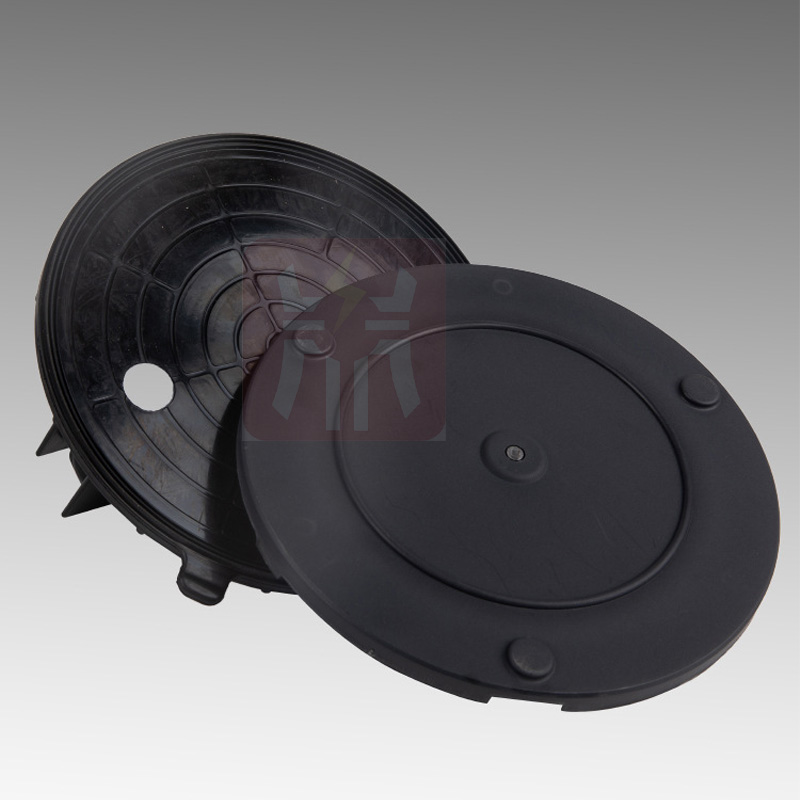 |
| Product display | |
Types of Small Suction Cups
Small Rubber Suction Cups
A basic rubber suction cup is pressed against a compatible smooth surface to create attachment. Some designs include a small handle or release tab.
This type may be suitable for simple gripping or positioning tasks when the product is approved for the intended use.
Mini Suction Cup Lifters
A mini suction cup lifter combines a compact contact pad with a handle or finger grip. The handle can make it easier to move a suitable small component without holding its edges.
Buyers may also see these products described as mini vacuum cups or compact suction lifters.
Small Lever-Operated Suction Cups
Lever-operated models use a mechanical action to create and release suction. They can be convenient when an installer needs a defined attachment and release method.
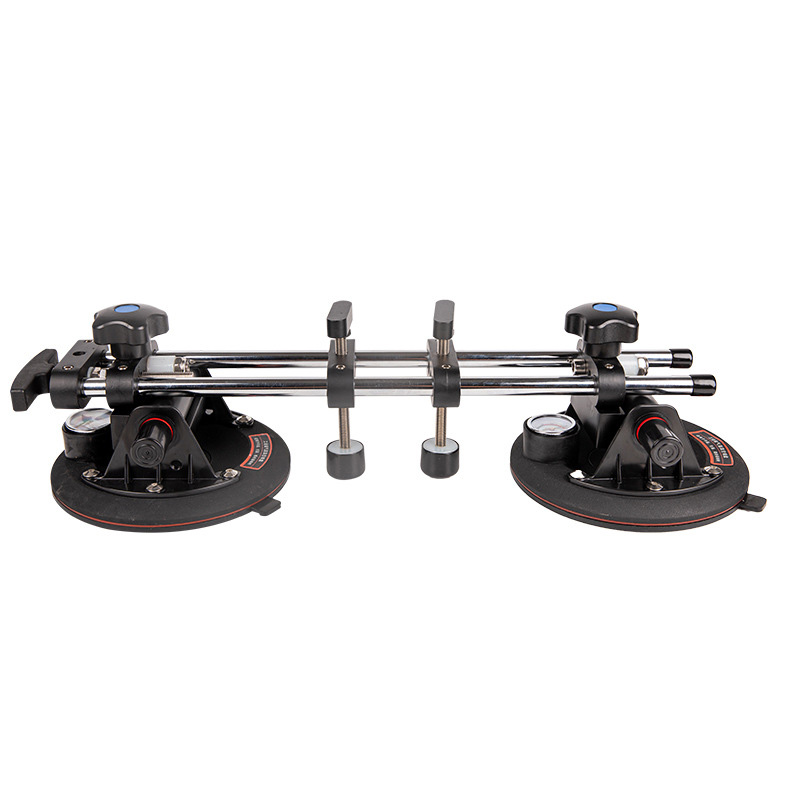
Compact Double Suction Cups
A double-cup design has two contact pads connected to one handling structure. It may offer additional control for some compatible materials.
Always check the rating of the complete tool. Do not assume that the capacities of two individual cups can simply be added together.
Small Suction Cups vs. Larger Vacuum Suction Cups
Small and large suction cups have different practical uses. However, size alone does not determine how much weight a tool can handle.
| Factor | Small Suction Cups | Larger Suction Cups |
|---|---|---|
| Typical application | Small-component gripping and positioning | Handling larger compatible panels |
| Contact area | Smaller pad area | Larger pad area |
| Working space | May fit some restricted areas | Needs enough space for the full pad |
| Portability | Usually compact | Depends on the design |
| Working capacity | Check the specific model rating | Check the specific model rating |
Choose the tool for the actual material and task. A small suction cup should not be used for a large panel simply because it appears to attach firmly.
Small Suction Cups for Glass Handling
Small glass panels and inserts can be difficult to grip when their edges sit close to a frame or support.
A compatible small suction cup can provide a temporary handle on the glass face. This may help during:
- Positioning small replacement panes
- Handling decorative glass inserts
- Adjusting suitable interior glass components
- Moving glass samples
- Placing compatible glass shelves or small panels
Before moving glass, inspect it for cracks or damage and check that the selected tool is suitable for the panel’s weight and handling direction.
For larger glazing projects, explore Speedone’s glass suction cups for vacuum lifting and handling. Larger panels may require several gripping points or dedicated lifting equipment.
Small Suction Cups for Ceramic and Porcelain Tile
Tile installation often involves small adjustments after the material is placed near its final position.
A compact suction cup can provide a convenient grip when the tile has a suitable surface and its edges are difficult to reach.
Possible uses include:
- Positioning smooth ceramic tiles
- Adjusting compatible porcelain tiles
- Handling decorative tile pieces
- Moving tile samples
- Repositioning suitable tiles before adhesive cures
Always check the actual surface finish. Smooth glazed tile may allow a suitable pad to seal, while textured or porous tile may require another gripping method.
For larger panels, see Speedone’s tile suction cup for large-format porcelain and stone.
Small Suction Cups for Mirror Installation
Small mirrors and mirror inserts often need careful alignment against a wall or inside a frame.
A compatible compact suction cup can create a temporary grip on the mirror face and may help the installer make small positioning adjustments.
Typical applications include:
- Positioning small wall mirrors
- Fitting mirror inserts
- Adjusting decorative mirror sections
- Moving mirror samples
Confirm that the mirror surface, construction and weight are suitable for the tool. A handling suction cup is not a permanent mirror fixing system.
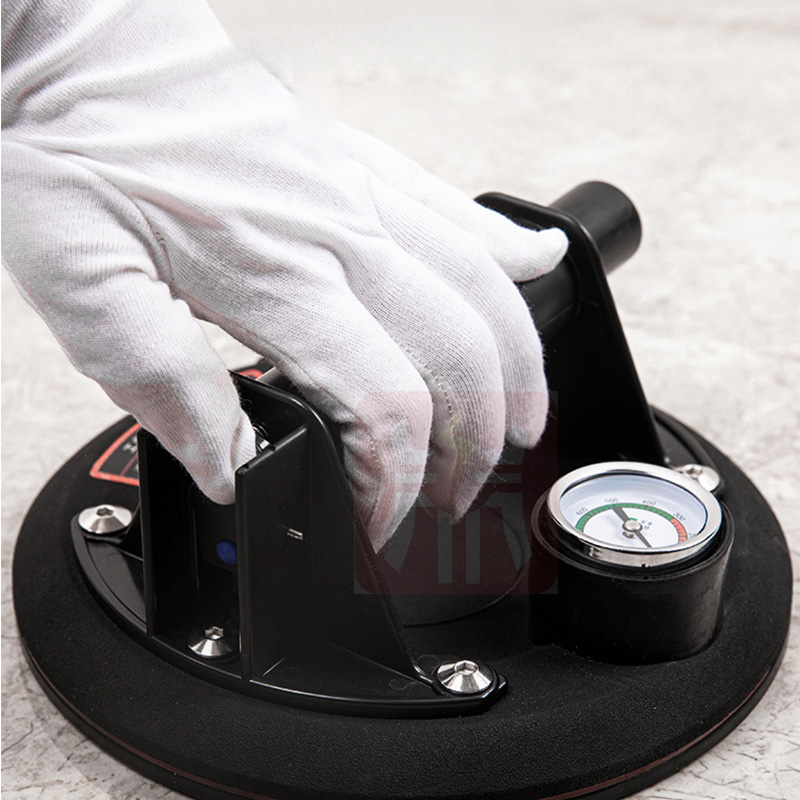 |
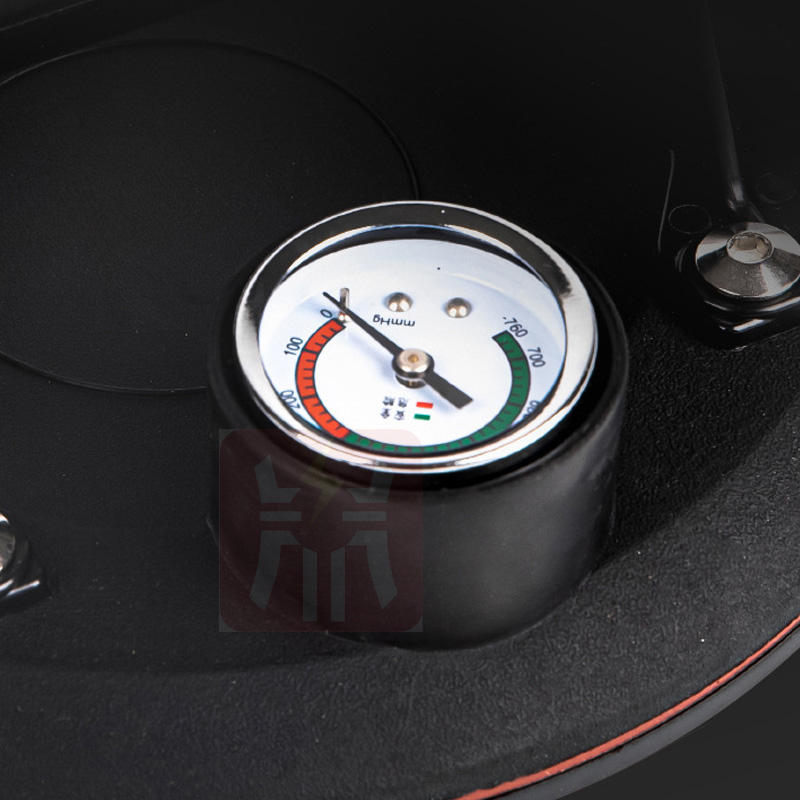 |
| Product usage | |
Small Suction Cups for Stone Samples and Small Parts
Stone workshops often handle polished samples, display pieces and small finished components.
A suitable compact suction tool may help grip or reposition a compatible smooth piece without relying entirely on its edges.
Possible applications include:
- Polished granite samples
- Engineered stone samples
- Small decorative stone pieces
- Compatible countertop offcuts
- Smooth stone display samples
Even a small stone piece can be heavy. Check its actual weight, surface finish and the suction cup’s approved capacity before use.
Do not use a compact suction cup as a substitute for a rated stone slab lifter.
Small Suction Cups for Precise Positioning
Compact suction tools are especially useful when the installer needs to make a small adjustment in a restricted area.
Once a compatible component is close to its final position, the suction handle may help the installer:
- Guide a glass insert into a frame
- Shift a smooth tile slightly
- Align a small mirror section
- Reposition a sample on a workbench
- Make a final placement correction before fixing
Use the cup only within its approved working limits. It provides temporary gripping, not permanent support.
Which Surfaces Work with Small Suction Cups?
The material’s surface is one of the most important factors in suction performance.
Smooth Glass
Clean, flat glass can provide favorable contact conditions for suitable suction pads.
Glazed Ceramic Tile
Some smooth glazed tiles can provide a suitable seal. Inspect the actual tile finish before use.
Polished Stone
Certain polished stone surfaces may be compatible. Natural texture, surface treatments and contamination can affect attachment.
Textured Tile or Stone
Deep texture can prevent a conventional cup from forming a reliable seal. Use equipment approved for that surface or another handling method.
Coated or Delicate Finishes
Some finishes may be sensitive to pressure or pad contact. Confirm compatibility before applying the tool to a finished component.
Small Suction Cups vs. Countertop Seam Tools
Both tools may use suction, but they perform different tasks.
A small suction cup provides a temporary handle for a compatible component. A countertop seam tool adjusts the position of two adjoining countertop sections after they have been properly supported.
| Tool | Main Function | Typical Application |
|---|---|---|
| Small Suction Cup | Localized gripping and positioning | Small glass, tile and compatible pieces |
| Glass Suction Cup | Glass handling | Windows and glass panels |
| Countertop Seam Tool | Joint closing and alignment | Granite and quartz countertops |
| Stone Seam Setter | Joint alignment and leveling | Stone countertop installation |
When the job involves bringing separate stone countertop sections together, Speedone’s countertop seam tool for granite and quartz provides a more suitable solution.
Small Suction Cups in Stone Fabrication
Stone workshops may use compact suction tools for suitable small samples and separate equipment for larger or heavier materials.
For example, a smooth stone sample may need a temporary handle during display preparation. A finished countertop, however, requires a different handling setup.
After granite or quartz countertop sections are positioned, installers may need to close and align the seam. For that stage, Speedone’s stone pro seam setter for granite and quartz countertops provides a dedicated joint-adjustment option.
Do not use a small suction cup to pull large stone sections together unless the specific tool is designed and approved for that operation.
Small Suction Cups in Kitchen and Interior Installation
A kitchen or interior project can involve cabinets, glass, tile and stone. Each material needs equipment suited to its installation task.
Small suction cups may assist with compatible glass inserts, mirror sections and small tile pieces. Wall cabinets, however, require a separate type of temporary support.
For upper cabinets, Speedone’s cabinet jack for upper cabinet installation helps hold the cabinet while it is positioned and permanently secured.
Installers can also explore the cabinet support tool for wall cabinet installation for related adjustable support work.
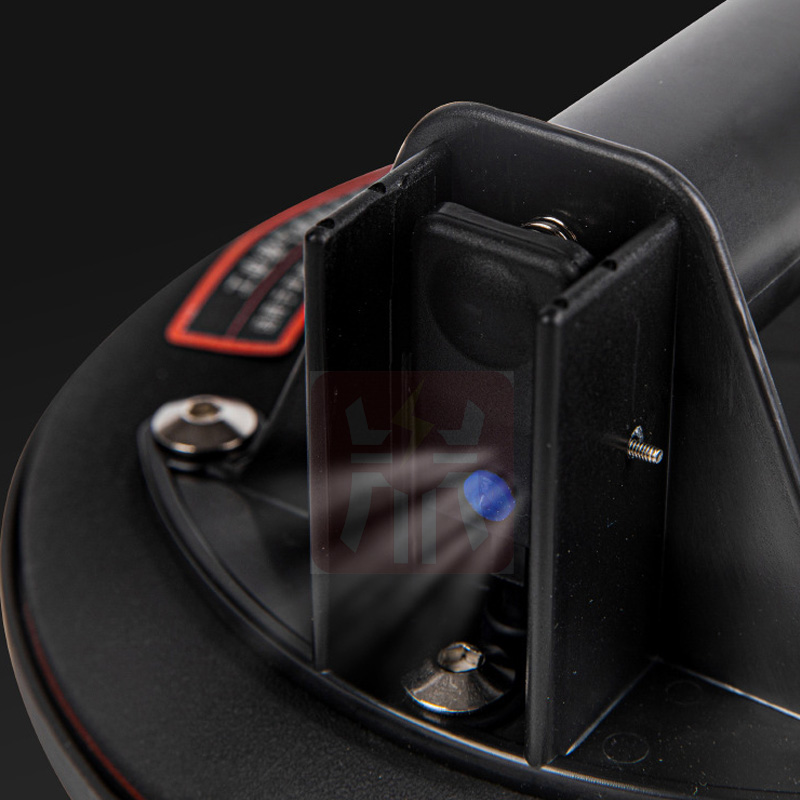 |
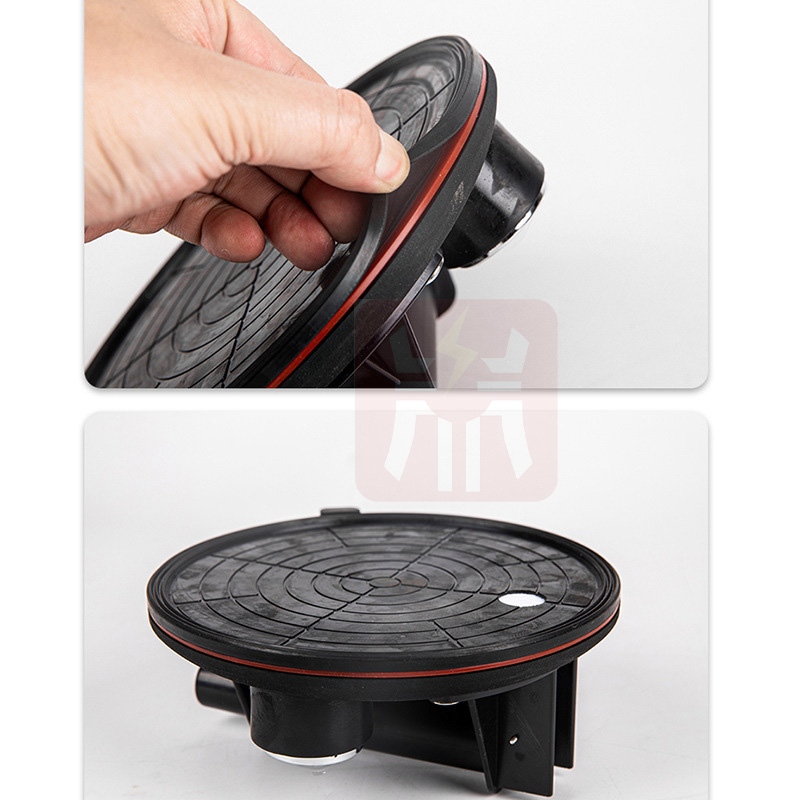 |
| Product details presentation | |
How to Use Small Suction Cups
Inspect the Material
Check the glass, tile, mirror or other component for damage. Confirm that it is suitable for the intended handling method.
Check the Suction Cup
Inspect the pad, handle, release mechanism and other working parts for wear or damage.
Confirm Compatibility and Capacity
Check that the material, weight, contact area and handling direction meet the tool manufacturer’s requirements.
Clean the Contact Area
Remove dust, grease and other contamination that could prevent a reliable seal.
Position the Cup
Place the full pad on a suitable area of the material. Do not position it partly over an edge or joint unless the tool is designed for that use.
Create the Attachment
Activate the suction cup according to the instructions for the selected model.
Check the Grip
Confirm that the attachment is secure before applying the intended working load.
Move the Material Gradually
Avoid sudden pulling, impacts and uncontrolled movement.
Support the Material
Make sure the component is securely supported in its final position.
Release the Suction Cup
Use the intended release mechanism. Do not remove the cup while the material still depends on it for support.
How to Choose the Right Small Suction Cups
Contact Pad Size
Choose a pad that fits fully within the available contact area. A small pad may be convenient in a restricted space, but it must still be suitable for the load.
Rated Working Capacity
Check the manufacturer’s stated working capacity for the intended handling conditions. Do not estimate capacity from cup diameter alone.
Material Compatibility
Confirm whether the model is suitable for glass, glazed tile, mirrors, polished stone or other materials you handle.
Surface Finish
Check whether the pad can form a reliable seal on the actual surface.
Handle Design
Select a handle that gives the installer enough room to grip and position the component.
Release Mechanism
A practical release method can make removal easier after the material is supported.
Maintenance and Replacement Parts
For repeated professional use, check the condition and availability of pads, seals and other working parts.
Common Problems with Small Suction Cups
The Cup Will Not Attach
Check surface cleanliness, texture, pad condition and the attachment mechanism. Do not use the tool until a suitable grip is established.
The Cup Loses Suction
Stop handling and place the material in a safe supported position before inspecting the tool.
The Material Is Too Heavy
Do not exceed the rated working capacity. Use appropriately rated equipment or another handling method.
The Contact Area Is Too Small
The component may not provide enough suitable surface for the pad. Do not place the cup partly over an edge to make it fit.
The Surface Is Textured
A conventional pad may not maintain a reliable seal. Choose equipment approved for the surface or use another gripping method.
The Cup Leaves Marks
Check the cleanliness and condition of the pad. Test compatibility before using it on sensitive finished materials.
Safety Tips for Small Suction Cups
Compact size does not remove the risks of glass breakage, falling material or loss of grip. Use the tool according to its actual design and rated working conditions.
- Inspect the pad and handle before use.
- Confirm material and surface compatibility.
- Check the manufacturer’s rated capacity.
- Use the tool only in its approved handling direction.
- Place the full pad on a suitable contact area.
- Verify attachment before movement.
- Avoid sudden pulling and impact loads.
- Stop work if suction becomes unstable.
- Keep people clear of material that could fall.
- Use appropriate personal protective equipment.
- Support the material before releasing the cup.
- Use larger or specialized handling equipment when the task requires it.
Who Uses Small Suction Cups?
- Glass installers
- Tile installers
- Mirror installers
- Stone fabrication workshops
- Kitchen and bathroom contractors
- Interior fit-out companies
- Renovation teams
- Glass and stone sample suppliers
- Installation tool distributors
- Professional maintenance teams
Why Choose Speedone?
Speedone supplies tools and equipment for glass, tile, stone, countertop and related installation work.
Small suction cups can fill a useful role in a professional toolkit when compact gripping and careful positioning are needed. For larger panels, heavier stone or countertop seam adjustment, a different tool may be required.
When requesting a suitable product, share the material type, component dimensions, weight, surface finish and intended handling method. These details help identify an appropriate configuration.
Looking for Small Suction Cups?Contact Speedone with your material and application details to discuss compact suction tools for glass, tile, mirror and compatible small-component handling.
Frequently Asked Questions
What are small suction cups?
Small suction cups are compact gripping tools that create temporary attachment to compatible surfaces. Suitable handling models can help position small glass, tile, mirror and other approved components.
What are small suction cups used for?
Depending on the model, they can help with localized gripping, handling suitable lightweight pieces and making small positioning adjustments.
Can small suction cups be used on glass?
Yes. Suitable models can be used on compatible smooth glass when the material weight and handling conditions are within the tool’s approved limits.
Can small suction cups be used for tile installation?
Suitable compact suction tools can help position compatible smooth ceramic and porcelain tiles. Check the surface finish and tool capacity before use.
Can small suction cups be used on mirrors?
Some models can provide temporary gripping on compatible mirror faces. Confirm the mirror construction, surface finish, weight and tool rating first.
Can small suction cups lift heavy stone slabs?
Do not assume a small suction cup is suitable for heavy stone lifting. Use equipment specifically designed and rated for the material and handling task.
Are small suction cups and mini suction cups the same?
The terms often overlap. Actual pad size, handle design, working capacity and approved applications vary between products.
Can small suction cups work on textured tile?
Conventional suction pads may not form a reliable seal on textured tile. Use equipment approved for the surface or another handling method.
How do I choose the right small suction cup?
Check the material, surface finish, available contact area, actual load, handling direction, handle design, release mechanism and manufacturer-approved applications.
Can small suction cups replace a countertop seam setter?
No. Small suction cups mainly provide temporary gripping and positioning. Countertop seam setters are designed to close, align and level joints between adjoining countertop sections.
Related Products